The vision of PTEC-INVA goes beyond immediate economic benefits.
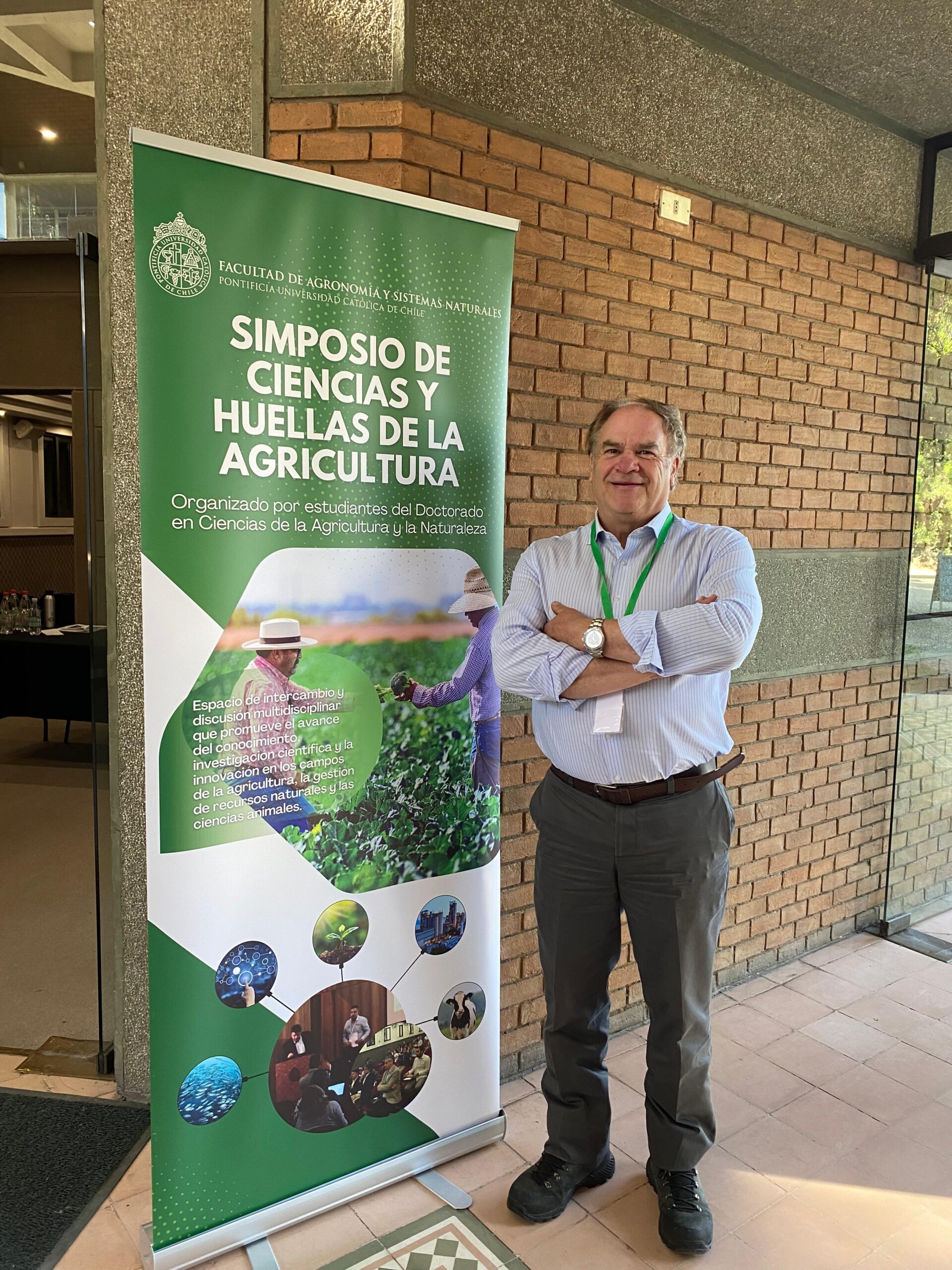
Last Wednesday 11 December, the San Joaquin Campus from the Catholic University of Chile (UC) was the setting for the II Symposium "Sciences and Footprints of Agriculture", organized by students from the Doctorate in Agricultural Sciences of the Faculty of Agronomy and Natural Systems with the support of Antarctic Salmon.
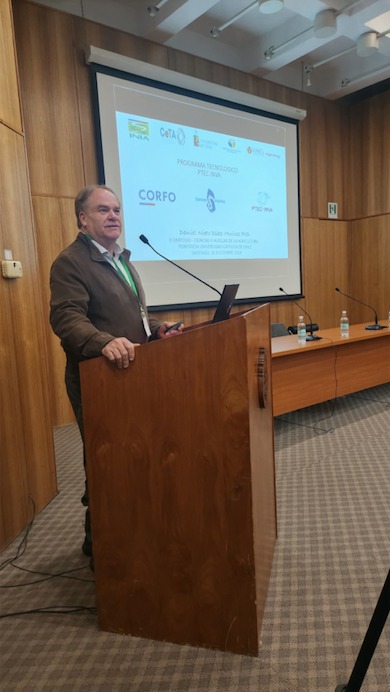
This event featured the notable participation of Dr. Daniel Nieto Díaz-Muñoz, manager of the Technological Program for the Local Production of Nutritional Inputs for Aquaculture (PTEC-INVA), public private and academic initiative driven by the Corporation for the Promotion of Production (Corfo).
In his presentation, Dr. Nieto emphasized the ambitious goal of PTEC-INVA: consolidate a third industry in Chile, based on the link between agriculture and aquaculture. This effort is part of the need to reduce dependence on imported inputs, which currently account for around 85% from vegetable ingredients for the feeding of salmonids (Atlantic salmon and coho, as well as rainbow trout), and replace them with sustainable alternatives originating from rotational farming in the south-austral macrozone.
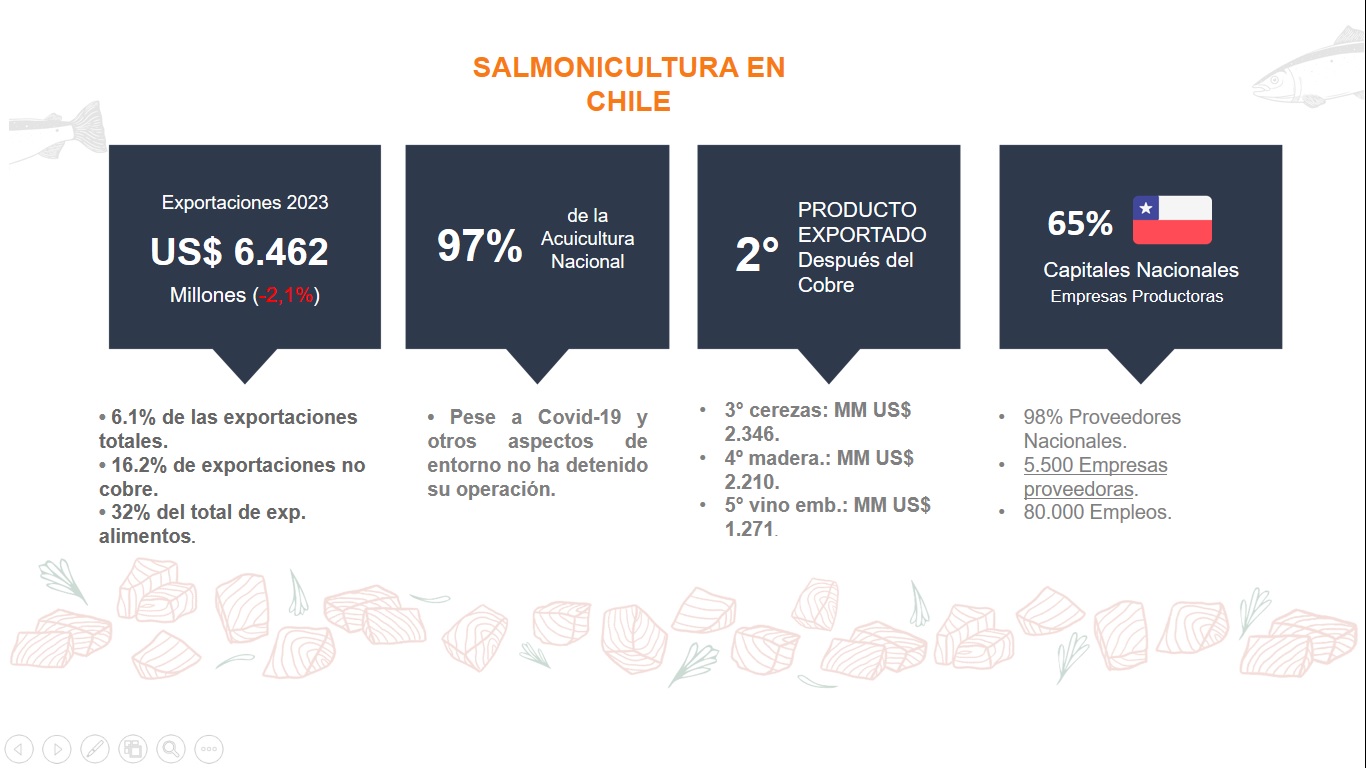
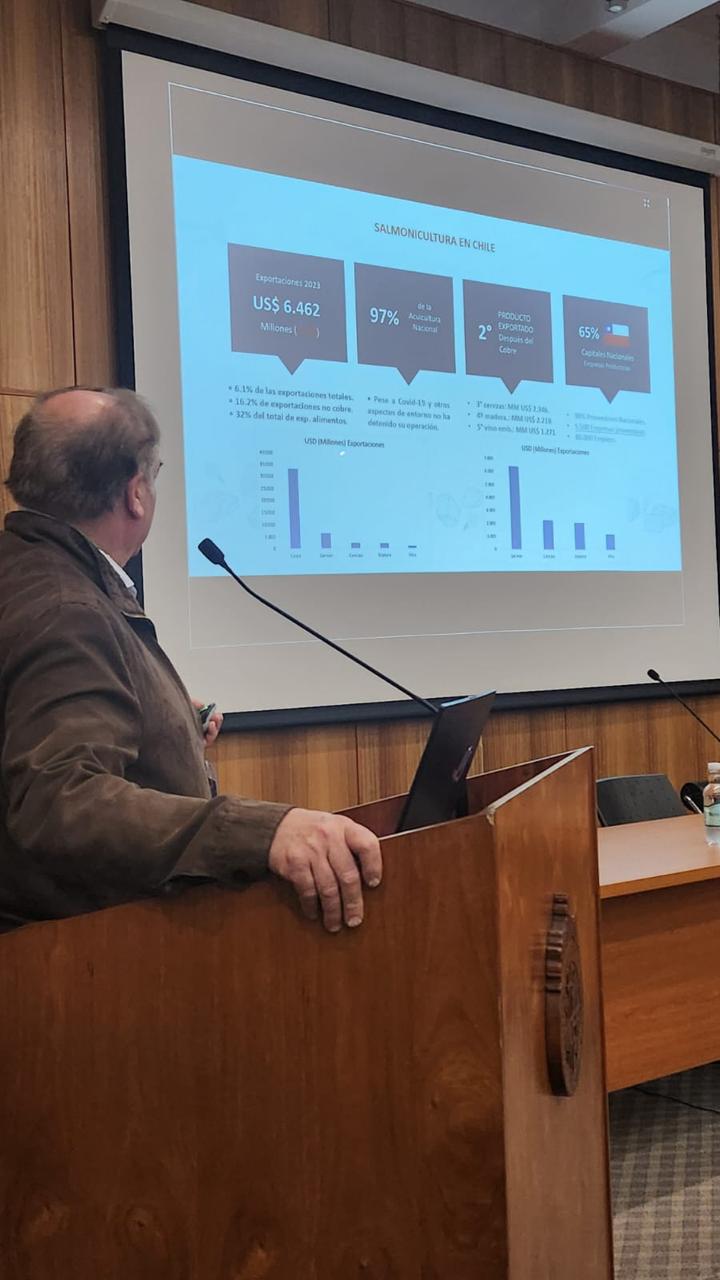
Salmon farming in Chile not only generates more than 80,000 jobs, but also represents 16.2% of the country's non-copper exports and 6.1% of total exports. With annual revenues exceeding the US$6,000 million, this industry is an economic pillar that faces the challenge of continuing to reduce its carbon footprint and improving its sustainability through the innovation in its inputs," said Daniel Nieto, who is a veterinary doctor and PhD in Aquaculture from the University of Chile, specialized in management of innovation projects, prototyping and Research and Development (R&D).
The transformative role of PTEC-INVA
This technological programme, led by Antarctic Salmon with the support of Corfo and the co-execution of renowned entities such as the Institute of Agricultural Research (INIA), Food Innovation Technology Center (CeTA), Veterinary Histopathology Center (VeHiCe), Agrotop Companies, the Catholic University of Temuco (UCT) and the University of Chile (University of Chile), has focused on developing sustainable sources of proteins and oils from crops such as lupin, alfalfa, rapeseed (canola), camelina and wheat as a binder. This approach not only aims to replace fish meals and oils in the diets of salmon and trout, but also to open new opportunities economic for national agriculture, especially in rural areas.
A clear example of this is that the productive development area of PTEC-INVA is focused on the regions from La Araucanía, Los Ríos, Los Lagos, Aysén and Magallanes.
Dr. Nieto explained that the implementation of a third industry involves the construction of roads, processing plants, storage warehouses, use of agricultural machinery, among other productive activities, which will result in better living conditions for local communities. In addition, he emphasized that these actions are aligned with the Sustainable Development Goals (SDGs) of the United Nations Organization (UNO), promoting environmental sustainability and socio-economic development.
The importance of education and collaboration
The participation of PTEC-INVA in the symposium organized by students highlights its commitment with education and tripartite collaboration between the State, the private sector and academia.
In the words of Dr. Nieto, "the dissemination of these projects in academic spaces not only encourages the generation of knowledge, but also incentives the future professionals to innovate in key areas for the development of the country.
- Download below the full presentation of Dr. Nieto:
A promising future
The vision of PTEC-INVA goes beyond immediate economic benefits. By integrating agriculture with aquaculture, it aims to establish a production model sustainable that allows Chile to remain a leader in the global aquaculture industry while diversifying its productive matrix and promoting the resilience ahead of international crises
The exhibition by Dr. Nieto not only made clear the relevance of the consortia and technological programs of Corfo as change enginesbut also inspired students and professionals to continue working towards a more innovative and sustainable Chile.
Este evento reafirma la necesidad de seguir apostando por la Investigación y Desarrollo como core issues "of national progress," concluded the representative of PTEC-INVA.
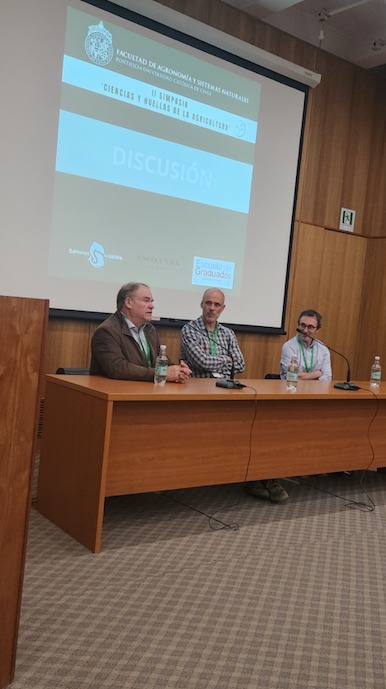
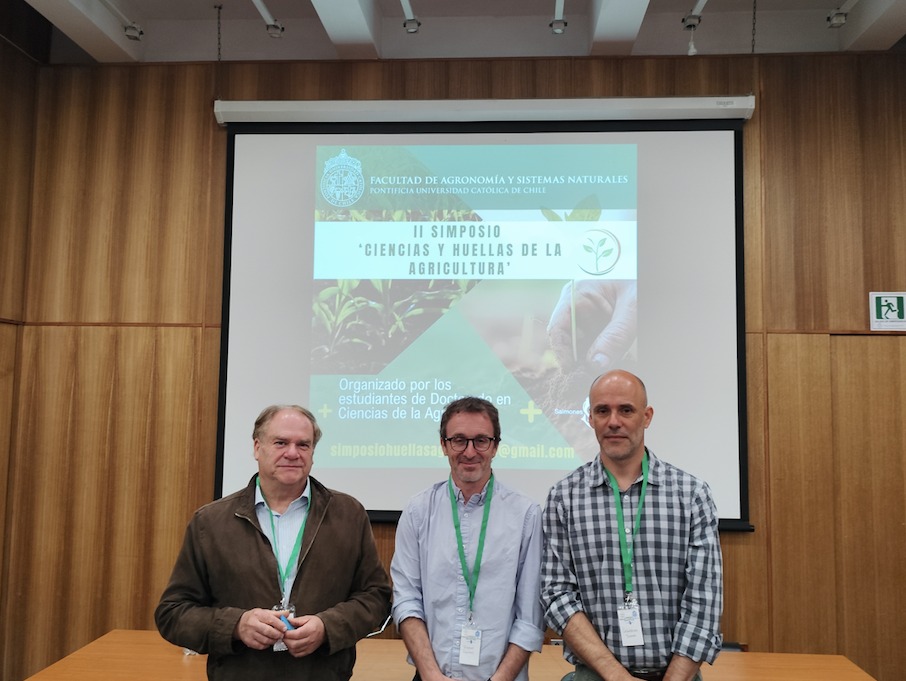
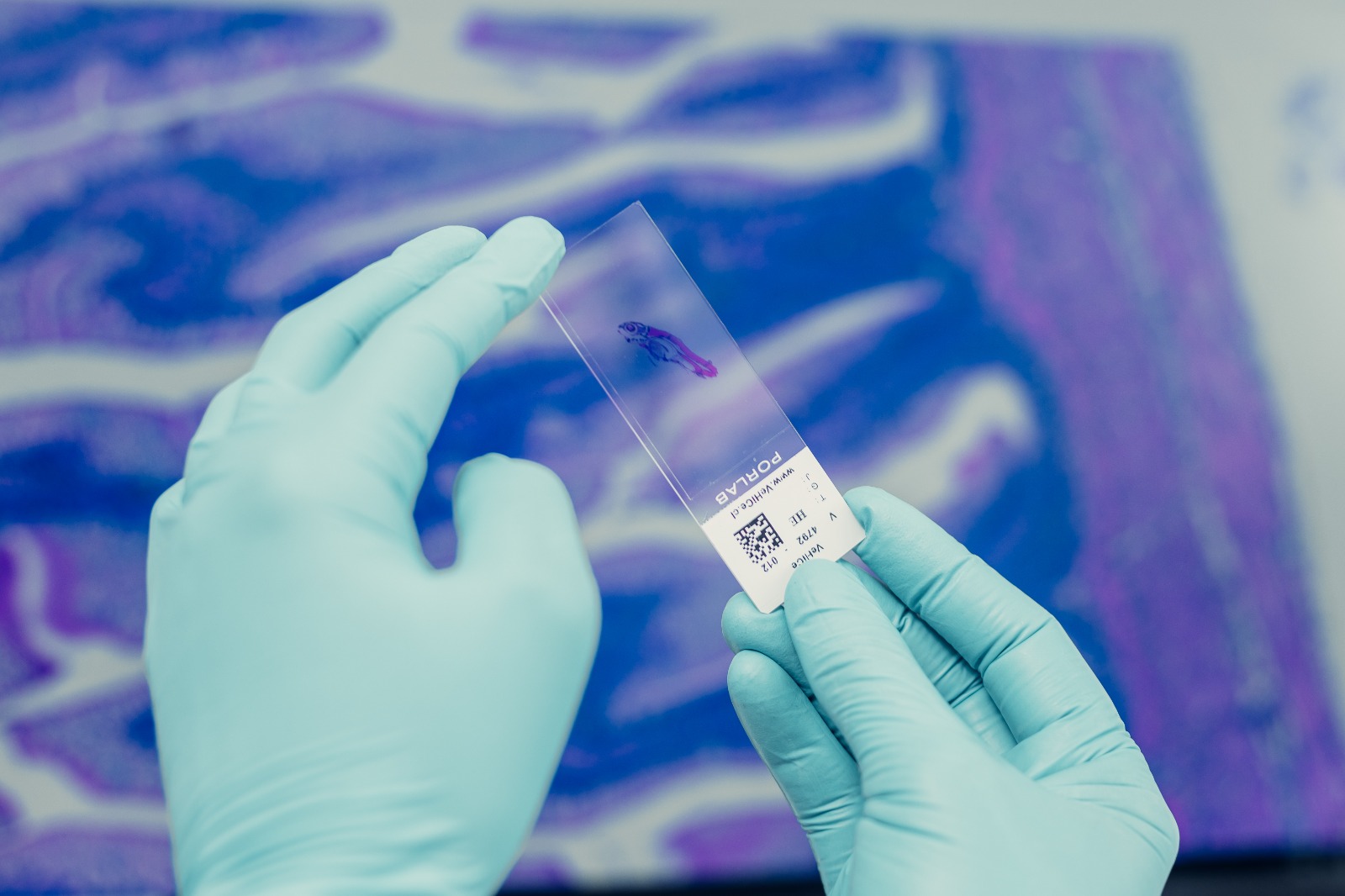
*The featured photo is for context and corresponds to an archive file of VeHiCe | PTEC-INVA.