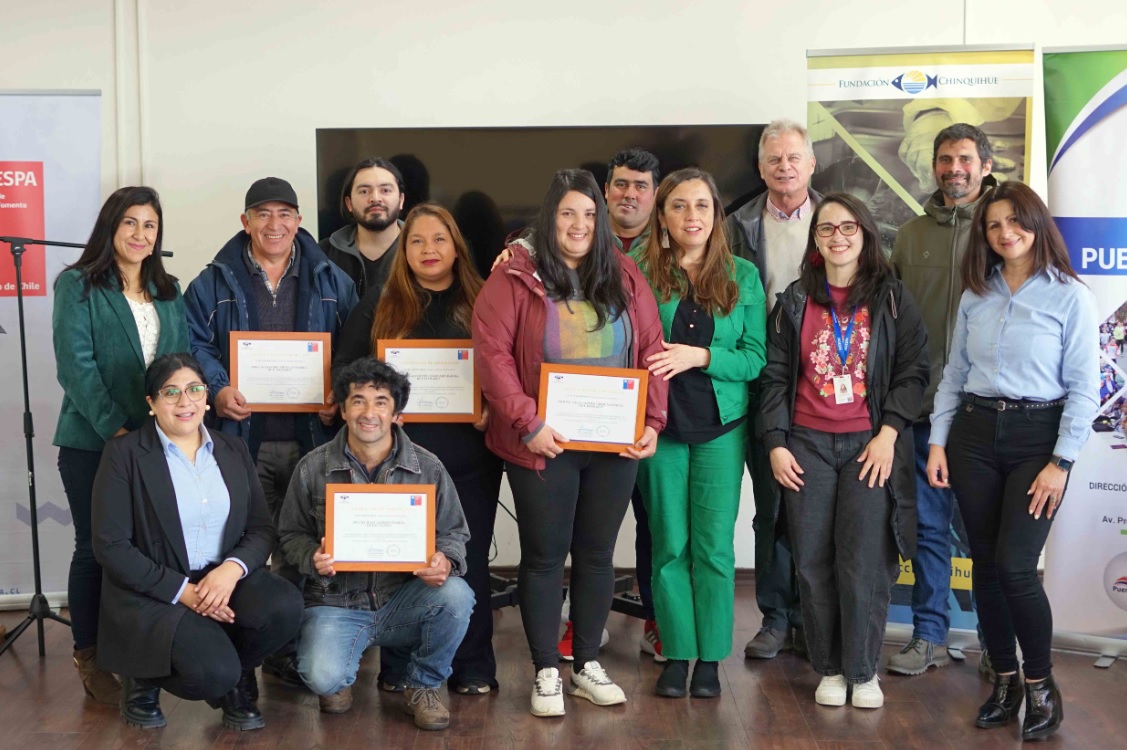
The learning session was possible thanks to a program funded by Indespa. The course was taught by Otec Chinquihue, a branch of Fundación Chinquihue.
Once small-scale aquaculturists and artisanal fishermen from the island of Maillen, commune of Puerto Montt, managed to pass the course "Training in regulations, procedures and good practices for the capture of seed clams (Chilean mussel)”, that was given by OTEC Chinquihue, subsidiary of Chinquihue Foundation. In addition, they were given the course Business plan with a gender focus, which added 12 hours of instruction.
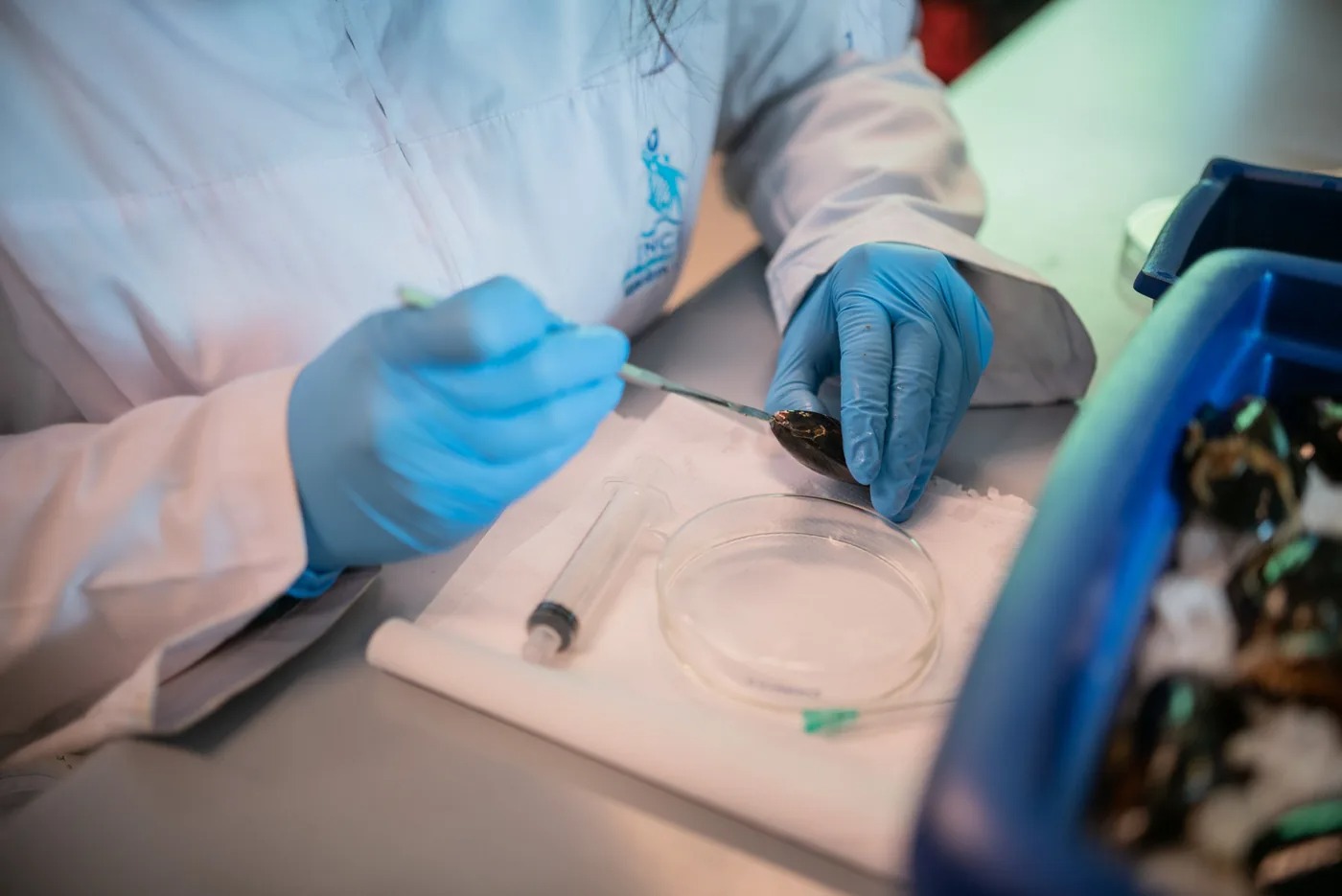
In this way, the beneficiaries, who belong to the Miramar artisanal fishermen's union of the said island, completed a total of 52 hours of instruction in subjects related to the sectoral regulation, operating process of the collection of seeds, good practices in the management of waste from the activity, among others.
From the closing ceremony of this course - held in dependencies Chinquihue Foundation- Karla Oñate, regional coordinator of the National Institute for Sustainable Development of Artisanal Fisheries and Small-scale Aquaculture, Indespa, Marcela Gallardo, in charge of the artisanal fishing office of the Illustrious Municipalidad of Puerto Montt, in addition to Oscar Leibbrandt, general manager of Chinquihue Foundation.
Dominica Uribe is the president of the Miramar Fishermen’s Union on Maillen Island, who indicated that this course “was a very good experience. We are very grateful for what we have learned.”
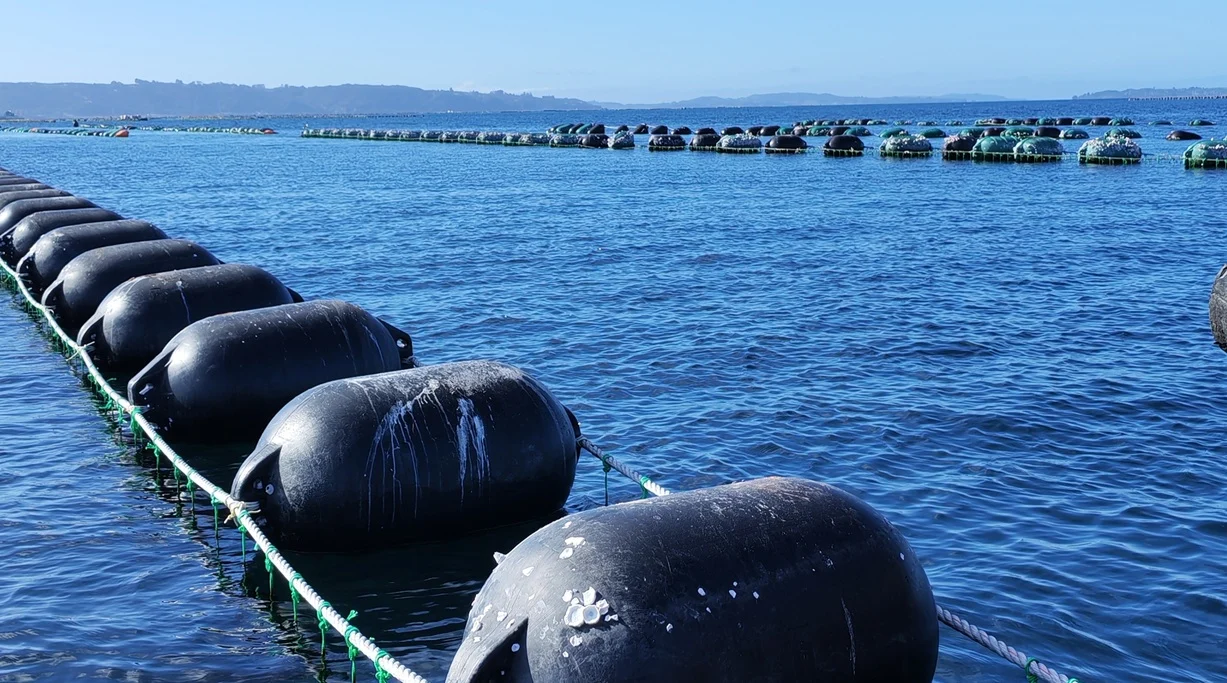
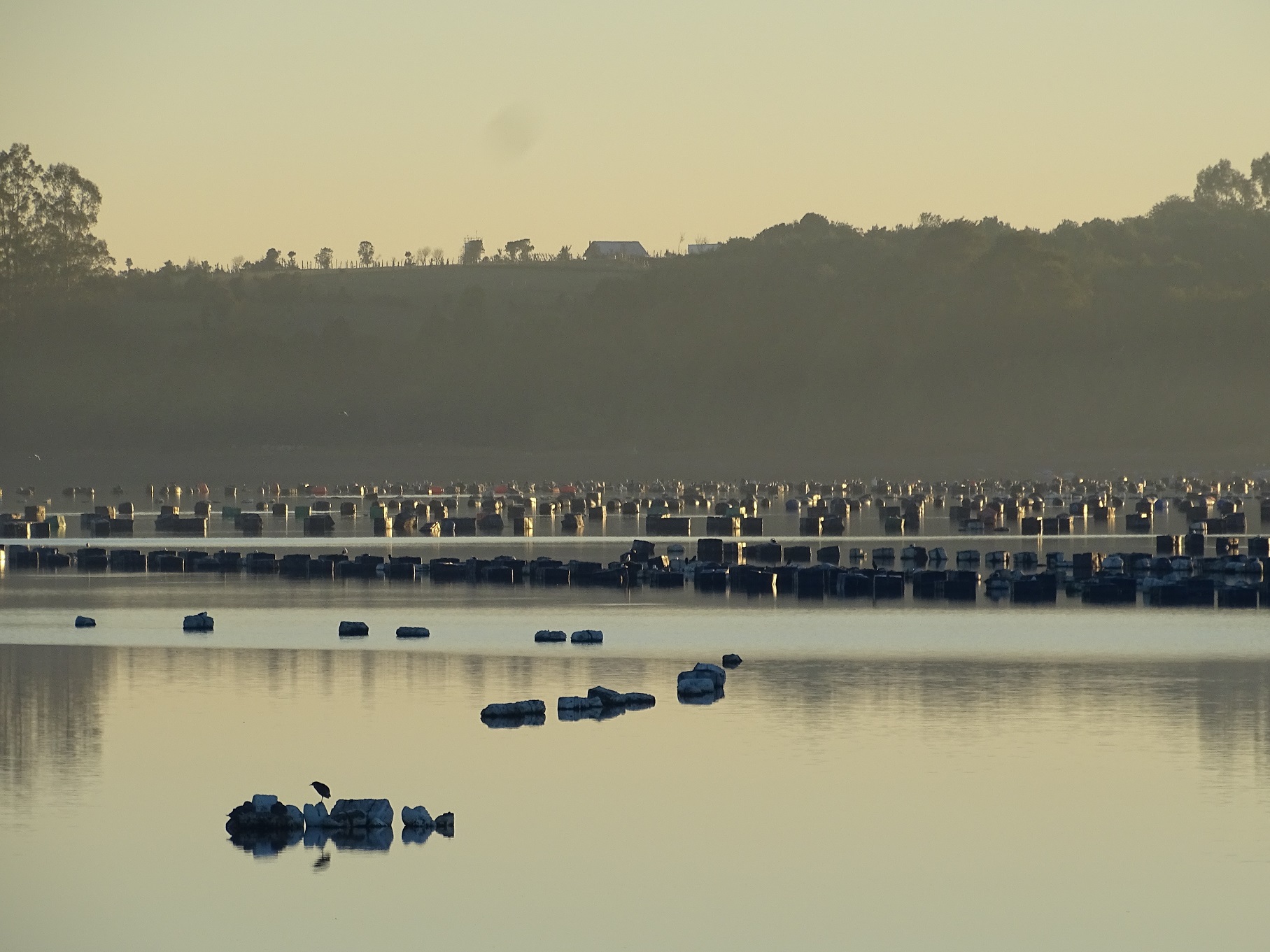
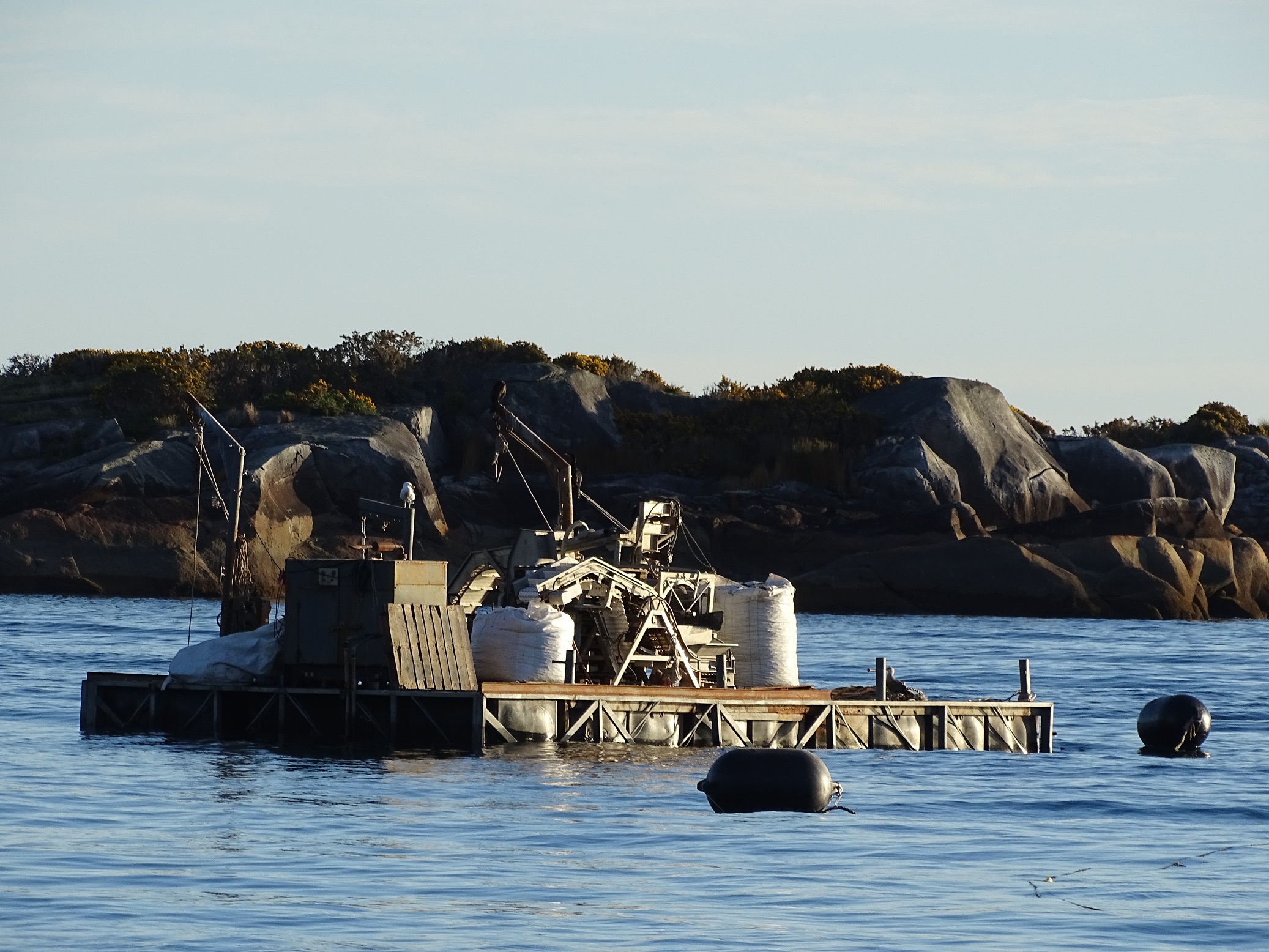
The artisanal leader explained that, among the training activities, they had to work in the field and in the classroom. “They taught us about the cultivation of choritos, working with suppliers, we learned computer topics, among others. We had a good team of work and we hope to continue learning,” he closed.
Karla Oñate, for her part, said that this training is part of National Organizational Strengthening Competition de Indespathe objective of which is to provide support, “so that organizations, both administratively and organizationally, are strengthened and can generate better management of their coves and their fisheries or economic resources”.
The staff member of the Indespa said she was “very grateful to OTEC Chinquihue and the Illustrious Municipalidad of Puerto Montt for their work and the support provided for the success of this training.”
The genesis of this idea was born, according to Marcela Gallardo, after collecting a concern on the part of the fishermen of the mentioned union, referring precisely to issues related to the capture of seeds of chorito.
“We raise a profile with the union’s leadership and are subsequently accompanied in the formulation, execution and closure of the project,” explained the local municipality official.
Gallardo said that “the leadership and partners have had a pleasant learning experience. They have been super comfortable with locations, teachers, and learning has been super powerful, especially because they have a small-scale aquaculture vocation.” This training was made possible thanks to the funding provided by the Strategic Programme and Organizational Strengthening of National Institute for Sustainable Development of Artisanal Fisheries and Small-scale Aquaculture, Indespa.