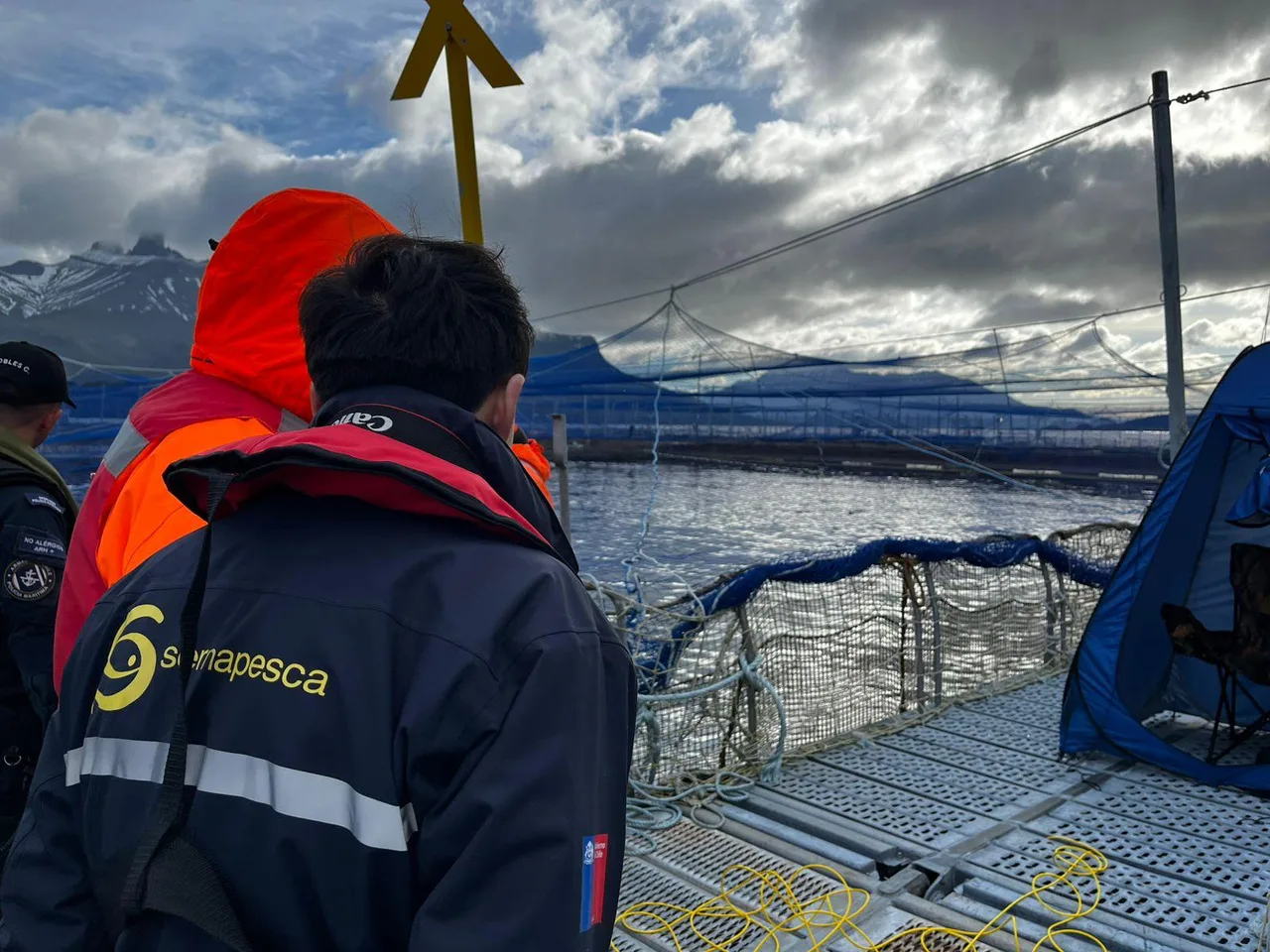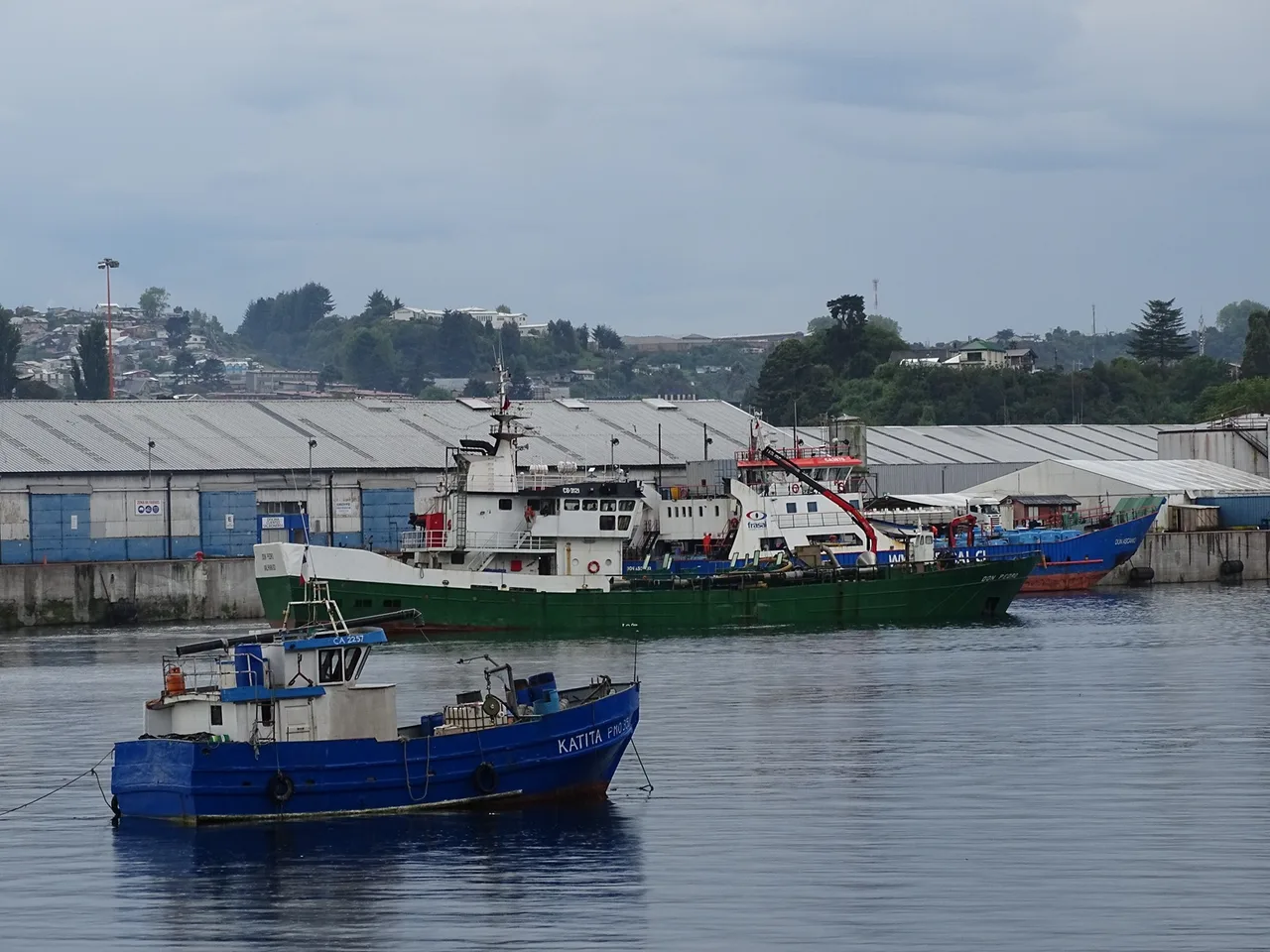
The activity will include topics such as avian malaria, the biology of tick saliva and the control of sea lice in salmon farming.
The next 21 October, the Interdisciplinary Center for Aquaculture Research (INCAR) will carry out the seminar titled Vampires: The beauty of host-parasite interactions, which will address research focused on the parasite-host interaction.
The event, which will take place in the Claudio Gay auditorium of the Faculty of Natural and Oceanographic Sciences of the University of Concepción (University of Chile), will bring together three internationally renowned researchers: the Dr. Vaidas Palinausckas from the Nature Research Centre of Lithuania; the Dr. Alejandro Cabezas-Cruz (UMR Bipar, Inrae, Anses, EnvA) de Francia, y el Dr. Cristian Gallardo-Escárate (University of Concepción) Incar Center) of Chile. The event will be moderated by the academic from the School of Veterinary Medicine of the Faculty of Natural Sciences of the University of San Sebastián and associated researcher of Incar, Dr Valentina Valenzuela-Muñoz.
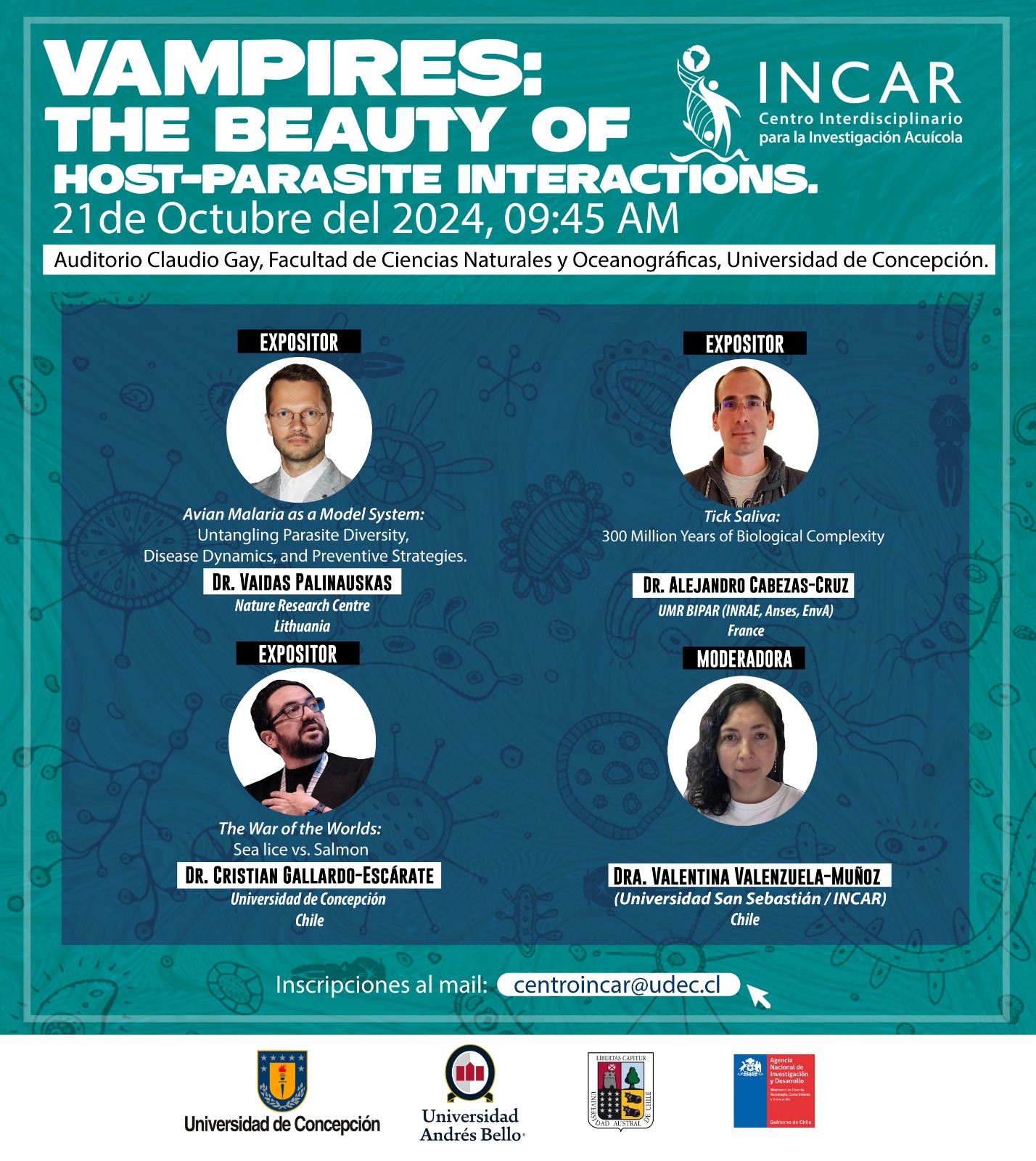
The presentation round will start at 10:10 am with Paludismo aviar como sistema modelo: Desentrañando la diversidad de parásitos, dinámica de la enfermedad y estrategias preventivas, from Dr. Palinauskas, who will focus on avian malaria parasites, their diversity and the use of this host-parasite system in various experimental models.
Subsequently, Dr. Cabezas-Cruz will present Tick Saliva: 300 Million Years of Biological Complexity, in which it will explore the complex biology of tick saliva, highlighting its role in the physiology of ticks, the adaptations for the blood feeding and the transmission of pathogens.
Key components of tick saliva include proteins as anticoagulants, immunomodulators and analgesics, which facilitate feeding and evade the host's defenses," explained Dr. Alejandro Cabezas-Cruz.
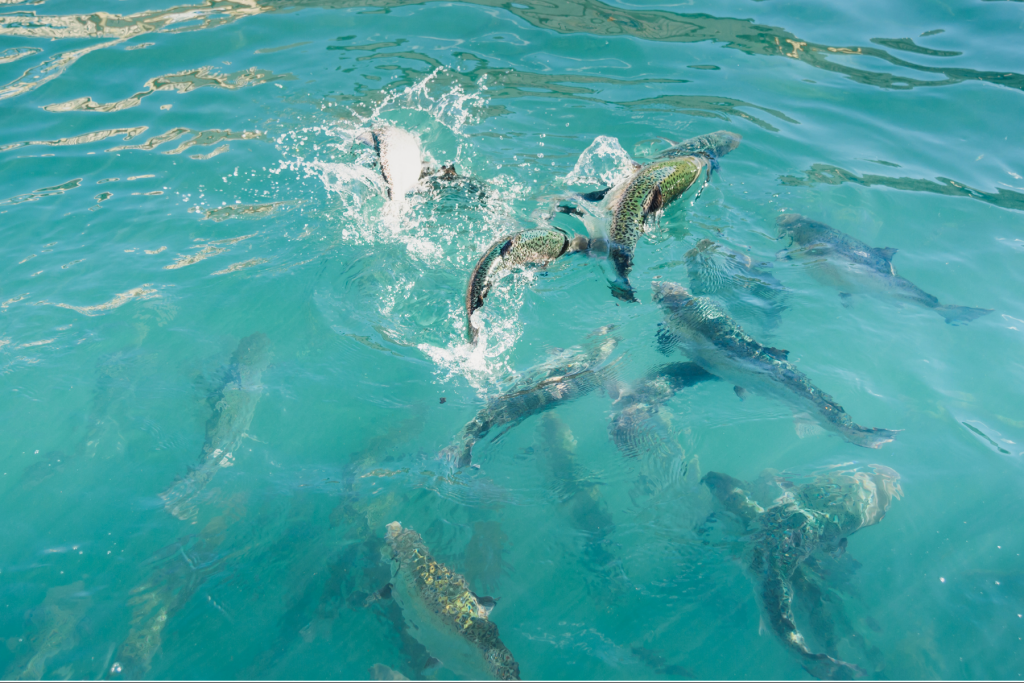
Closes the presentation round The War of the Worlds: Sea lice vs. Salmon from the deputy director of Incar, Dr. Cristian Gallardo-Escárate, in which it will address the research currently being carried out to improve control strategies against the sea lice, one of the most common pathogens in salmon farming.
Current strategies to improve the fish resistance include additives in the feeds and genetic selection. However, the immune response to ectoparasites involves the interaction with the microbiota community of the host during the infestation. To develop sustainable strategies in fish farming, it is essential to use the holo-genomic approach to discover the molecular interactions between the host, the parasites and their microbiome," added Dr. Gallardo-Escárate.
READ >> They seek to regulate genome editing
The in-person and free activity will start at 09:45 hours and attendance requires pre-registration, for which an email with name, occupation and institution details must be sent to the following email: centroincar@udec.cl
*Photo credit: courtesy of Incar Center.