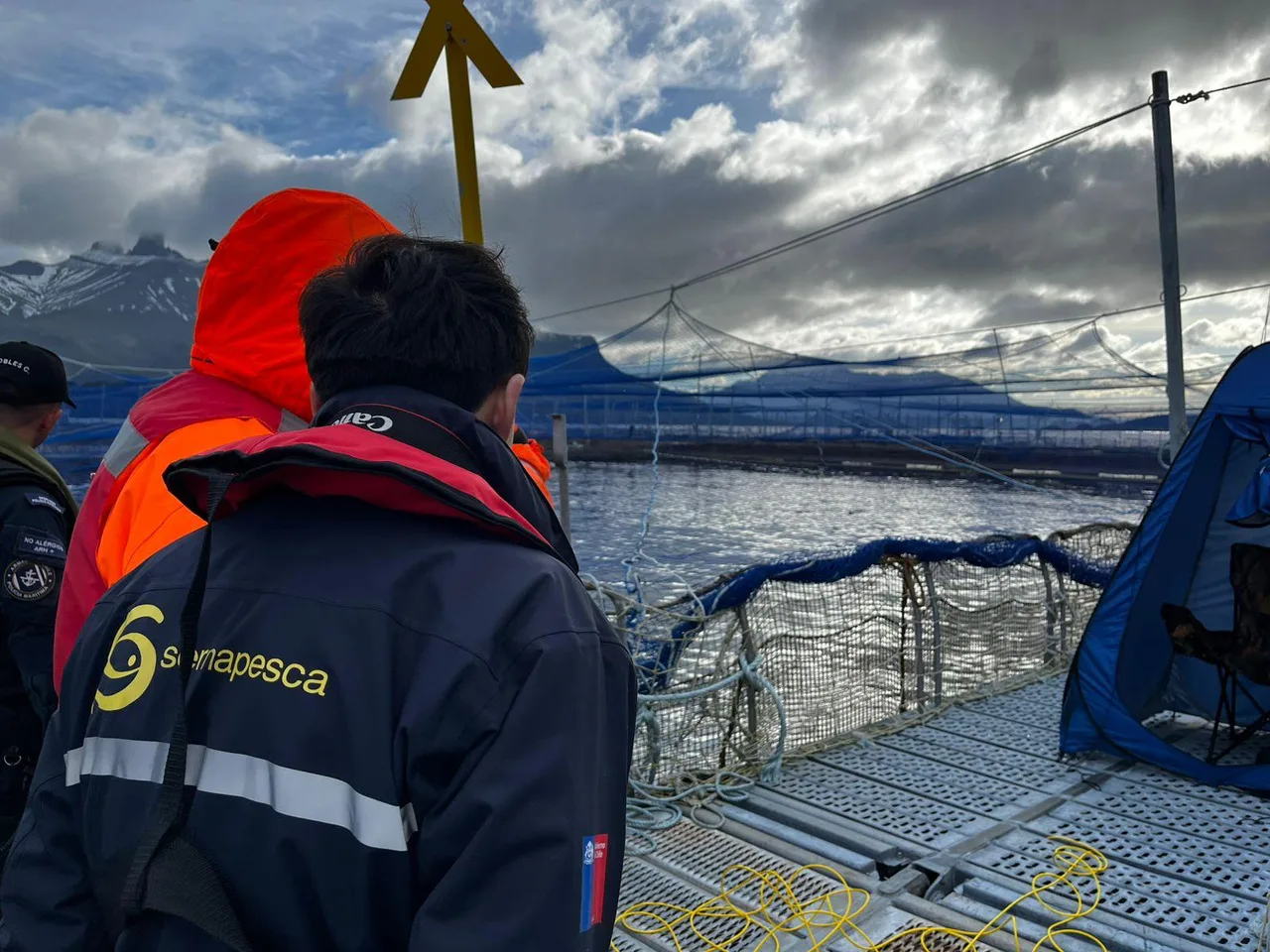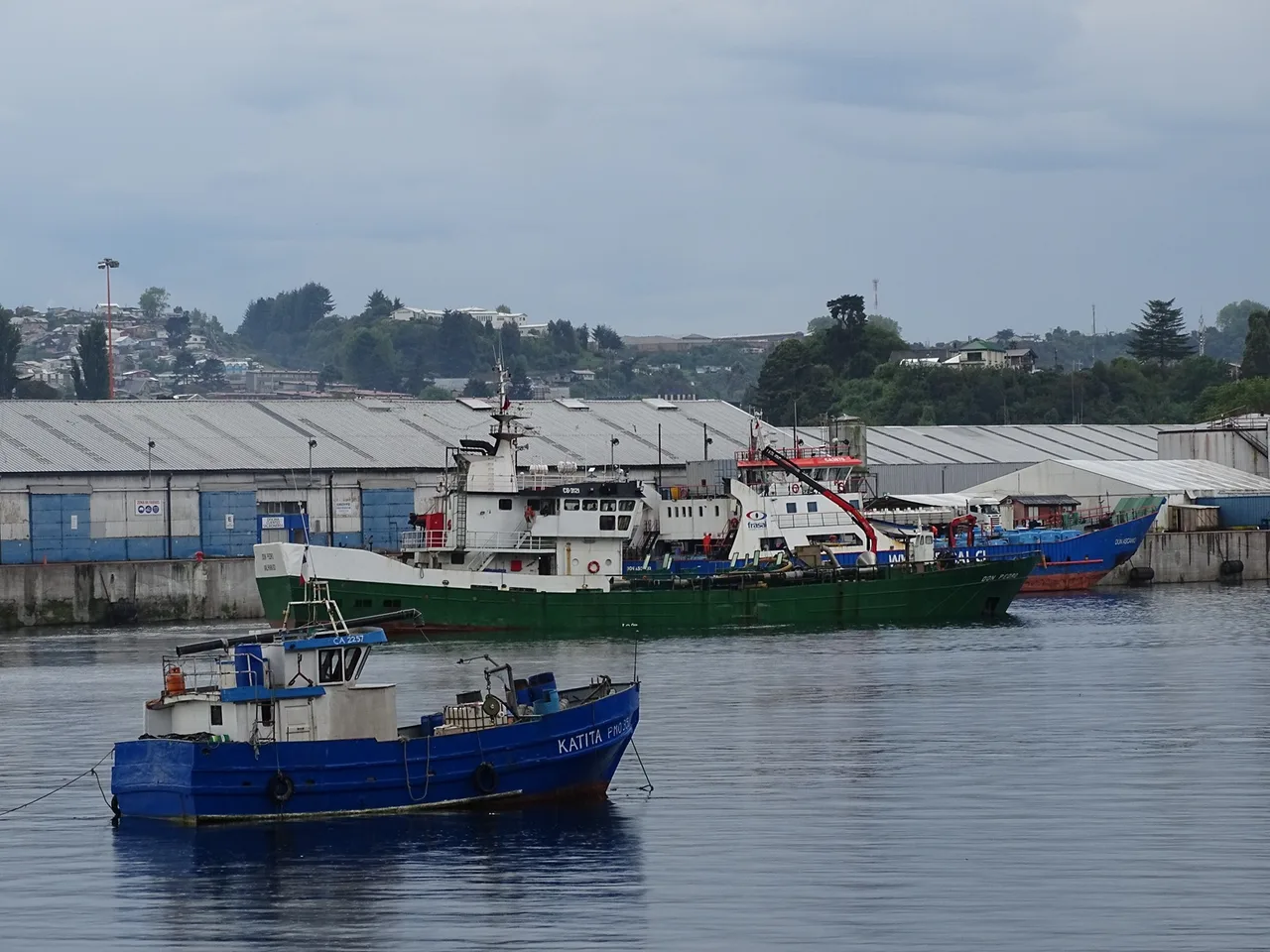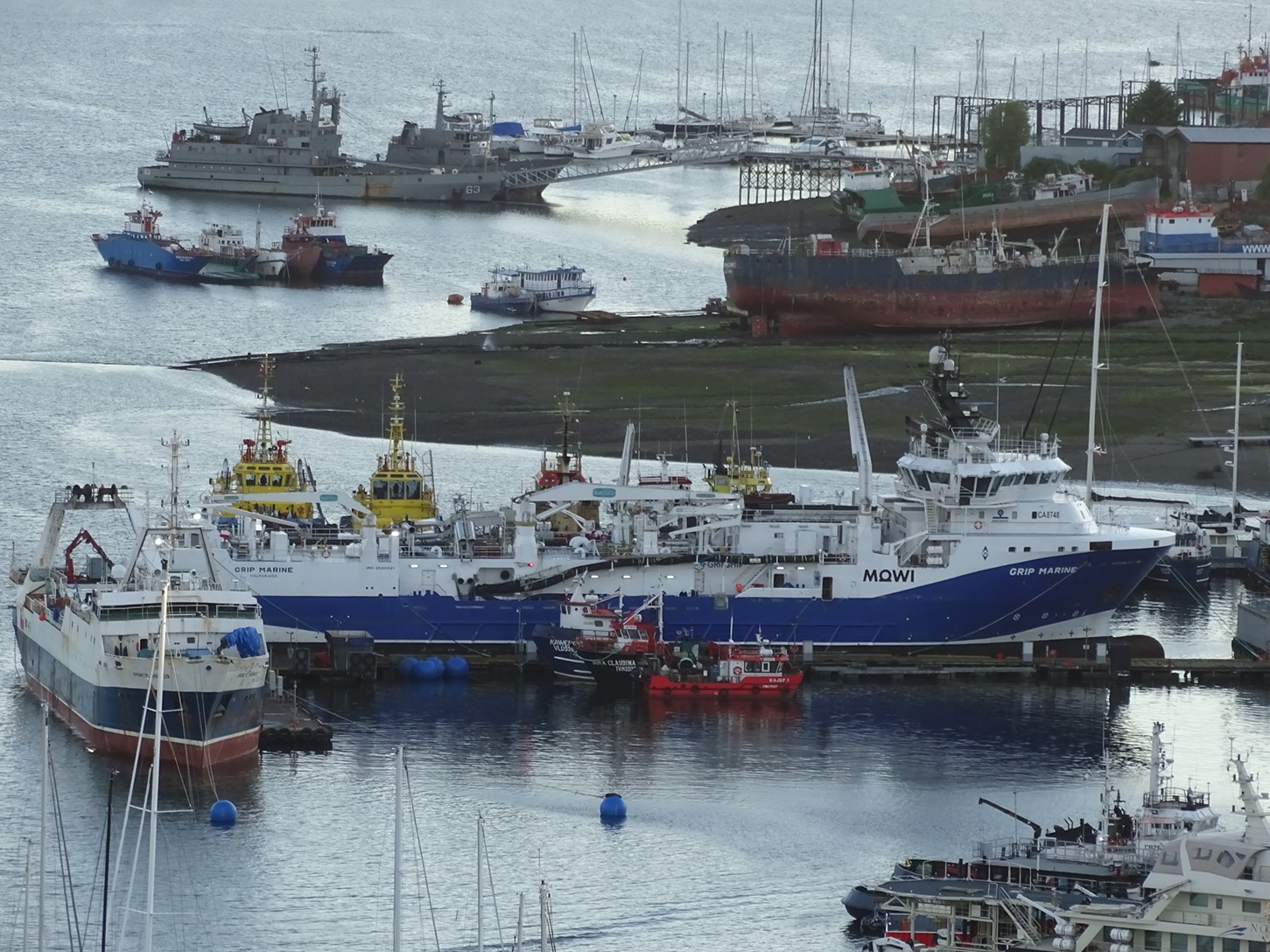
Weather forecasts for the spring-summer 2025-2026 season were addressed, the current regulations governing mass mortality events and the action plans of the companies involved, as well as technological advances implemented by the salmon farming industry to face these events.
The National Service of Fisheries and Aquaculture (Sernapesca) held a seminar aimed at the salmon farming industry in the Aysén and Los Lagos regions to work jointly and preventively in the face of possible mass mortality events caused by climate change and the La Niña event, within the framework of the work plan of the Interinstitutional Committee for Environmental Contingencies (CIICA).
This session aimed to strengthen the implementation of the measures of the current environmental pre-alert and preventive actions to face possible environmental contingencies due to harmful algal blooms.
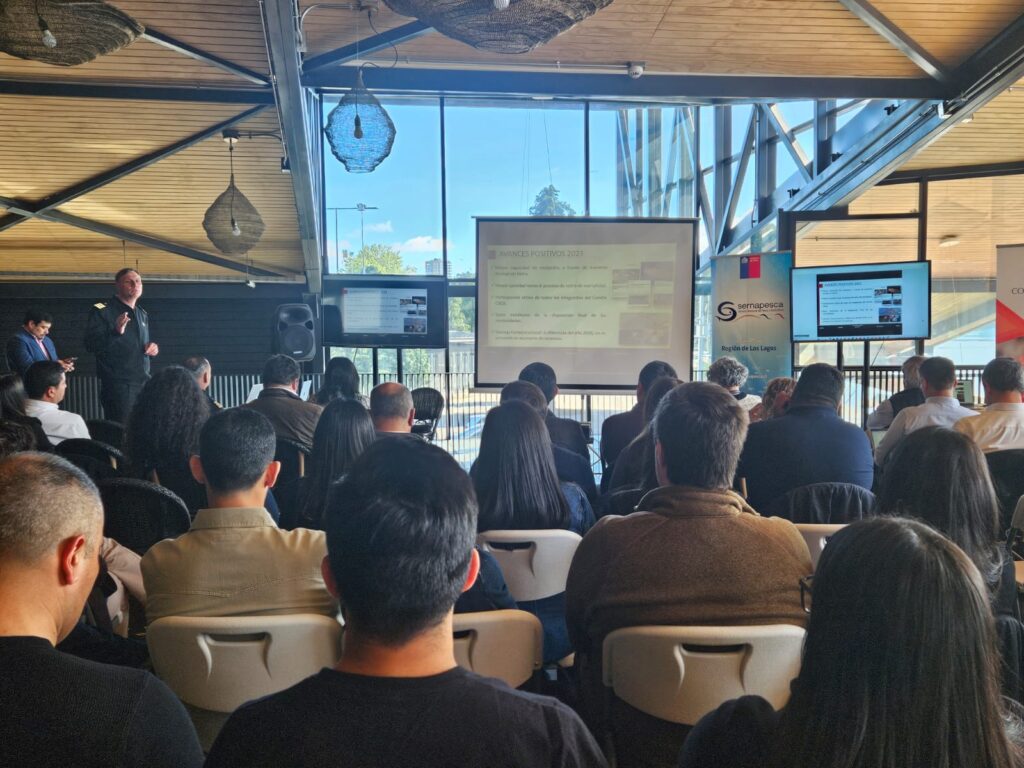
The first working day took place in Puerto Aysén on Tuesday 11 November and the second was held in Puerto Montt on Friday 14 November where weather forecasts for the spring-summer 2025-2026 season the current regulations governing mass mortality events and the action plans of the associated companies as well as technological advances implemented by the salmon farming industry to face these events.
According to information provided by IFOP, currently the conditions are considered neutral associated with a La Niña event, without clarity regarding the evolution of the conditions and their relationship with possible increases in sea surface temperatures and harmful algal blooms (HABs), therefore it is fundamental to continue with permanent monitoring of the area.
Mónica Rojas, deputy director of aquaculture at Sernapesca, said: "They were two very beneficial days, where a joint and collaborative work was coordinated by the public institutions, and the commitment from the industry to alert in case of any variation in their measurement parameters. It is important that we have these preventive work sessions so that from the public side we can face a possible event of" mass mortality in a quick, effective and safeguarding manner, above all, the marine environment, and on the industry side, to improve and update their plans for proper and efficient management of mortality.