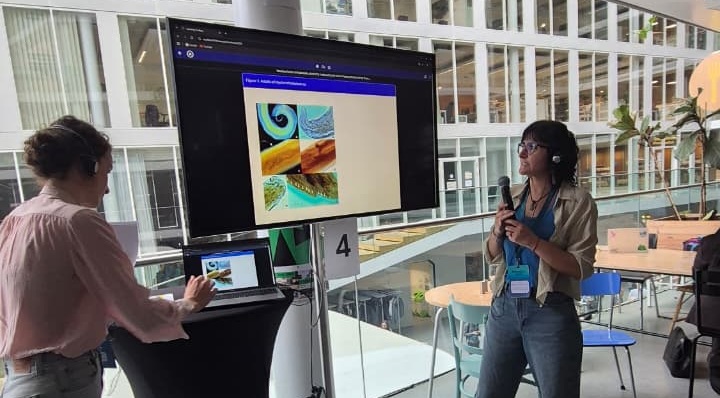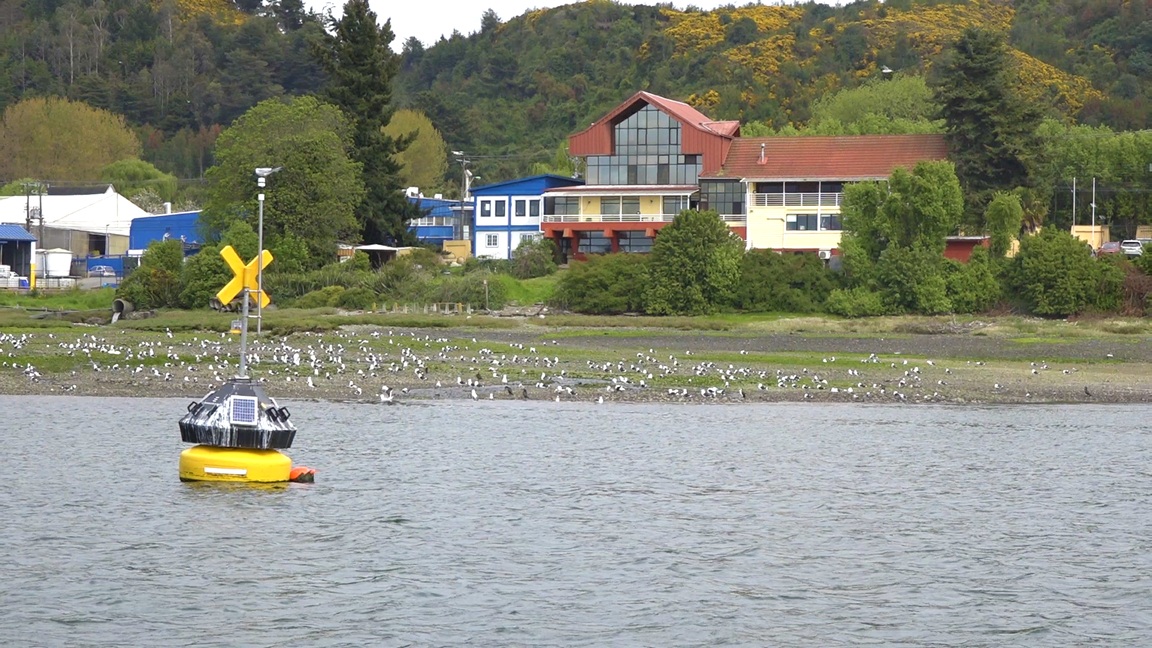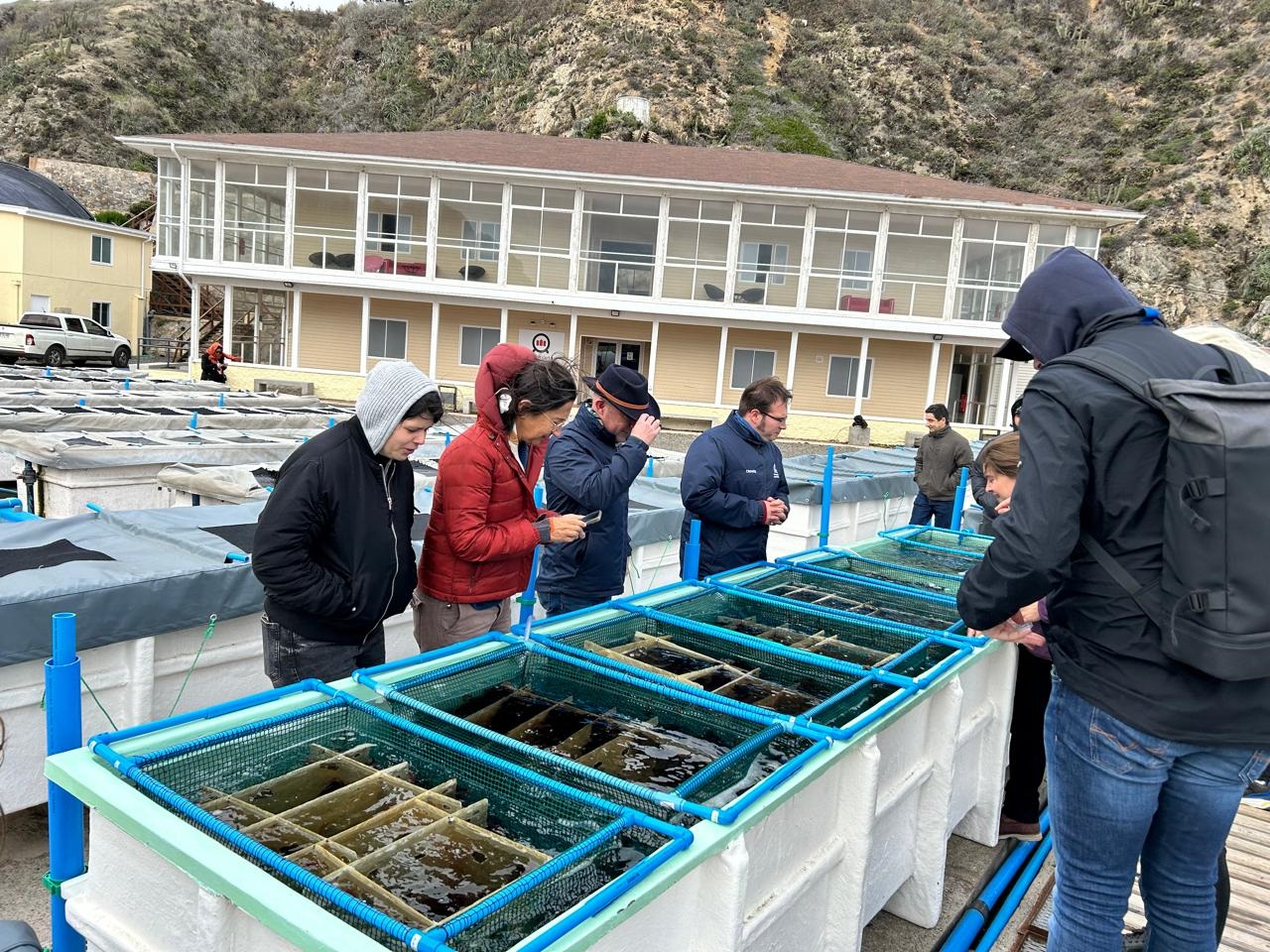
As part of the closure of the project Sustainable Horizons: European Universities designing the horizons of sustainability (SHEs), representatives of universities in Europe recently visited the Marine Research Center QuintayUniversity of Andrés Bello, UNAB.
Through this initiative, the aim is to intensify long-term cooperation and disseminate excellence through the exchange of knowledge and experience in different fields of scientific research (from technical, social and economic sciences to environmental sciences, hydrology and oceanography) with sustainability as the main axis within the Consortium, created in 2019. For its part, the project also has an important component of institutional transformation, with special emphasis on gender equality and the promotion of Open Science or open science.
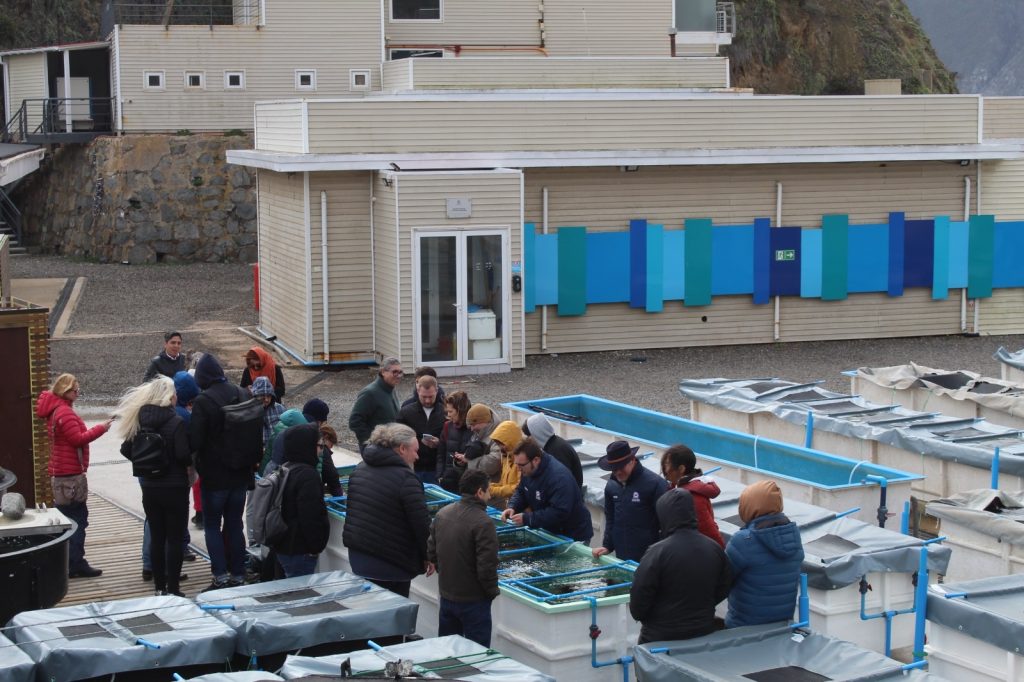
The project is coordinated by the University of Algarve, Portugalwithin the framework of a consortium of five additional universities: University of Life Sciences King Mihai I (Romania); University of Huelva (Spain), University Tomas Bata (Czech Republic), Lab University of Applied Sciences (Finland) and Ludwigshafen University of Business and Society (Germany). In the framework of this project, the Andrés Bello University (UNAB) formalized its association as an associate, which translates into a valuable commitment to its research performance and its work in institutional transformation within sustainability.
In this context, visitors carried out activities at the Andrés Bello University and in the country, culminating in the CIMARQ units, where they were received by the director of the Centre, Dr. Juan Manuel Estrada Arias. The researcher explained the relevance of this visit, stressing that "it is very important to be able to know first-hand and on the ground as in European countries is progressing to promote the sustainability of marine ecosystems, considering in this, the promotion of open science and gender equality".
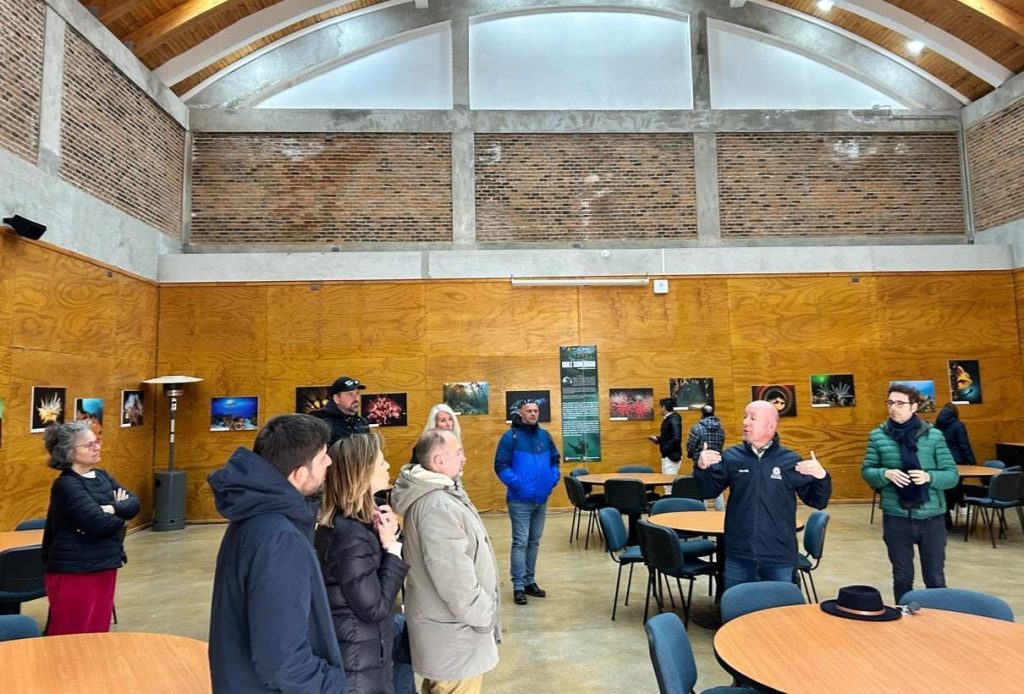
Estrada stressed that the experience of these outstanding researchers, both in Europe and in Africa, and the participation in this project of Chile - through UNAB-, opens perspectives of collaboration in key aspects, "as are the study and recovery of bleached funds, coastal ecology, repopulation and in sum how, as a country we prepare to face and solve ecological imbalances that harm not only to an important sector such as artisanal fishing, but also to the entire national population, by putting food security at risk.”
The director of CIMARQ invited visitors to know in detail the cultivation of red urchin and the advances of the program of Repopulation and Sustainable Craft Fishing V Region, while the professor titular of the Faculty of Life Sciences of the Universidad Andrés Bello and academic of CIMARQ, the Dr. José Pulgar Eagle, commented that “UNAB is a partner of this consortium and has received, through our relationship with the director, Dr. Alexandra Theodosio, a strong impulse to the actions that has to do with sustainability that our university develops".
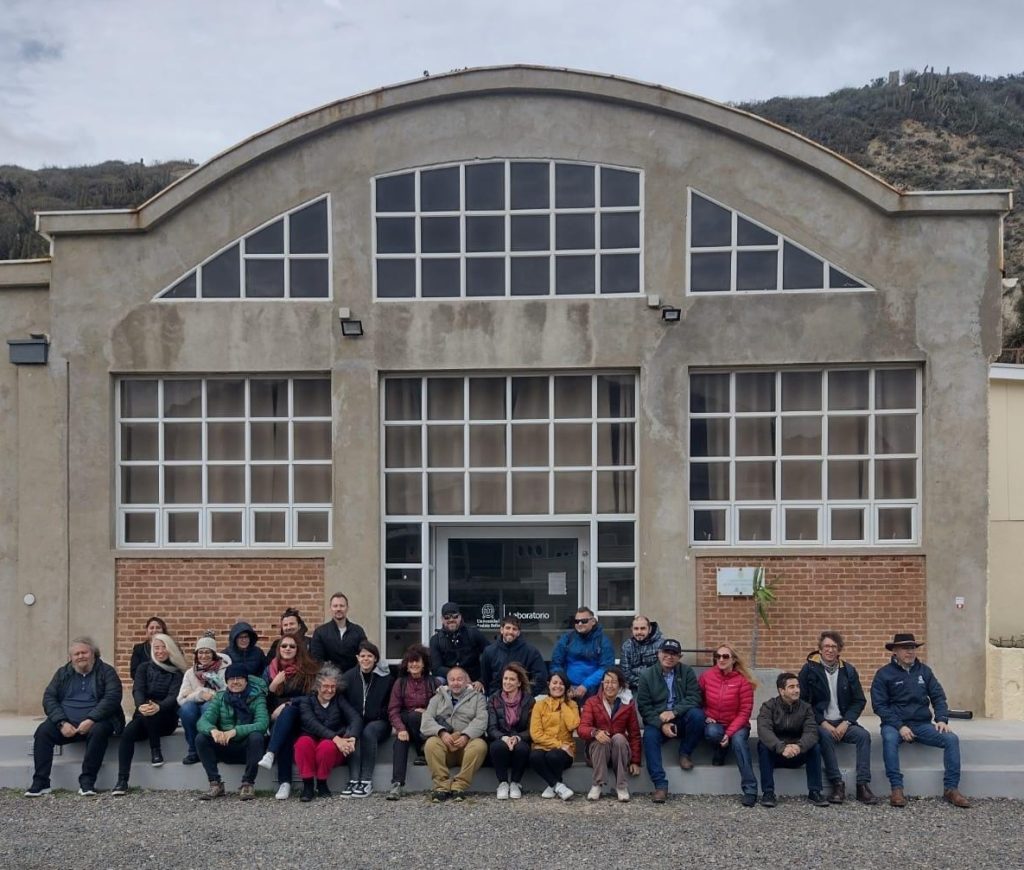
Dr. Pulgar added that they have developed a job for several years with Dr. Theodosio in Portugal, which addresses "primarily the development objectives SDG 14 (Conserving and sustainably using oceans, seas and marine resources for sustainable development); and in the last time the development objective No. 2 (Zero Hunger), studying the world's most productive ecosystems that coincide on the Chilean coast with the Humboldt current and on the Iberian current where Portugal and part of Europe are located.”