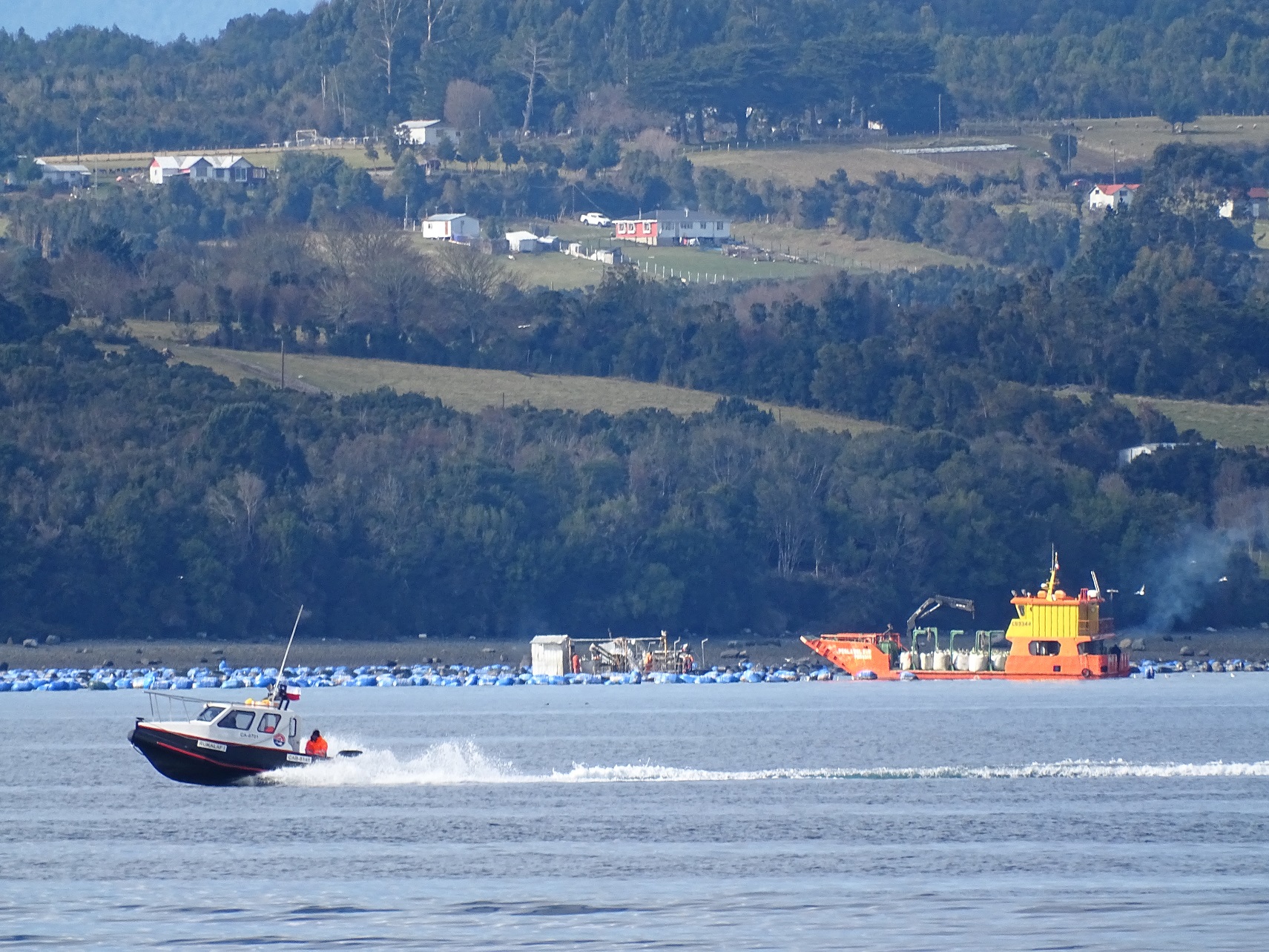
SiVAR-Austral combines atmospheric modelling with Artificial Intelligence to forecast wind speed and direction in the southern part of Chile. Thanks to its innovative design, the system significantly reduces processing times and achieves a spatial resolution of a few hundred meters.
In a region where the wind can make the difference between sailing or staying on land, a new technological tool promises to transform navigation planning, aquaculture and response to climate emergencies in southern Chile. It is SiVAR-Austral, an advanced meteorological prediction system developed by the universities of Valparaiso and La Frontera, in collaboration with the Weather Service of the the Navy (Servimet) and the Fisheries Development Institute (IFOP), as partner institutions. The system, which already shows concrete results, will soon be available for public use.
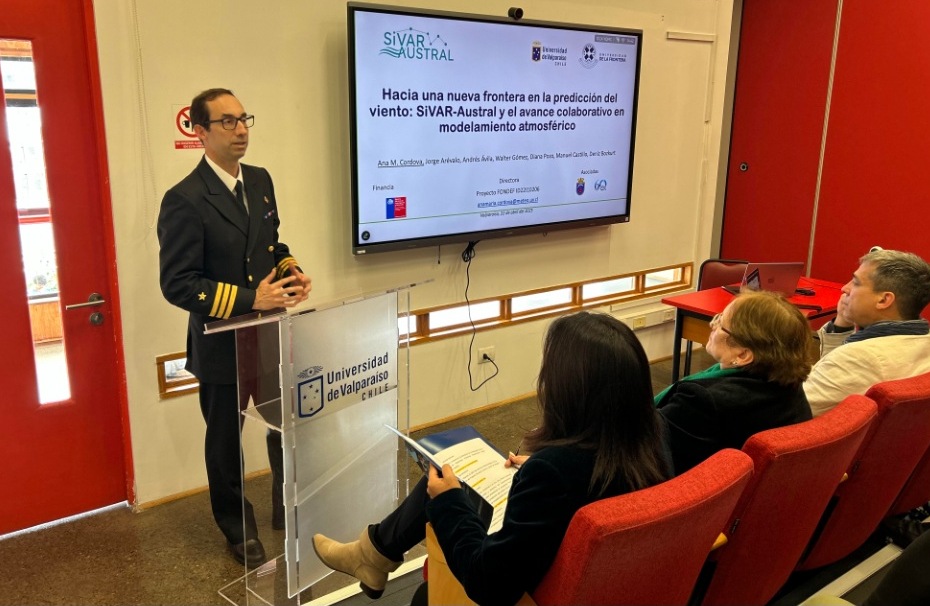
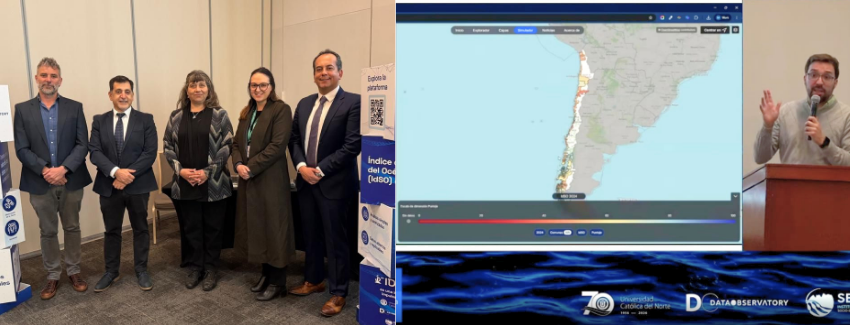
The project, funded through the IDeA R & D 2022 Competition of the National Agency for Research and Development (ANID), stands out for its focus on applied science and collaborative work. Its official presentation took place during the closing ceremony of the project, which was attended by the Dean of the Faculty of UV Sciences, Marisol Tejos; the Director of UV Research, Francisca Rosenkranz, and the head of the Servimet, captain of Fragata Gonzalo Concha, as well as academics, researchers, officials of the Vice-Chancellorship for Research and Innovation of the UV and representatives of the associated institutions.
Local solution to a geographical challenge
As highlighted in the closing ceremony, the complex topography of the southern zone of Chile has historically been an obstacle to conventional weather forecasting models. Faced with this reality, the University of Valparaiso, in conjunction with the University of La Frontera and with the support of the Servimet and IFOP, developed SiVAR-Austral, a system capable of forecasting wind speed and direction with a resolution up to 333 meters.
“This system allows us to deliver more localized information, which is key in a region where a hill can separate an area of strong bursts from a completely quiet one,” explained Dr. Ana María Córdova, director of the Meteorology Department at the University of Valparaiso and principal director of the project.
“It’s a breakthrough that can make a difference for those who depend on shipping, aquaculture production or responding to climate emergencies,” he added.
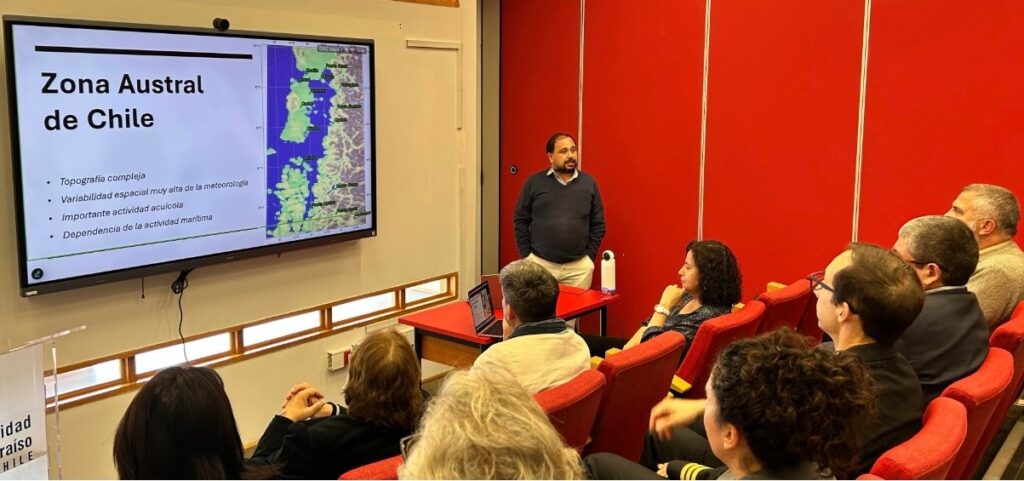
The system is based on an improved configuration of the WRF model (Weather Research and Forecasting), which was complemented by three models of machine learning developed especially by researchers from both universities. This technology allows to reduce the processing time of forecasts from several days to less than an hour, without losing precision.
“We managed to develop three different models that emulate the behavior of the physical model to hyper resolution, with a comparable margin of error. This allows you to choose the best or even combine them to get the most accurate forecast possible,” said Andrés Ávila, researcher at the University of La Frontera. “And most importantly, it is a technology developed in Chile, by public and regional universities, responding to our their own needs,” he said.
Impact on everyday and productive life
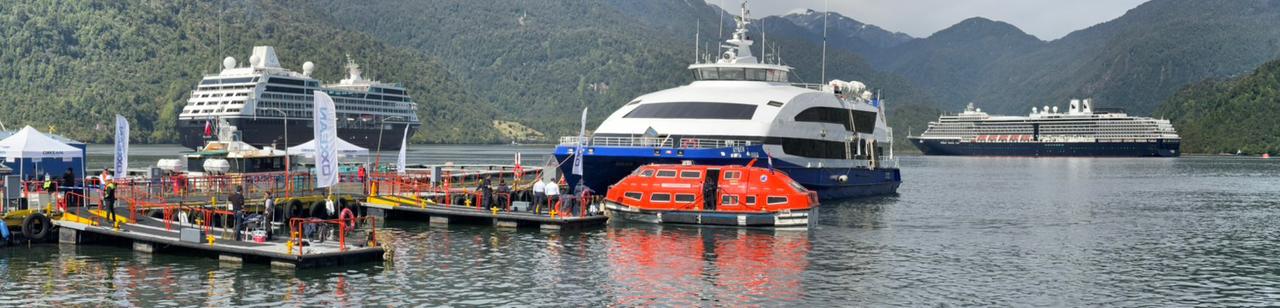
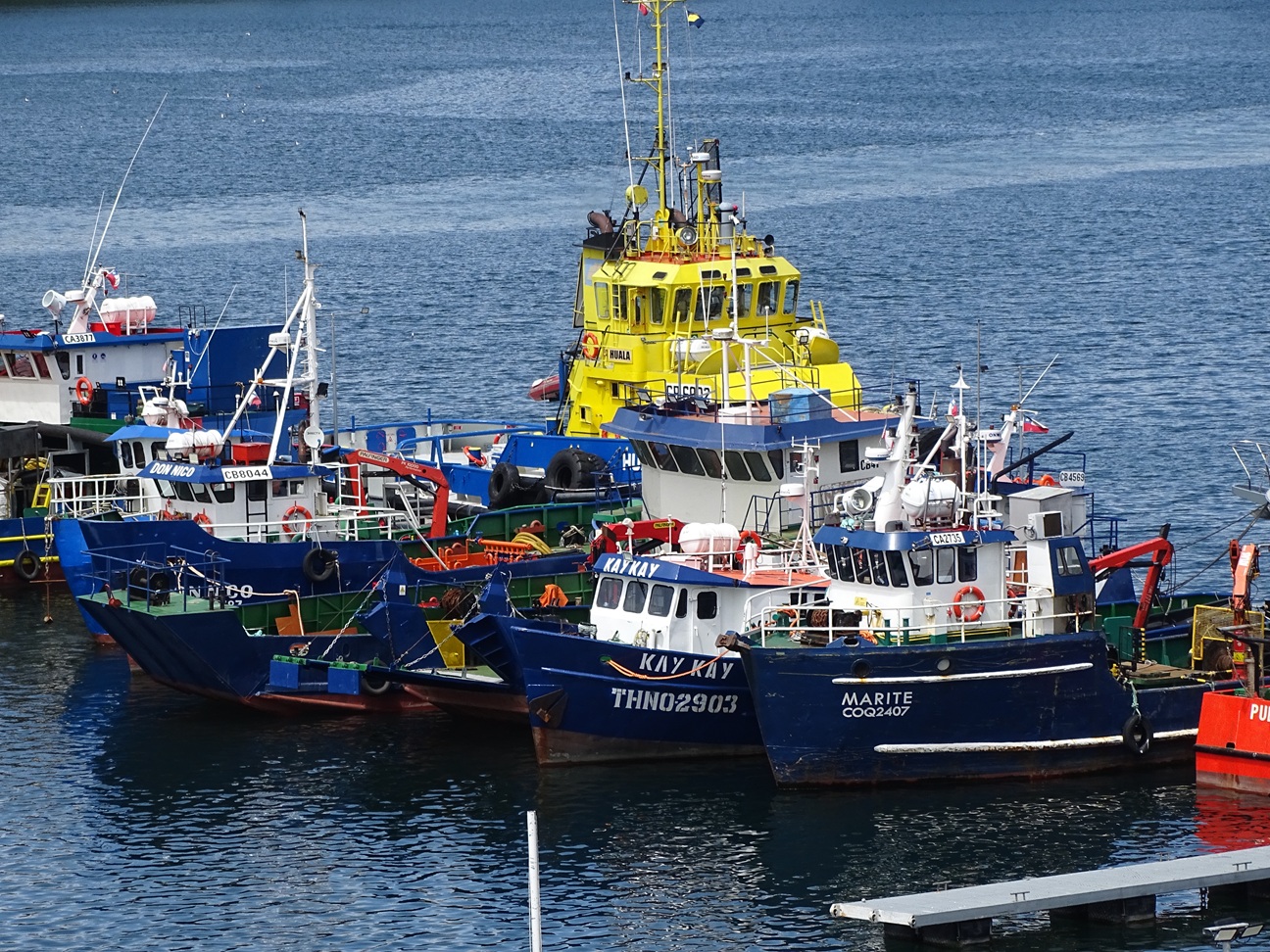
The captain of Fragata Gonzalo Concha, for his part, underlined the relevance of the project for the multiple maritime users of the southern zone: “It will be of great use to us as the Weather Service, as well as to the wide range of users, from artisanal fishermen to salmon companies and local communities. This improves security and allows for more informed decisions.”
The impact of the system is not limited to the productive sphere. As Dr. Córdova explained, in many southern localities people depend on navigation to access basic services such as health and education. “When there are intense wind events, the ports close. If we manage to make more localized forecasts, we will avoid unnecessary closures and improve the quality of life of these communities,” he said.
A tool open to the country
The web platform that will host SiVAR-Austral forecasts is in its beta phase and, after more thorough validation, will be available through the Navy Weather Service site. This will enable both professionals and the general public to access information in a timely and free manner.
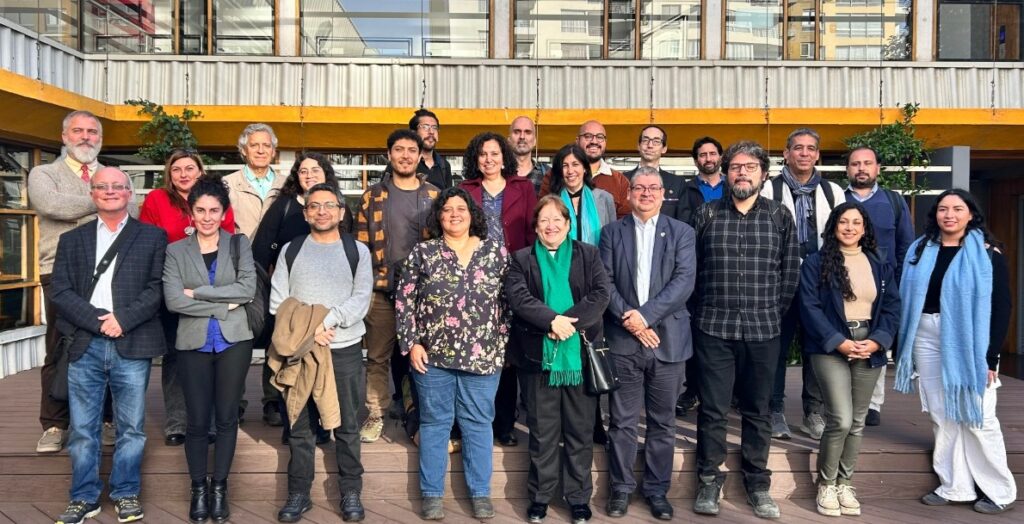
For the research team, this project also represents a sample of the potential of applied science when working collaboratively. “Science doesn’t just have to stay in laboratories or publications. Here we are seeing how it can have a direct impact on the safety, productivity and quality of life of thousands of people,” concluded Dr. Córdova.
During the closing ceremony of the project, the following researchers presented the main advances and results of the initiative: Dr. Ana María Córdova opened the exhibitions with the talk “Towards a new frontier in the prediction of the wind: SiVAR-Austral and the collaborative advance in atmospheric modelling”; then Dr. Jorge Arévalo, alternate director of the project and researcher of the same department, addressed the topic “Hyper operational resolution with WRF and machine learning: the path traveled by SiVAR-Austral”; later, Dr. Iván Pérez Santos, researcher associated with the IMAR R & D Center of the University of Los Lagos, presented the presentation “Scales of wind variability and response of the water column to synoptic events in the southern region of Chile” ; finally, Dr. Andrés Ávila, researcher of the Department of Engineering Mathematics from the University of La Frontera, presented “Data Science for the Territory: Artificial Intelligence and Inter-University Collaboration in the Face of Climate Challenges.”