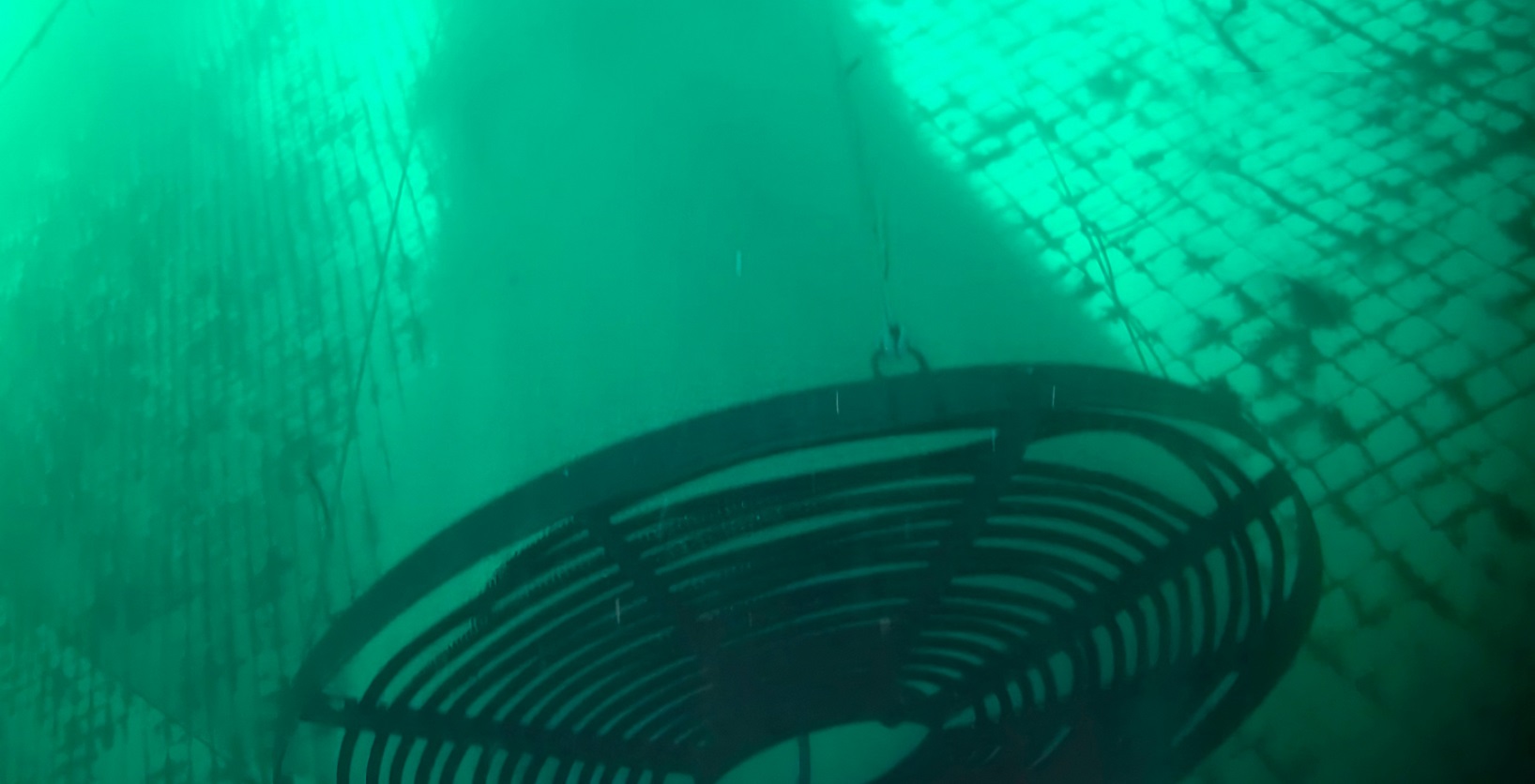
Since the middle of the last century, the oceans have experienced a gradual increase in temperature, which has recently been intensifying, negatively affecting marine ecosystems. Facing this challenge, the company PSP Chile has developed effective solutions to mitigate these impacts and protect the marine environment.
What is an emergency system?
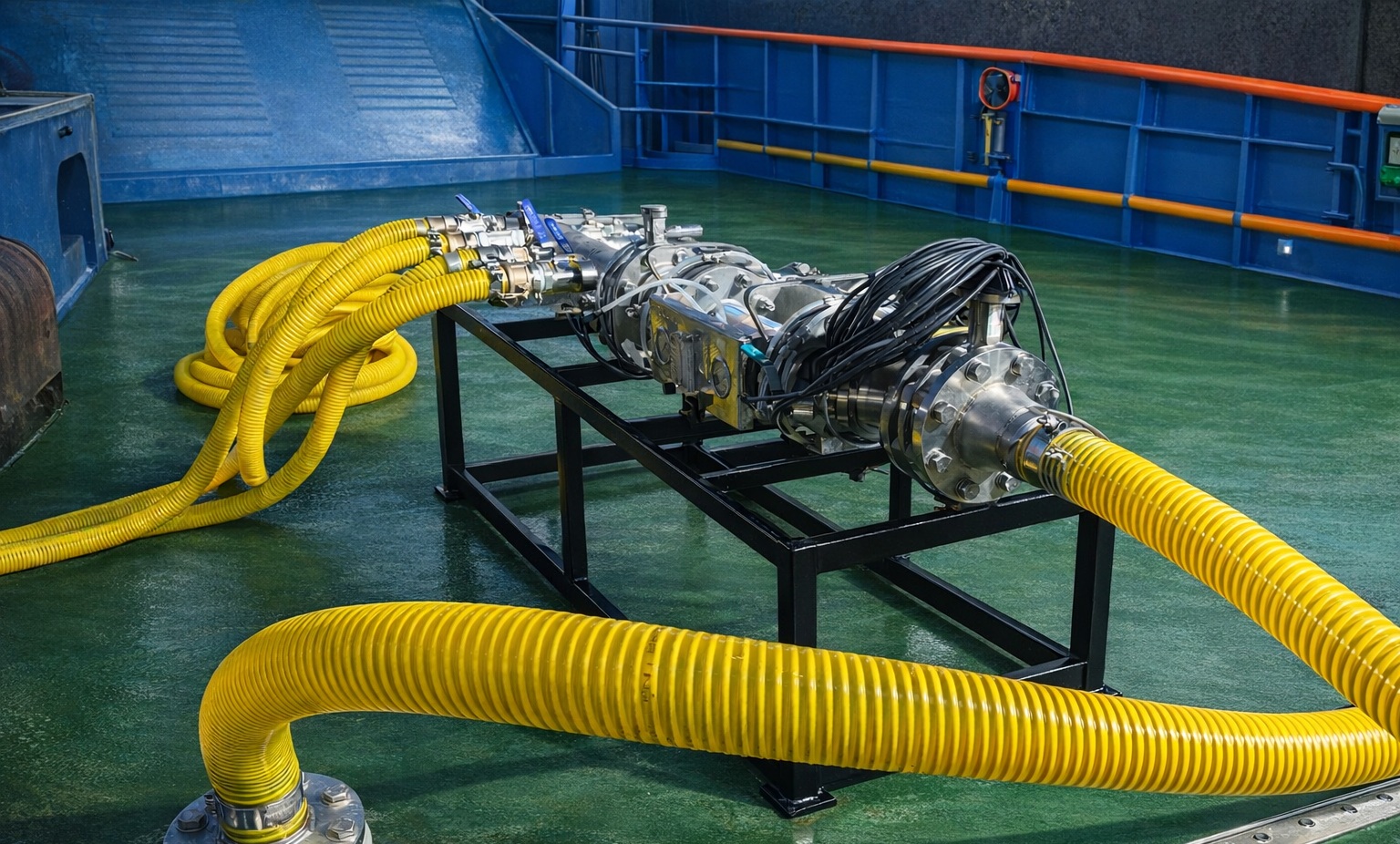
The process involves injecting air into the bottom of a body of water in order to create an air/water column that allows the bottom water to mix with the surface water. In this process, millions of air microbubbles are involved, which as they rise transfer oxygen to the water, achieving a natural balance with the environment.
Microbubbles not only transfer oxygen, but also move, mix, clarify, destratify and purify the water by oxidation. The size of the bubble is very important for its correct application.
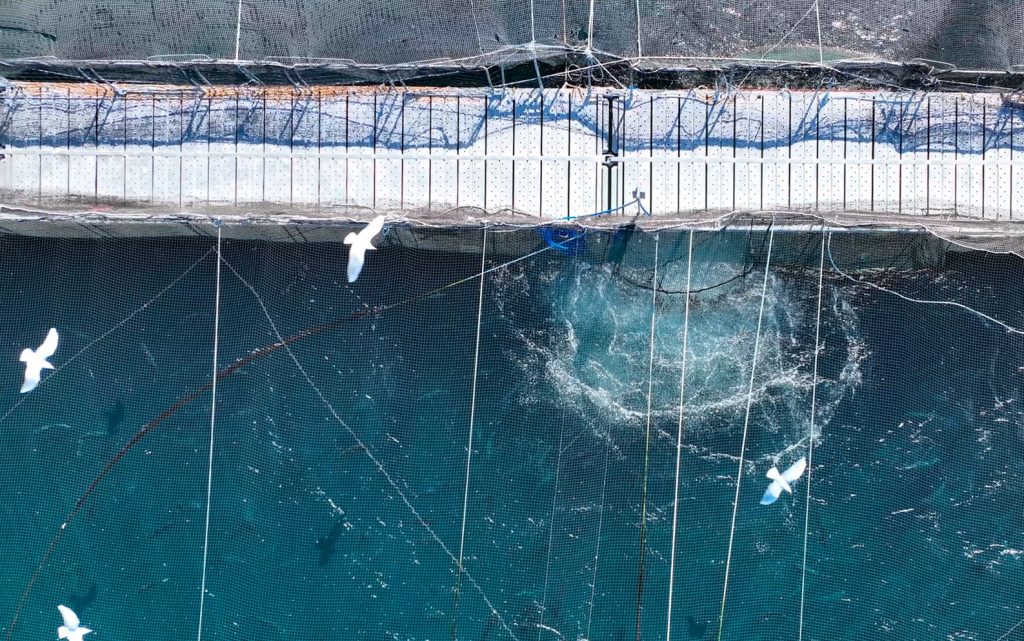
This process not only improves water quality, but also keeps microalgae blooms out of protected areas, being used in this case as a complement to the PCM or Compact Microbubble Screen.
Matías Rodríguez, commercial manager of PSP Chile, points out that "the latest installations and field tests have allowed us to validate this technology and its uses throughout the entire production cycle. It is not only effective during the FAN season or when high temperatures occur, but also allows intensive use throughout the year".
Applications:
Improve water quality:
- Oxygenation, aeration and oxidation
- Recovery of the seabed
- High water renewal rates
Control of environmental conditions:
- Reduction of water temperature.
- Decreased currents.
Management of aquatic biology:
- Reduction in phytoplankton concentrations.
- Decreased photosynthetic activity.
With a development of 100% Chilean engineering and a team of specialized installers that guarantees excellent performance, the emerging technology of PSP Chile represents a sustainable solution to the challenges of climate change.