To date, 11 farming centers have been affected and have activated their preventive action plans against FAN.
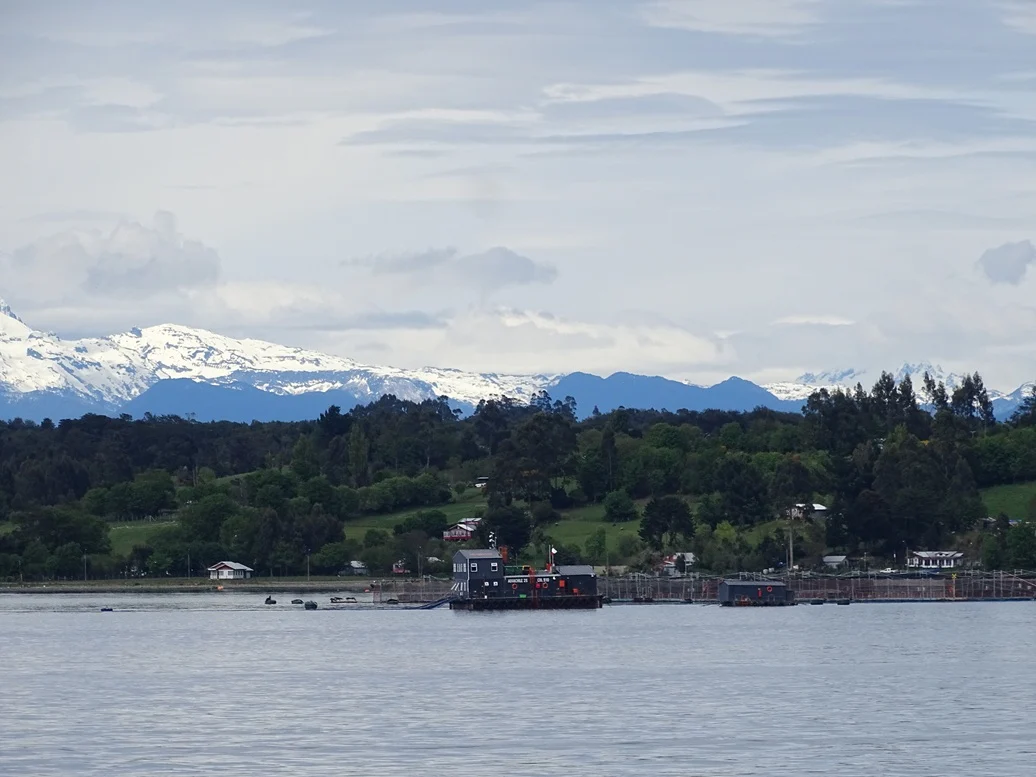
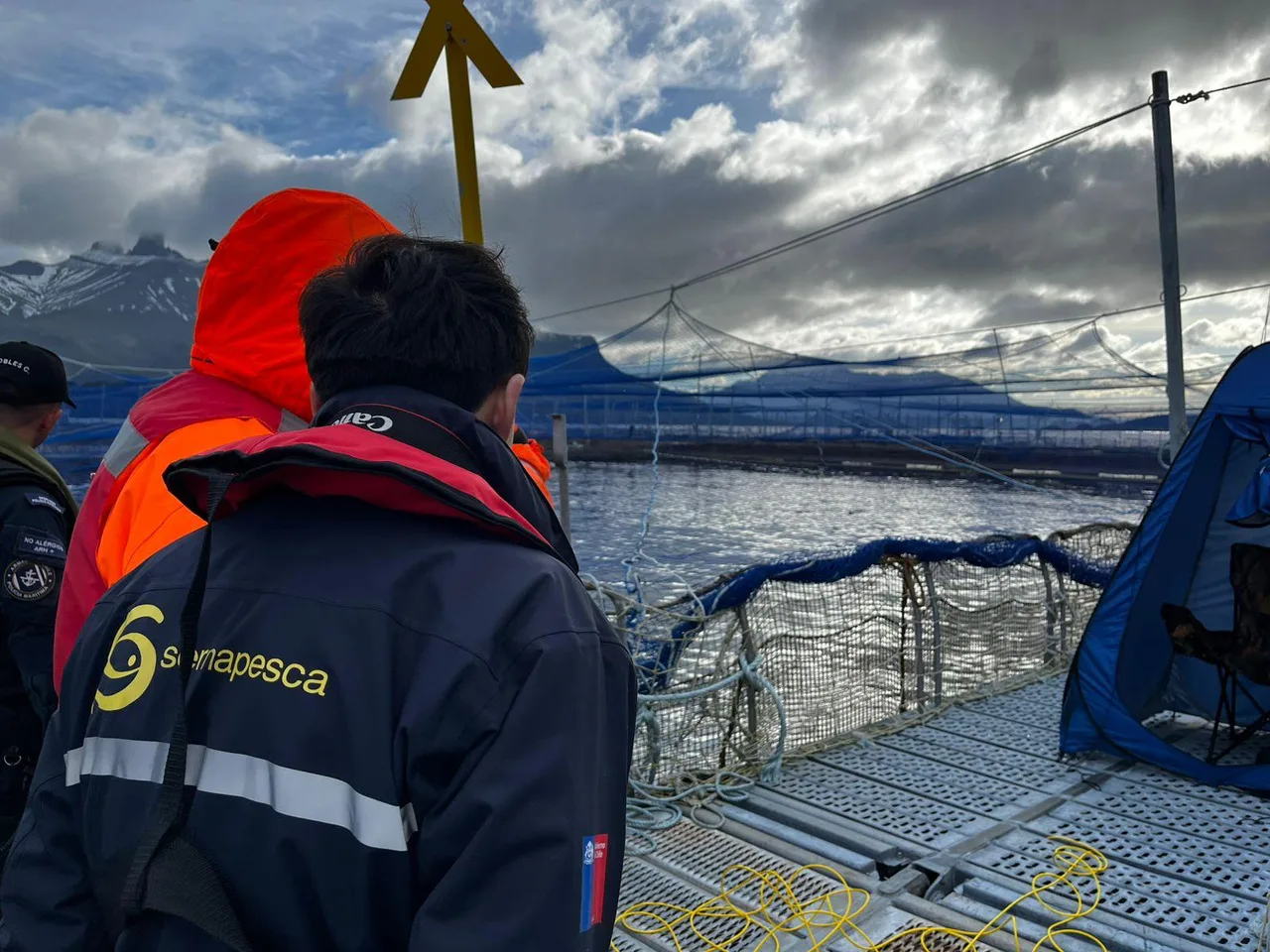
Within the framework of coordination actions in response to harmful algal bloom (HAB) events, which have occurred in the southern zone of the country, the National Service of Fisheries and Aquaculture (Sernapesca) held a meeting with representatives of salmon farming companies and service providers to the aquaculture sector. This, especially following the detection of the Heterosigma akashiwo species of HAB, observed since March and which mainly affects the fish farming centers of the Salmonid Concessions Associations (ACS) 1 and 2 in the Reloncaví sound sector.
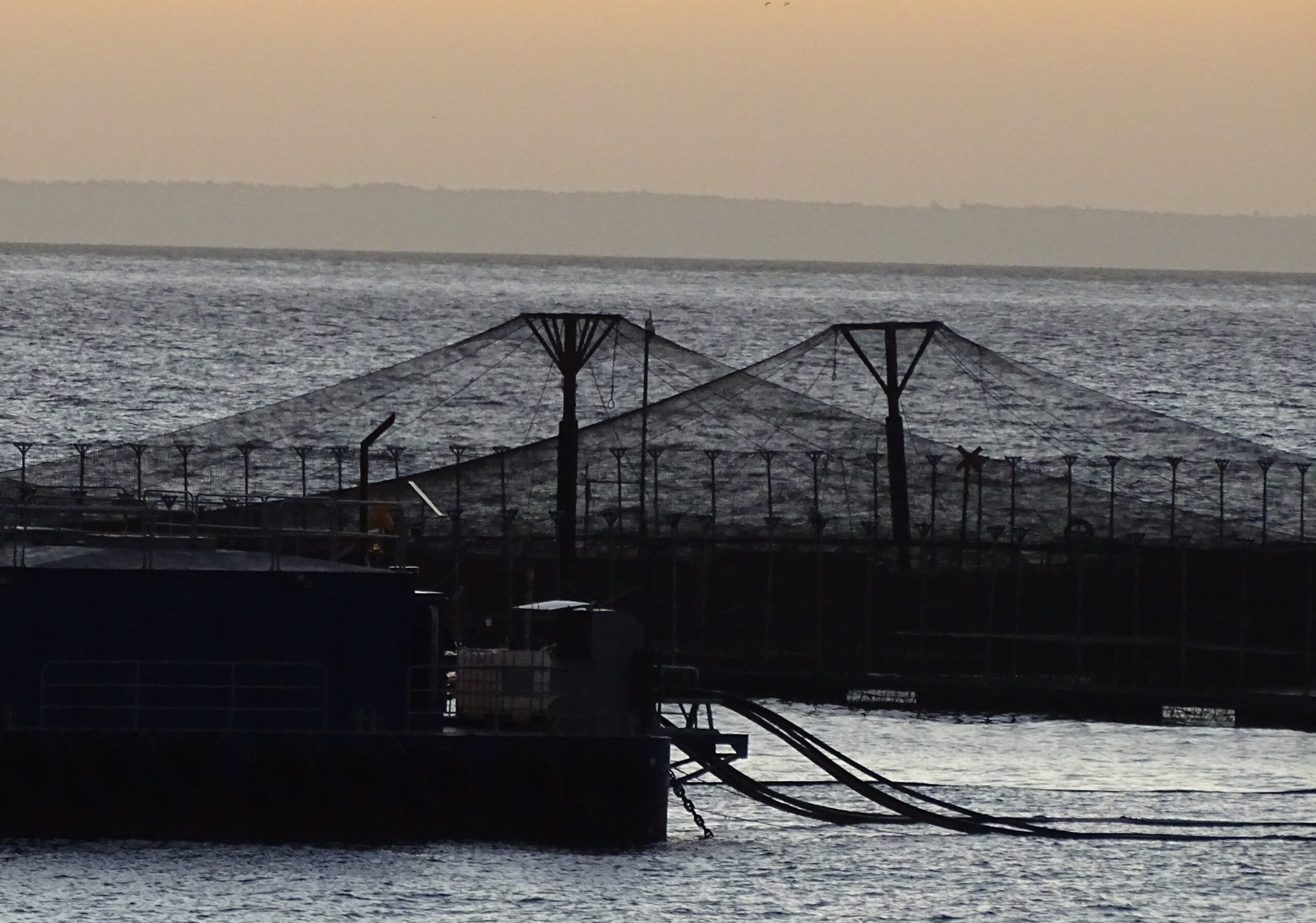
During the meeting, information was provided on the current situation in the area, reporting that to date 11 farming centers have been affected and have activated their preventive action plans against FAN. At the same time, the measures outlined in the current aquaculture pre-alert were reiterated, aimed at preventing mass mortalities of salmonids, such as the authorization of fish movement to other farming centers, authorizations of harvest and the increase in fish retention in collection centers, among others.
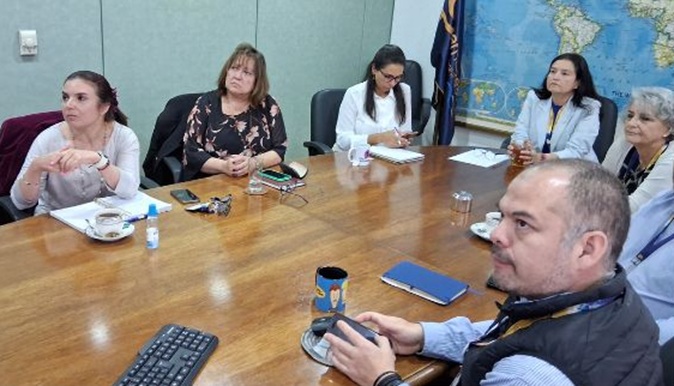
In this way, the procedures and contacts established are strengthened to channel the requests that are required by the actors of the aquaculture sector during the coming weeks. In the meeting also participated representatives from the Maritime Interests and Aquatic Environment Directorate (DIRINMAR) of the Chilean Navy and from the Undersecretariat of Fisheries and Aquaculture, in order to strengthen public coordination within the framework of Interinstitutional Environmental Contingencies Committee (CIICA)
Mónica Rojas, Deputy Director of Aquaculture at Sernapesca, highlighted the importance of these ongoing coordination efforts in the face of contingencies related to harmful algal blooms that may occur in the coming months: "The current scenario anticipates the arrival of the El Niño phenomenon with greater intensity, similar to what happened in previous years when there was significant impact on farming centers, therefore it is necessary" "strengthen coordination and preventive plans in this regard, not only with public institutions, but also with the aquaculture sector to act jointly in the face of any contingencies that may arise," he mentioned.