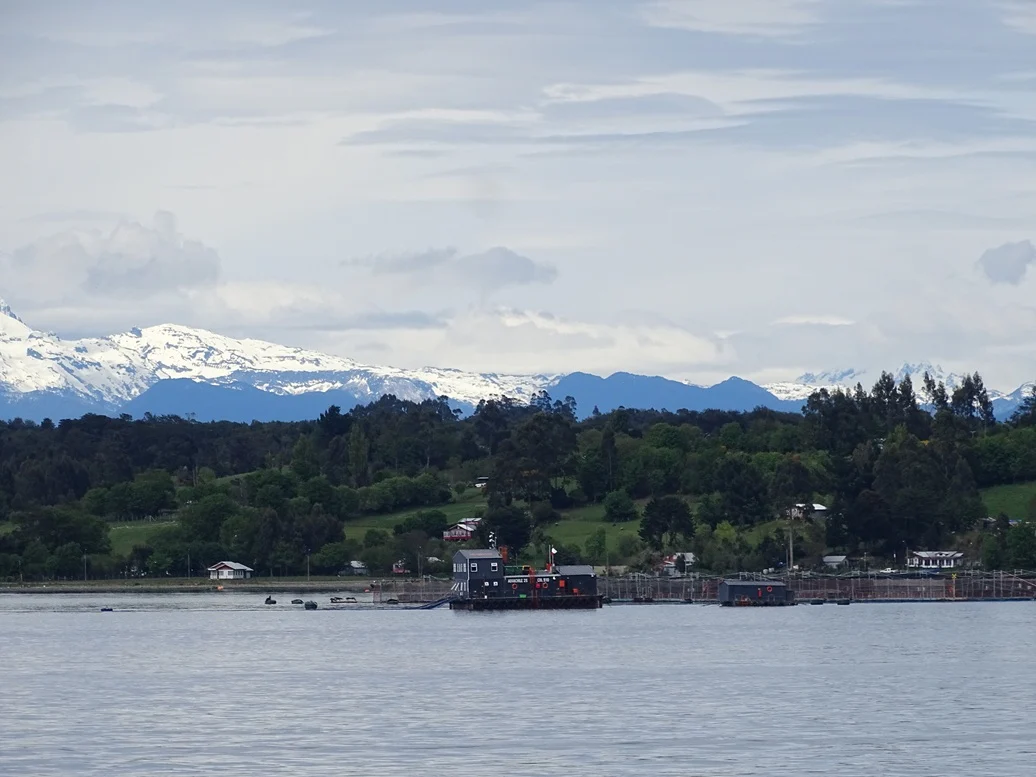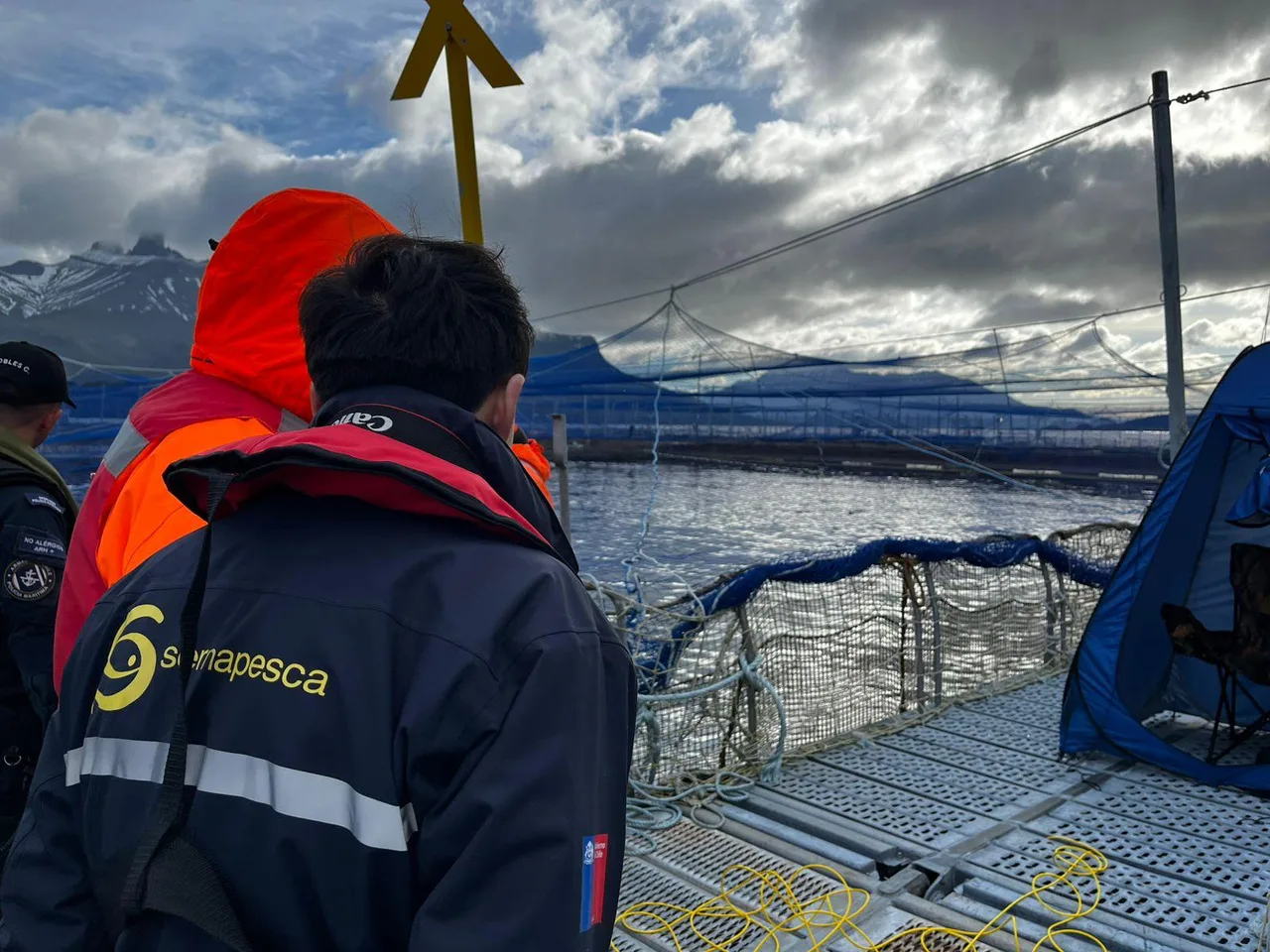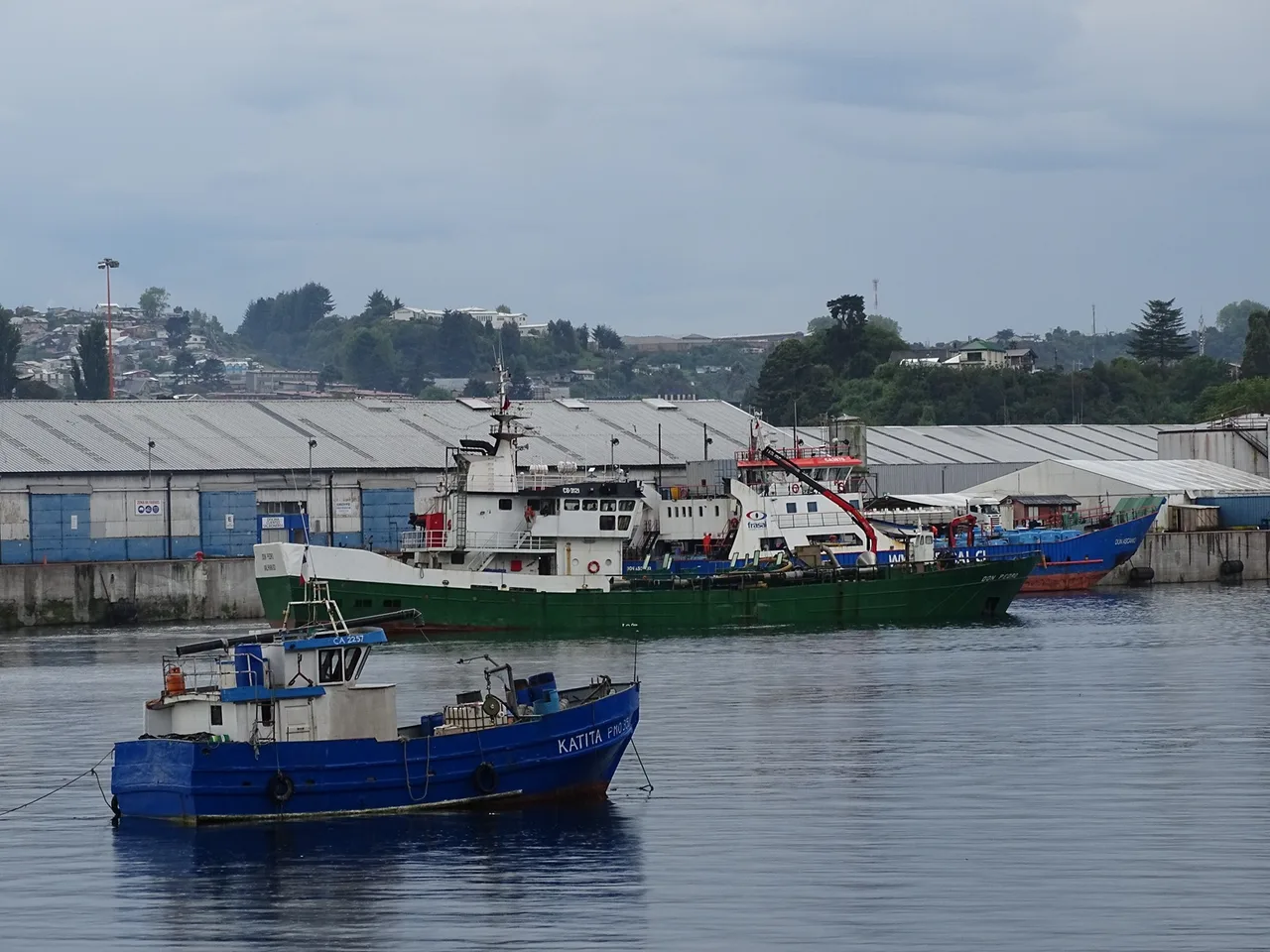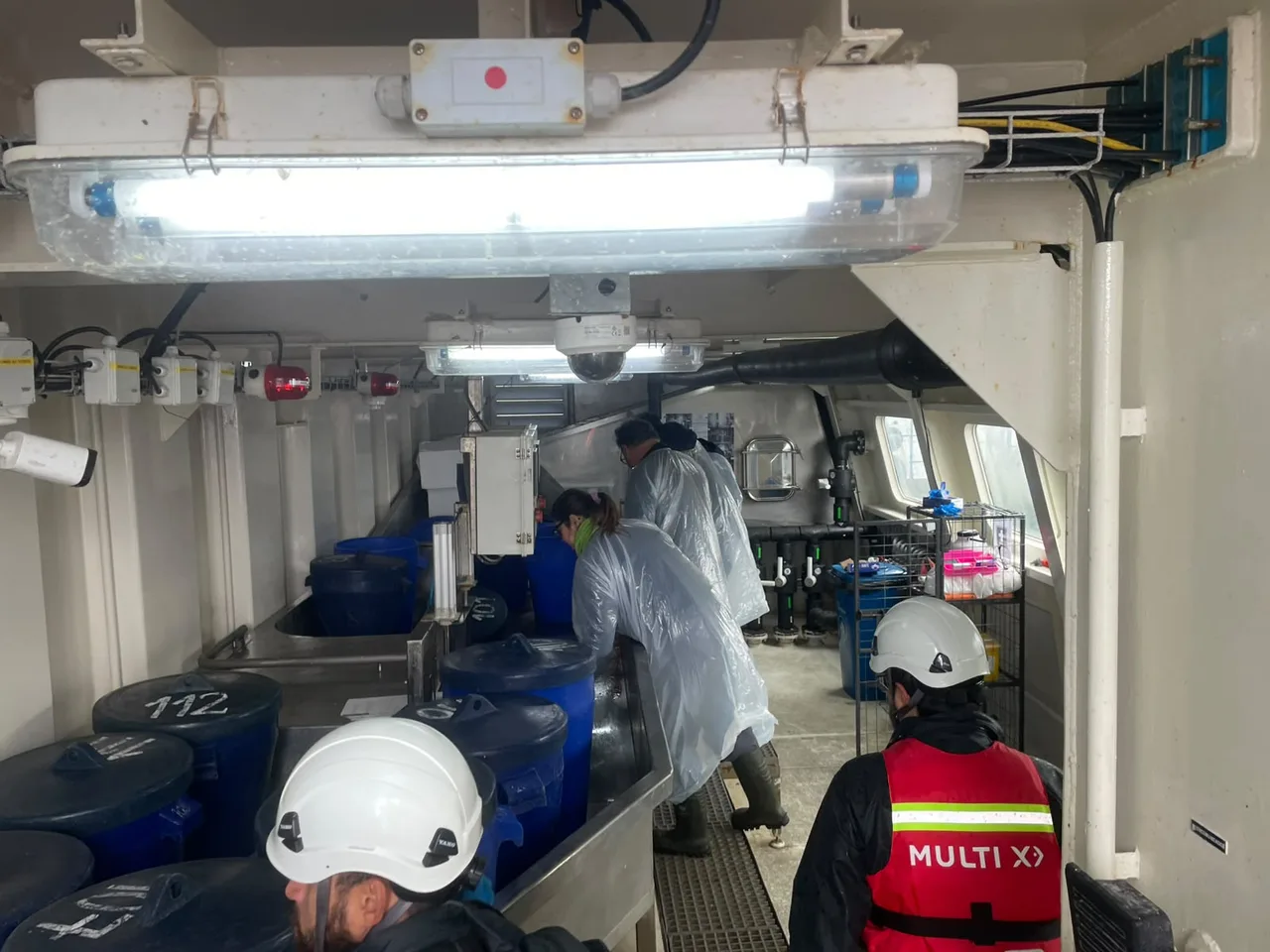
The agency has implemented the inspection of the affected cultivation center and the centers located in its surroundings, along with the monitoring of the harvest, transport and unloading of the fish.
In the face of the detection of the Infectious Salmon Anemia (ISA) virus at the Izaza cultivation center, located in the Salmonid Concessions Group (ACS) No. 20, in the Aysén region, the National Service of Fisheries and Aquaculture (Sernapesca) activated the surveillance and control actions established to prevent the spread of the virus.
Among the main actions implemented is the inspection of the affected cultivation center and the centers located in its surroundings, along with the monitoring of the harvest, transport and unloading of the fish. These activities are supervised by Sernapesca staff to ensure they are carried out under the required biosecurity conditions and in compliance with the current health regulations.
Similarly, through Exempt Resolution No. 2901/2026, Sernapesca established a sanitary zoning in the area, geographically delimiting an infected zone and a surveillance zone. This measure allows to focus and strengthen actions aimed at preventing the spread of the virus, including movement restrictions, additional biosecurity requirements and an increase in the frequency of sampling for ISA surveillance.
Daniela Leiva, regional director of Sernapesca Aysén, stated: "We are on site rigorously inspecting the compliance with all measures established to prevent the spread of the ISA virus. We will be emphatic in requiring companies to implement the control actions established by the authority in a timely manner and that these are carried out within the defined deadlines and under strict biosecurity conditions."
Sernapesca will continue to carry out the health monitoring of the situation and inspect the compliance with the established measures, with the aim of reducing the risk of virus spread and safeguarding the health condition of the farming centers in the area.