The update includes several preventive tools such as mandatory vaccination, a voluntary preventive management plan, the separation, once in the cycle, to reduce the contact rate of fish in the cages and the exclusion of losses associated with the removal of fish in defined health management operations within the framework of the program.
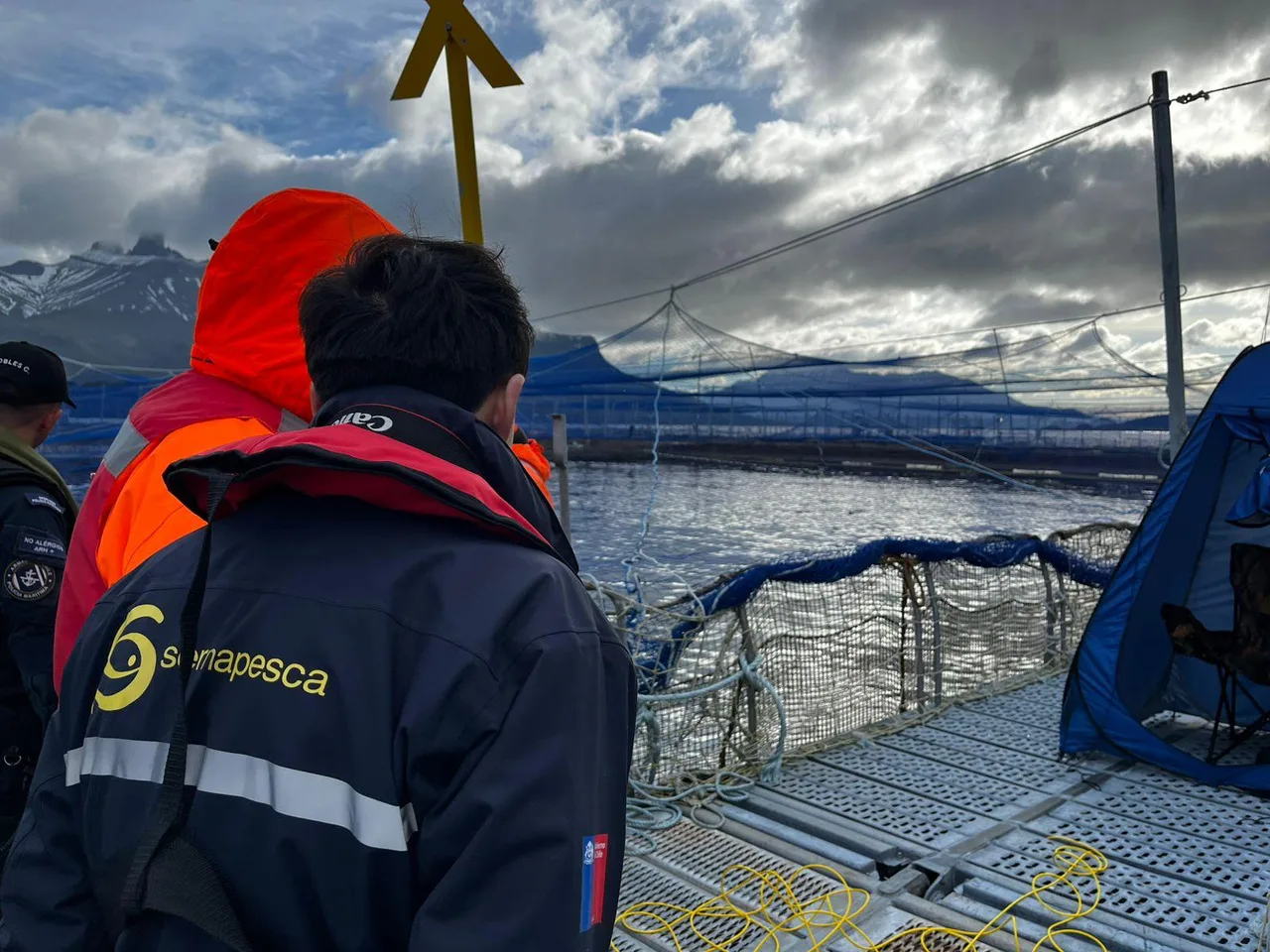
It has already been published the new Specific Health Surveillance and Control Program for Piscirickettsiosis (Res. Ex. 980/2026) of National Service of Fisheries and Aquaculture (Sernapesca) for the prevention and management of this disease, also known as SRS and which affects farmed salmonids.
The updated health program includes several preventive tools such as mandatory vaccination, a voluntary preventive management plan, the splitting, once in the cycle, to reduce the fish contact rate in cages and the exclusion of losses associated with the removal of fish in defined health operations within the framework of the program, always maintaining the safeguard of animal welfare.
The program also considers the inclusion of the reference laboratory for piscirickettsiosis, the Aquatic Pathogens Laboratory of the Pontifical Catholic University of Valparaíso, in the identification of the P. salmonis genotypes affecting the farming centers, thus generating better field information that helps us understand what is happening on site, supporting decision-making.
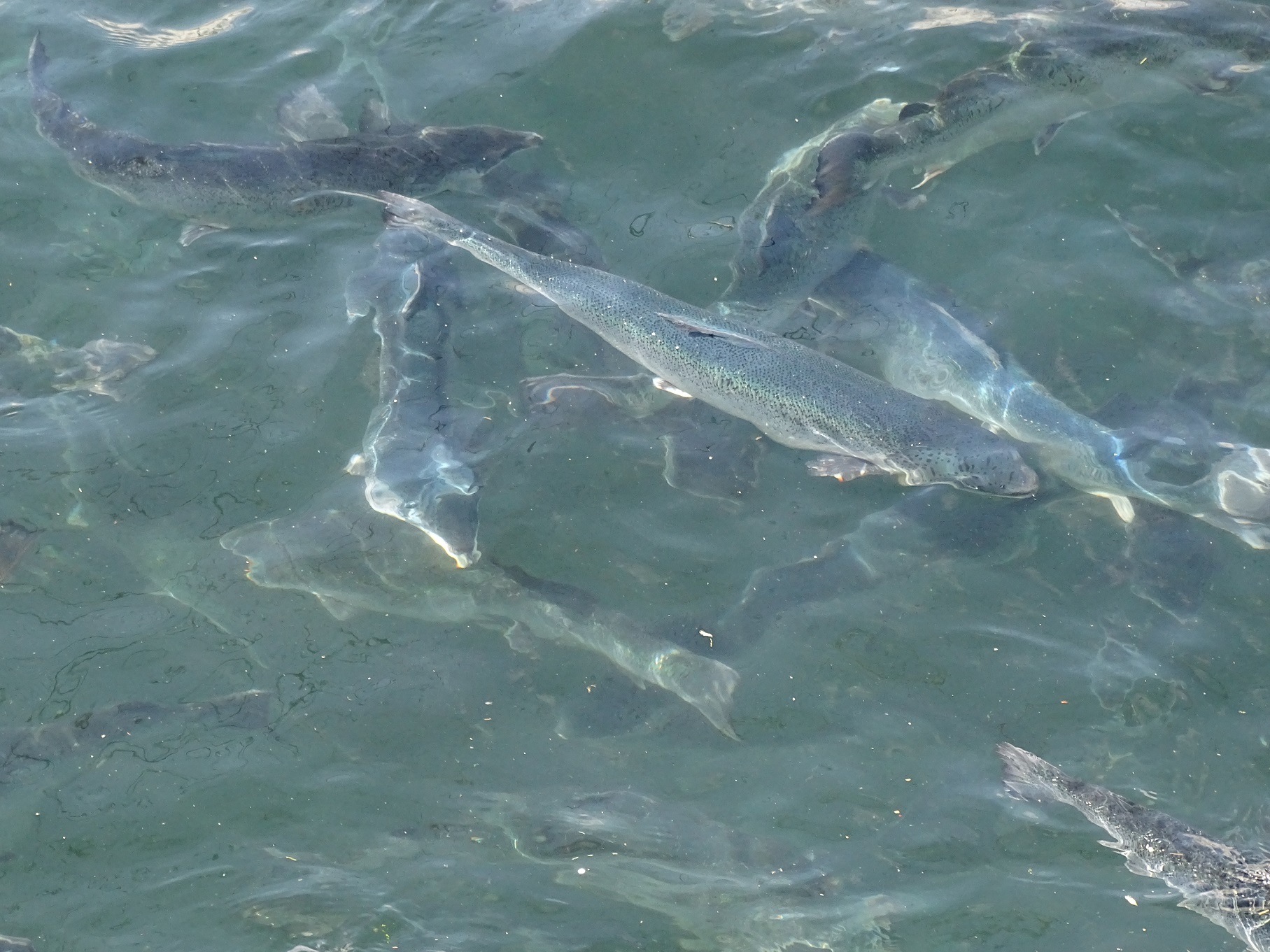
SRP is the main disease affecting national salmon farming and is the main reason justifying the use of antimicrobials. Therefore it is important for our Service to update and incorporate new preventive, surveillance and control measures to reduce the impact on national salmon farming, following international standards of health and with a focus on animal welfare.
The details were presented in an information meeting directed to the salmon farming industry where each of the new measures was explained and questions about them could be resolved, resulting in a positive opportunity to address advances in the control of SRS.
At the occasion, the deputy director of aquaculture highlighted that the approval of the program is the result of collaborative work developed between the public, private and academic sectors.