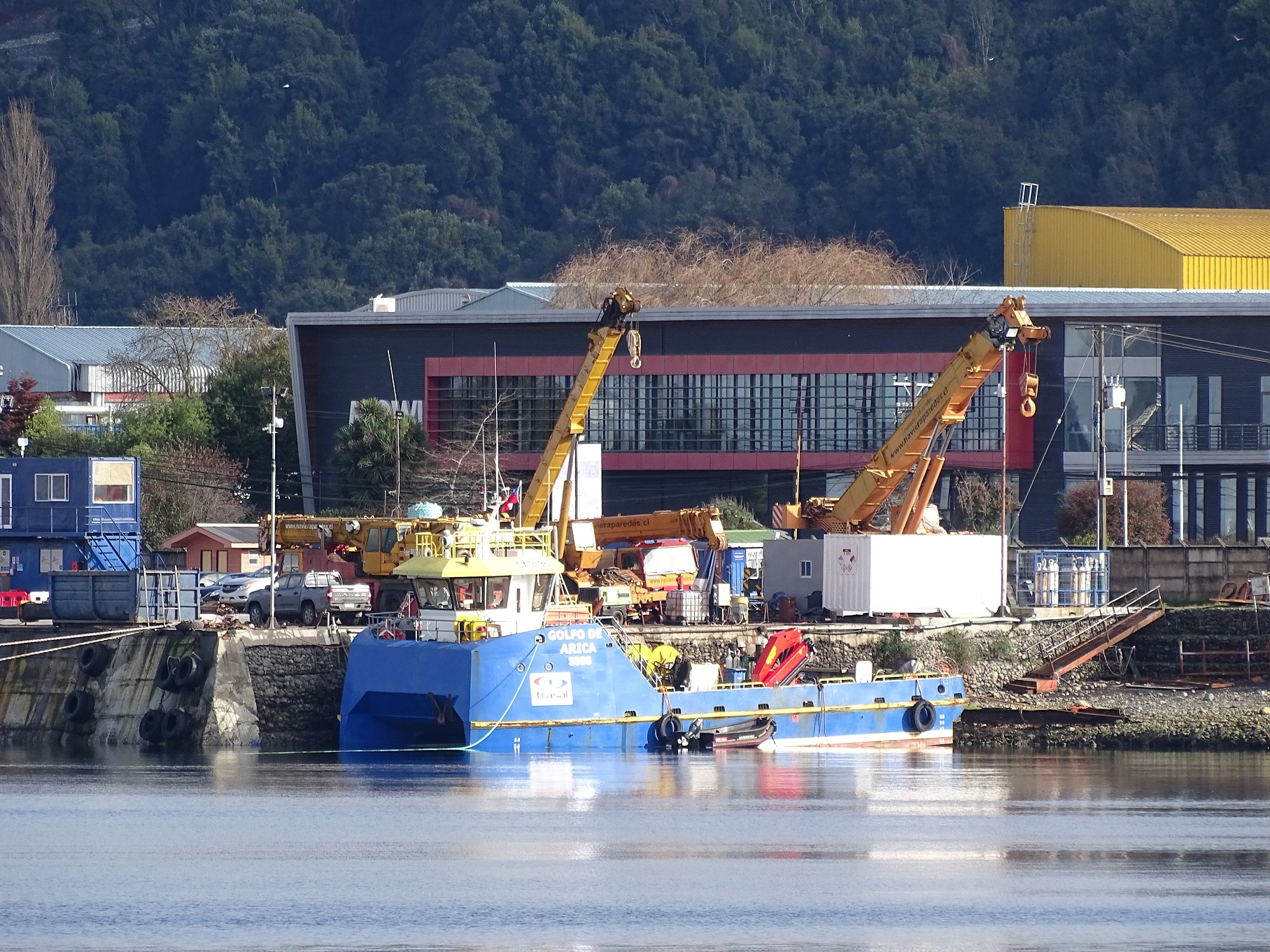
It is expected that at least 35 companies will join this public-private initiative, which aims to transform the sector through energy efficiency, waste reduction and adaptation to climate change.
With the aim of promoting sustainability and strengthening regional resilience against climate change, this Thursday 24 July the Negotiating Committee of the Clean Production Agreement (APL) "Circular Economy and Climate Neutrality Strategy of the Maritime-Port Sector of the Los Lagos Region" was established.
This new public-private alliance seeks to transform the sector's operations through the implementation of circular economy strategies, energy efficiency and emission reduction. It is an initiative driven by the Corfo Agency for Sustainability and Climate Change (ASCC), together with the Southern Austral Chile Maritime, Fluvial, Lacustrine and Tourist Shipowners' Association (ARMASUR).
"We invite the companies in the maritime-port sector to actively join this APL. The challenges are clear, but we also have the tools and technical support to face them. This process is a real opportunity for transformation that will not only strengthen the sector, but also the coastal communities and contribute to the sustainable development of the region," said Ximena Ruz, executive director of the ASCC.
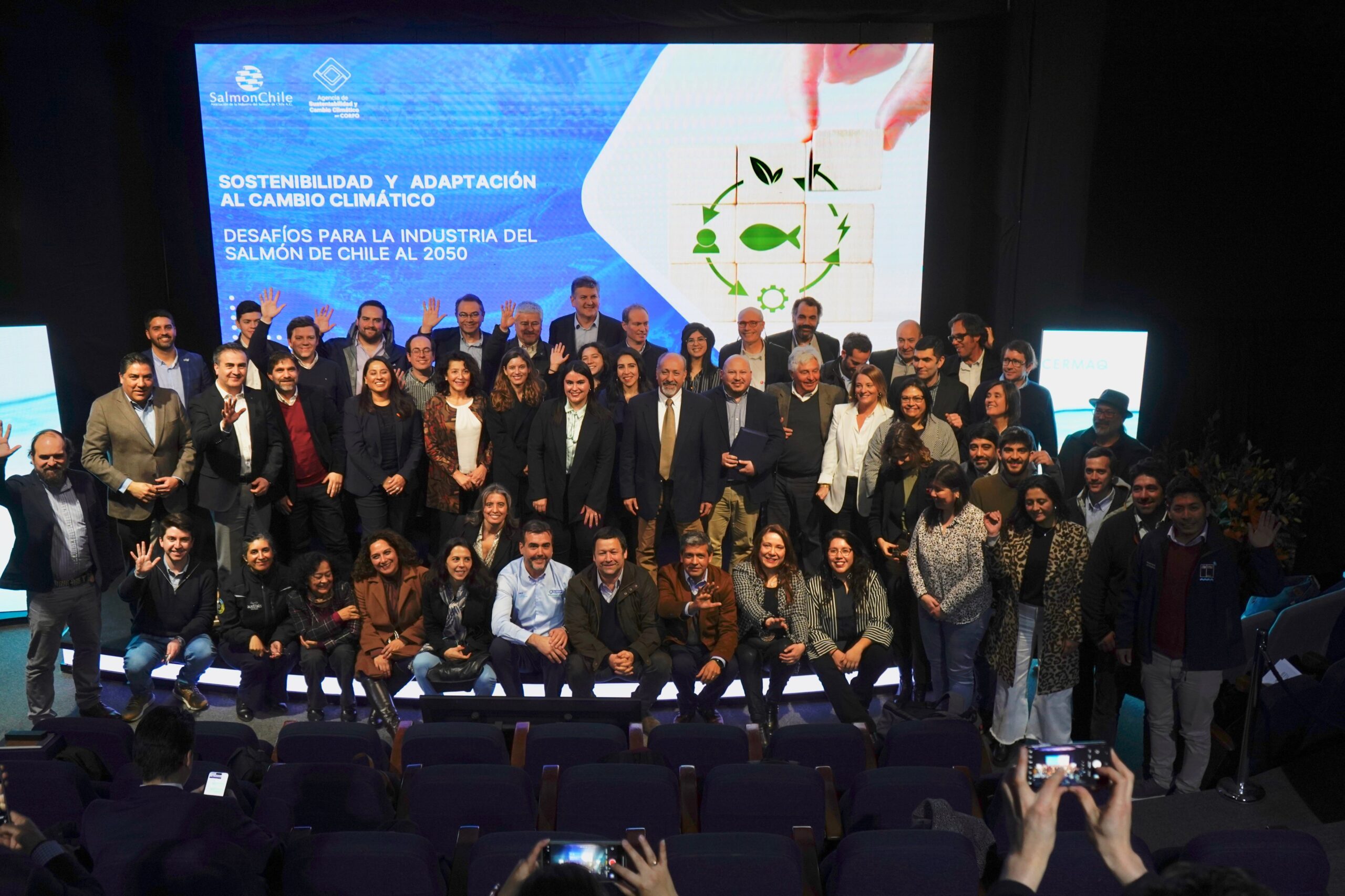
During the day, the results of a sectoral diagnosis prepared with the participation of partner companies of ARMASUR were presented. These companies, which have voluntarily joined the APL, aim to contribute to the traceability of the aquaculture industry and the maritime, port and shipbuilding sector in the southern area of Chile, where they carry out their daily work.
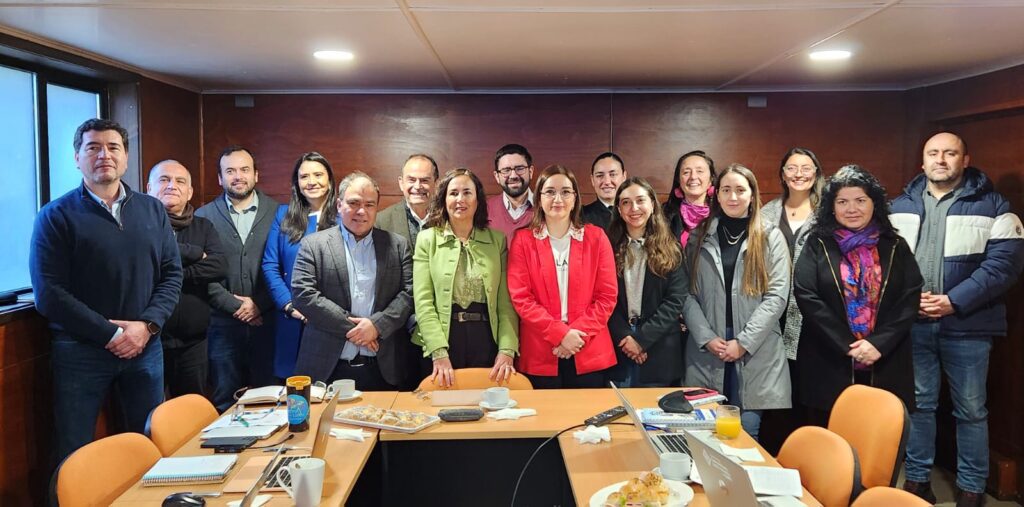
From this study, nine goals were defined that will guide the implementation of the APL, which will be adopted by companies from various sub-sectors: shipyards, shipping companies, logistics operators, aquaculture services, maritime tourism and port companies. It is projected that at least 35 companies will voluntarily join the APL, which will be signed in the next two months.
Manuel Bagnara, general manager of ARMASUR, the guild that co-leads this initiative, stated: "In ARMASUR we are part of a chain committed to responsible productivity in the maritime, port and shipbuilding ecosystem. Climate change is a reality we face as a sector, and this APL represents in a concrete way our guild policy on sustainability. Furthermore, it adds value to our members and strengthens traceability in the aquaculture industry." We firmly believe in public-private governance, and this agreement is a clear manifestation of that conviction.
Meanwhile, Eduardo Arancibia, regional director of Corfo, valued the sector’s commitment to sustainability and said that “as Corfo has a historic role in driving the country’s production and industrialization, so the Sustainability and Climate Change Agency, which is part of our ecosystem as a Corfo committee, plays a key role as our operational arm in promoting sustainability and adapting to climate change, especially in sectors such as strategic productions such as the sea-port. Through initiatives such as this Clean Production Agreement, we are strengthening public-private and territorial collaboration, moving towards a cleaner, resilient and competitive economy that benefits not only businesses, but also communities and regional development.”
A road map to climate resilience
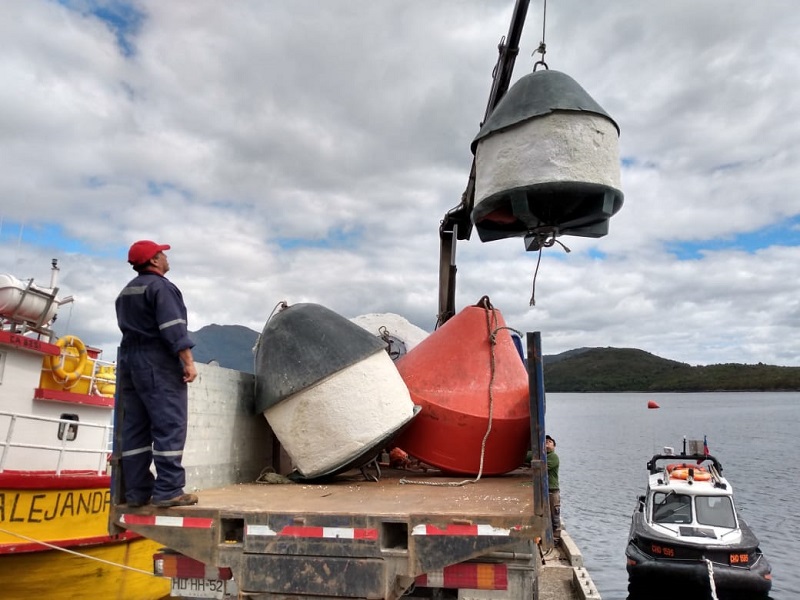
The objectives of the APL include the implementation of a comprehensive solid and oil waste management system under the principles of circular economy; the measurement and progressive reduction of the carbon footprint; the adoption of clean production models, prioritizing the recovery of critical waste such as plastics, EPS, corporals and oils; the strengthening of public-private-academic governance; and the development of climate adaptation to coastal risks such as seas, salinity changes and changes in biodiversity.
The new APL has the participation of the Ministries of Environment and Energy, the Seremi of Health, the National Service for Fisheries and Aquaculture (Sernapesca), the Maritime Government of Puerto Montt, Corfo and the National Service for Disaster Prevention and Response (Senapred).
A key sector for the southern South
The maritime, port and shipyard sector of the southern macrozone is led by ARMASUR, with presence in the regions of Los Lagos, Aysén and Magallanes. This strategic cluster concentrates more than 80% of the national fleet of larger ships and 90% of the country's private ports, mobilizing over 60% of the national tonnage and 80% of the salmon production.