Agreement aims to strengthen the supply chain of seafood products and bring closer to more people the importance of consuming responsibly.
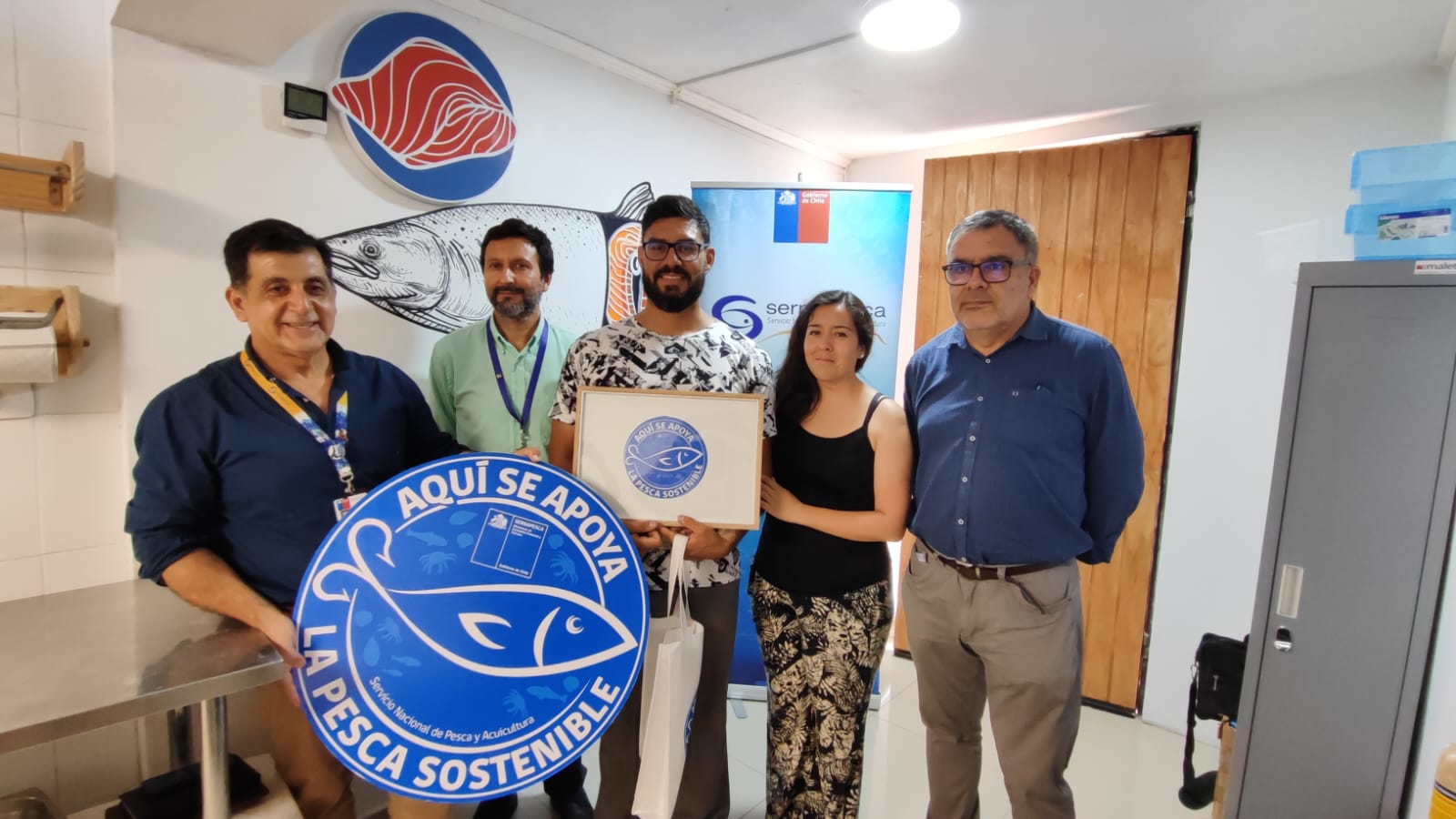
In the framework of the commemoration of the Responsible Fish and Seafood Consumption Day, the National Service of Fisheries and Aquaculture (Sernapesca), through the Responsible Consumption Program "Blue Seal", and the Sustainable Fishing NGO, which drives the initiative Blue Future, signed an agreement that seeks to promote the legality and sustainability of seafood.
This agreement aims to strengthen the supply chain of seafood products and bring the importance of responsible consumption to more people. Through joint activities, dissemination and education, both initiatives will work to ensure more consumers know the origin of what they eat and the impact of their decisions, promoting legal and sustainable fishing.
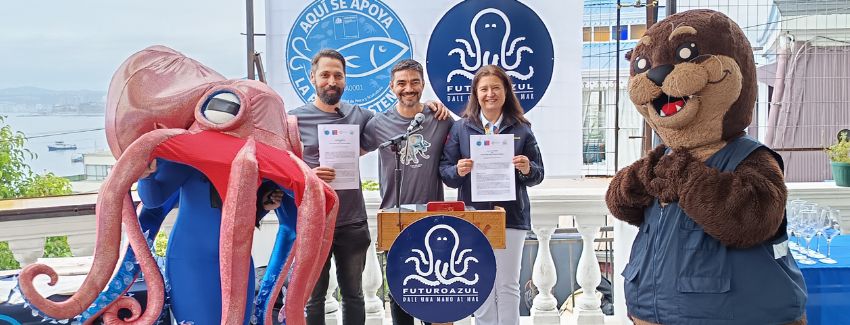
The activity took place in the Circular Restaurantlocated on the Paseo Yugoslavo de Valparaíso, with the presence of the National Director of Sernapesca, Soledad Tapia Almonacidand of Gonzalo Araya, Director of Market Links of the NGO Sustainable Fisheries. Representatives of public, private and social organizations also attended.
Together with the signing of the agreement, three fisheries improvement projects were presented and are being promoted in different parts of the country to promote the sustainability of the northern octopus, the hibia and the marmola jaiba. In addition, a guided tasting with these seafood was conducted by chef Cristian Gómez.
Gonzalo Araya, Director of Market Links of the NGO Sustainable Fisheries“It’s a big step towards bringing more people closer to responsible consumption of seafood, ” the alliance said. Working with Sernapesca and its Blue Seal allows us to expand our reach with clear and reliable information for those seeking to make more conscious purchasing decisions. Both programs have different but complementary approaches, so we are confident that by joining forces we will be able to have a real impact on communities. fisheries and the health of marine ecosystems”.
By their part, the National Director of Sernapesca highlighted the importance of the Blue Seal in promoting responsible consumption of fish and seafood. “Consumers and consumers have a great tool, such as the Blue Seal, that gives them information about those commercial premises, points of sale and restaurants that are committed to sustainability and that supply fish and seafood that are extracted in a responsible way, also complying with the regulations in force. The call is to integrate into this program, which allows citizens to easily identify, through a leaf seal, that the establishment where they buy or consume products from the sea is committed to the sustainability of our resources,” said Soledad Tapia.
Finally, Rodrigo González, seremi of Science, Technology and Innovation For the center macrozone, he valued the alliance and highlighted its importance to boost sustainability: “This agreement promotes a vision of state through explicit instruments that allow dimensioning in their context that they are consuming and in which locales. That’s why the link between Sernapesca, civil society organisations and consumers is fundamental,” he said.