By Meyling Tang, journalist, Cocinamar Foundation.
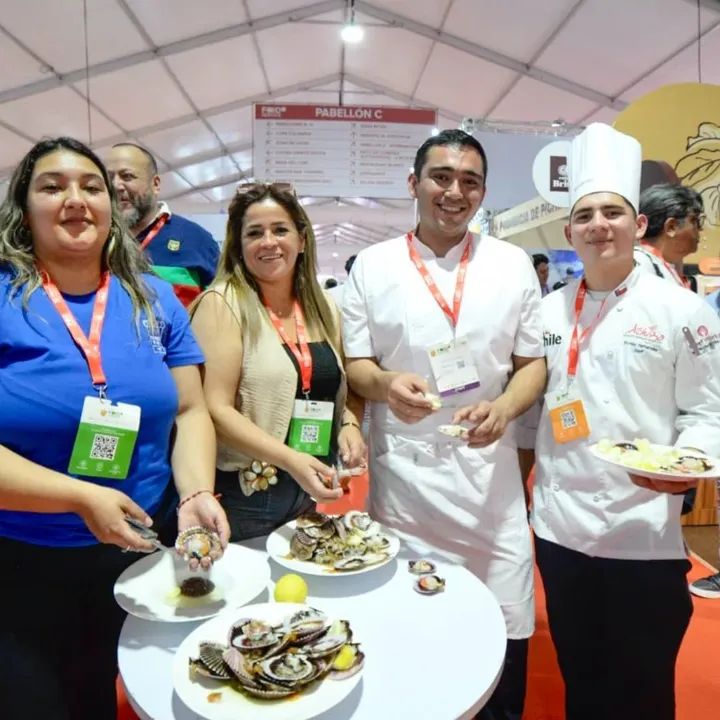
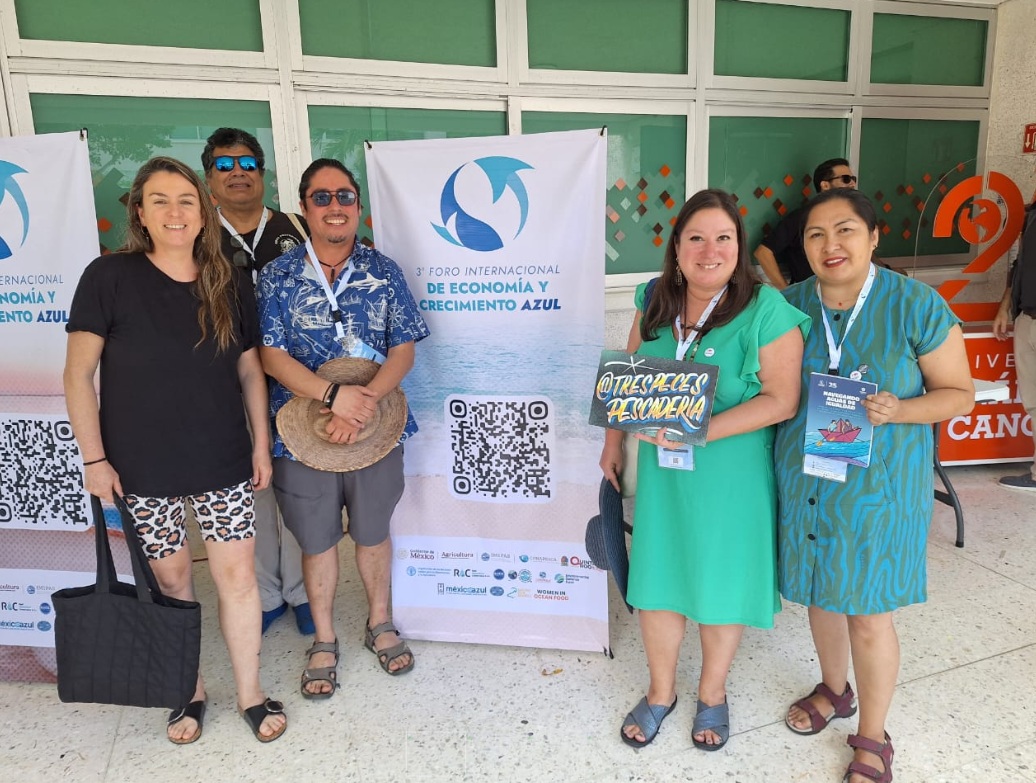
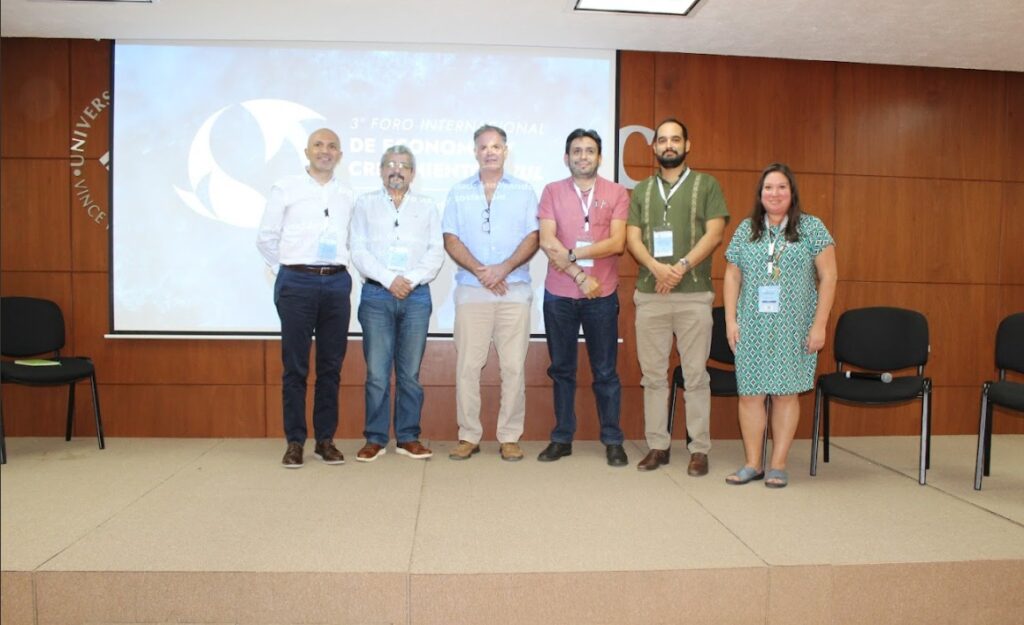
In August we were participating in the Third Blue Economy Forum, organized by the Mexican Institute for Sustainable Fisheries and Aquaculture Research, IMIPAS, in Cancún, Mexico, from August 20 to 22.
I was invited to speak about the work with Tres Peces and Fundación Cocinamar in the panel on Food Sovereignty and Food Security.
The aim of the panel was to learn, discuss and propose solutions to significantly contribute to the achievement of food sovereignty and security through the production and access to sufficient, fair and equitable products from sustainable fishing and aquaculture.
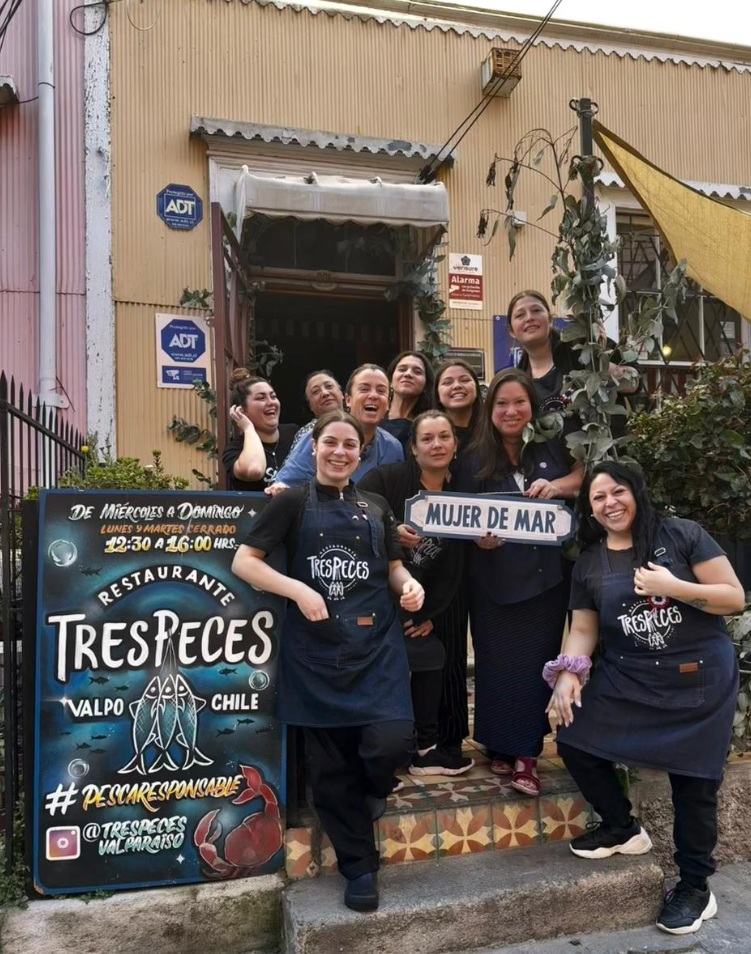
In our story we tell that eight years ago we opened a restaurant in Valparaíso whose focus is responsible fishing. We buy fish, shellfish and seaweed directly from about forty fishing coves of fishermen from all over Chile, including the Juan Fernández Archipelago. We adapt to what is in the boats, with seasonal fish, little known and legal origin.
In a simple exercise, our menu is flexible and changes every week according to what is really available, we pay on time to the organizations and our dishes are offered at a fair price. We have no intermediaries and have incorporated more than a hundred different species in our seafood kitchen. Results: the restaurant is full from when we open until we close.
In these years we have developed an efficient logistics system to bring seafood to Valparaíso, from north to south. And when we realized that this was one of the main bottlenecks in the marketing of fish and seafood in Chile, we created a second company, called Tres Peces pescadería, @trespecespescaderia, specialized in connecting fishermen with the gastronomic world. It is the first mobile fish market. Accredited by the National Fisheries and Aquaculture Service as a fish marketer. In addition, it has the blue seal from Sernapesca.
In just over a year of operation we have already managed to supply on a regular basis 15 restaurants in the central zone, 100 homes in the Fifth Region and 30 homes in the Metropolitan Region.
The interesting thing about this trip to Mexico is to note that the development of these models of responsible fishing businesses are not only attractive in Chile, but also in other territories of the continent, where the fisherman has little power to negotiate selling prices and even less to be part of the marketing chain.
In a meeting on the same date in Cancun of the Network of Women in Ocean Innovation, Women in Ocean Food, led by Hatch Blue and Conservation International, we were able to recognize the interest in these initiatives that serve as inspiration to other organizations of women fishers.
During the Blue Economy Forum, when analyzing governance and technical challenges in the future, the importance of leaving the diagnoses aside and moving forward in small-scale practical pilots to improve the marketing of fish and seafood was also discussed, highlighting as a positive example the case of Tres Peces restaurant in Chile (@trespecesvalparaiso).