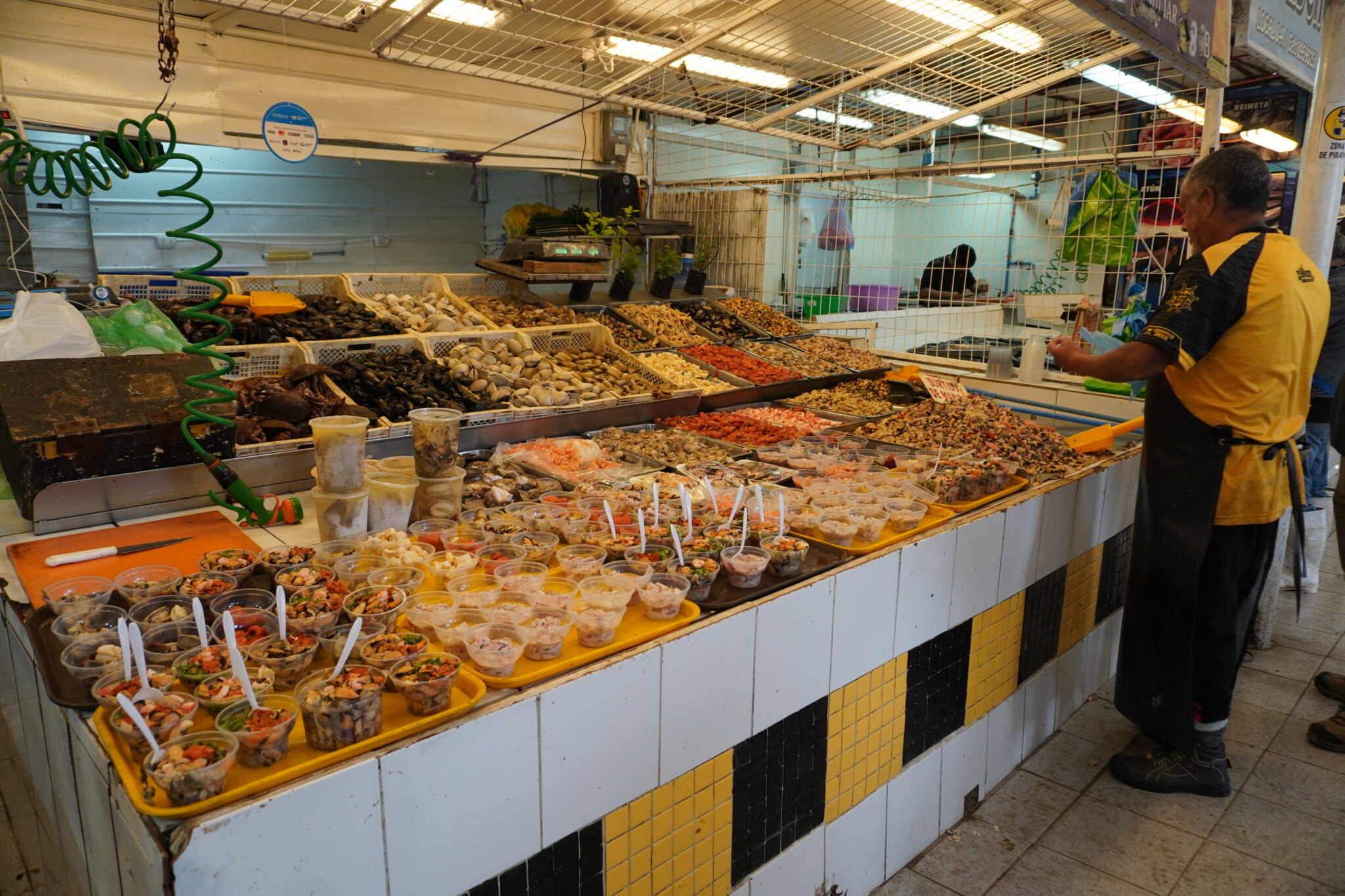
It is well known that the demand for fish and seafood increases at these times, with species such as the reineta, chorito, loco and hake being the stars.
With the arrival of Holy Week, many Chilean families choose to consume seafood products, an alternative always present in markets in fresh and also frozen format. Restaurants, fish markets and fairs fill with customers looking for hake, cod, eel, clams, mussels or sea urchins, reflecting a strongly rooted tradition in local culture. But, how much fish and seafood is actually consumed in Chile today? Which Are they the most preferred species? And what role do restaurants play in the sustainability of these foods?
These questions have been addressed by research from the Millennium Institute in Coastal Socio-Ecology (SECOS) and Advanced Conservation Strategies (ACS), which provide an updated and complementary overview. about the consumption of seafood products in Chile and the key role of restaurants, among other actors, in promoting more responsible practices with our marine resources.
How marine are we?
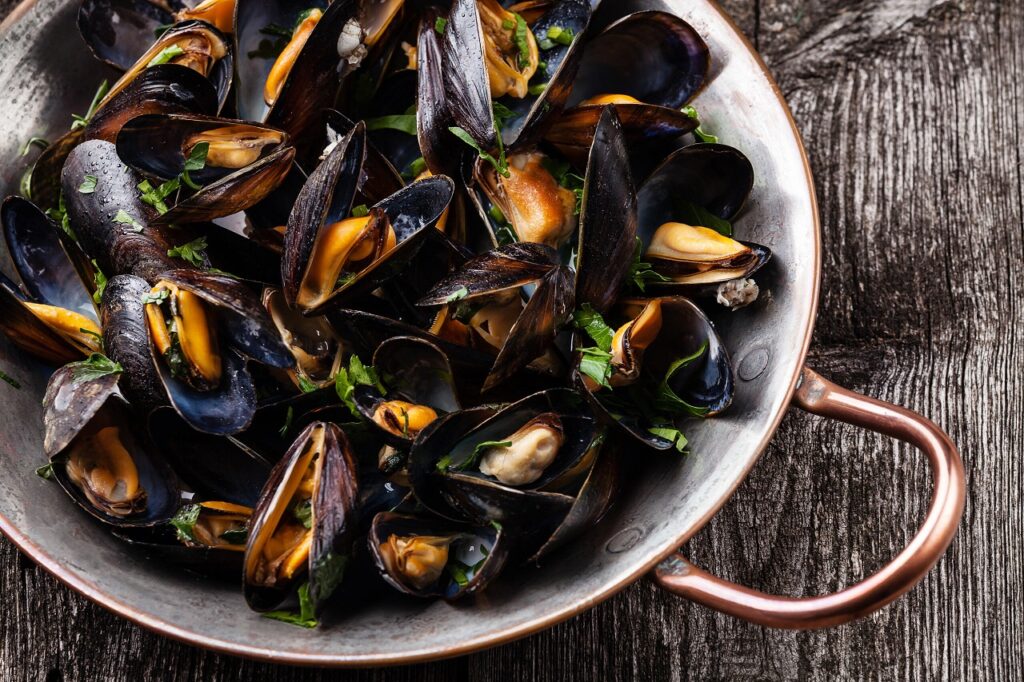
On average, in Chile, fish is consumed 3.6 times a month and shellfish 2.3 times, according to a survey conducted with 1,000 people in nine regions of the country. The study, led by ACS and SECOS, also revealed that 90% of the consumption of these products occurs at home. The most consumed species at national level are reineta (41.5%) and merluza (27%) in fish, and chorito (33.5%) and almeja (16%) in shellfish.
“Knowing which species are consumed, how often and in which areas of the country allows us to better understand the links between culture, food and sustainability. This information is key to designing public policies and strategies that promote the consumption of more informed and responsible marine products in Chile,” says Stefan Gelcich, academic at the Faculty of Biological Sciences UC and director of the SECOS Millennium Institute.
The analysis also considered the preferences according to the region: while the reineta dominates in the north and center of the country, in Biobío it makes the common hake, while in Los Lagos the salmon gains ground. In seafood, the madman leads in the north and the chorito in the south-central. In Santiago, the clam is the star.
“In a country with a coast as extensive as Chile, one would think that the consumption of sea products is high and diverse. But the data show that there is still a lot of room to grow, especially if we want to move towards a more sustainable diet that values both the origin and the diversity of what we eat,” says Gelcich.
In this context, an analysis of these data regarding preferences for the consumption of blue food in Chile, a category that encompasses all foods that come from aquatic bodies, whether marine, brackish or freshwater, is led by a PhD student from Universidad Católica de la Santísima Concepción, Felipe Torres.
“The first results of the study show that many people would like to increase their consumption of seafood, especially in replacement of meats such as beef or chicken,” says Torres, also from SECOS. We see a greater homogeneity in current and desired preferences for fish, but in the case of seafood there is more diversity and differences between what is consumed and what would really be preferred to consume,” he adds.
“The aim is to identify whether there is heterogeneity in the preferences for fish and seafood consumption, as well as to compare these patterns with other proteins, both animal and vegetable. We also seek to see if people are consuming what they really want to consume, or if there is a gap between the current and the ideal,” Torres explains.
The role of restaurants in the chain
But not all the fish is cooked at home. In fact, a part of the consumption occurs in restaurants, where the choice of the menu not only responds to the taste of diners, but also to the decisions of chefs and local owners who choose which species to include, where to buy them and which criteria to prioritize.
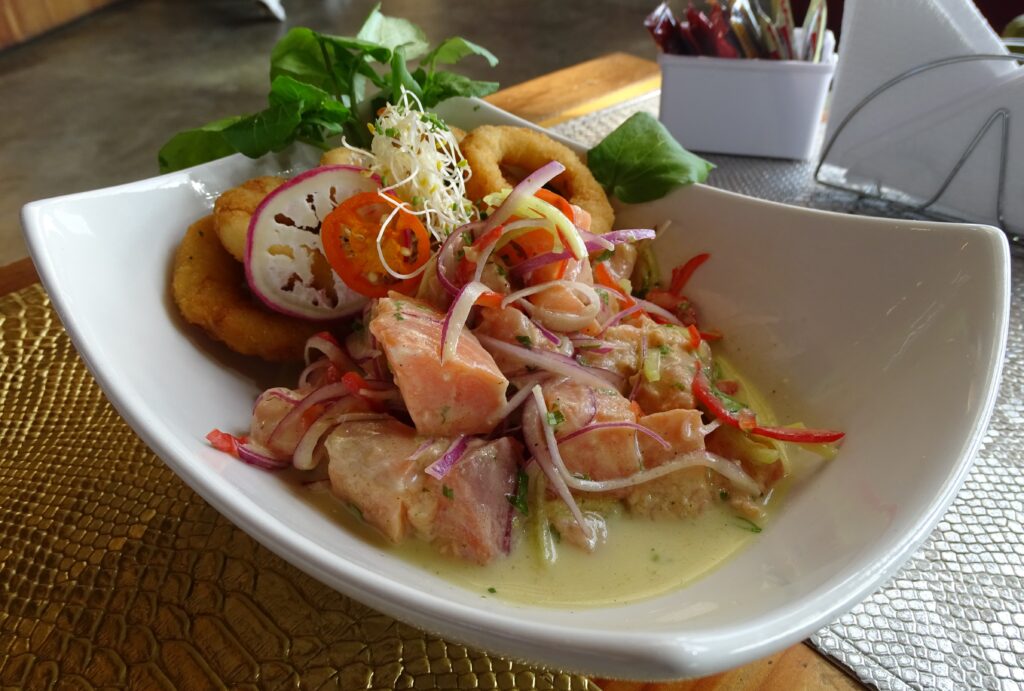
In this context, another study by SECOS and ACS explored the perceptions and decisions of restaurant owners and chefs in Santiago and Valparaíso, two areas that concentrate about 42 per cent of the country's population. The research, which combined interviews, menu analysis and experiments of choice, revealed that 90% of the seafood offered in restaurants comes from the Chilean coast, mainly renet, hake, squid and octopus.
One of the most relevant findings is that, while there is interest on the part of restaurants to participate in traceability initiatives—which allow us to know the origin, legality and extraction conditions of each species—there are still important challenges. The high cost of sea products and the lack of explicit demand on the part of customers for sustainability are some of the identified barriers.
“It is very important to study the perception of restaurants, because it allows not only to see traceability and sustainability from the sciences or public policies, but also from those who are consuming and moving resources along the supply chain,” says Isidora Ávila, researcher at ACS and SECOS, co-author of the study.
In addition, the study points out that restaurants offering a greater diversity of marine products tend to perceive more interest on the part of their customers in the provenance and sustainability of what they consume. This opens the door to communication and marketing strategies that could encourage responsible consumption, especially on dates like Easter.
Towards more conscious consumption
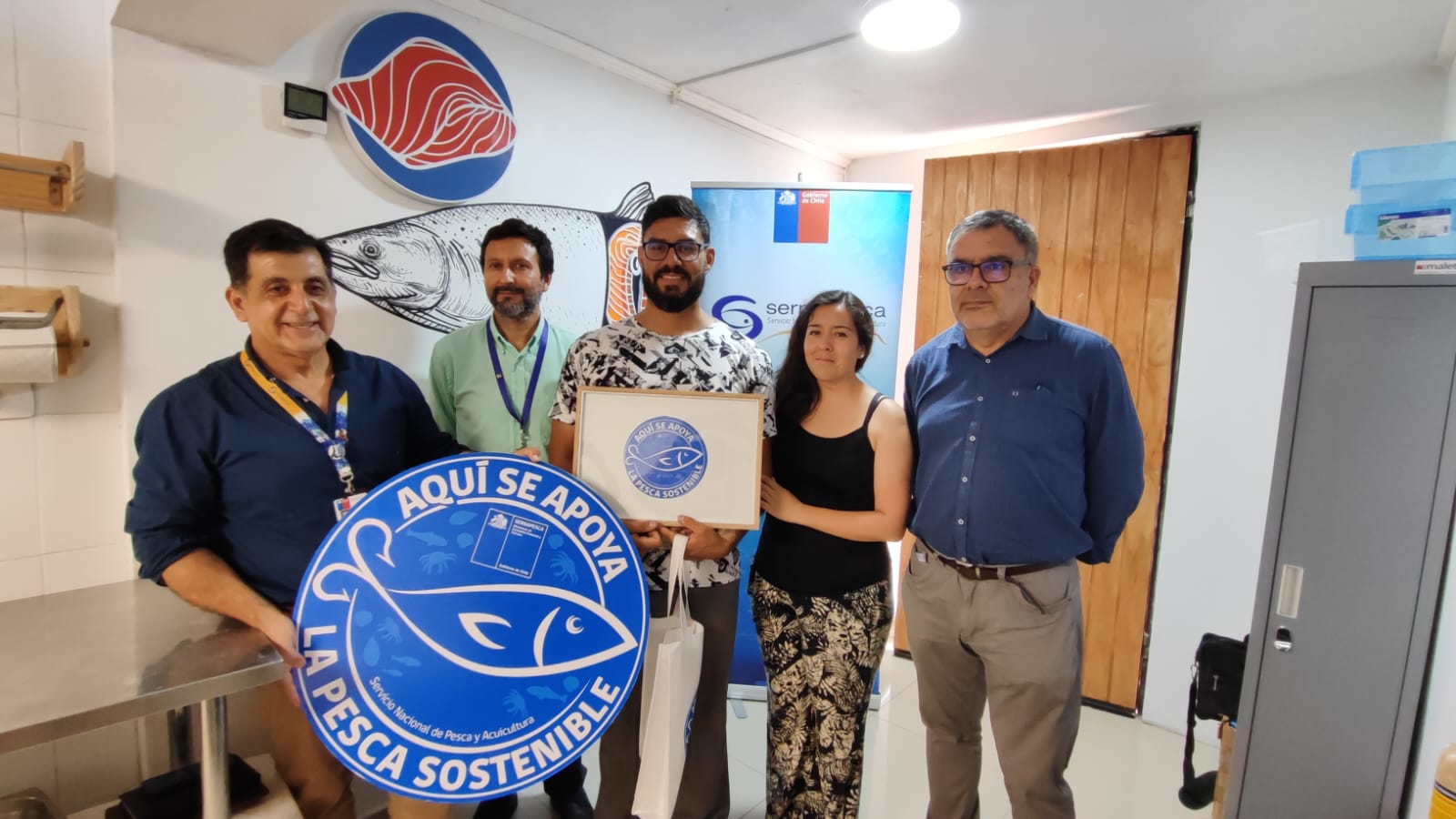
Initiatives such as the SERNAPESCA Blue Seal — which certifies the legal origin of sea products — represent important steps towards greater transparency in the supply chain. To them is added Future Blue, a platform that provides detailed information on the condition of different marine species, their impact on the ecosystem, their nutritional value and the benefits they bring to health. These tools are key to moving forward towards more informed and conscious consumption, and its impact can be further strengthened if all actors in the chain are actively involved: from fishermen and intermediaries to restaurants and consumers.
“Chests and owners of restaurants can play a critical role in the design of traceability programs, particularly in topics that address health, product freshness, sustainability, equity in production processes, among other aspects,” says Stefan Gelcich, director of SECOS.
These researches contribute to a necessary conversation in our country: how to promote a responsible and sustainable consumption of seafood products, not only during Easter, but throughout the year.