In 2024, the shipments of jurel and jibia increased by 4% and 40%, respectively, thanks to a greater availability of these fishery resources.
Jurel and jibia exports from the Biobío region had a positive result last year, totaling US$ 299 million for jurel, while jibia shipments reached US$ 42 million.
Cristóbal Herrera, director of the Central South Macrozone of ProChile, valued that "these results are encouraging and reflect the strength and dynamism of the region's fishing sector, consolidating its position in international markets".
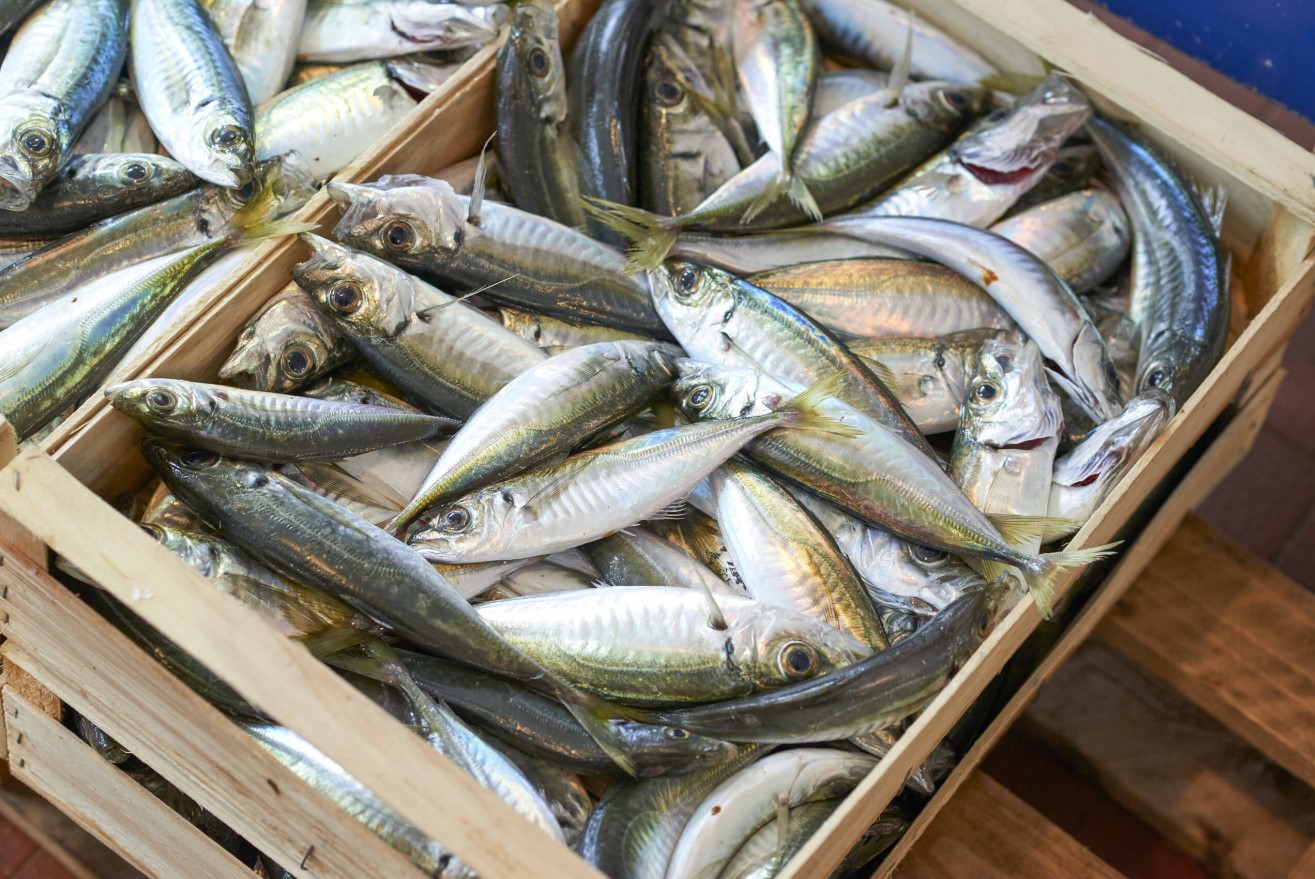
"In the case of jack mackerel, it is a fish with a high content of high quality protein and a rich source of omega-3 fatty acids, which make it very beneficial for health. It is also an economical fish, which Chile exports mainly to Africa," said Herrera.

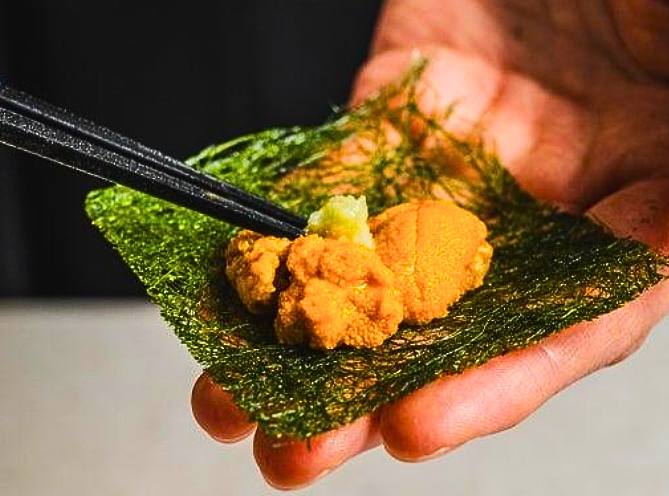
Regarding the jibia, he explained that "it is a mollusk greatly appreciated for its versatility in cooking, low calorie content and a good source of lean protein, which is mainly exported to Spain, Japan and South Korea, three countries with a great tradition of consuming seafood products."
Ernesto Alegría, president of Nueva Pymepes, evaluated the export figures for jibia as very positive: "They are the result of an industry that has developed very well after the implementation of the jibia law, with a small-scale fleet that is increasingly prepared to catch good squid, a greater number of SMEs stimulating responsible and well-managed fishing."
Monserrat Jamett Leiva, Sustainability Manager of Industrial Fishermen of the Biobío, stated that "it is an expected increase considering that there was greater availability of the resource along the Chilean coasts during the last year. However, it is important to note that only 71% of the quota was met, so there are opportunities that our country is not taking advantage of and that could further increase the level of" exports"
Regarding the jack mackerel, Alegría said that the increase "we value positively, as another example that the north should produce a product for human consumption and not fish meal". He explained that it is mainly exported to Africa "because jack mackerel is a high quality protein at a fairly affordable price for those markets. Also because it is a product that is still mostly sold without a higher processing, that is whole jack mackerel with viscera, and that is a challenge for the future and make more added value and diversify to other markets.”
The representative of Biobío’s Industrial Fishermen said that “the Biobío Region is the world capital of horse mackerel and that the increase in exports of this resource is good news for the country’s economy. We are proud to know that, of this total, 74% comes only from Biobío, and that this increase is due first to the fact that the fishery is healthy and in full exploitation, due to the respect of scientific criteria and precautionary of its administration and the sustainability of the operations of the industrial fishing”.
“As a result, horse mackerel quotas have grown steadily in recent years, reflecting in 2024 the 15 per cent increase in the quota which, together with international transfers, made it possible to reach 1.1 million tonnes nationally,” he concluded.