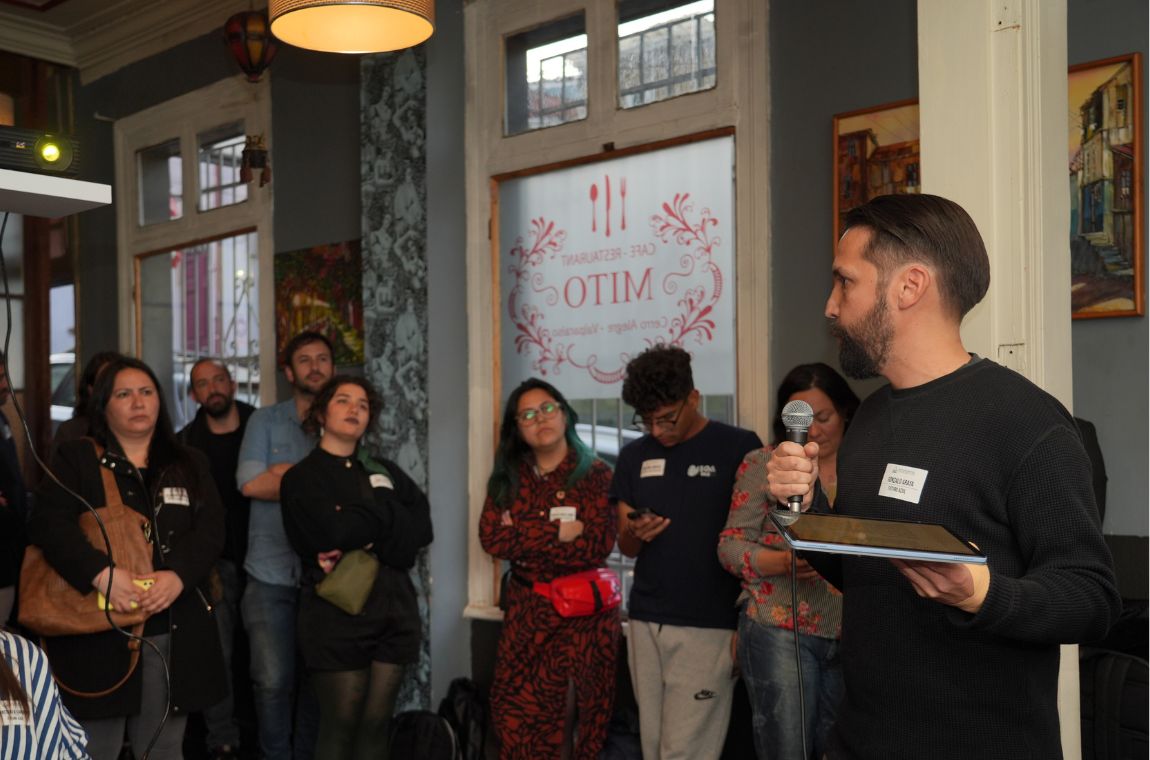
- The platform allows to know details about the condition of the seafood and its impact on the ecosystem, as well as its nutritional value and its health benefits.
From Cerro Alegre in Valparaíso, organizations, public entities and actors committed to the care of the oceans participated in the launch of Blue Future, the first tool in Chile that reveals the environmental impact of seafood products consumed in the country.
Through a website that can be accessed from any mobile device for free, anyone will be able to search for seafood available along the national coasts and discover information about the current condition of the resource and the impact that its capture has on other species and marine ecosystems. Additionally, nutritional characteristics, their health benefits, as well as recipes and general tips on their preparation so that people can explore new and healthy alternatives.
Miguel Espíndola, director of the NGO Pesca Sustentable, highlighted the value of this platform to contribute to transparency in seafood markets: "We want consumers to know the ecological footprint of the fish and shellfish they consume. Additionally, that information should be public and accessible to all people interested in purchasing more sustainable products."
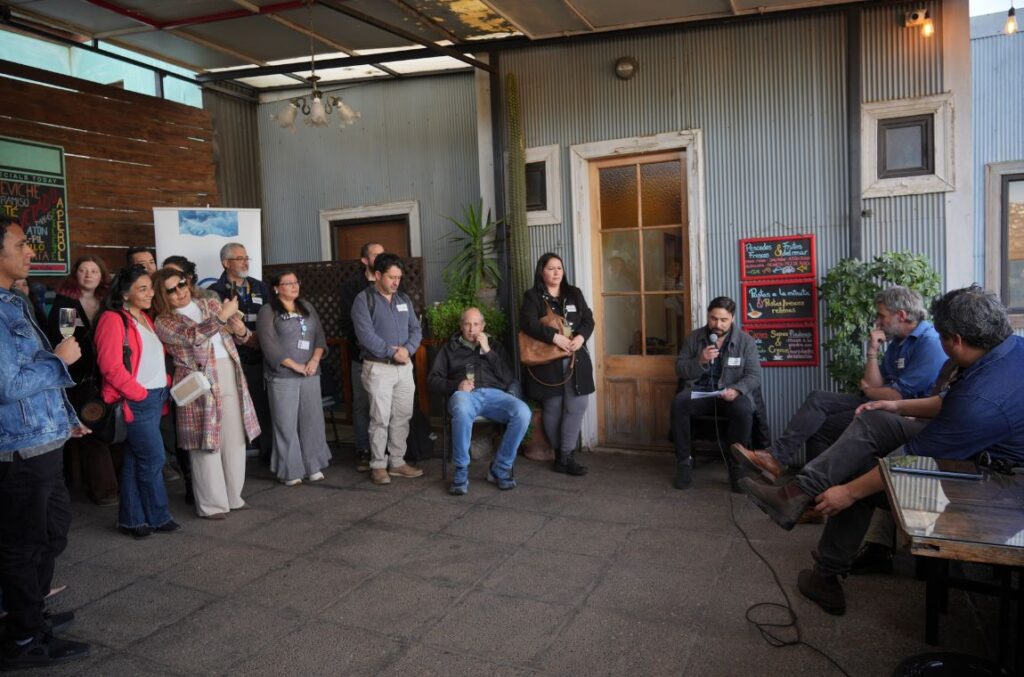
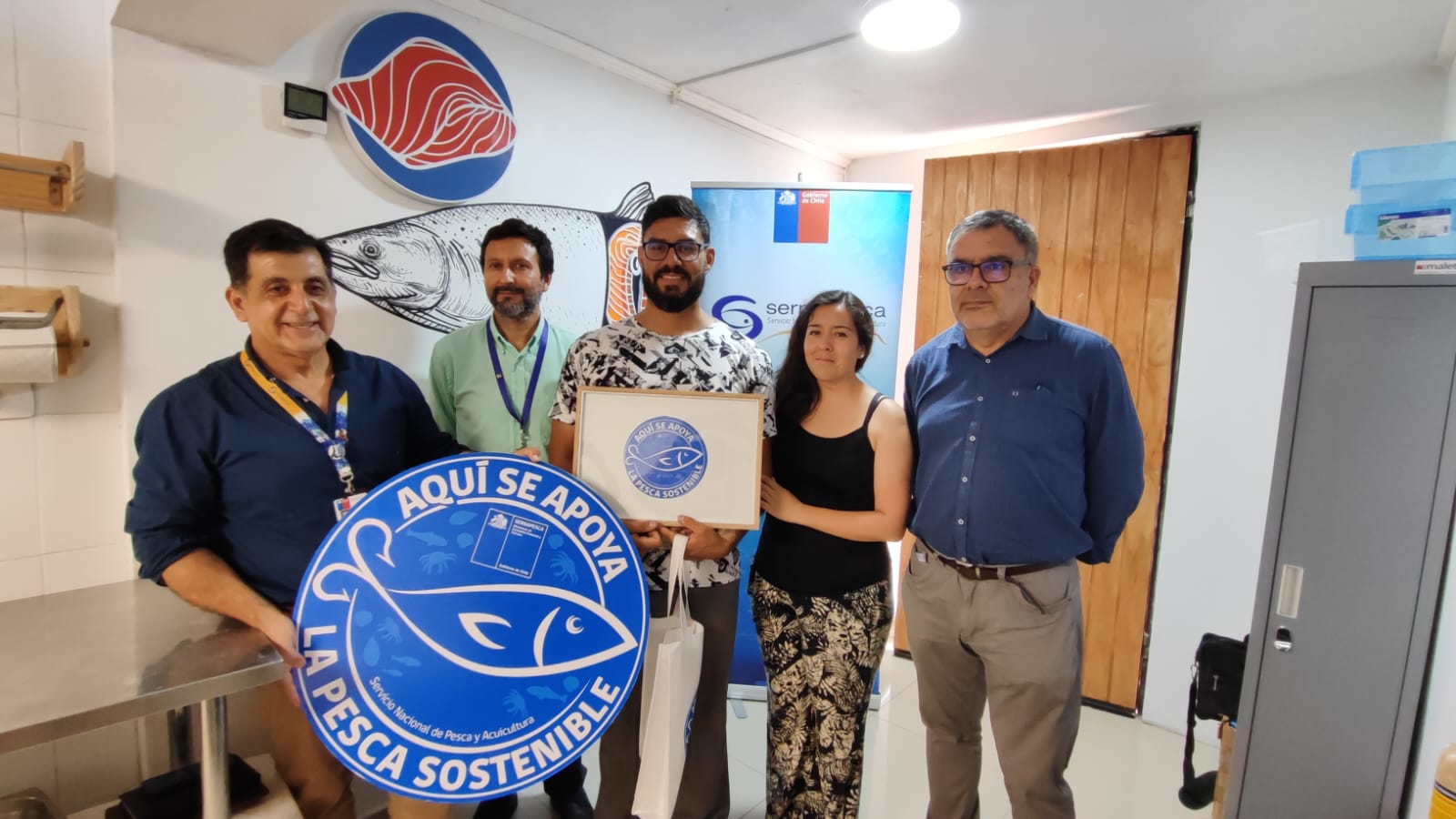
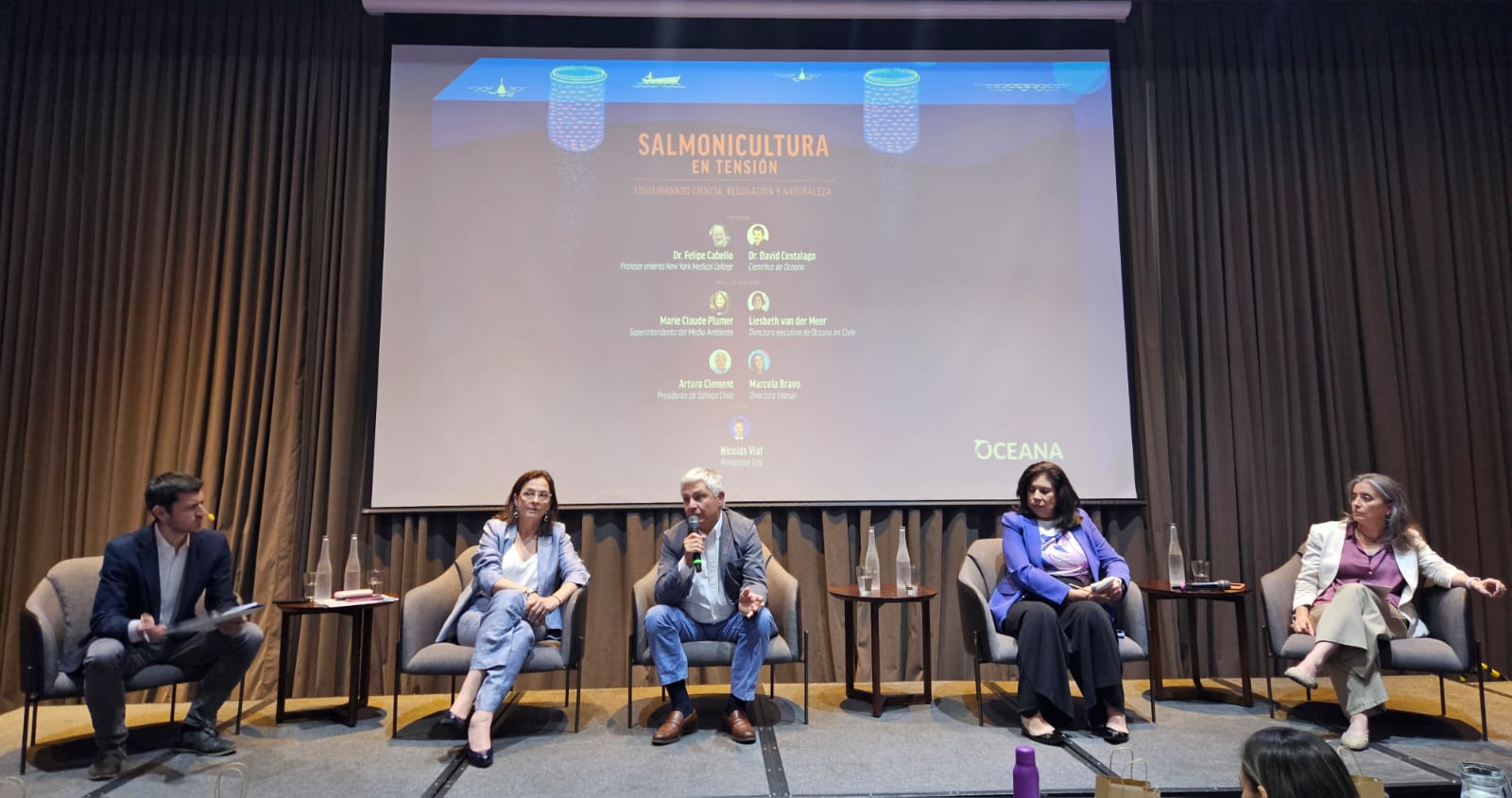
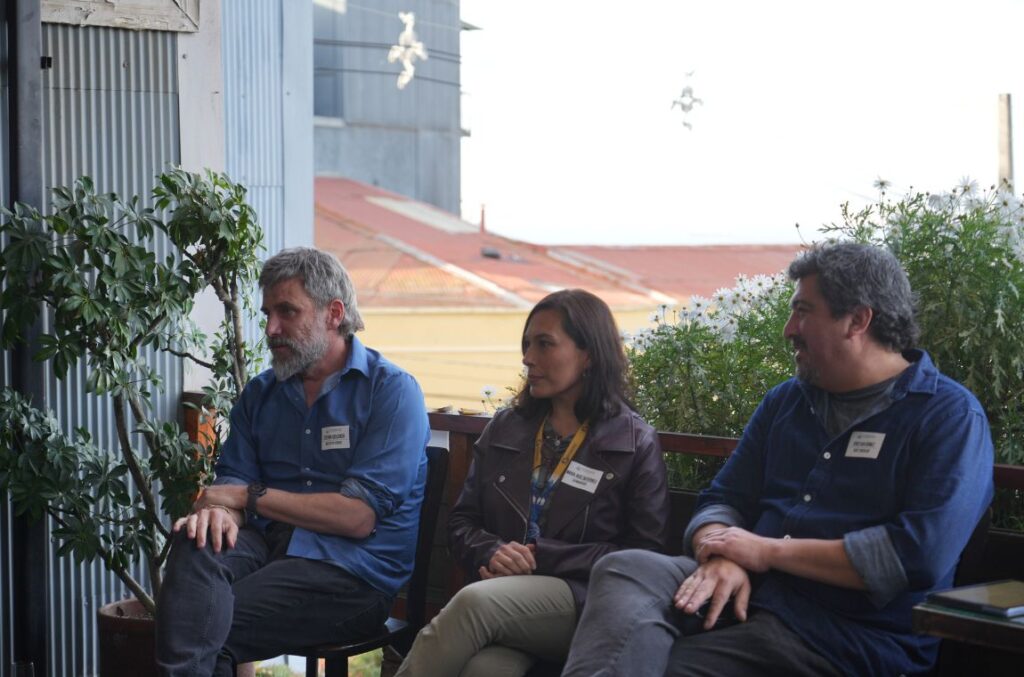
In addition to showing the features of the platform led by the Sustainable Fishing NGO, the event was an opportunity to share experiences on the challenges of the fishing sector with representatives from different sectors. The panel composed of Cristian Gómez, chef and partner of the Circular Restaurant; Stefan Gelcich, director of the SECOS Institute; and María José Gutiérrez, coordinator of the Sernapesca Blue Seal program; researched different edges of the responsible consumption of seafood.
Future Blue: a tool for the consumer
In Chile, there are more than 170 varieties of seafood; however, consumption is concentrated in very few species, such as reineta and hake, two resources that are currently in critical conditions of sustainability.
This lack of diversity in the choice of marine products, coupled with the absence of mechanisms to establish whether a food of the sea is sustainable from a scientific perspective, motivated the NGO Pesca Sustentable to design Future Blue, a tool that allows to search for the most consumed marine foods in the country and discover information about the fishing methods, the impact it has on other species and their habitat, as well as the nutritional contribution of their consumption.
Rodrigo González, Seremi of Science, Technology, Knowledge and Innovation of the regions of Valparaíso and Coquimbo, valued the platform and recognized that it is of interest of the ministry: “Today there can be a control, a new Law of Fisheries, but finally these types of initiatives are those that promote the proper management of resources and influence the productive development. We hope that this and other technologies will contribute in public policy and in the deepest part of the state,” he said.
Committed to a Blue Future
Increasing demand for sustainable marine products is critical to recovering the wealth of ocean resources. Therefore, one of the main lines of action of the Blue Future focuses on connect restaurants and shops with citizens and fishing communities.
To achieve this goal, fisheries and restaurants are being convened throughout the country at no associated economic cost. At an early stage, the Blue Future Ambassadors program seeks to develop joint marketing actions that make this initiative visible in businesses, while these gain presence on the platform. In this way responsible consumers will be able to easily identify establishments committed, at least to some extent, to the protection of the oceans and their resources.
More details about the platform in www.futuroazul.org