Initiative by the GORE of La Araucanía and INDESPA incorporates specialties to strengthen their productive and commercial capacities.
Until the end of October, artisanal fishers from Carahue, Saavedra and Toltén will participate in the second and third stage of practical training, part of the economic and productive development program for artisanal fishing, which is funded by Regional Government of La Araucanía and executes the National Institute for the Sustainable Development of Artisanal Fisheries and Small-Scale Aquaculture, INDESPA.
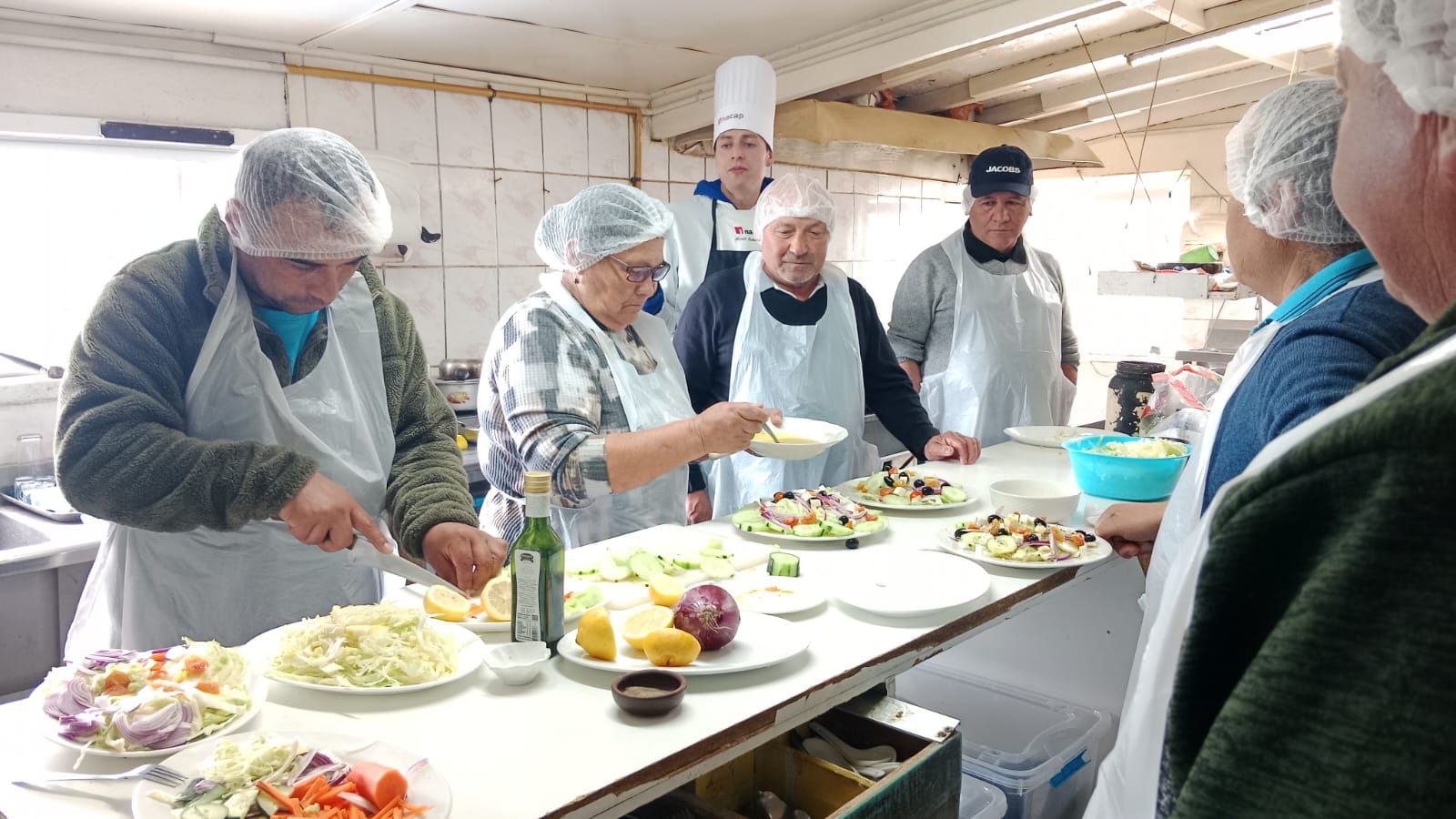
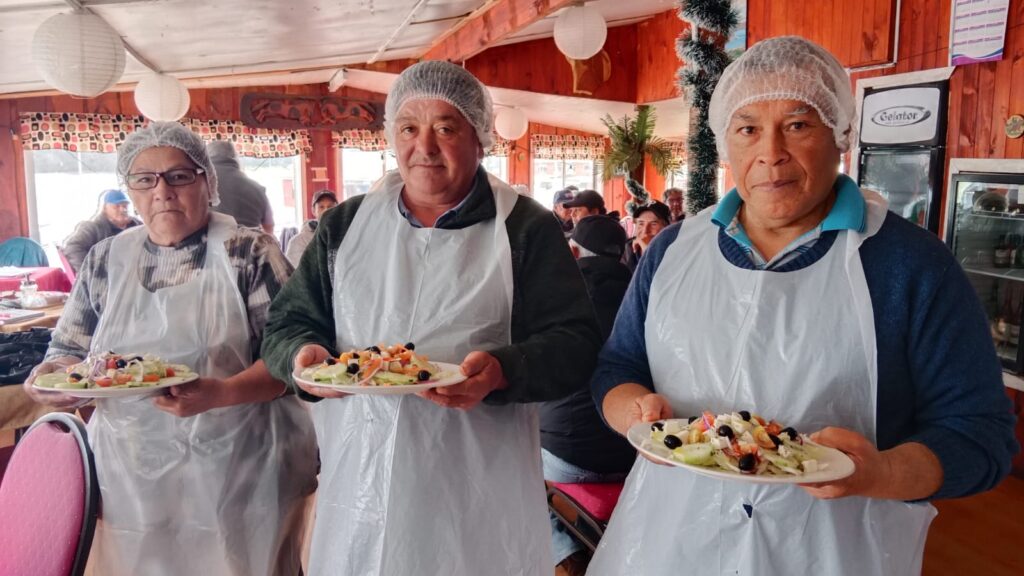
In the business unit development area, the courses offered are digital literacy, administration and marine gastronomy. Marianne Jaramillo, drives the cooking at Rincón Marino in the bay of Queule in Toltén, where each summer season offers various seafood dishes with the corvina and fried hake among the public's favorites. Today, she is part of the group of sixty-five participants in the administration and gastronomy course.
These courses are very useful, because I gain more knowledge. One knows how to cook in a rustic way, as one's mother taught, for example, cuts, cooking, but here we perfect our technique, hygiene, product handling and recipes, which help us to have more knowledge and to get more out of what we offer. And with the fund they give us, I want to buy an industrial kitchen to speed up service and delivery of my "products to the customer," clarifies Marianne.
The regional governor(s) of La Araucanía, Carlos Fuentes Concha, he said that the continuation of these courses “is certainly very good news. We continue to work with our fishermen in the region, and it is a further boost in the economic and productive development of artisanal fishing that is sustainable, sustainable for all our seafarers, fishing people” he said.
By the same token, the national director of INDESPA, Leonardo Llanos Huertahe said that within the mission of INDESPA is the promotion and integral development of artisanal fisheries and small-scale aquaculture with a territorial and gender approach. “Through partnerships such as this agreement with the Regional Government, we are contributing to improving the productive and commercial capacity of more than six hundred and forty seamen and women, where 122 are women beneficiaries and 36 percent of the total number of participants has indigenous quality. These courses not only enable them to strengthen their productive skills but also their working conditions and quality of life, with a focus on issues of safety, value aggregation and marketing of resources,” said Llanos.
Training will continue until 29 October, with sixty hours of instruction. Under the agreement between INDESPA and the regional government, the programme has a budget of just over one and a half billion pesos. Of that, one billion two hundred and sixty-two million pesos will go directly to the 643 participating fishers. Those who complete and pass stages two and three receive an individual grant for one million nine hundred and sixty thousand pesos for their productive initiatives.
In Araucania, they operate near one thousand two hundred anglers and artisanal fishers in nine coves located mainly in the communes of Toltén, Carahue and Puerto Saavedra.