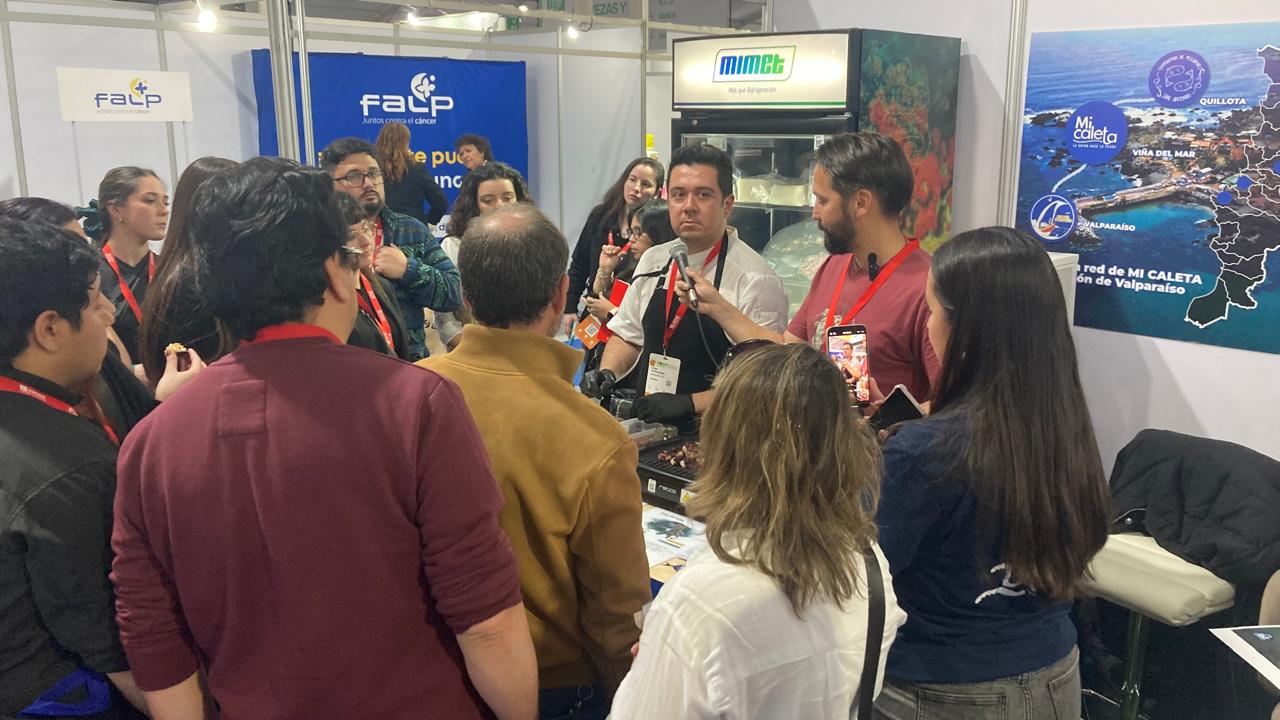
- Initiatives not only seek continuous improvements in fishing practices, but also ensure that the process is transparent and efficient.
In the context of the Fair Space Food & Servicethe most important for the food industry in Chile, Sustainable Fishing NGO launched two new fisheries improvement projects (FIP). These strategies seek to implement changes to ensure the long-term sustainability of two resources: the northern octopus and the jibia.
Gonzalo Araya, director of Market Links of the NGO, stressed the importance of these multisectoral efforts: “These projects not only seek continuous improvements in fishing practices, but also ensure that the process is transparent and efficient. From extracting the resource to reaching the tables of homes and restaurants, each link in the chain is vital to the health of the oceans.”
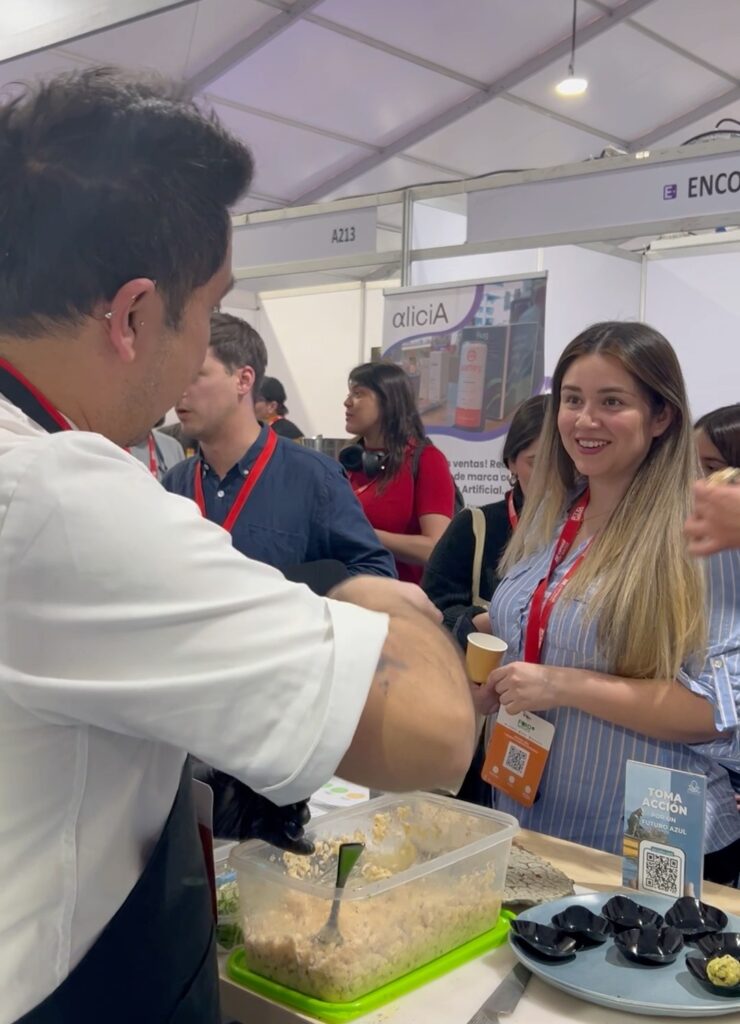
On this occasion, chef Jorge Olivares offered a tasting that highlighted the versatility and quality of both resources: northern octopus accompanied by chimichurri and a cause of potatoes with a fight, followed by a tartar of jibia with Spanish chorizo on a black suffado.
Progress States
Work on the sustainability of marine resources requires the coordination of different sectors, who contribute from their perspectives to identify the needs of the fishery in order to draw up a work plan.
Regarding the advances, Gonzalo Araya comments that in the case of the northern octopus they are already working a few months ago to strengthen the governance of the fishery and the main milestone has been the formation of a multisectoral working table: “According to the needs raised by its participants, we design a work plan. With this route already drawn we will focus on generating information about the population of the species and improve the management and commercial strategy of the fishery to achieve sustainability in the long term.”
On the jibia, he adds: “We are at an early stage. We have already called on different actors to participate in a multisectoral working group to assess the needs of the fishery. According to the results of the next meetings we will be able to define a strategy that addresses the main challenges of this fishery.”
Both proposals merged the local with the international, showing the gastronomic potential of these resources.
Future Blue: an alternative to contribute to the sustainability of sea resources
With more than 170 species available for consumption on the Chilean coasts, our country offers a wide variety of seafood. However, consumption is concentrated in few species. Future Blue is born as a unique platform of its kind, aimed at providing information on the environmental impact of marine products, allowing people to expand their range of options and diversify fish consumption and seafood.
In this sense, buying decisions play a fundamental role in the care of seafood. Gonzalo Araya invited the community to learn about this tool and use it: “Our role as consumers is key to helping the health of the oceans and their resources, so I invite you to explore the alternatives and information available in the Blue Future.”
More information at www.futuroazul.org