Academic addresses issues related to nutritional biochemistry, from different areas, both at the level of the human organism and at the cellular level.
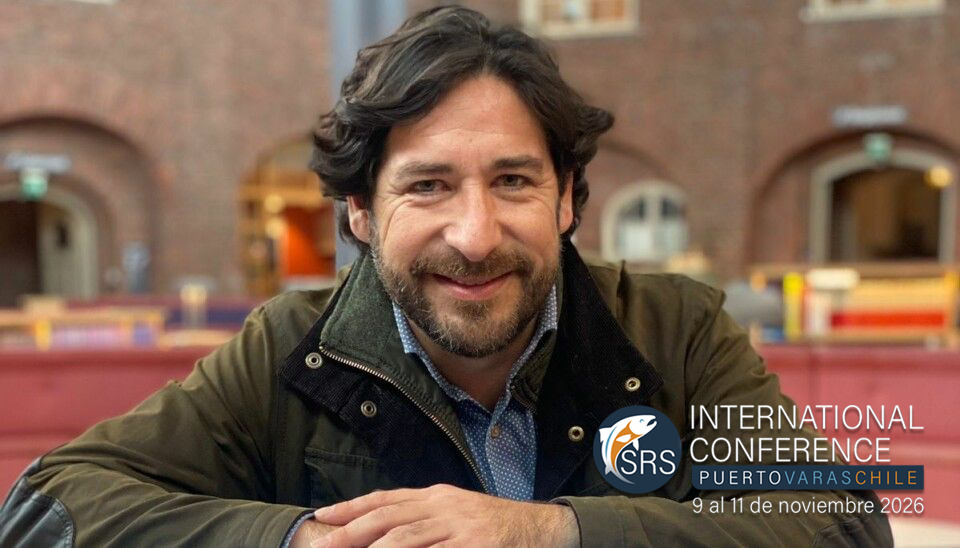
The Dr. Lorena Mardones, academic of the Faculty of Medicine of the Catholic University of the Holy Conception (UCSC) and researcher of the Centre for Research in Biodiversity and Sustainable Environments (CIBAS), covers its line of research from the molecular and cellular point of view of the different nutrients.
In this way, his research is linked to carbohydrates, lipids and antioxidants, studying how they are transported, how they are regulated and how their excess or lack affects human health. “We work from micro to macro, we seek to characterize compounds for their antioxidant and antidiabetic properties, studying the effect of hypercaloric diets,” he said.
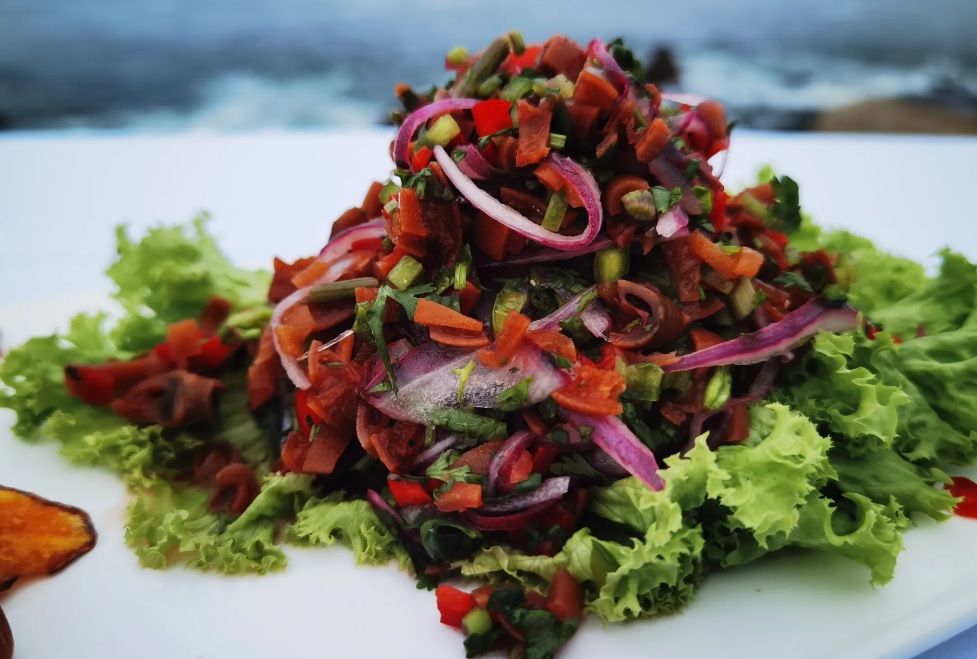
As part of her collaboration with CIBAS, she is interested in deepening the properties of cochayuyo and analyzing the effects of pollution on the waters. In the first instance, he began an investigation into the antioxidant capabilities of cochayuyo. Your idea is to move forward in both areas. “Together with Professor Carolina Aguirre, we have analyzed the protective effects of cochayuyo extracts on the harm caused by tobacco in antioxidant enzymes. The idea is to explore other effects of these extracts, such as healing or antiobesogenic. There is a lot of potential in our natural resources to be explored,” she added.
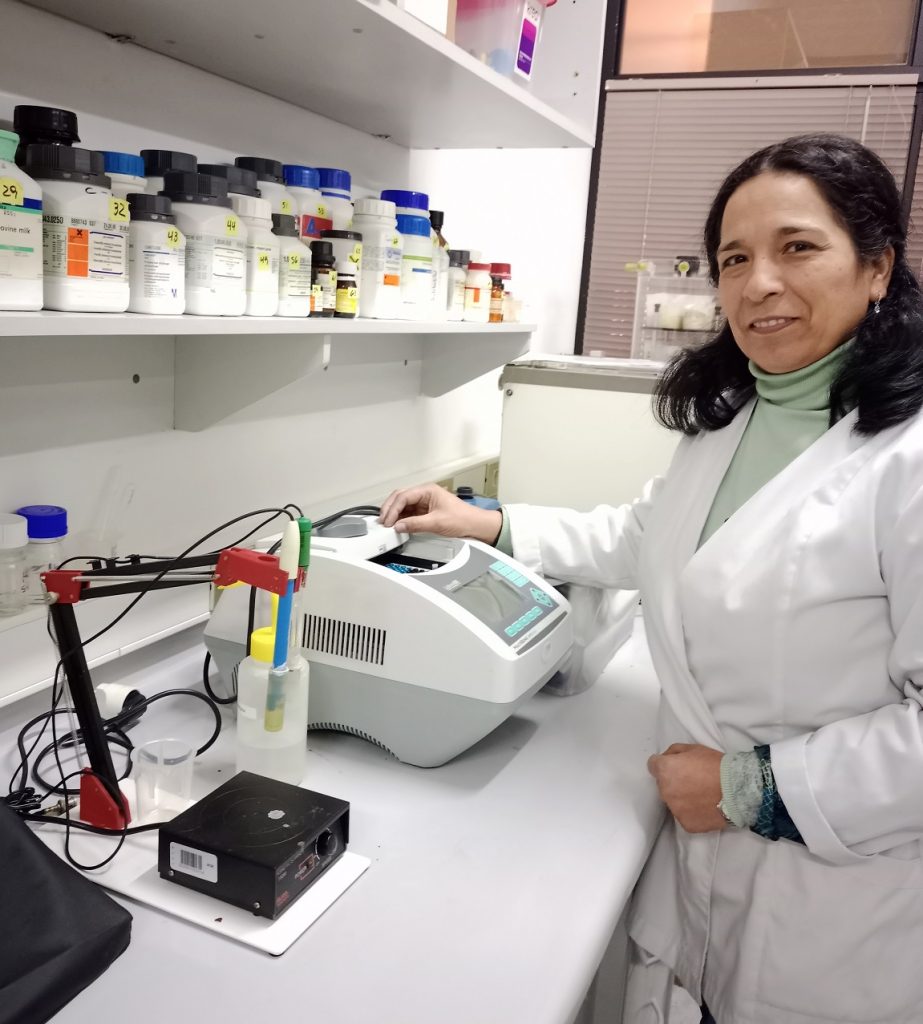
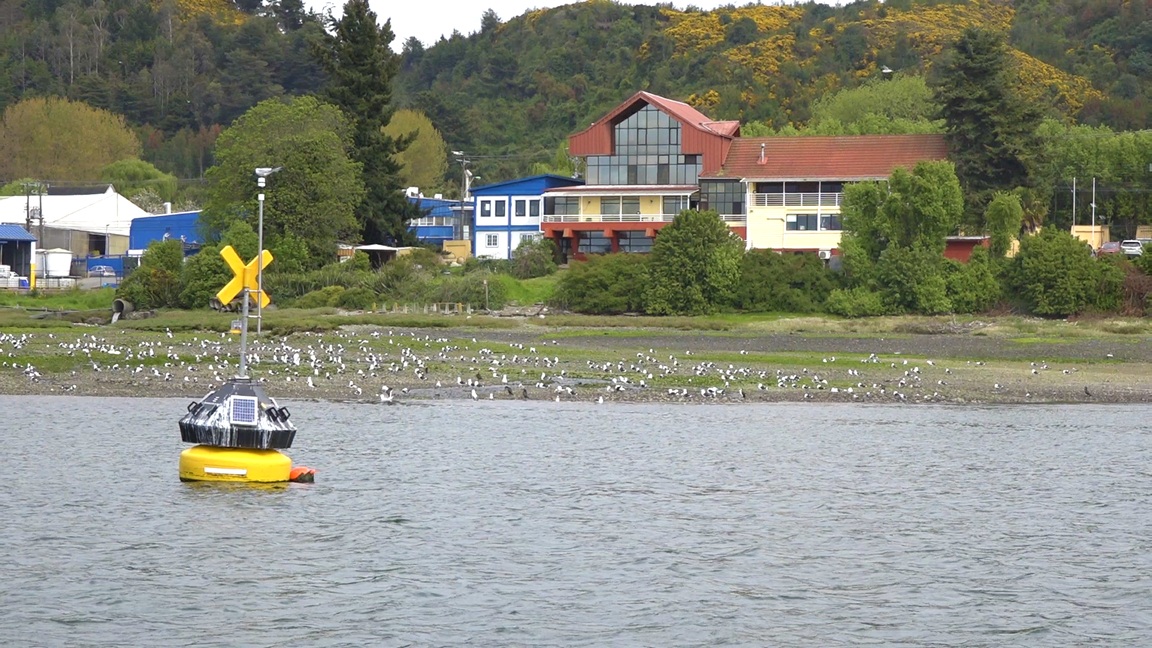
Another line of research is related to the use of bioassays for toxicity analysis. “Through a Regional Government FIC project, we want to work on an in vitro bioassay to see water toxicity. This topic is interesting, since most of the models used in Chile are in living organisms, here, we want to take it to a more basic model, studying metabolic changes and oxidative stress,” he said. Dr. Mardones. In addition, it projects its use in research related to microplastic contamination and other areas.
Importance of multidisciplinary
Since her line of research is broad and complementary to several themes, for the cross-cutting part of it, Dr. Lorena Mardones is betting on a multidisciplinary one. It is for this very reason that it participates in CIBAS, due to the diversity of topics that can be analyzed.
“For example, this new concept of a health, which is integral, considers the environment as a whole, beyond the terrestrial or the aquaculture. They cover all species. An example is zoonoses, which is a cycle that begins with animals and then passes to humans, it is about studying that interaction, which concerns us all,” he explained. The challenge is to look for the common denominator so that several lines of research can join together.
One of the plans that generates the most interest in Dr. Lorena Mardones, it's the connection of the lines of investigation. From the Academy and in particular, from the CIBAS, it is committed to collaborative work, since studies in different fields can be connected, generating a more global look regarding a topic.