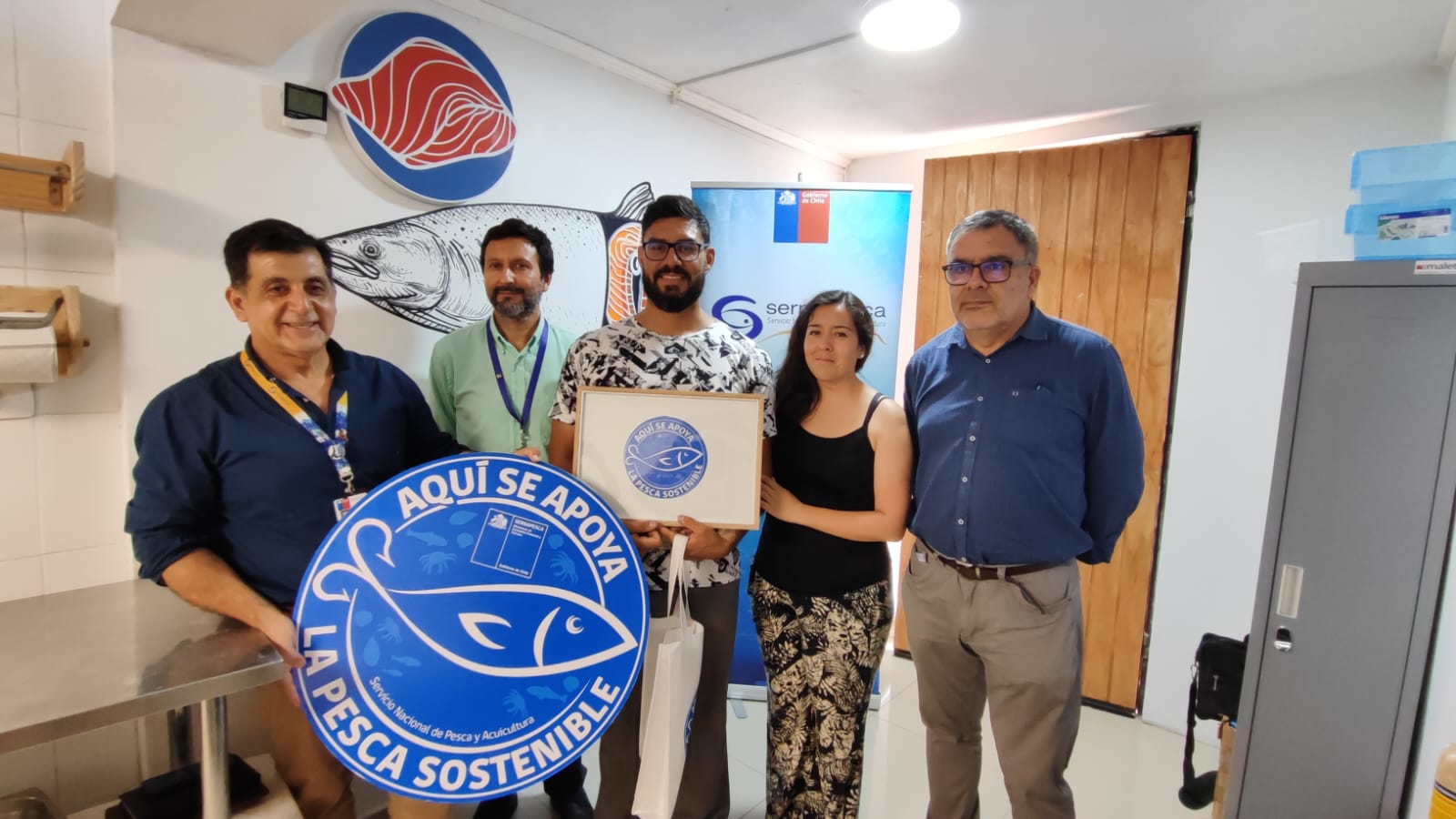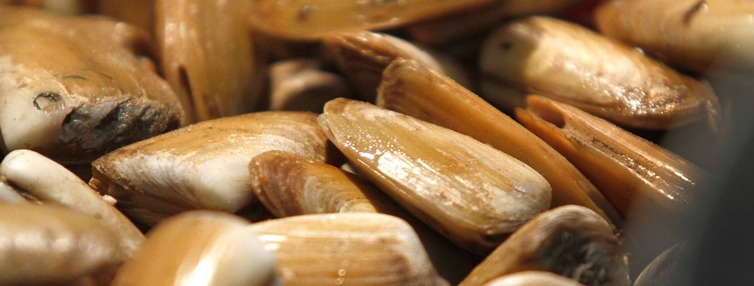
The initiative, which hopes to have its first results for Easter, seeks to improve the competitiveness and sustainability of this important artisanal fishing activity.
An innovative project to strengthen the macha fishing is being implemented in the Coquimbo region, led by Sernapesca in collaboration with the United Nations Development Programme (UNDP), the Corporation Procasur and Shellcatch, company specializing in sustainability solutions for fishing.
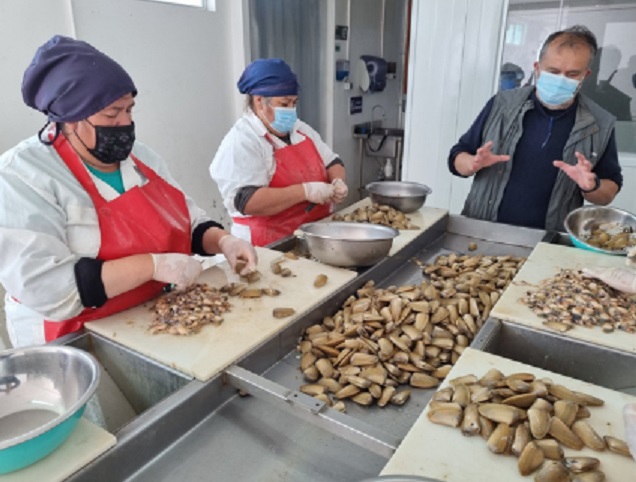
The project foresees that the format of sale and delivery of the macha is in nets of one kilo, which will have a traceability system with QR labeling that will allow consumers to verify the legal origin of the product and ensure that the machas that are purchased come from duly authorized and operated handling areas.
Thus, by scanning the QR code, buyers will be able to verify whether the product was extracted in compliance with the regulations, whether it comes from areas operated by fishermen and fishermen duly registered and with this, to have the safety that the machas they consume are legal and harmless for their health.
The initiative will focus on four fishing organizations operating in seven management areas, representing 99% of legal landings of machas in the Coquimbo region.
Strengthen and recognize legal production
Esteban Donoso, National Deputy Director of Sernapesca, explains that “the main purpose of the project is to strengthen the legal market of the macha and through this strengthening, to achieve that the macha produced in a sustainable way in the region of Coquimbo can differentiate itself in the market and influence the decision of purchase of all those who appreciate and love this resource.”
The above, considering that, as Pía Castillo, SEREMI de Economía, Fomento y Turismo de la Región de Coquimbo points out, “La macha is a highly appreciated resource at the national level and is one of the main gastronomic attractions of our territory, but, above all, it is the result of the dedication of women and men who deserve their work to be duly recognized and protected.
We are committed, as a Government, to supporting all those initiatives that seek to protect and promote artisanal fishing, and this is a clear example of this.”
In the same direction, for artisanal fishing organisations that extract the macha, the implementation of this project is an opportunity to produce more sustainably and strengthen the regional seal of the resource.
Franklin Zepeda, president of the Gremial Association of Artisanal Fishermen of Caleta San Pedro de La Serena, emphasizes that “we have always been interested in modernizing the entire production process of the macha, from the moment it is extracted until it is commercialized. The trade unions of the Coquimbo region are pioneering the implementation of this system and we hope it will be replicated throughout the country.”
Gabriel Reyes, Development Manager at Shellcatch, said that “this technology will also help preserve the resource and discourage illegal fishing, take significant steps towards more sustainable fishing, ensuring fair economic benefits for fishermen.”
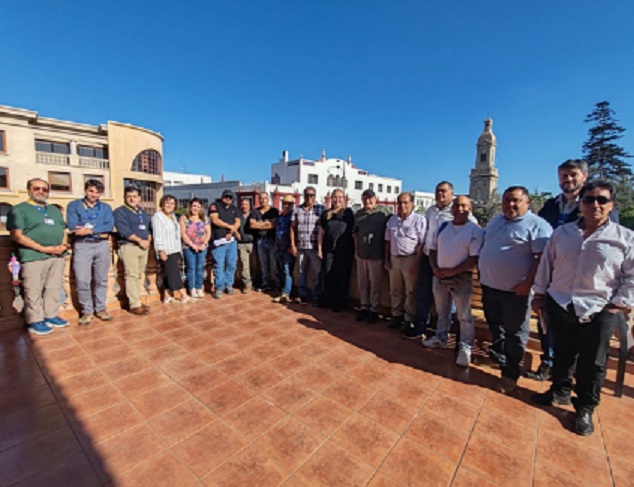
The main objectives of the programme include establishing a public-private working table, training fishermen in new technologies and promoting responsible consumption, ensuring fair economic benefits for artisanal fishermen and ensuring the sustainability of the marine resource.
Combating theft and illegal extraction
Another important point in ensuring the sustainability of the macha resource is to ensure that its extraction is carried out in a legal and authoritative manner. It is important to remember that the illegal extraction of machas in management areas is a crime, and their combat is a priority axis to guarantee the sustainability of the resource.
Abel Lizama, Regional Public Security Coordinator, says that “in September 2023, together with SEREMI for Economics and the Sernapesca Regional Directorate, the artisanal fishing unions and police officers, among other services, resumed a work table for the theft of machos that had been detained.
In this study, priority has been given to data collection to report in a forceful manner the theft to the Public Prosecutor’s Office of hot spots; the identification of collection points; and the control and search of illegal processing plants.”
According to the planning of the program, it is expected that in October the QR labels included in the nets of one kilo of fresh machas will already be available to the public, in order to ensure the traceability and safety of the product.