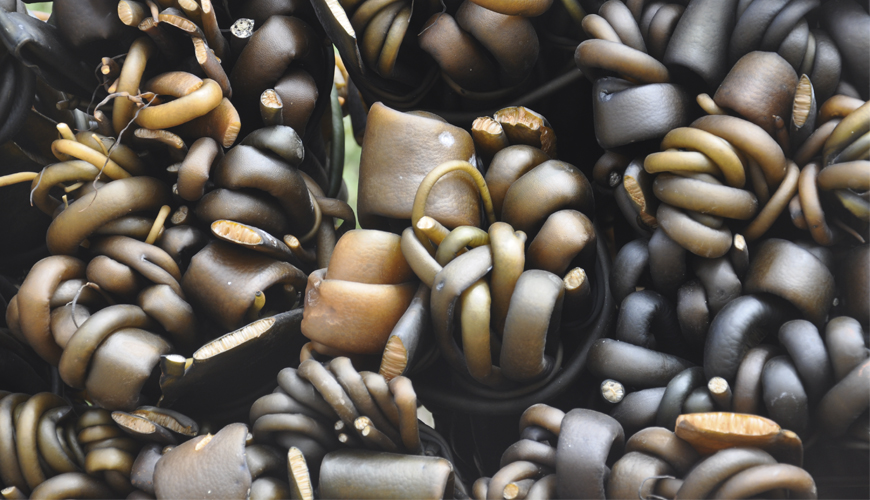
An international study, with participation from the University of Concepción, also highlighted the characteristics traditionally used to relieve gum pain in babies and speed up wound healing.
An investigation carried out by an international team of experts has revealed the first evidence of the antitumoral and antioxidant action of a type of molecules present in Durvillea antarctica, scientific name for the subantarctic brown algae that is distributed in Chile between Coquimbo and Cape Horn.
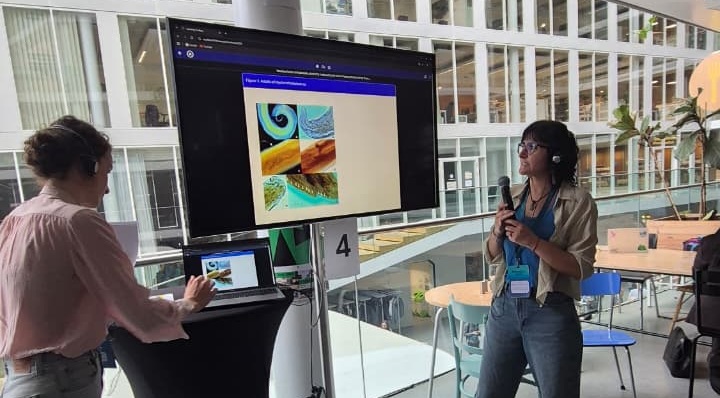
The academic from the Department of Botany of the Faculty of Natural and Oceanographic Sciences of the University of Concepción, Claudia Pérez Manríquez, joined the group responsible for this work which adds new value to a food recognized for its nutritional properties.
The study responds to the growing interest in bioactive compounds from marine organisms and highlights the contribution of the doctors Roberto Abdala (University of Málaga, Spain) and Sergei Drobetsov (Sultan Qaboos University, Oman), specialists in the area.
“His combined experience in marine biology and biochemistry has been instrumental in exploring the potential health benefits of marine resources and in particular brown algae,” says Dr. in Chemistry.
The researcher points out that there are previous studies on antioxidant and anticancer properties of other brown algae, adding that the potential of marine resources for pharmaceutical applications has stimulated more research in the area.
In this way, the team decided to focus on species less known as Durvillaea antarctica that, in addition to its high content in proteins and fibers, possesses a large amount of polysaccharides, a type of macromolecules that are characterized by having various bioactive properties.
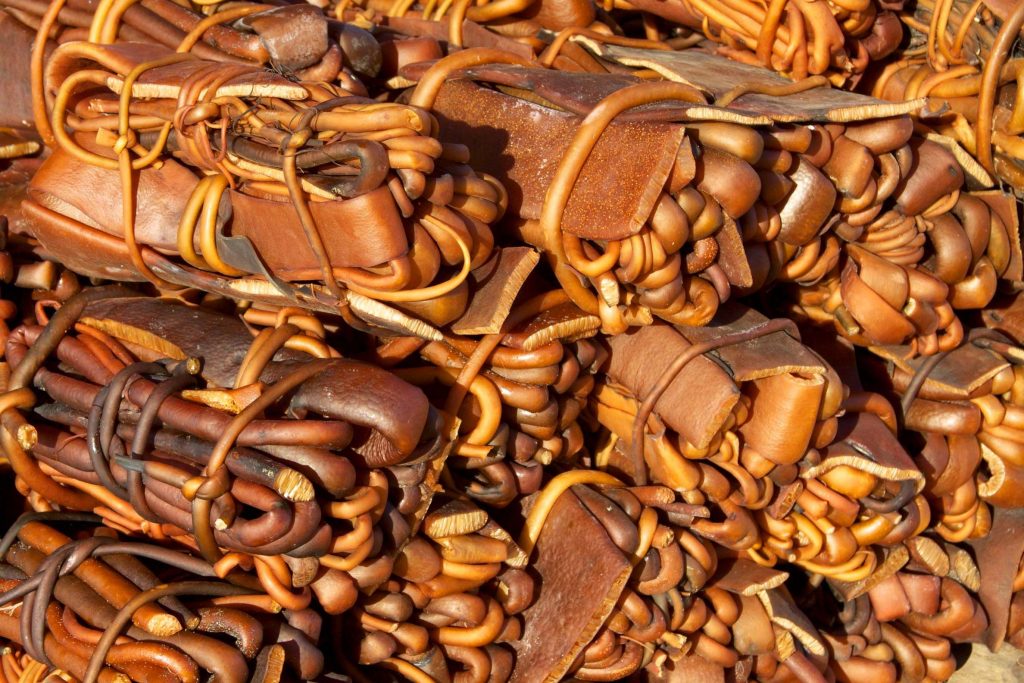
To understand the effect of cochayuyo polysaccharides on tumors, a series of in vitro trials were performed with cell lines of colon, breast, human leukemia, and lung cancer.
“The methodology involved treating these cell lines with variable concentrations of extracted polysaccharides and then measuring cell viability and apoptosis rates. The results indicated a significant reduction in cell viability, suggesting that polysaccharides have powerful antitumor properties,” says the expert in bioactive natural product chemistry.
The best results were observed in colon cancer lines, with a significant reduction in malignant cell proliferation.
Another finding from the research reveals that Durvillaea antarctica have an antioxidant power superior to those of other previously studied brown algae.
The researcher points out that this increased activity could be attributed to the unique composition and structure of polysaccharides present in the cochayuyo, which would facilitate a more effective elimination of free radicals.
“Specific isomers of identified sugars, such as arabinose, fucosa, manoose and galactose, are likely to contribute to this improved bioactivity, although more studies are needed to elucidate the precise mechanisms involved,” says the specialist.
In this way go the advances of the team around the structural characterization of the polysaccharides obtained from cochayuyo, work that provides the bases for future research for functional applications.
“Understanding the relationship between structure and bioactivity is crucial for the development of new therapeutic agents derived from marine resources,” he says.
Traditional uses
In addition to tests with cancer cells, a proteomic analysis of algae was included, showing an overxpression of different proteins involved in processes such as dentition and healing.
This gives support to traditional uses of cochayuyo in babies to relieve gum pain with the appearance of teeth and its application as an accelerator of the wound healing process.
The specialist draws attention to the contribution of this study in a context of absence of previous research on this algae and stresses that it is a comprehensive work on its bioactive capabilities that, in this way, stands as a source of compounds that could be used for pharmaceutical applications.
“As interest in natural products continues to grow, our work opens up avenues for further exploration of seaweed as a sustainable resource for the development of new treatments for diseases, particularly cancer,” notes Pérez.
It also states that such research projects a promising future for the use of marine biodiversity in health sciences. “This emphasizes the need to continue the exploration and conservation of these valuable resources,” concludes UdeC scientist.