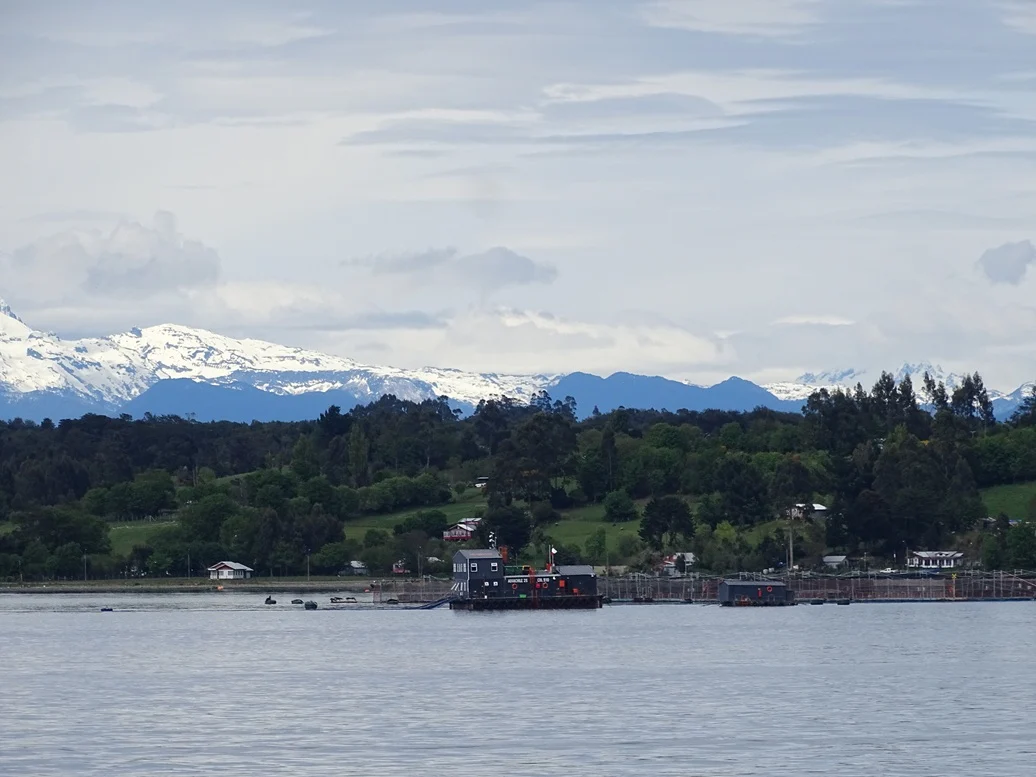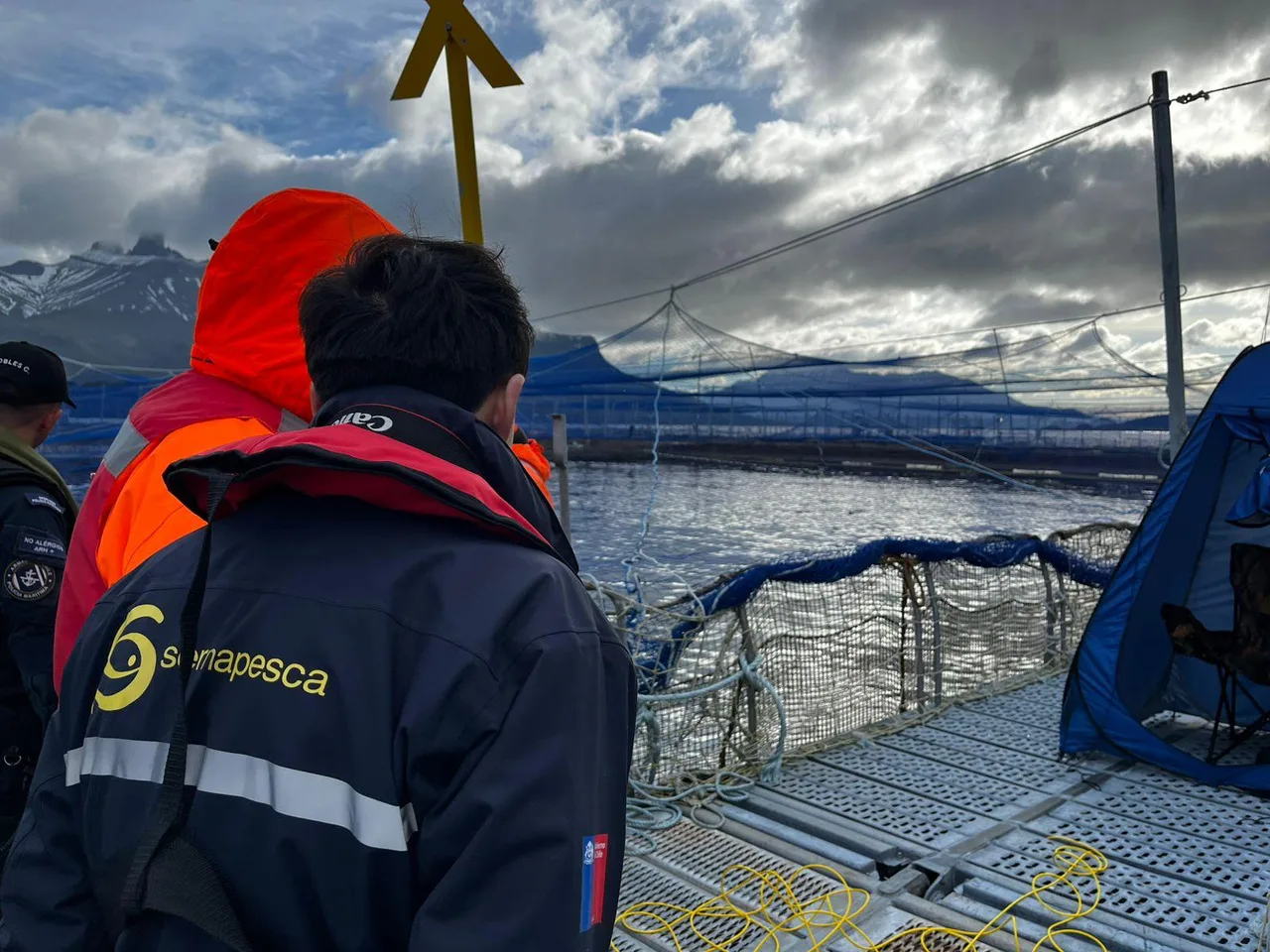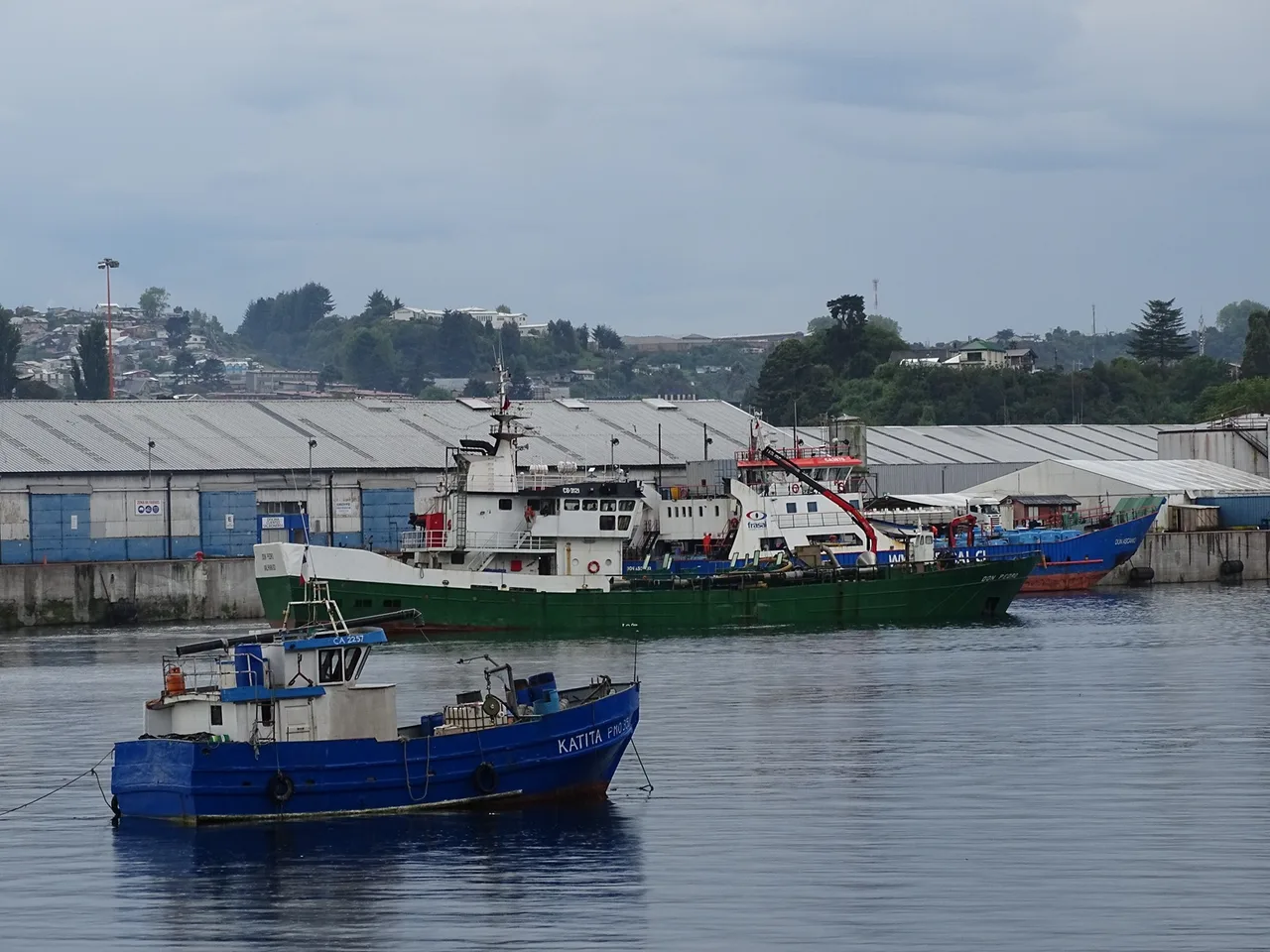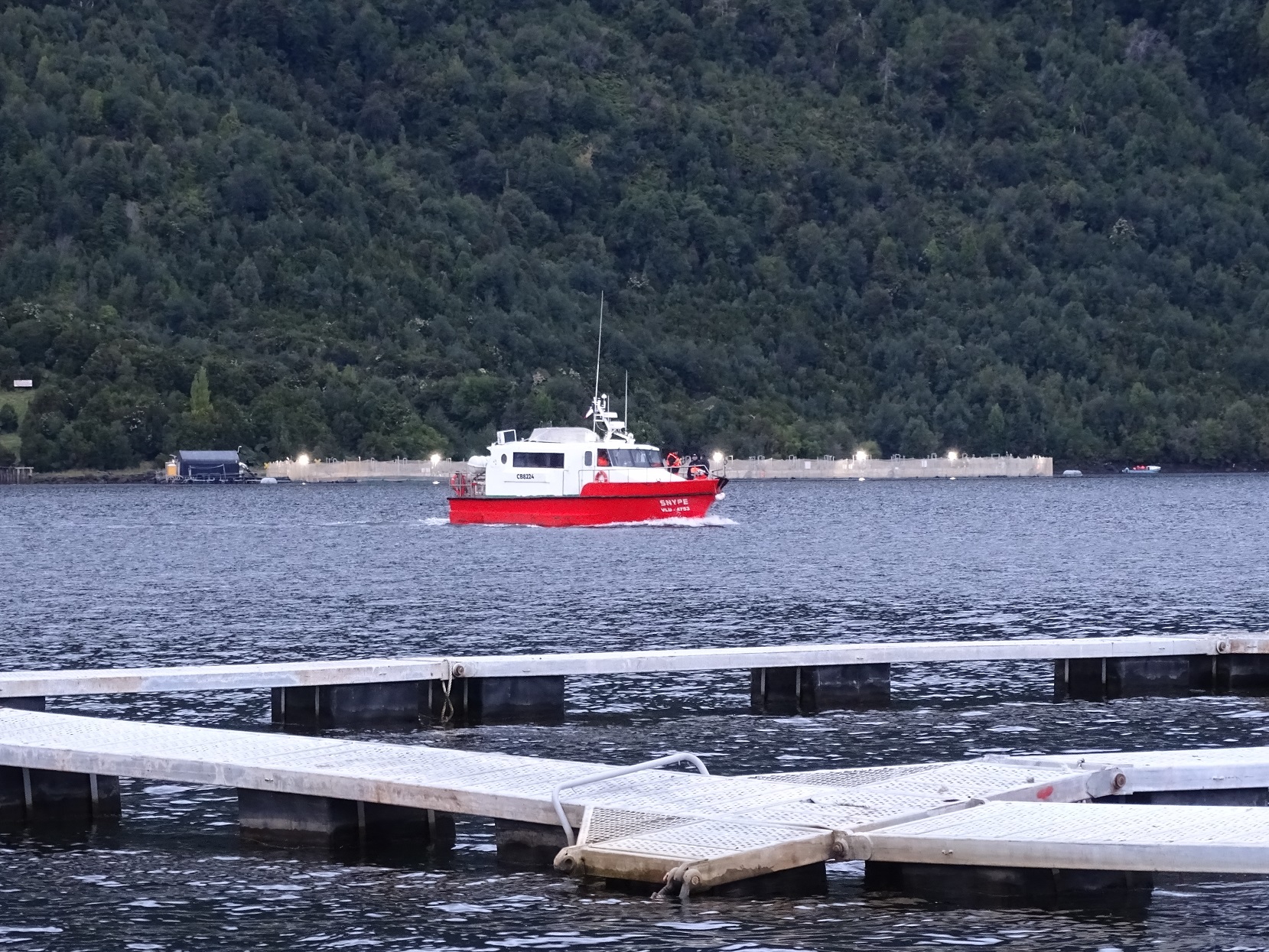
Salmon farming represents about 20 % of the regional GDP and has allowed the formation of a productive ecosystem that includes local suppliers, startups, research centers and technical training institutions, among others.
Aysén was the region with the highest economic growth in the country during the last period, with an expansion of 8.5%, according to the latest IMACEC report published by the Central Bank. This result was mainly driven by the aquaculture sector, with a prominent role for salmon farming, which consolidates as the main productive activity of the territory.
The figure reflects the impact this industry has had on the development of Aysén, from job creation to the revitalization of bays and coastal towns that historically were on the margins of economic growth. Currently, salmon farming represents more than 25% of the regional GDP and has enabled the formation of a productive ecosystem that includes local suppliers, startups, research centers and technical training institutions. among others.
In this context, the territorial representative of SalmonChile in Aysén, Fernando Camiruaga, highlighted that "salmon farming has been key to the economic development of the region and has generated concrete opportunities for many families. Today, beyond its economic contribution, there is a value chain that includes innovation, human capital and relationships with local communities. To continue progressing, an aquaculture legislation is required" modern, which provides certainty for investment, reinforces sustainability and allows the joint work developed over decades to be consolidated.
Unlike other regions, where growth has been associated with sectors such as mining, in Aysén the dynamism comes from the group called "other goods", which includes salmon farming. This data shows the strength of a decentralized productive model, with potential to continue growing in harmony with the environment and the communities of the southern south.