UCSC postdoctoral project seeks to reuse fish scales to eliminate persistent pollutants and heavy metals from water, through the development of nanomaterials.
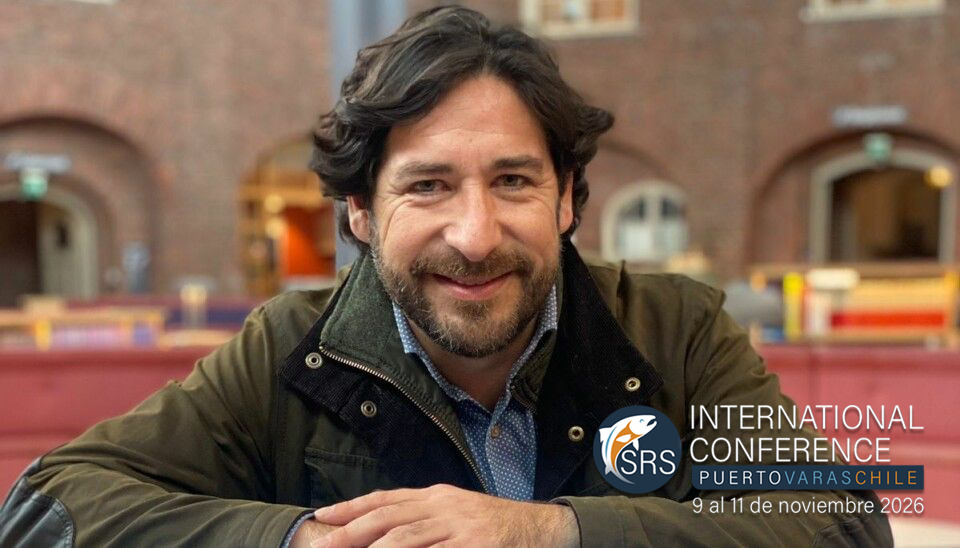
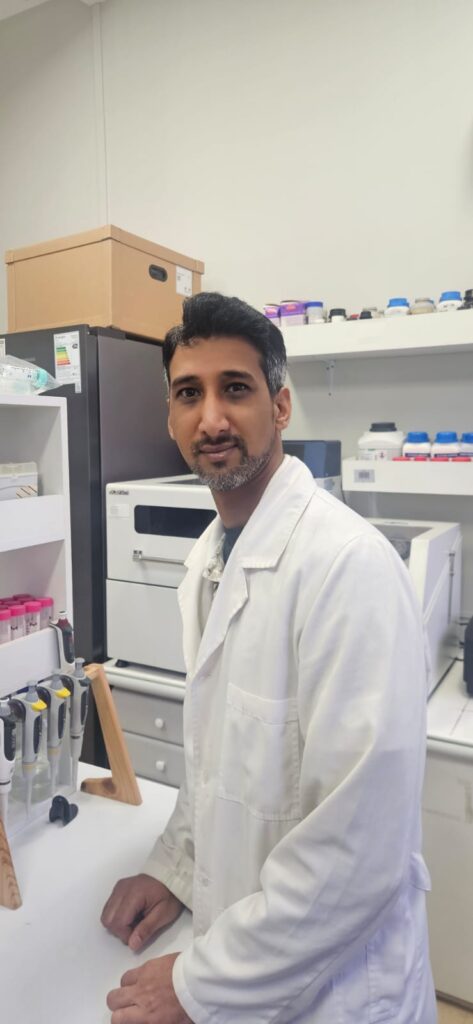
In July 2025 he joined the Faculty of Sciences of the Catholic University of the Holy Conception (UCSC) Dr. Chandra Shekhar Bahtt as a postdoctoral researcher. With undergraduate and postgraduate studies in Biotechnology, its research line focuses on the manufacture of nanomaterials for biomedical and environmental remediation applications for the development of sustainable solutions.
Along with the academic of UCSC Dr. Dariela Núñez will develop the project entitled “Biological residues of fish flakes as a sustainable resource for the elimination of heavy metals and their reuse as catalysts for wastewater treatment” (Project FONDECYT No. 3250342).
Water pollution by heavy metals and Persistent Organic Pollutants (POPs) represents one of the most important environmental challenges of the XXI century. In this context, the project to be developed between 2025 and 2028, proposes an innovative and sustainable solution: to transform fish flakes, an abundant residue of the aquaculture industry, into a nanomaterial with the capacity to eliminate pollutants present in water residual.
From waste to bioresources
POPs are chemicals that, due to their properties, remain in the environment for long periods. On the other hand, large-scale mining activities represent an increasing risk of heavy metal pollution through industrial discharges. Both types of pollutants accumulate in living organisms, causing adverse effects on human health and the ecosystem. “For this reason, it is necessary to develop more efficient and cost-effective technologies, since conventional treatment methods are often expensive and demand large amounts of energy, making it difficult to implement on a large scale," said Dr. Chandra Shekhar Bhatt.
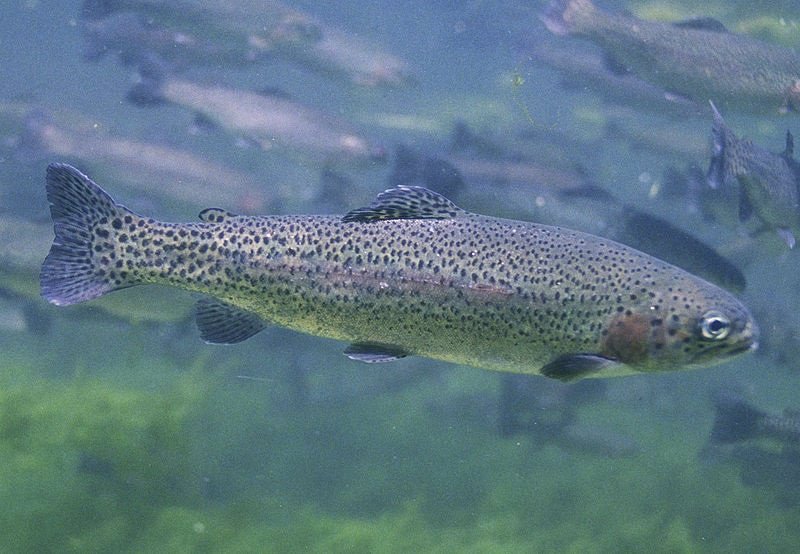
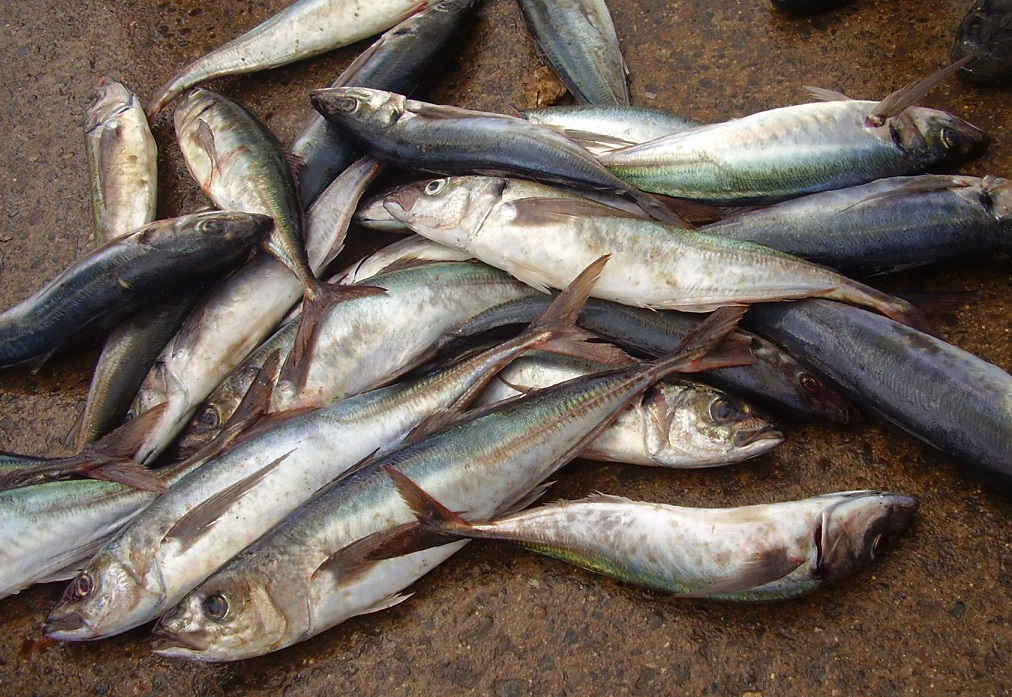
The aquaculture industry generates significant quantities of fish flakes, a biological waste with great potential for sustainable environmental remediation. Since they are rich in protein and hydroxyapatite, scales can efficiently adsorb heavy metals from polluted waters and it is precisely this potential that is to be exploited in this initiative. “Then, fish scales loaded with metals are charred for form magnetic or metallic carbon-based catalysts capable of degrading POPs by different photo-Fenton reactions. This strategy allows both the removal of pollutants and the recovery of fish residues, offering a circular and cost-effective solution for large-scale water decontamination,” he added.
During the three years of project implementation, Dr. Chandra Shekhar Bhatt aspires to generate frontier knowledge in the field of contaminated water treatment, which contributes significantly to the scientific development of the Faculty of Sciences and the positioning of UCSC as a benchmark in applied and sustainable research. Its aim is not only to advance innovative technological solutions, but also to strengthen academic ecosystem by training students, linking with other researchers and projecting results that respond to global environmental challenges.