A little over a year from its inception, the initiative demonstrates the potential of indigenous marine yeasts as a key nutritional supplement in sustainable aquaculture. The first studies showed viability and functionality of micro-organisms even after the pelletisation process and their exposure to sea water.
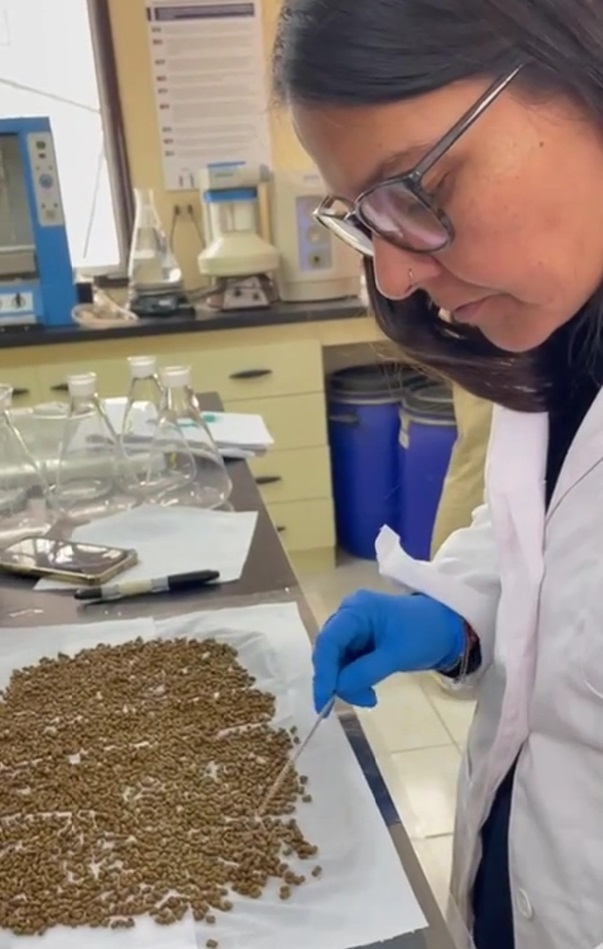
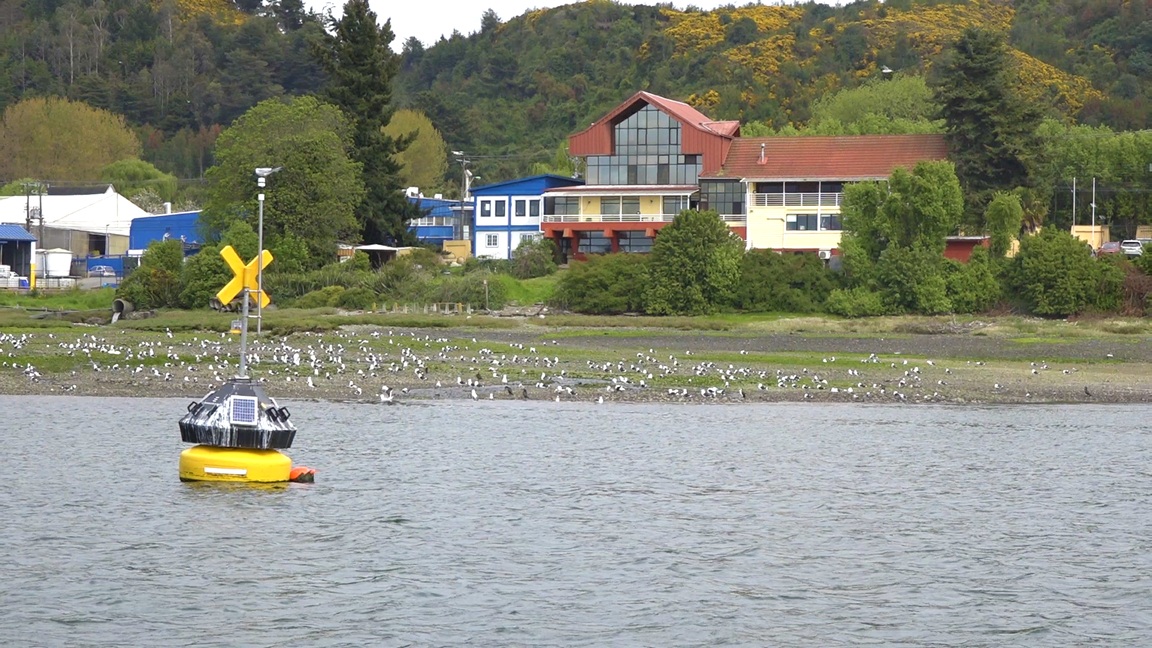
The FONDEF project “Indigenous marine yeasts in marine fish diets for the pre-fat phase”, led by AquaPacific Aquaculture Innovation Center and funded by the National Agency for Research and Development (ANID), it already shows significant advances in the development of a pioneering food for marine fish, based on marine yeast adapted to the Chilean ecosystem.
Under the scientific direction of the Dr. Katherine Alveal, AquaPacific researcher, the team achieved significant achievements, after a rigorous selection process, it was possible to isolate native yeast strains with exceptional biological properties, highlighting their nutritional value and their adaptation to local conditions.
“We are at a crucial stage of the investigation. Every advance brings us closer to demonstrating that marine yeasts can be a key tool for more efficient and resilient aquaculture,” says Alveal.
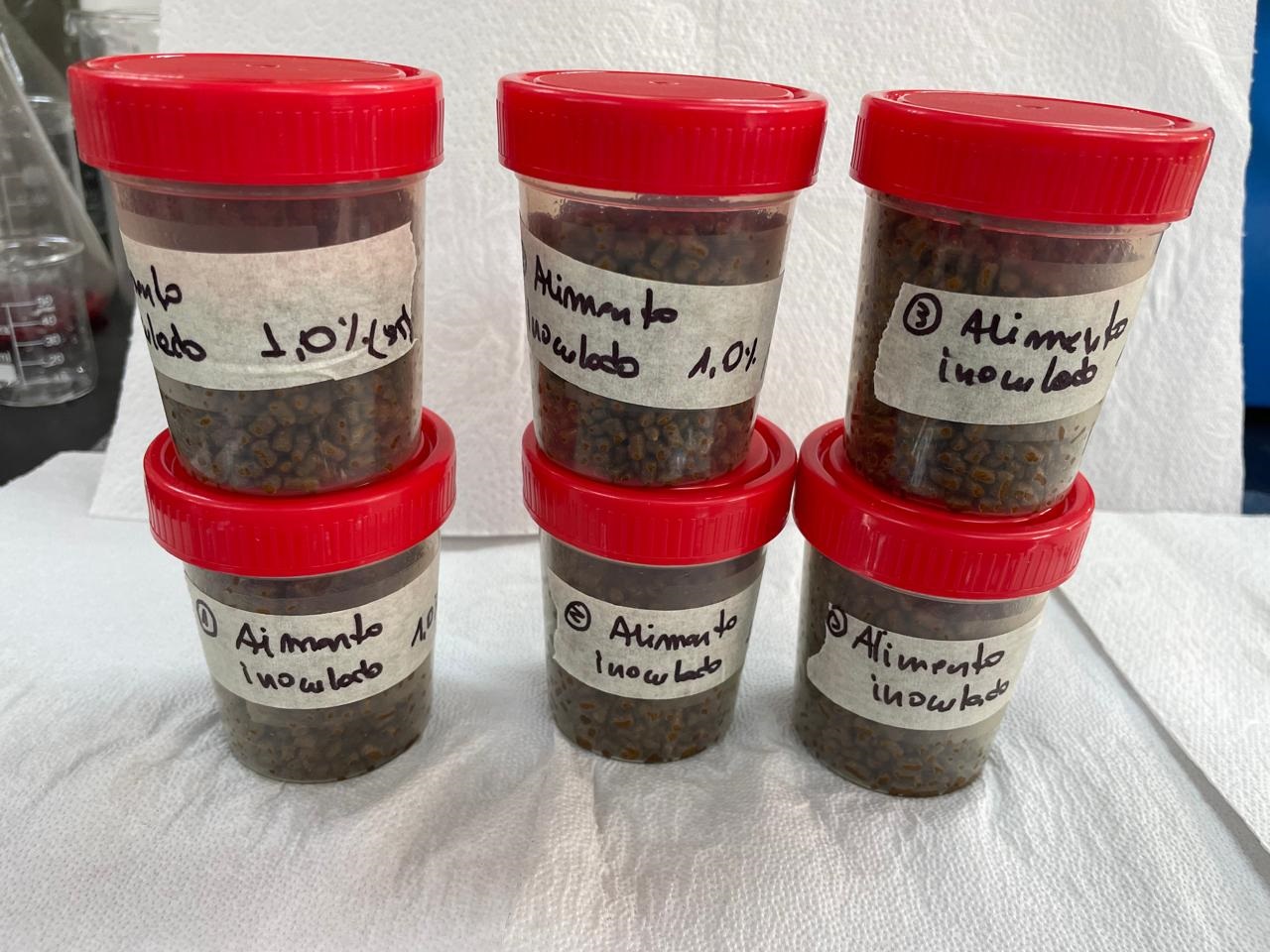
One of the recent milestones of the project is the successful formulation of an experimental food enriched with these yeasts. This formulation maintains the viability and functionality of micro-organisms even after the pelletisation process and their exposure to sea water. Preliminary physicochemical tests confirmed its high stability and quality, providing a solid basis for the next phases of the study.
“These initial findings firmly support our hypothesis, confirming that we are on the right path to improve the productive parameters and resistance of fish,” says the researcher.
Bioassay Stage
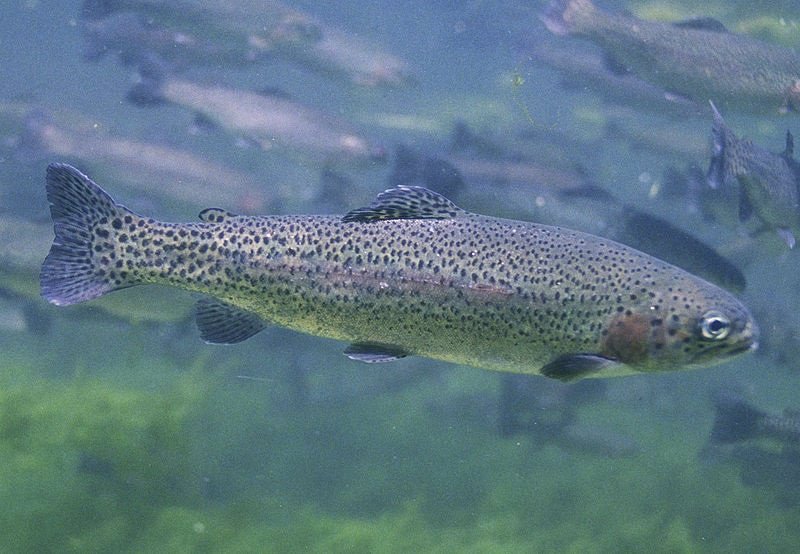
In the coming months, the team will begin a decisive stage consisting of bioassays under controlled conditions with young people who are Seriola lalandi (known as dorado or palometa), allowing to evaluate and quantify the direct impact of food on parameters such as growth, survival and response to challenging environmental conditions, such as hypoxia.
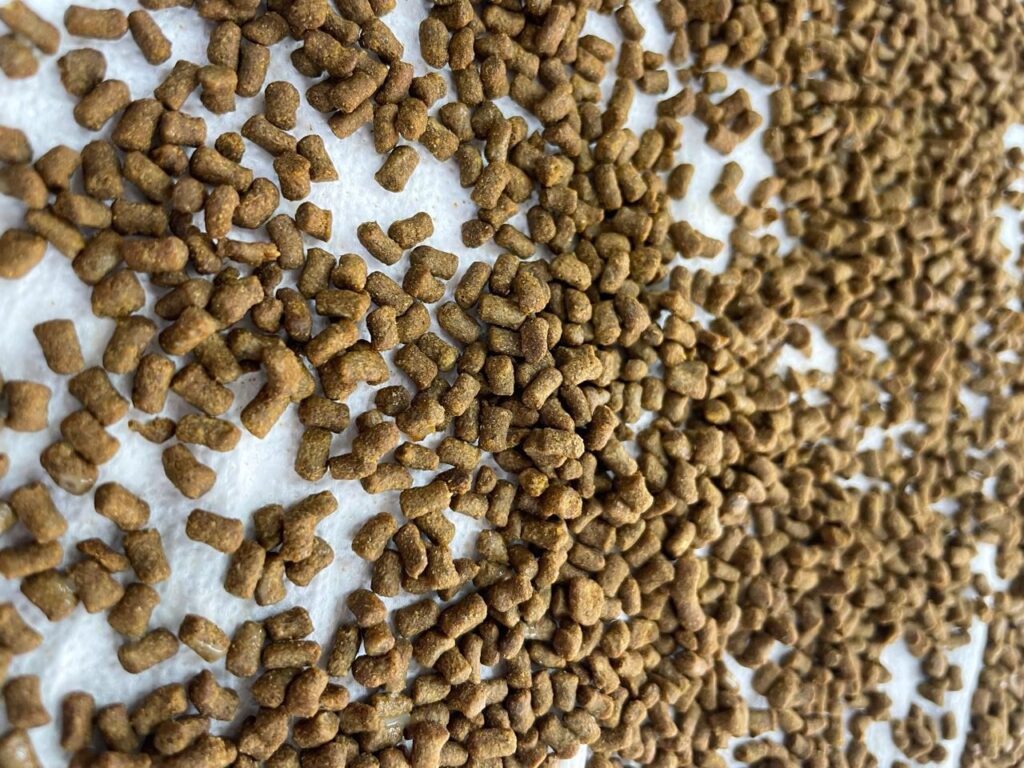
The project also stands out for its collaborative approach, which integrates key actors of the scientific-technological and productive ecosystem. Among the strategic partners is the company Acuinor S.A., together with academic institutions such as the Institute of Nutrition and Food Technology (INTA) of the University of Chile and the Catholic University of the North, whose participation enriches the scientific and technical basis of development.
“We are convinced that the results of this project will not only provide cutting-edge scientific knowledge, but will also offer a practical solution with a real transformative impact potential for more efficient and sustainable aquaculture at the national and international levels,” says Dr. Alveal.
This initiative seeks not only to validate a new nutritional alternative for the aquaculture industry, but also to contribute to the development of local, sustainable solutions with a high impact on the productivity of the sector. If it continues with positive results, this food could be scaled up for commercial application, contributing to a more innovative aquaculture adapted to the current challenges.