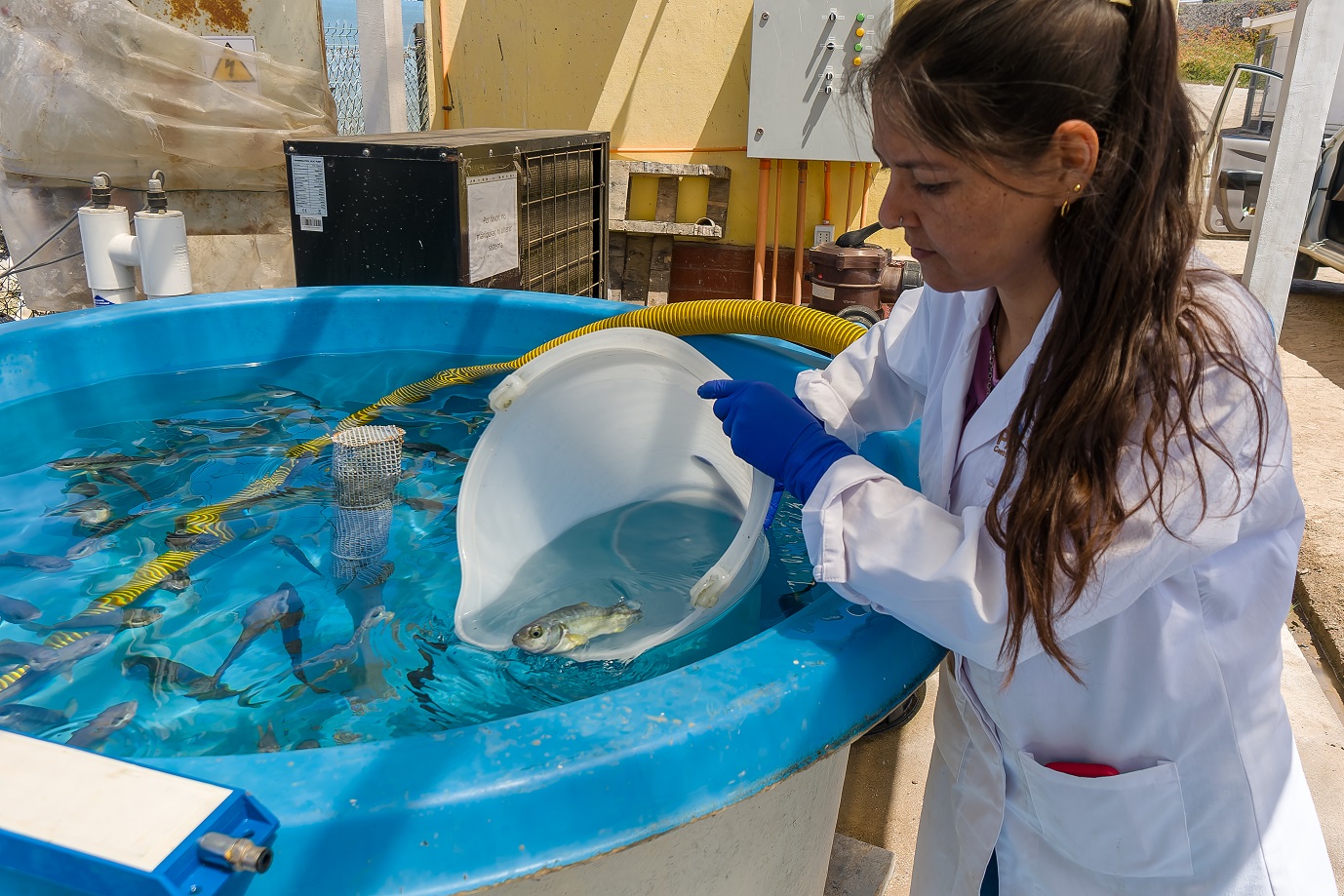
Project hypothesis is that the inclusion of these yeasts will improve the growth rate and survival of specimens exposed to hypoxia events (low oxygen).
An innovative proposal led by the Dr. Katherine Alveal, scientific researcher of AquaPacific Aquaculture Innovation Centeris being developed with the Scientific and Technological Development Promotion Funds (FONDEF) of the National Agency for Research and Development (ANID), whose aim is to investigate the potential benefits of incorporating marine yeasts into diets formulated for native marine fish under cultivation, which could improve both the growth rate and survival rate.
The project consists of developing a prototype of formulated food that will be supplemented with a mixture of indigenous marine yeasts, with the aim of improving physiological and productive well-being in the pre-fat phase of marine fish. The hypothesis put forward by the project is that the inclusion of these yeasts will improve the growth rate and survival of specimens exposed to hypoxia events (low oxygen).
Marine yeasts are unicellular fungi or microorganisms naturally present in the intestines of fish. “They form part of the intestinal microbiota of healthy fish, stimulate their immune system by compounds that form part of their cell wall such as β-glucans and manoproteins and protect them from infectious diseases. In addition, they produce high biological and nutritional value compounds such as proteins, vitamins, pigments, enzymes, nucleic acids and polyamines,” explains Dr. Alveal.
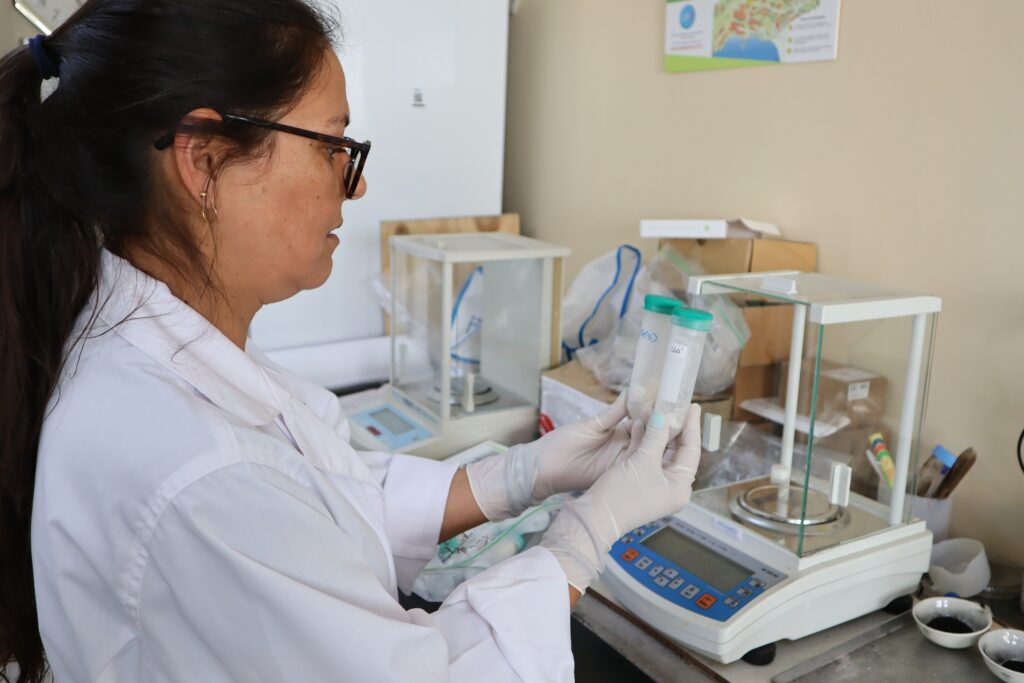
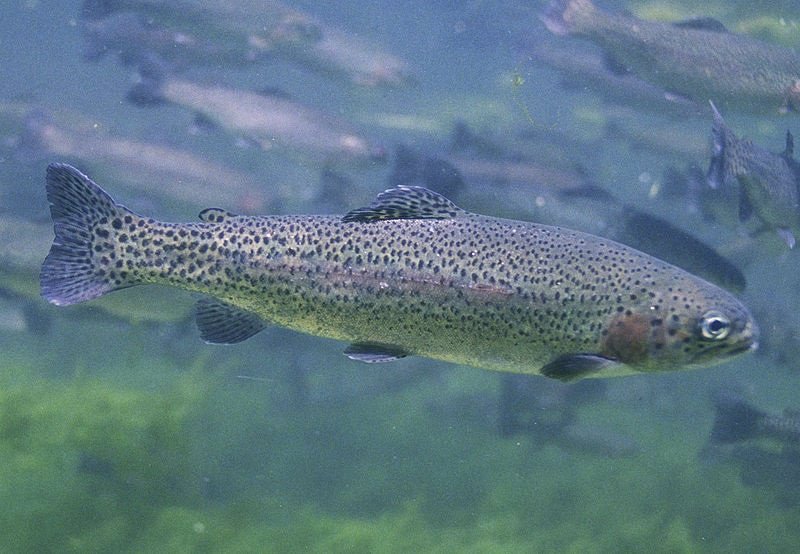
In the same vein, the researcher points out that “indigenous marine yeasts can be included as supplements in the food formulated for marine fish, being able to contribute with a beneficial effect in the pre-fattening stage of Palometa (Seriola lalandi), a species that has now acquired a special commercial interest at national and international level”.
Project stages and partners
The project contemplates two crucial stages, the first corresponds to the formulation and elaboration of a food supplemented with a mixture of marine yeasts, selected from a reservoir of the laboratory of Microbiology and Probiotics of the Instituto de Nutrición y Tecnología de los Alimentos (INTA) de la Universidad de Chile (UCh), an institution that is also a co-executor of the project. It should be mentioned that the food supplemented with the yeast mixture will be produced at the AquaPacific Center and the Catholic University of the North (UCN) food pilot plant.
Paola Navarrete, Professor associated with INTA-UCh and alternate director of the project, commented that “in this project, our INTA research group, which has an extensive collection of yeasts isolated from marine fish, will select those strains capable of growing under hypoxia conditions and produce enough biomass for use in fish feeding.”
He also indicated that “selected yeasts will be incorporated into the formulated food and we will ensure that they remain viable in it. Later, in experiments in fish, we will evaluate whether yeasts administered through food are kept alive in the intestinal tract of fish, an essential requirement to consider them probiotic.”
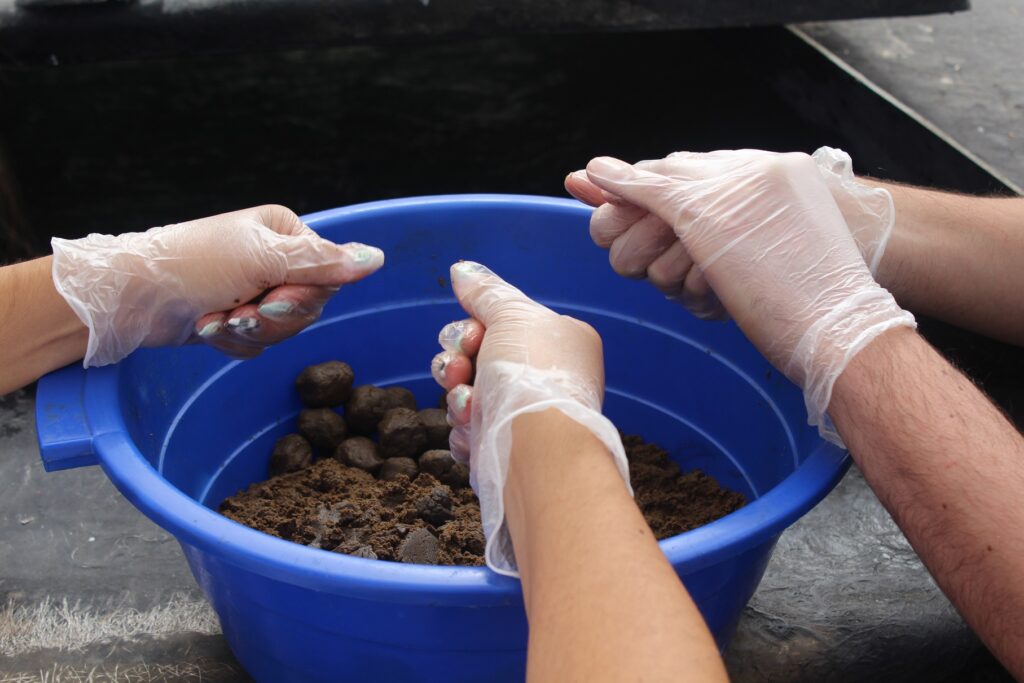
The second stage of the proposal includes the evaluation of the effects of this food on productive parameters (growth and survival) and on the exposure of Palometa juveniles to hypoxia events.
To this end, food bioassays will be developed by professionals from the AquaPacific Center and the UCN, who have extensive experience in the cultivation of marine fish. These tests will be carried out in units of the University's Fish Laboratory and in institutions associated with the project. For its part, the company Acuícola del Norte S.A. (Acuinor) located in the Commune of Caldera in the Atacama Region, will participate as a partner in the technical and productive activities of this proposal.
Anticipate climate projections
This initiative arises in response to the need of the aquaculture industry to anticipate the potential environmental changes that are projected due to the rapid advance of Global Climate Change, a situation that is generating changes in living conditions in the ocean that will become more and more recurrent.
In the case of the Chilean coasts, an increase in the frequency and intensity of the winds is projected that would cause an increase in oceanographic events such as the surge, generating a decrease of dissolved oxygen in areas defined as Aptas Zones for Aquaculture.
Added to the growing interest of companies and institutions to expand the productive matrix and to engage in the cultivation of native marine fish. All of the above supports the urgent need to find productive strategies that allow the cultivation of marine fish not to be mostly affected, for example, by hypoxia events in the coming decades, even more so when an increase in the frequency of these occurs.
AQP Fish Line
AquaPacific is a Center for Aquaculture Innovation for the northern central zone of Chile that emerged from the alliance of two institutions that have been developing this productive scientific field for more than 50 years: Universidad Católica del Norte (UCN) and Fundación Chile (FCH). With the support of CORFO, and subsequently of ANID, the union of these capacities was realized, in a new platform that realizes, promotes and promotes aquaculture, both regional and through the development of R & D & I processes aimed at the creation of new products or services of high value and market potential.
It is in this context that the centre focused its efforts on four main lines of aquaculture development, which correspond to molluscs, fish, algae and nutrition. In the line of Fishes, the Centre develops R & D and technology validation jointly with its founding partners and other institutions. In addition to offering services based on validated protocols for capture, acclimatization and maintenance.
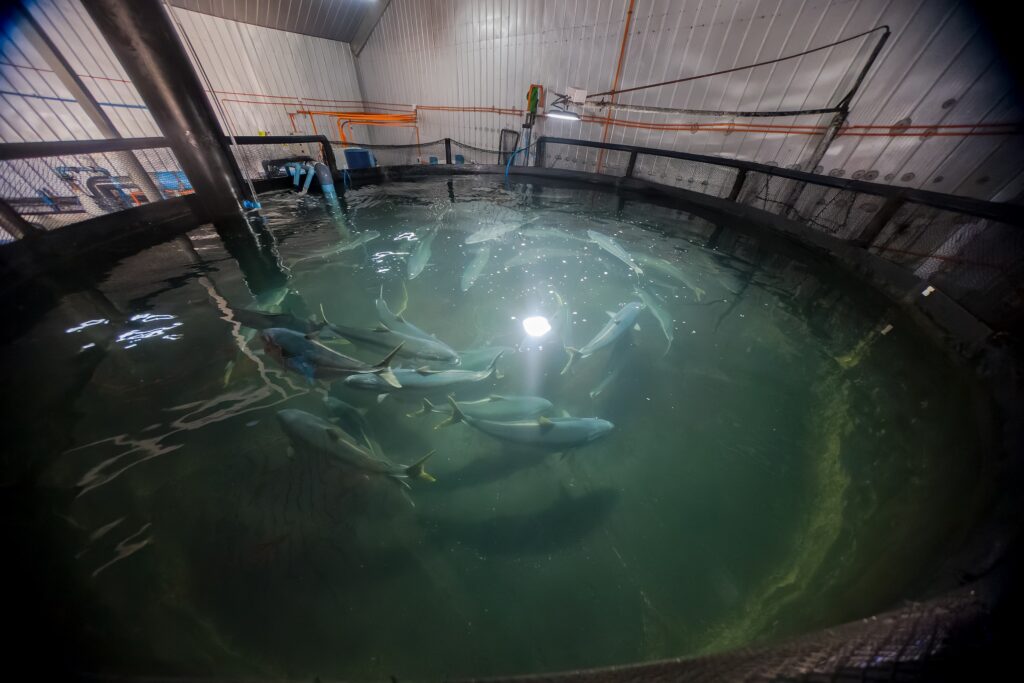
In addition, the center has capacities for the sale of ova and breeding, facilities dedicated to the capture, acclimatization and maintenance of breeding Seriola lalandi, specialized health services, technology transfer and technical assistance for the training of new breeding plants. All of the above focused on small-scale aquaculture and large industry.
Claudia Soto, executive director of AquaPacific notes that the Seriola lalandi, palometa or Kingfish Yellowtail has become a kind of commercial interest both nationally in the north, and internationally. Its rapid growth and low health management, combined with recirculation technologies and attractive market value, have made it possible to increase its cultivation worldwide. “Our Center, seeking to contribute to the industrial development of this species, has established a line of work aimed at non-salmonized marine species, within which we have developed and validated various protocols to assist investors and companies interested in the cultivation of this species. In this line, we are currently collaborating with several companies producing Seriola lalandi, mostly international.”