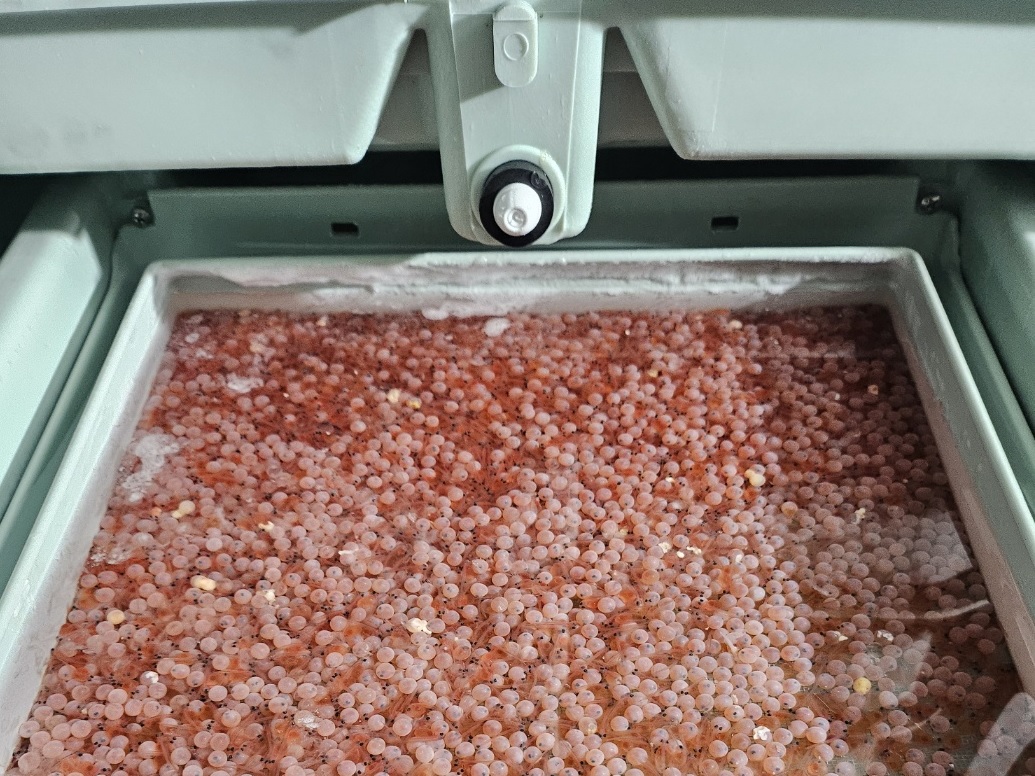
Hendrix Genetics Chile, a national company specializing in aquaculture genetics, part of the Dutch group of the same name, finalized the first shipment that will allow producing salmon in the province of Gangwon.
From the town of Curarrehue, in the pre-Cordillera of the Araucanía region, the first shipment of Chilean salmon eggs to South Korea was made a few days ago, marking a new chapter in commercial relations between the two countries, highlighted the regional director of ProChile, Claudia Rojas Sanhueza.
The general manager of Hendrix Genetics Chile, Rodrigo Torrijo, explained that the project arises from an initiative by the South Korean government to boost local salmon production, considering that the country imports nearly 60,000 tonnes annually of this fish from Norway and Chile. The strategy aims to take advantage of recirculating aquaculture systems (RAS) to develop national production.
Export was carried out through a contact with Blugen Inc., a leading Korean aquaculture company, and was directed to the Gangwon Cold Water Fisheries Resources Provincial Center, where the initial phase of the project will be carried out.
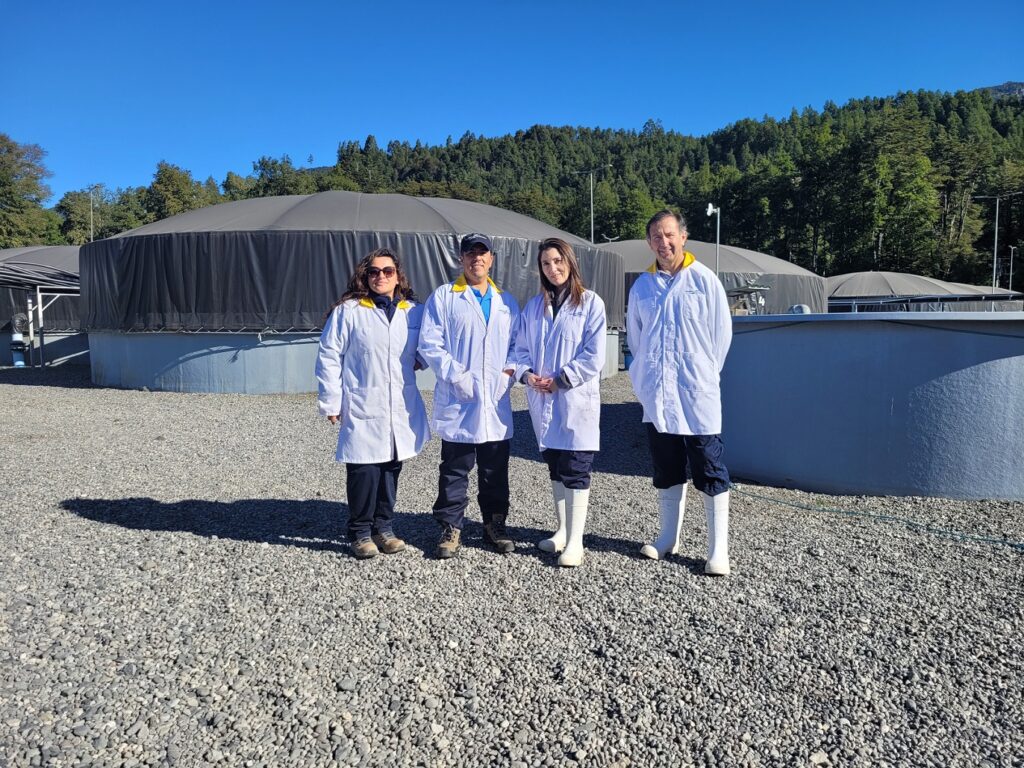
Based in the Netherlands, Hendrix Genetics stands out for its innovation in the field of biotechnology, specifically focusing on the continuous genetic improvement of sea trout and salmon. Its main objective is to develop fish that exhibit accelerated growth and notable resistance to various diseases. Through this meticulous genetic selection, the company manages to produce eggs that develop into smolt, which are later transferred to the marine environment to complete their adult development cycle, reaching the optimal weight required for harvesting.
Rodrigo Torrijo, general manager of Hedrix Genetics Chile, highlighted that the shipment was possible after joint work with ProChile and its commercial office in Seoul, with Sernapesca and with Korean health authorities to authorize the export certificates, a process that took several months of management.
The eggs transported have genetically developed characteristics for RAS systems, with a high growth rate and minimal risk of early maturity, fundamental conditions for the success of cultivation in controlled environments.
The transfer of the eggs represented a significant logistical challenge, considering the distance between Chile and South Korea. The shipment was carried out by cargo flights, with a total transportation time of three days, maintaining the required quality standards.
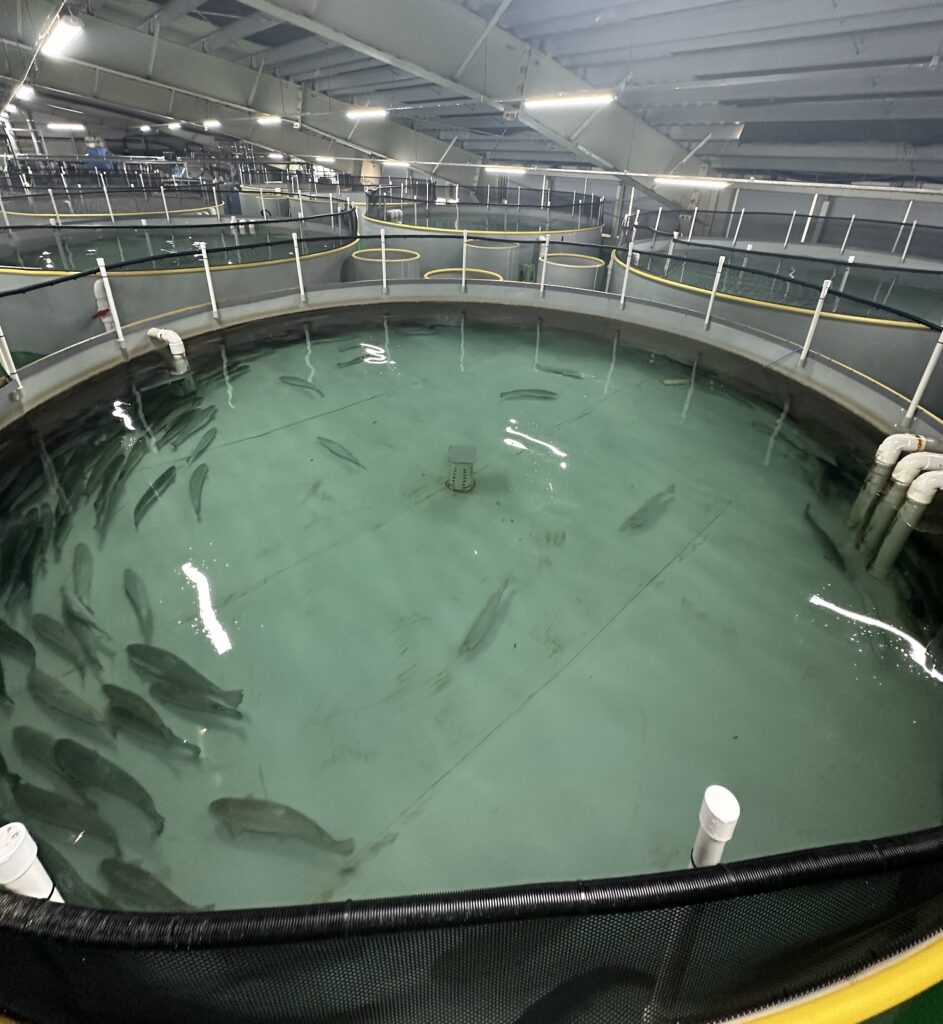
With a plant located in the precordillera of Araucania, the company has water of very good quality, essential for the production of salmon ova. It also occupies a significant amount of labour in the commune of Curarrehue, in addition to having paved routes for a quick connection to the airport of Temuco.
Torijo explained that this new demand from South Korea will be able to sustain it with its current productive capacity and are ready to respond to future requirements, with the possibility of expanding its infrastructure according to demand.
For the regional director of ProChile in La Araucanía, this milestone “reflects Chile’s commitment to position itself as a global actor in the production and genetics of salmon, taking advantage of its technical experience and privileged geographical location. It also reveals the diversification that regional exports have achieved, which continue to have a strong base in agricultural and timber products, but which increasingly incorporate other sectors linked to innovation and technological development.”