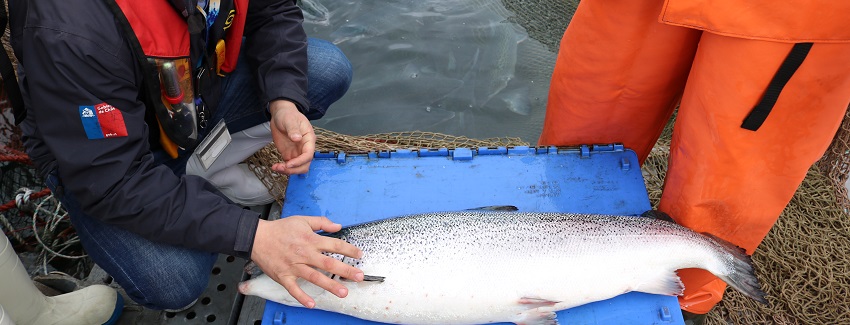
Already the sending of summaries and the registration for the event has begun, which is expected to bring together more than 300 national and international participants.
Between the 30 November and 4 December 2025, the city of Puerto Varas will be the meeting place for fish health knowledge, hosting a new edition of the Sealice Conference, the main international scientific event focused on the research of ectoparasites affecting farmed fish, and which this year will bring together more than 300 national and international participants.
From its first edition in Paris, in 1992Sea Lice Conference has invited researchers, regulators, decision makers and representatives of the salmon industry to share findings, discuss common challenges and develop strategies to address this complex problem. To date, 13 versions in different cities around the world, the last time the event took place in Chile was in 2018, in the city of Punta Arenas.
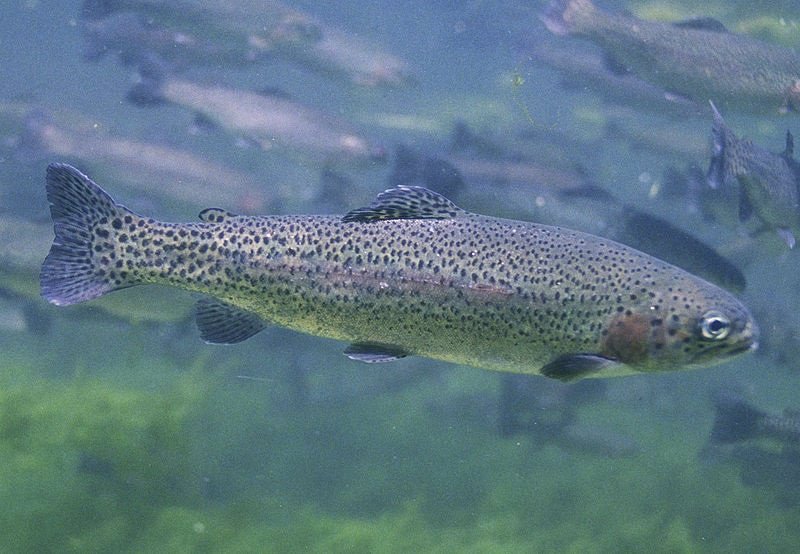
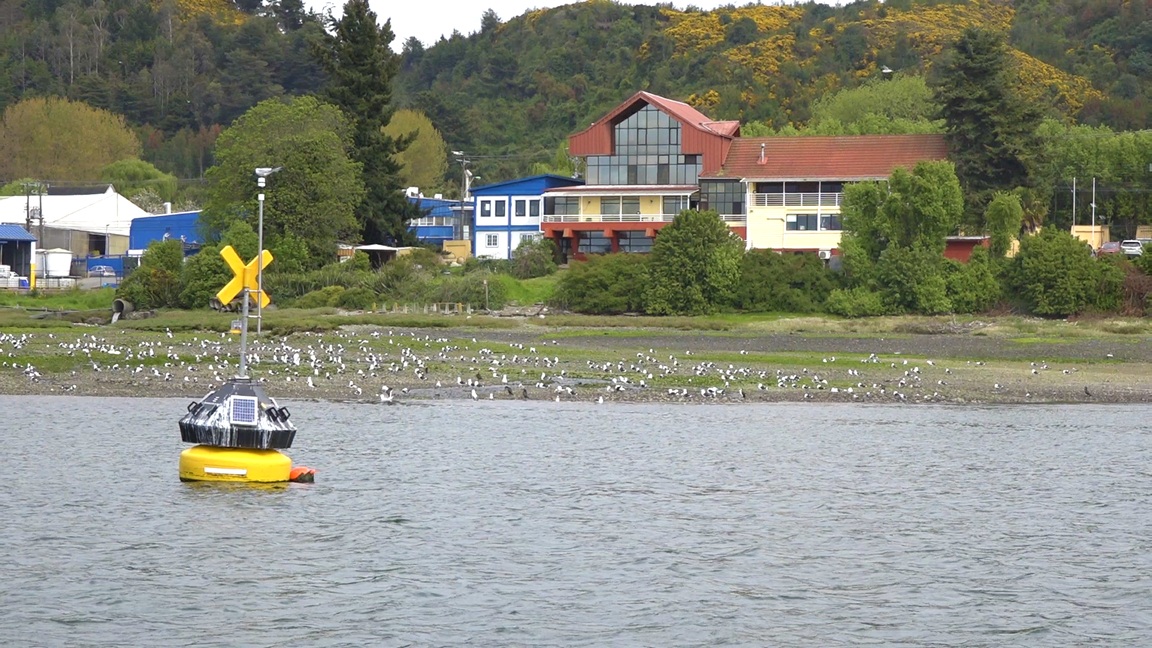
The Caligus and Lepeophtheirus represent one of the biggest challenges for salmon farming globally, generating significant productive impacts on industry, and raising important questions about animal health and welfare. In this context, Puerto Varas, located in southern Chile — one of the world's leading salmon producing areas — will host the event.
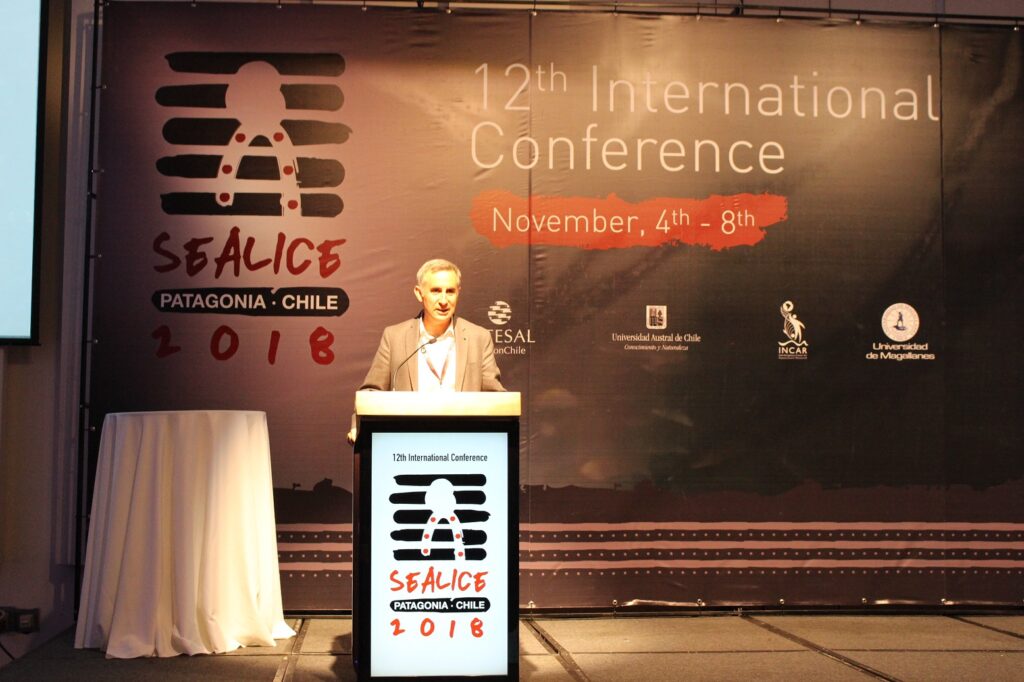
"It is the world's most important research conference in lice, and for the second time our country will be host. Now in one of the key cities for the development of salmon farming, as is Puerto Varas. We have the highest expectations not only in terms of the number of participants or actors involved, but also in terms of research related to Caligus. This conference is a meeting point for exchange knowledge and experiences in pursuit of new and better solutions", highlighted the Deputy Director of INCAR Center, Dr. Cristian Gallardo-Escape.
The 2025 version is organized jointly by the Interdisciplinary Center for Aquaculture Research (INCAR), the Institute of Aquaculture and the Environment of the Universidad Austral de Chile, and Salmon Technology Institute (INTESAL) and will address key topics such as parasite biology, epidemiology and genetics, control strategies and resistance to treatments; animal welfare and fish health, and environmental interactions and regulatory frameworks.
"The challenges posed by this parasitosis remain varied and due to the difficulty of thinking about a strategy, it will exist based on control. It is increasingly relevant to seek preventive strategies to reduce infestation. Additionally, it is necessary to study the adaptation of the parasite to key variables for its life cycle. This is made more relevant by considering the changes expected due to climate change, at least in Chile," explained the Academic of the Institute of Aquaculture, MSc Sandra Marín.
The scientific programme shall include: Master lectures, Scientific sessions, Oral presentations, Posters exhibition, technical-commercial talks, thematic workshopsas well as social activities, Technical visits to aquaculture centres and tours, specially designed for international attendees.
"Considering how important this international conference is and to be held in one of the regions of Chile where salmon are grown, is that I invite researchers, students, producers and suppliers of industry from all countries that share this problem, to participate actively by sending summaries and attending; and -of course locally - we invite the authorities and institutions of the state, both regulators and those that promote research, to size how complex this problem is," added the researcher at the Institute of Aquaculture.
Ximena Rojas of INTESAL, a member of the local organising committee, said: “We invite you to start preparing and submitting abstracts, which you can upload to the website 🔗 https://eventosintesal.cl/congresos/sealice/. You can also find the registration form there. For more information, email: 📧 sealice2025@intesal.cl