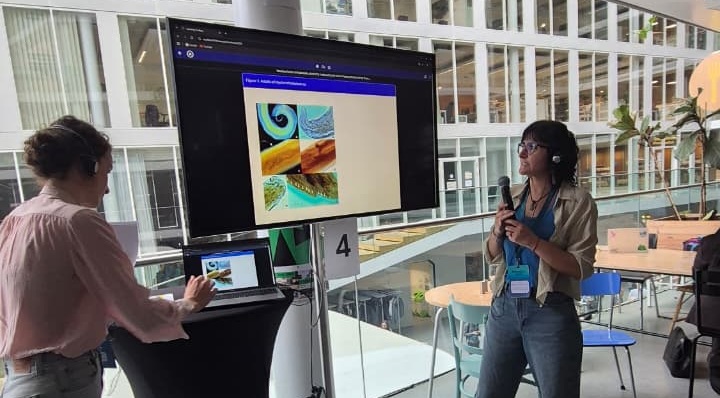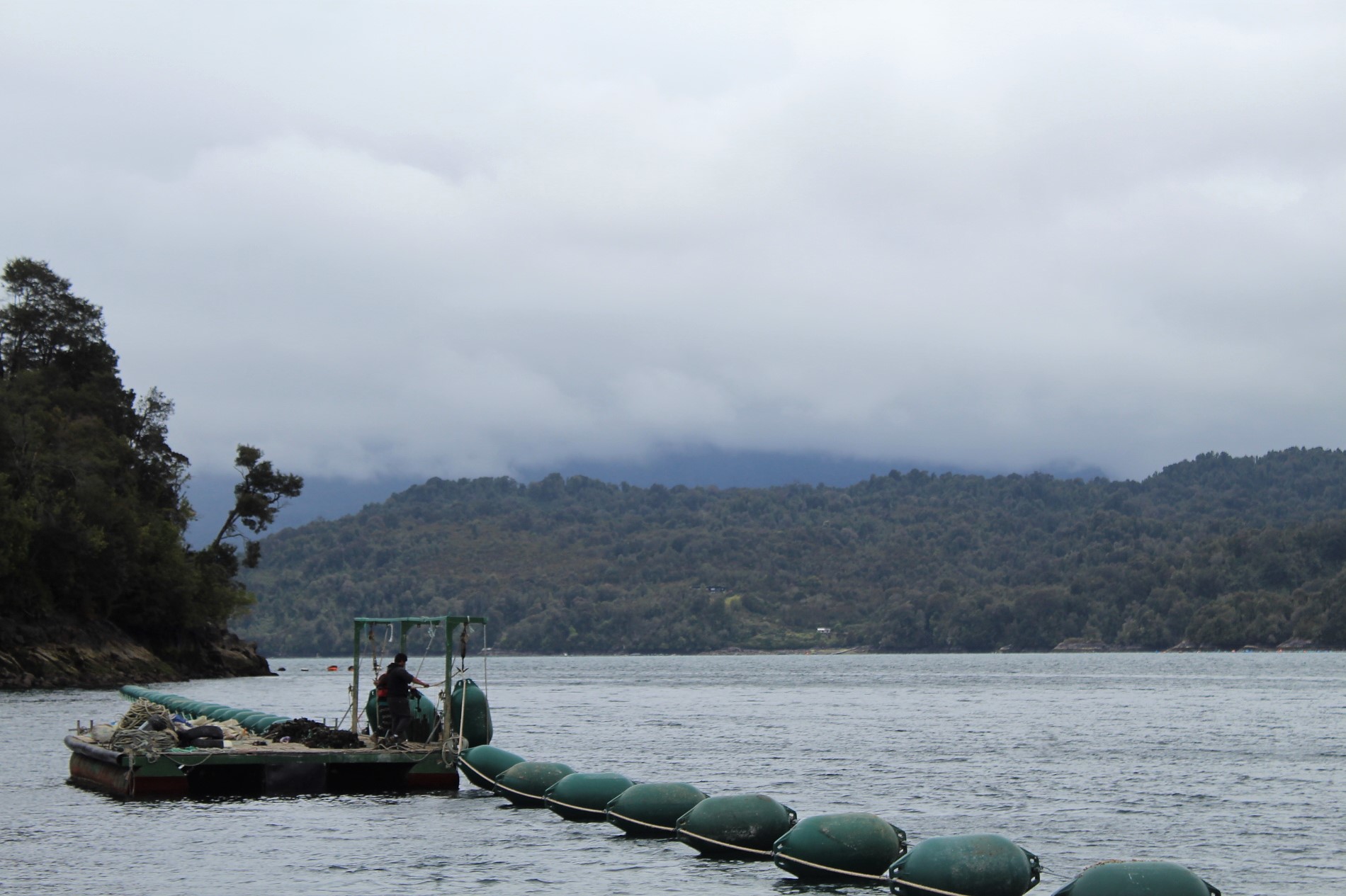
Marine biologist and PhD student in Aquaculture Sciences, Joseline Büchner Miranda, participated in a workshop on the sustainability of the Intemit scallop seed.
Marine biologist and PhD student in Aquaculture Sciences, Joseline Büchner Miranda, participated in a workshop on the sustainability of the Intemit scallop seed.
In the session, the professional presented the presentation titled "Temperature and salinity as proxies for climate change, evaluating the physiological responses of juveniles" Chilean mussel in the face of environmental stressors in northern Patagonia", which is part of her doctoral thesis.
The general objective of this research is to evaluate the genetic, physiological, cellular and gene expression response in juvenile fish of Chilean mussel from two different locations in Northern Patagonia in the face of temperature and salinity changes projected by climate change
The specific objectives focus on:
- Analyze the level of connectivity and adaptive response of juveniles of Chilean mussel from two populations in Northern Patagonia through the study of mitochondrial genes (COI) and SNP molecular markers
- Compare the physiological performance in juvenile fish Chilean mussel of two locations in Northern Patagonia when exposed to combined temperature and salinity variations
- Evaluate cellular damage in juveniles of Chilean mussel of two locations in Northern Patagonia when exposed to combined temperature and salinity variations
- Determining gene expression through the relative expression of thermal stress proteins in juveniles Chilean mussel of two locations in Northern Patagonia when exposed to combined temperature and salinity variations
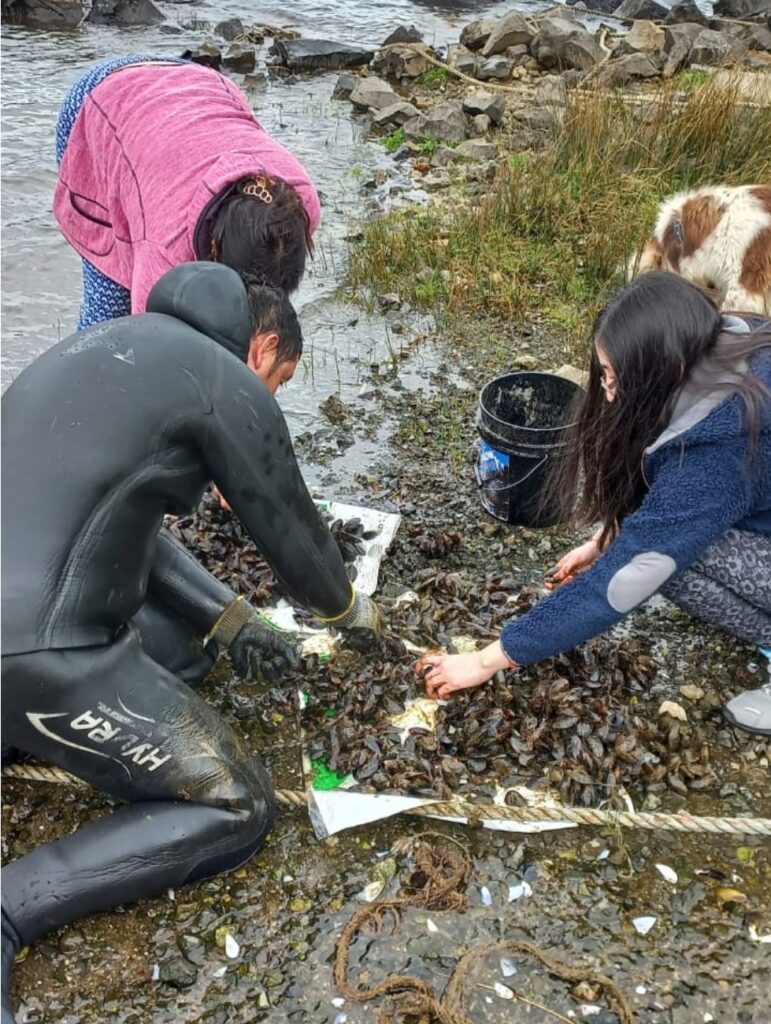
In this sense, the presentation in Intemit's activity served to present the results of the second point of the specific objectives.
This is why, after the activity, Joseline Büchner indicated that the contribution to the industry of his doctoral work is “to understand how the Chilean mussel, a species of commercial importance, responds physiologically to the environmental change given by the increase in temperature and salinity”.
“For example, according to my results, organisms found in a more estuary environment (such as the Estuary of Reloncaví) have a lower physiological performance than mussels from Castro (more marine environment) that seems to support environmental stress better,” he added.
Finally, the professional who currently collaborates in research work in the area of Physiology in Marine Invertebrates highlighted that participating in this activity was of great relevance, since “I had a very good reception from mussel producers, they liked the presentation, they were super participative and restless about the results, but, at the same time conforming because they are advancing in giving a closer look to what It could happen in the not too distant future.”