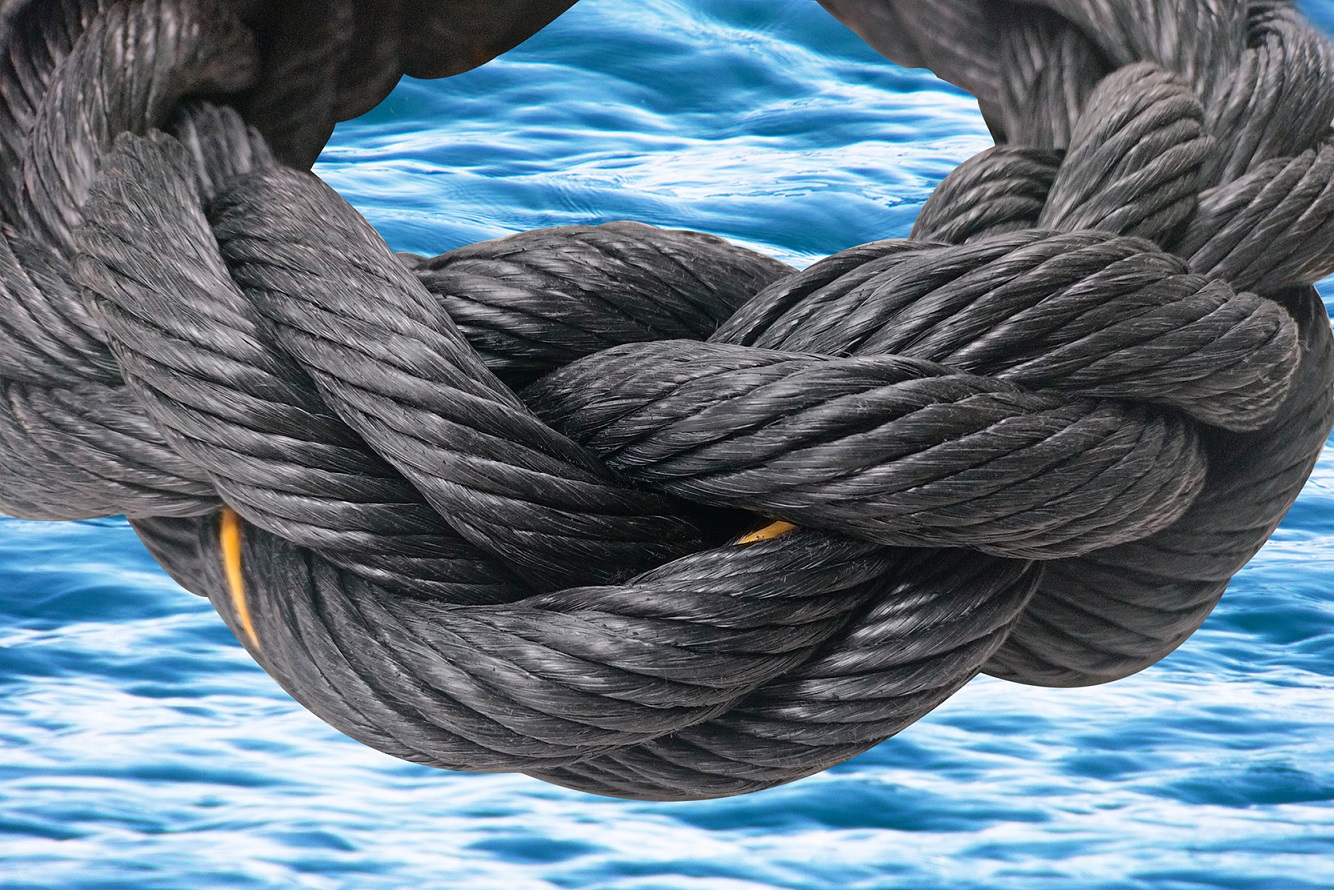
Currently, the trade associations and salmon farming companies are focused on calculating and publishing their carbon footprint. To support this process, Garware Technical Fibres has created Renew Ropes, the first mooring line made with 100% recycled materials, whose use leads to a 50% reduction in carbon footprint. "The introduction of 100% recycled mooring lines shows our commitment to the Clean Production Agreement (APL), circularity and the reduction of plastic waste, contributing to sustainability throughout the product life cycle. In addition, it has an exhaustive quality control of its raw materials: 100% reprocessed copolymers to meet the required quality", comments Marcos Jofré, Business Associate Garware Technical Fibres Chile.
The company recently developed this 100% recycled product, which meets the need to be more sustainable, while maintaining its quality standard. The properties it offers are: shelf life, density, weight, tensile strength, fatigue resistance and abrasion resistance. Its use is wide: maritime, sports, fishing and aquaculture; available in three and eight strands.
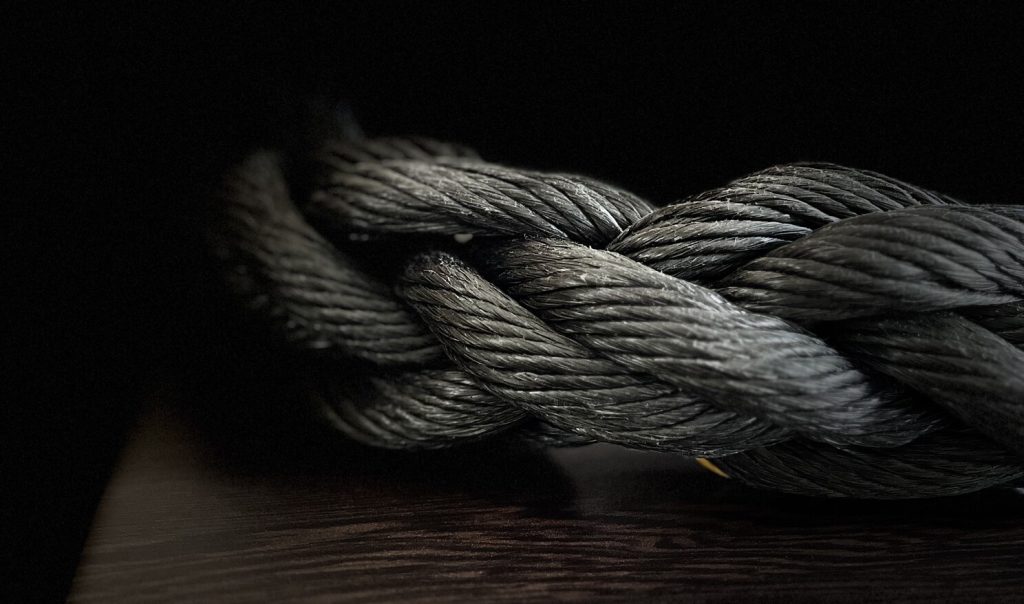
Plastic waste takes thousands of years to decompose, "when manufacturing Renew Ropes" with 100% recycled material, we get the waste to be used in a final application, along with reducing the need to produce new material, in addition that this cape can be recycled again. The market in Norway is already being supplied with good reception and we hope Chile will follow this trend,” says Jofré.
X2 Aqua Neo: high-performance anchoring cap that is ideal for exposed centers
By their part, X2 AQUA NEO, has a high resistance to lower diameter, low elongation, and is lighter. “The quality of the fiber is such that with smaller diameters, it manages to deliver higher resistances than other anchoring ends. It also has a great resistance to the cyclical load effort, with a very good result, measured under the OCIMF standard (of the international marine forum of oil companies), with an excellent life of fatigue over tension. Our stress fatigue test (TCLL) is higher to fatigue than common ends. It is also fast handling, with lower installation costs and also in anchoring items, easily spliced, reduces the load on the anchoring system, due to its lower drag and weight,” says Jofré.
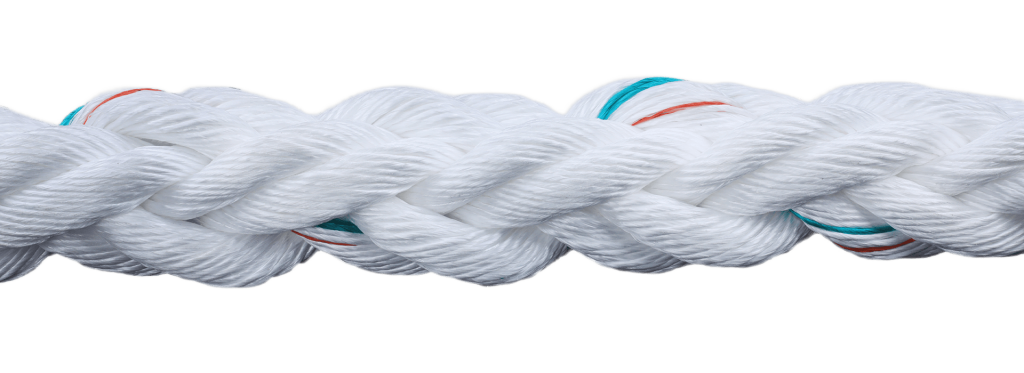
Both have Norwegian Standard 9415 (NS9415) certifications, which confirms that it functions technically and OCIMF standard. Since aquaculture crop centres use a large volume of capes - for all types of applications - they occupy an important place on the agenda. “Now offering a line of recycled raw materials, such as renew ropes, which reduces the carbon footprint by 50%, is a contribution to the sustainability strategy of clients,” emphasizes Jofré.
It should be noted that Prodalam is the one who distributes the anchoring lines for the aquaculture industry in Chile, through a strategic alliance for a decade. “We support the development of this line of Garware, with large and small ends at good costs and with a great disposition of stock for the salmon production regions,” says Alberto Pino, aquaculture manager of Prodalam.
More information at www.garwarefibres.com