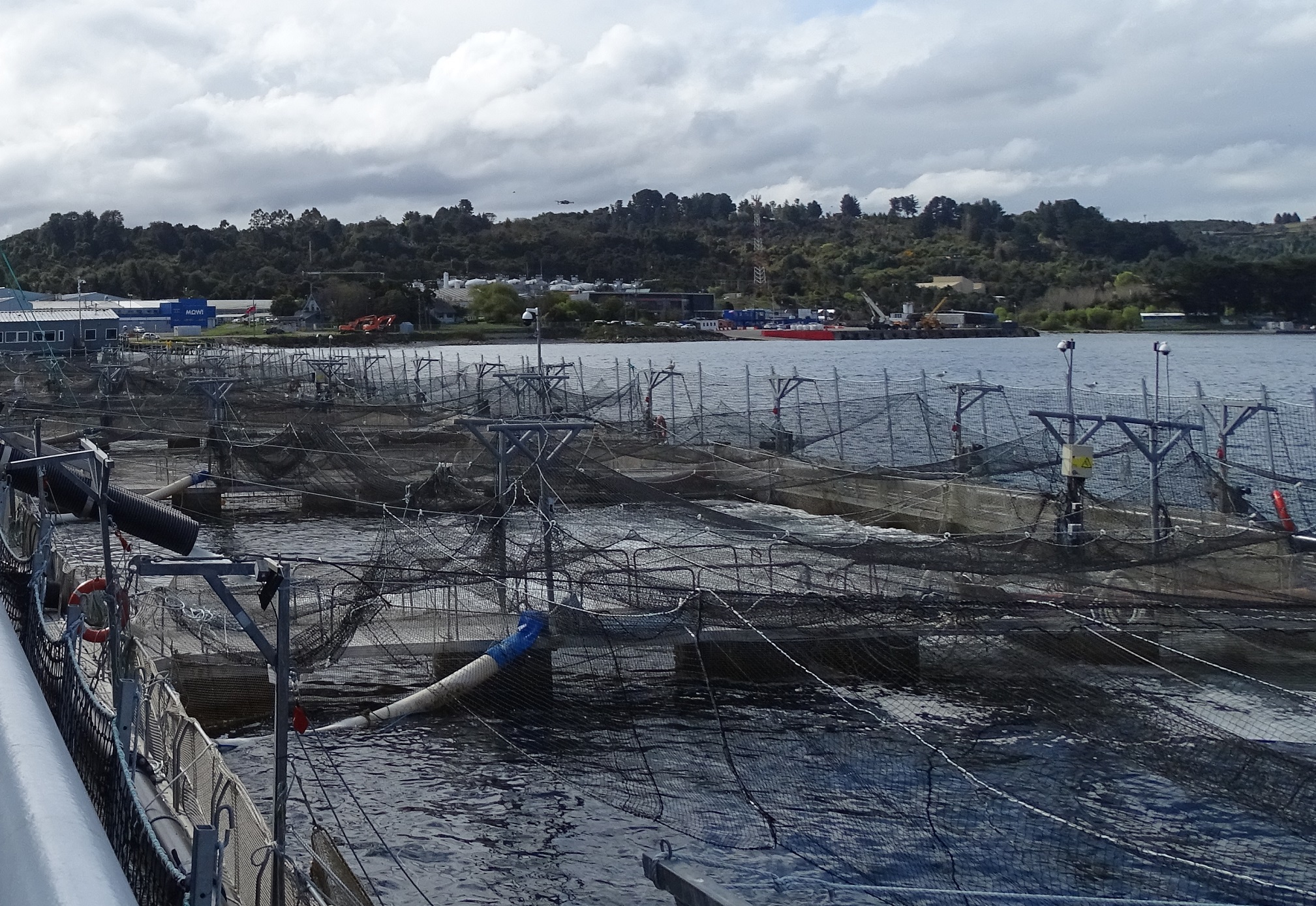
Its ability to eliminate antimicrobials such as oxytetracycline positions it as an efficient and ecological alternative, with high potential for application in the salmon farming industry and wastewater treatment in various public and private sectors.
Researchers from the University of Concepción (University of Chile) They have developed an innovative bioabsorbent capable of removing antibiotic residues from water, offering a sustainable solution for aquaculture, public health and a wide range of other uses.
Read more » Create an innovative bioabsorbent that removes antibiotics from water
Led by the Dr Daniel Palacio Badel, academic from the Department of Polymers of the Faculty of Chemical Sciences (FCQUdeC), this advance - supported by the Fund for the Promotion of Scientific and Technological Development (Fondef) from the National Agency of Research and Development (ANID)- aims to mitigate pharmaceutical pollution and reduce the risk of antimicrobial resistance in aquatic ecosystems.
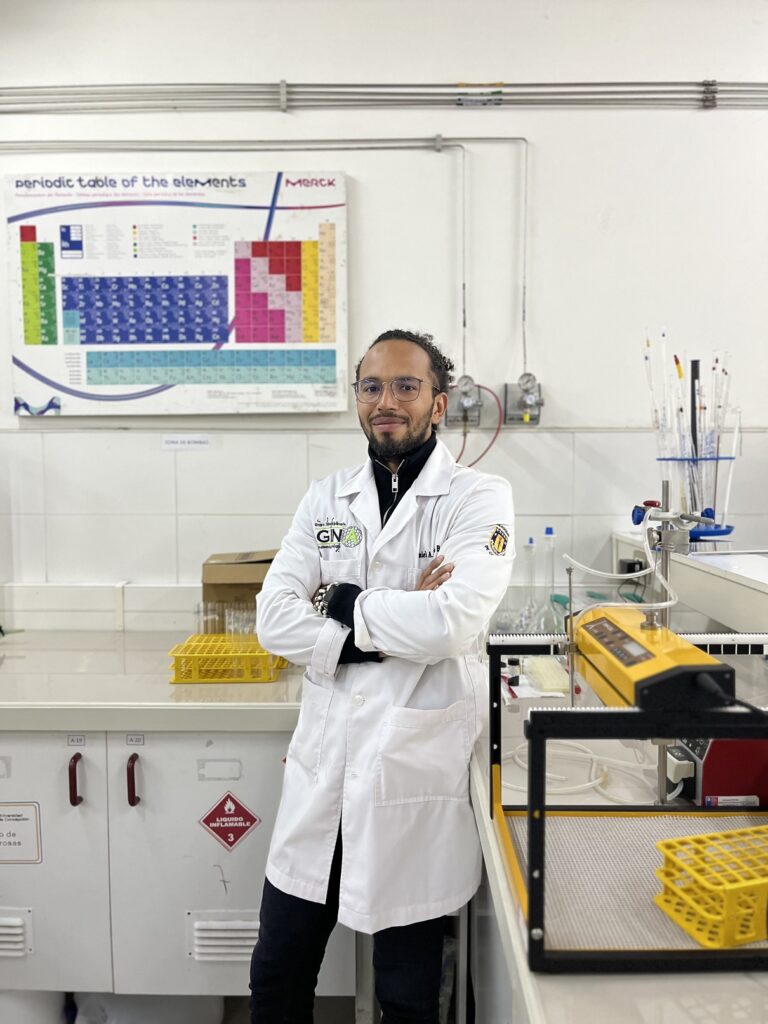
In this interview, Dr. Palacio explains in depth the scope of this technology, its positive environmental impact and the projections for its implementation both in the industry and the public sector.
How did the idea of developing a bioadsorbent come up to remove antibiotics from the water?
It was born from antimicrobial resistance that is generating a global health problem. The massive use of antibiotics in medicine, livestock and agriculture has led to the growing presence of these compounds in water bodies. Antibiotics, being persistent and, in many cases, unbiodegradable, pose a risk to both aquatic ecosystems and human health by contributing to the development of resistant bacteria.
On the other hand, conventional water treatment methods can be costly or generate secondary by-products that require additional management. This led to the search for alternatives that are both efficient and environmentally responsible. Biobased materials, derived from natural sources, offer a sustainable option due to their biodegradability and availability.
What makes this technology innovative compared to other existing solutions for remediation of contaminated water?
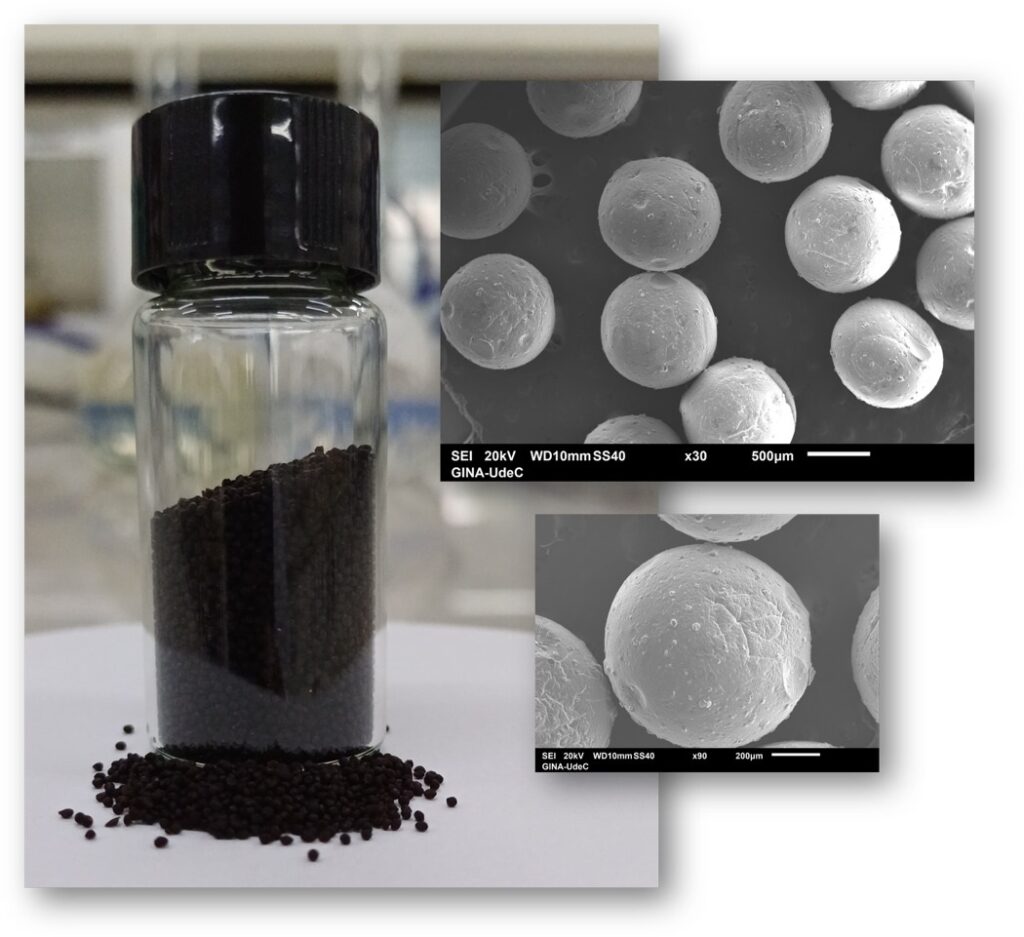
This technology is innovative compared to other existing solutions due to the combination of biopolymers and bioinorganic material as a filler agent, helping to amplify its characteristics.
An important factor, for example, is that when using biobased materials, the process has a lower environmental impact compared to synthetic adsorbents. In addition, it can be part of a circular economy, where materials are obtained from renewable sources or biological waste.
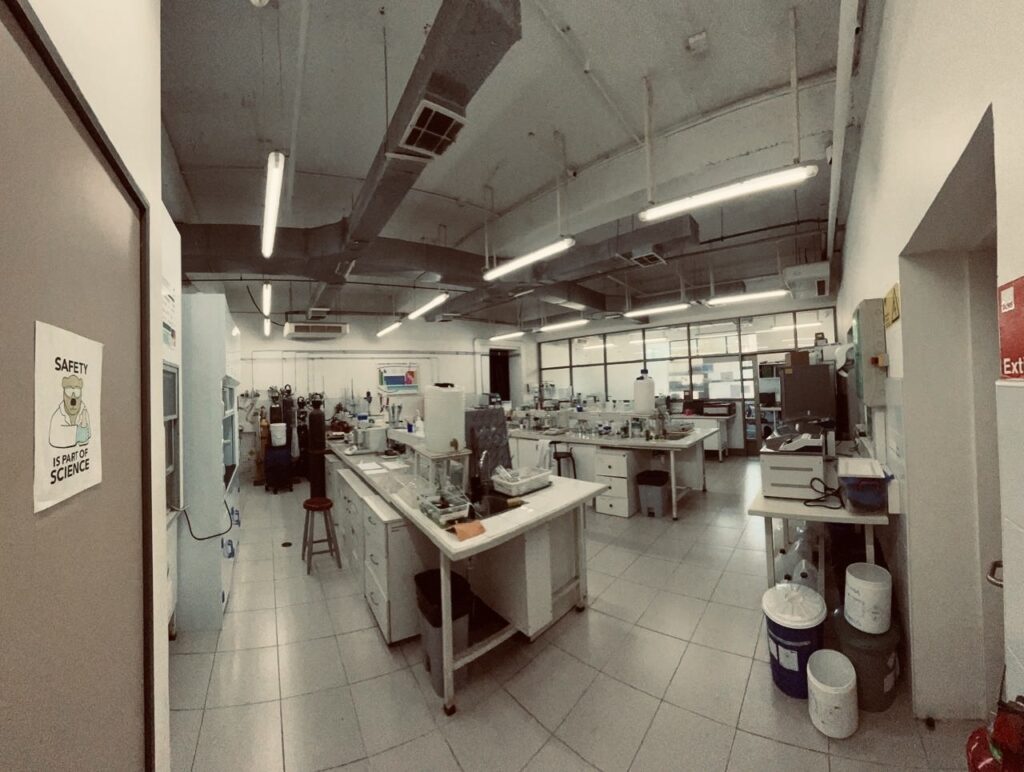
Also, the interaction between biopolymers and filler material can improve the adsorbent's ability to capture a wide range of pollutants, such as heavy metals, pesticides or drugs, more efficiently than other traditional adsorbents and that these materials may have the advantage of being regenerable or biodegradable, allowing their reuse in multiple treatment cycles without generating large quantities waste.
What types of antibiotics can remove this bioadsorbent and what is its level of effectiveness?
So far we have conducted tests with two antibiotics, amoxicillin and oxytretracycline, two antibiotics highly used in human and veterinary medicine, demonstrating an efficiency that exceeds 50% of removal.
Technical and scientific details
What are the main components of bioadsorbent and how do they chemically interact to remove antibiotics?
The main components of the biadsorbent are made up of two structures, a matrix of biopolymers and bioinorganic particles as fillers that help us improve material stability. The interaction between biopolymers and filler material can improve the adsorbent's ability to capture a wide range of pollutants, such as improving its mechanical properties and reusability. The main interactions are based on ion exchange, as well as absorption processes because they have the ability to swell slightly, which makes the water serve as a vehicle for the antibiotic to be retained in the material.
What stage of development is this technology currently at? Has it already been tested in real conditions?
Currently the technology reaches a technological maturity level TRL 4 (by its acronym in Technological Readiness Level), and we have tested it in simulated water. Clearly our idea is to be able to test our material in real systems and, for this, our ally in testing and that has accompanied us in this project is Antarctic Salmon (a company that, in turn, leads the Technological Program for Local Production of Nutritional Inputs for Aquaculture, PTEC-INVA, which is promoted by the Chilean Production Development Corporation, Corfo).
Environmental impact and sustainable development
What direct benefits can this bioadsorbent have for the health of aquatic ecosystems?
To address the direct benefits of this bioadsorbent in the health of aquatic ecosystems, it is important to consider several aspects. These include: pollution reduction: Bioadsorbent may decrease the presence of antibiotics in aquatic systems. By reducing these pollutants, water quality is improved, which promotes the health of aquatic species and associated ecosystems.
How can this development contribute to reducing the risks of antimicrobial resistance in aquatic ecosystems?
The problems of antimicrobial resistance in aquatic ecosystems, and for all that is scientifically reported, is due to the excessive use and presence of drugs in aquatic systems. This bioadsorbent has the ability to decrease the concentration of antibiotics in water, prevent them from being exposed in aquatic systems and reduce the generation of resistant bacterial strains.
Implementation in the private sector and mainly in aquaculture
What role does the aquaculture sector play, especially the salmon industry, in the generation of antibiotic residues?
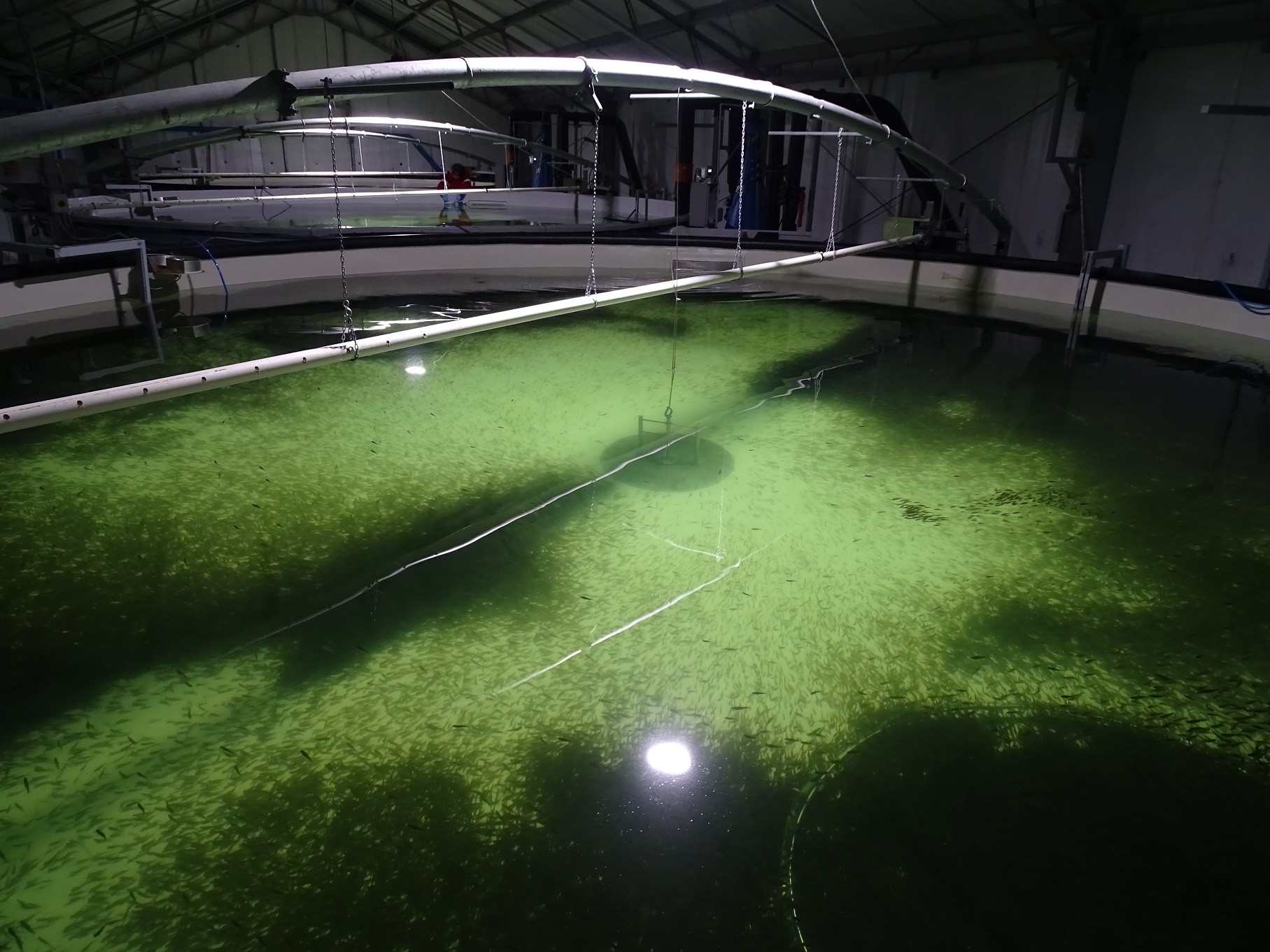
Salmon farming plays a role in generating antibiotic residues due to the need to use these compounds to fight bacterial diseases in fish. In the salmon industry, antibiotics are often given to fish to treat diseases under intensive farming conditions, where fish are most exposed to pathogens. However, these antibiotics are not always fully absorbed by fish and a percentage is excreted, generating residues in the aquatic environment.
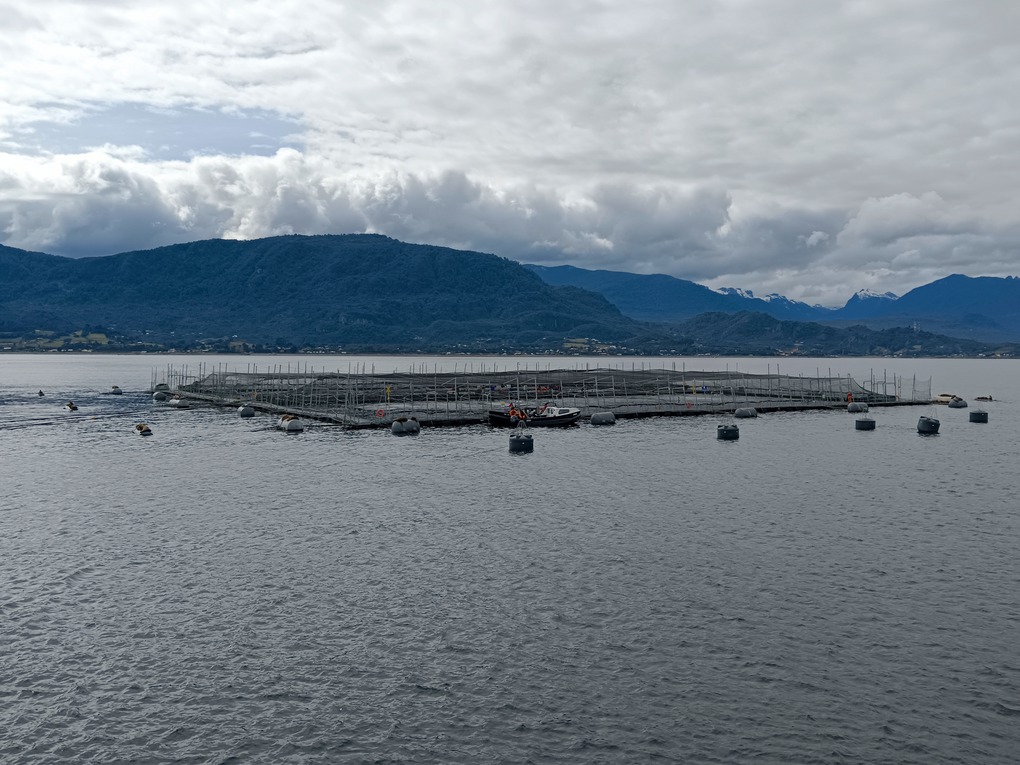
In addition to dissolving in water, antibiotics can also accumulate in sediments at the bottom of water bodies. These sediments can act as reservoirs of antibiotics, allowing compounds to remain in the environment for long periods of time. This contributes to the continuous exposure of bacteria to sublethal doses, which favors the development of antimicrobial resistances.
What benefits could the aquaculture industry gain by implementing this technology, both in environmental and economic terms?
In my opinion, it would have significant benefits, for example: reduction of antibiotic contamination using technology that minimizes antibiotic content in water bodies. This could help reduce the negative impact of pharmaceutical waste on aquatic ecosystems, promoting a healthier environment for marine species.
In terms of sustainability, the implementation of this type of innovative technologies, such as bioadsorbents, can be part of a more responsible production strategy, aligning itself with international sustainability standards. This could help improve the public image of industry and increase its social acceptance. With regard to the economic side, by adopting more sustainable practices, it would lead to a better profitability.
In short, the implementation of this technology would not only help the aquaculture industry to meet environmental and health standards, but would also enable it to reap long-term economic benefits, ensuring more efficient and sustainable production.
How do you visualize the integration of this innovation in the treatment of wastewater from salmonid growing centres?
It can be seen as a technology for treatment after the elimination of all organic matter generated by the excrement of fish and by the unconsumed food; it could, in turn, function as a filtration system where the residual water passes through a column or bed of bioadsorbent that captures and eliminates antibiotics.
This system could also be modular, allowing it to be adapted to different sizes and capacities of salmonid breeding centres. In this way, water treatment could be scaled up according to demand, optimizing the resources used.
Industrial scaling and collaboration
Are there currently discussions with companies in the aquaculture industry, apart from Antarctic Salmons, interested in applying this technology? What is your call for them to be motivated to try this innovative bioadsorbent?
Not at present. The only talks have been with Antarctic Salmons, who supported us in Phase 1 of the project and will continue to support us in Stage 2. Anyway, this is a good step, since with Antarctic Salmons we can have the tests on the ground and in real water systems.
More than a call to test bioadsorbent, it is a call to be able to create industry-academy ties. There is great potential, and I speak mainly from the research group that I lead in bio-based and bio-inspired biomaterials, where every day new ideas are being generated to contribute to the development and minimization of environmental impacts caused by pollutants, heavy metals or other toxic substances present in environmental systems or even controlled drug release. For example: improving waste management and water quality (high nutrient content), organic waste contamination and eutrophication, recovery of waste to obtain new products and provide a second useful life or added value, always focusing on the circular economy.
What other industries, besides aquaculture, could benefit from this bioadsorbent?
This bioadsorbent has potential applications beyond the aquaculture industry. Several other industries could benefit from their polluting adsorbing properties, improving sustainability and reducing pollution in various sectors, such as in agriculture in the removal of pesticides or fertilizers and in water treatment for irrigation; in the textile industry in the removal of dyes; and in industry mining, just to mention a few cases.
What is the next step for the project in terms of research or implementation?
The steps to follow as a research group is to apply to new sources of financing to continue validating our product, both at the level of scaling and in real water systems and at the level of crops; as well as to continue to strengthen characteristics and improve properties that make the product more competitive and more efficient.
Is there any initiative or event where you can learn more about this technology or how to collaborate with your team?
Very good links and collaborations can be generated to complement our research team to solve problems related to the field. Sometimes, by ignorance itself, we do not know some problems and we could help them solve things like: reducing excess nutrients; capturing nitrogen compounds, since this is a source of microalgae proliferation; recovery of waste, etc.
We are always ready to generate more Research, Development and Innovation (R & D & I), so if someone is interested in generating collaborations, collaborative projects or solving some problems where we can help, it will be the perfect link to start that link.
Dr. Daniel Palacio Badel is: dapalacio@udec.cl.