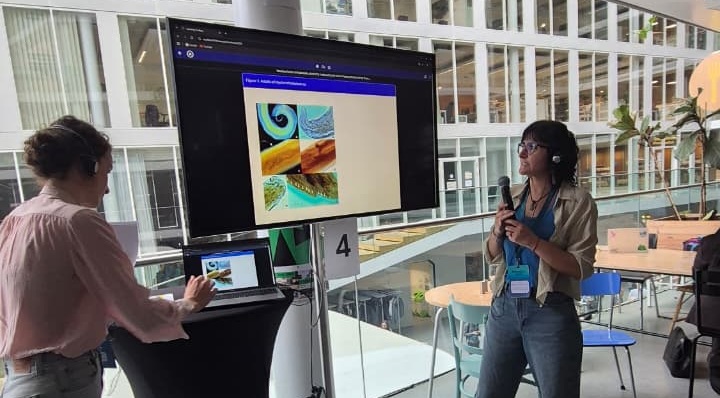
Over three days, keynote speeches, practical workshops and an unprecedented mentoring day will take place, addressing the latest advances in epigenomics applied to the cultivation of molluscs and fish, aiming for a more sustainable and resilient future for aquaculture.
Between January 26 and 28, 2026, the second edition of the EpiAqua Course will take place, an event that over three days will bring together American and Chilean experts at the University of Concepción, to discuss the potential of epigenomics in aquaculture, and outline future research lines in the cultivation of molluscs and fish.
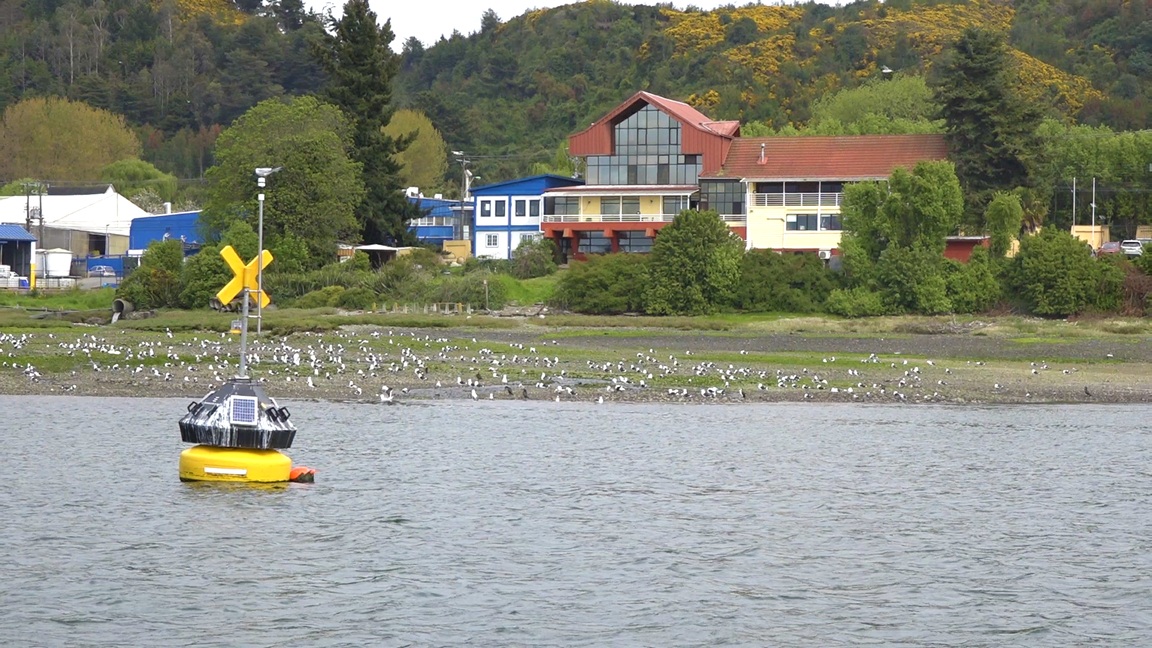
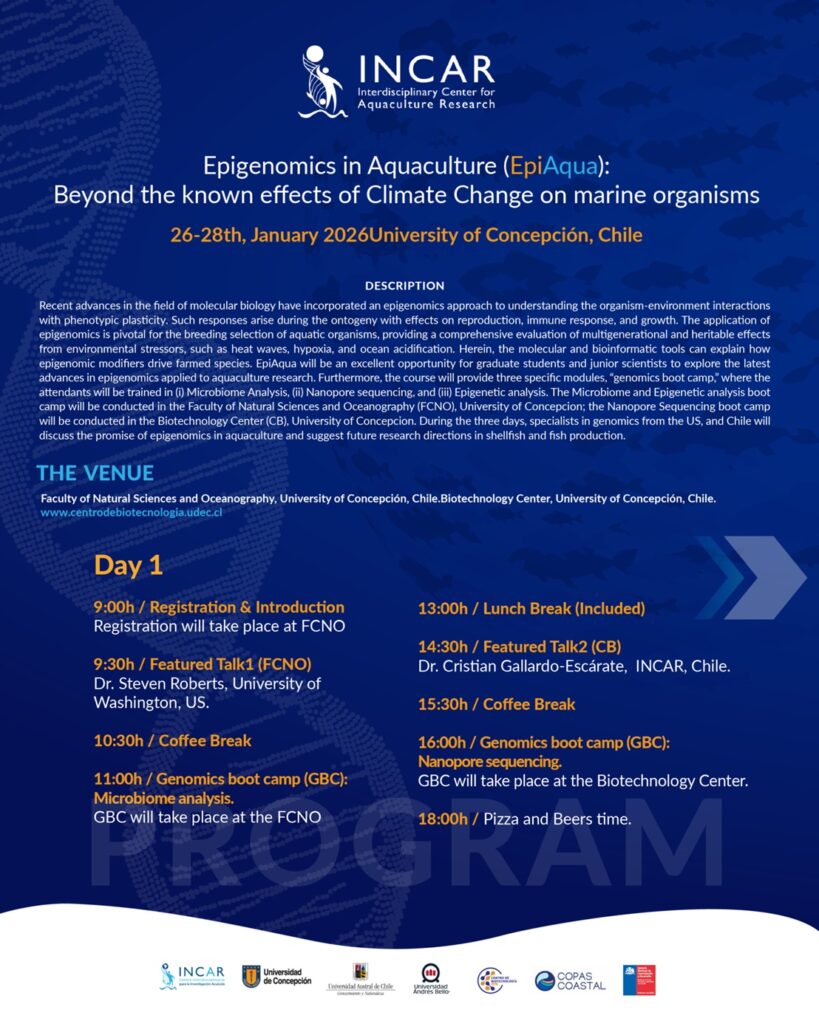
The course is preparing for an edition with the participation of renowned international and national experts. This version will include presentations by the Associate Professor from the University of Washington, Dr. Steven Roberts; the Emeritus Professor from the University of Wisconsin-Milwaukee, Dr. Frederick Goetz; the Academic from the Department of Oceanography of the University of Concepción (UdeC) and Director of the Applied Research Center recently awarded, INCAR², Dr. Cristian Gallardo Escárate, and the UdeC Academics and INCAR² Researchers, Dr. Valentina Valenzuela Muñoz and Dr. Diego Valenzuela Miranda.
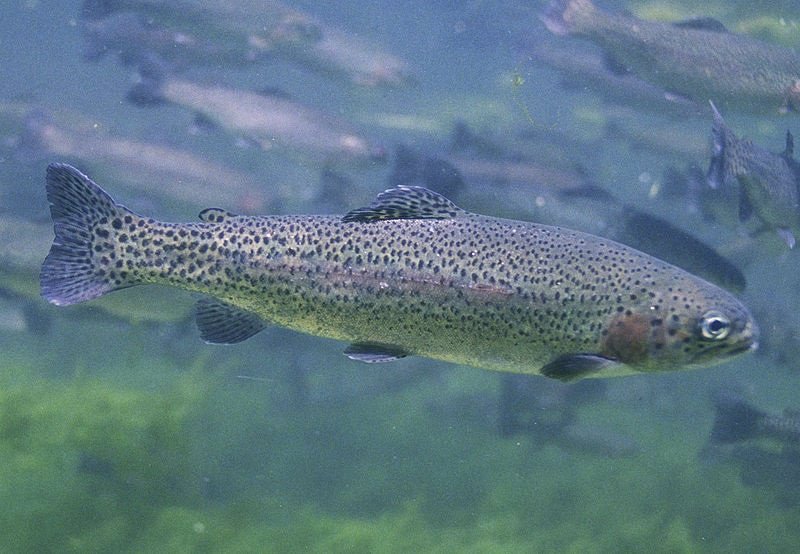
"During this opportunity, Dr. Steven Roberts will address how epigenetic mechanisms allow adaptation to the environment, while emeritus professor Rick Goetz will explore the evolutionary dimension of adaptation through his lake trout model. From INCAR, we will present research on oysters, mussels and fish related to aquaculture, expanding the range of species and approaches," said Dr. Gallardo Escárate.
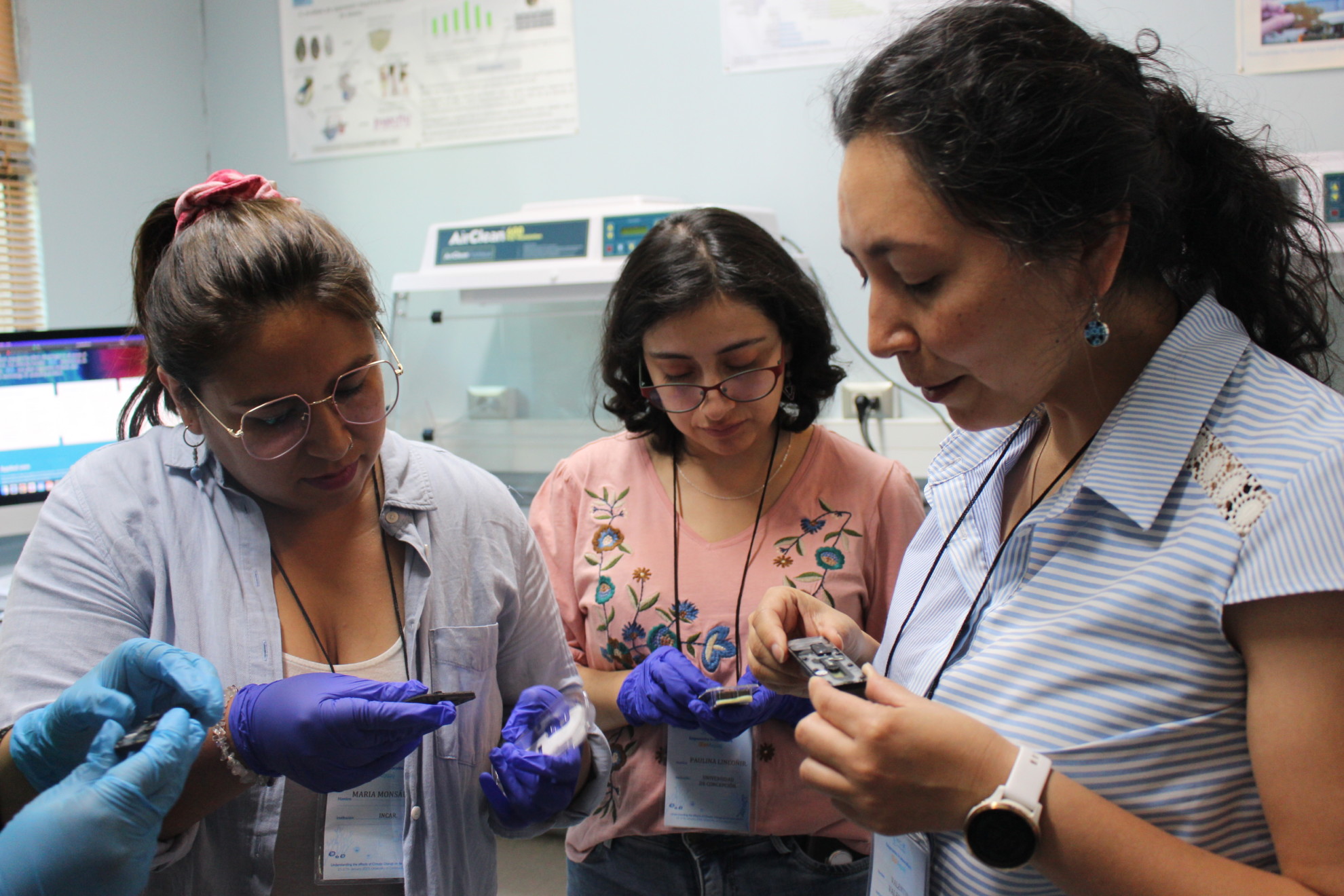
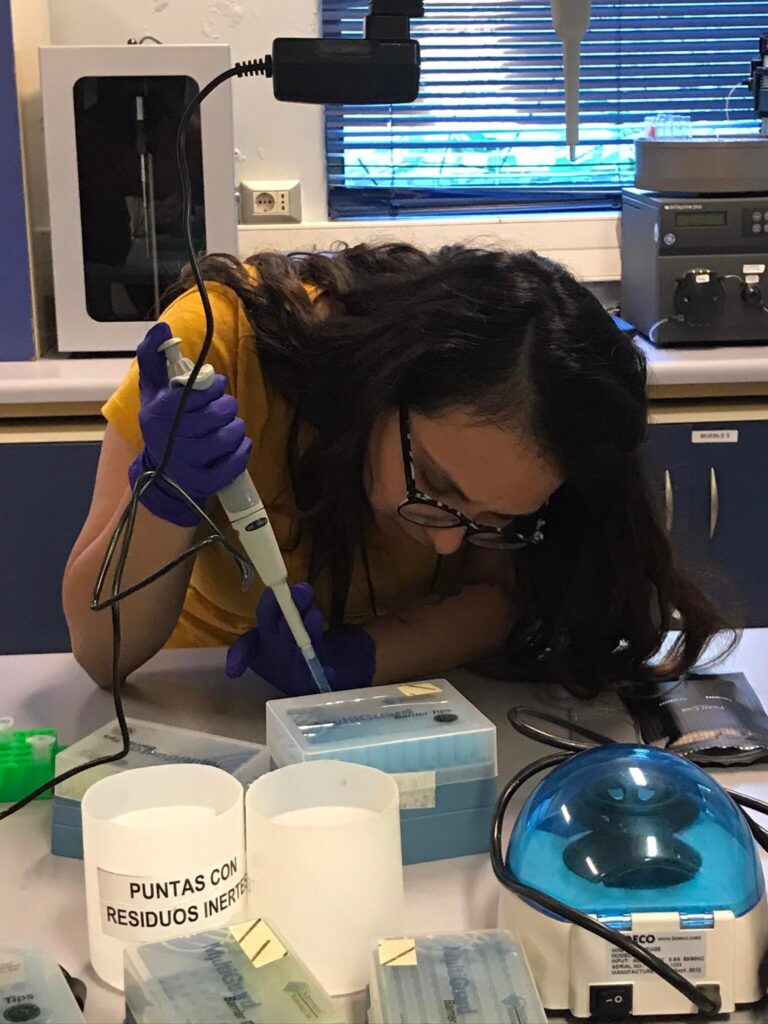
In addition to the five keynote speeches, there will be practical data analysis workshops, designed especially for young scientists and postgraduate students who want to get involved in the management of epigenomic information. In the so-called "Genomic Boot Camp", participants will be able to explore the latest advances in epigenomics applied to aquaculture research in topics such as Microbiome Analysis, Nanopore Sequencing and Analysis. epigenetic, all at the Center for Biotechnology of the UdeC.
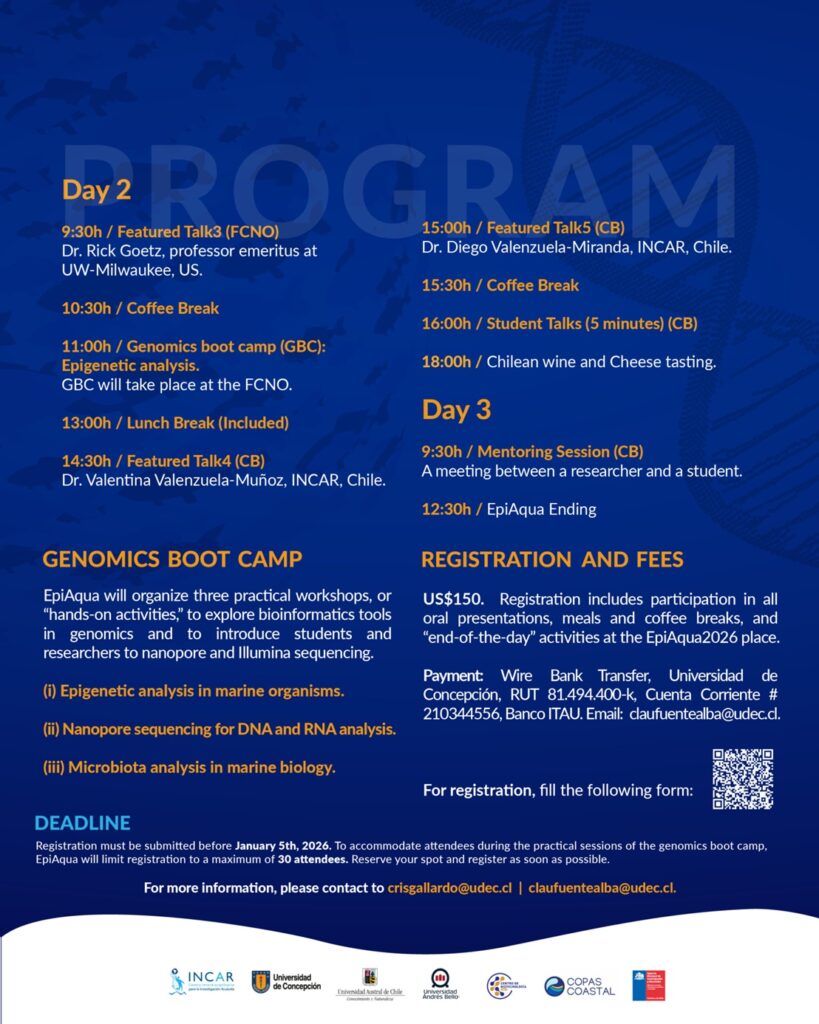
One of the new features that EpiAqua 2026 brings is that on the third and final day of the course, a Mentoring day will take place, in which a student will be advised by the participating researchers with the aim of strengthening the knowledge acquired during the previous days and highlighting the importance of collaboration for the development of scientifically relevant knowledge.
Epigenetics is revolutionising molecular biology and aquaculture. Thanks to this approach, it is now possible to understand how organisms respond and adapt to the environment with direct effects on their reproduction, immunity and growth. From heat waves to ocean acidification, environmental stressors leave a heritable mark on aquatic species, and molecular and bioinformatics tools allow us to decipher how the epigenomic modifiers influence their development. This breakthrough opens up new opportunities for the selection of reproduction and the sustainable cultivation of fish and molluscs, marking a before and after in the scientific research applied to the sea”, explains Dr. Cristian Gallardo.
Due to the restriction to accommodate attendees during internships, EpiAqua will have a maximum of 30 attendees. Registration costs $150 and includes participation in all oral presentations and course activities.
Book your quota and register before January 5, 2026. For more information, contact Claudia Fuentealba claufuentealba@udec.cl and/or Cristian Gallardo, crisgalardo@udec.cl