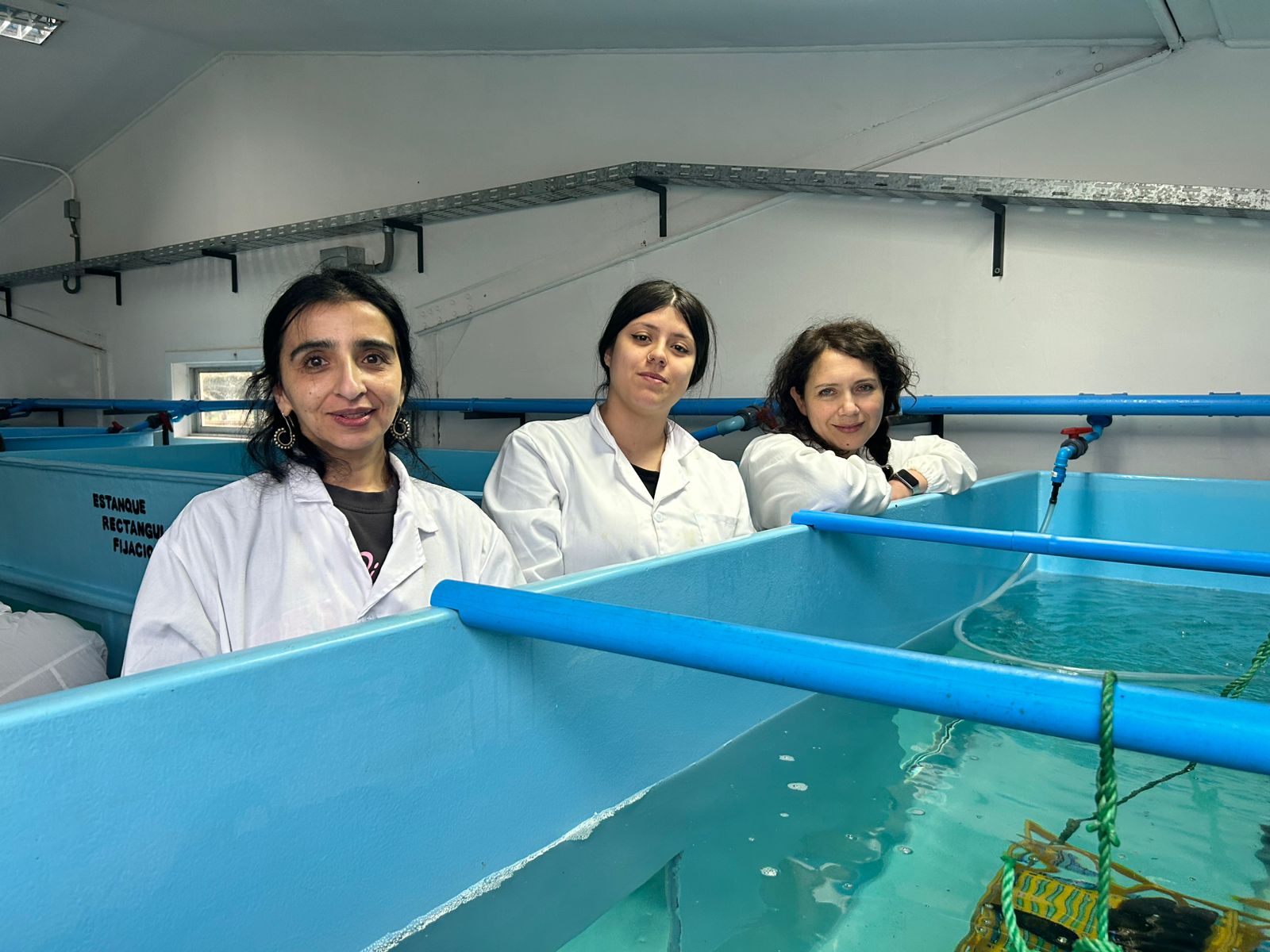
Mehuín's Fisheries Polytechnic College reaches an important milestone by carrying out for the first time a large-scale spawning of Choro Zapato (Choromytilus chorus) in its hatchery, with the purpose of restocking and conserving this important resource.
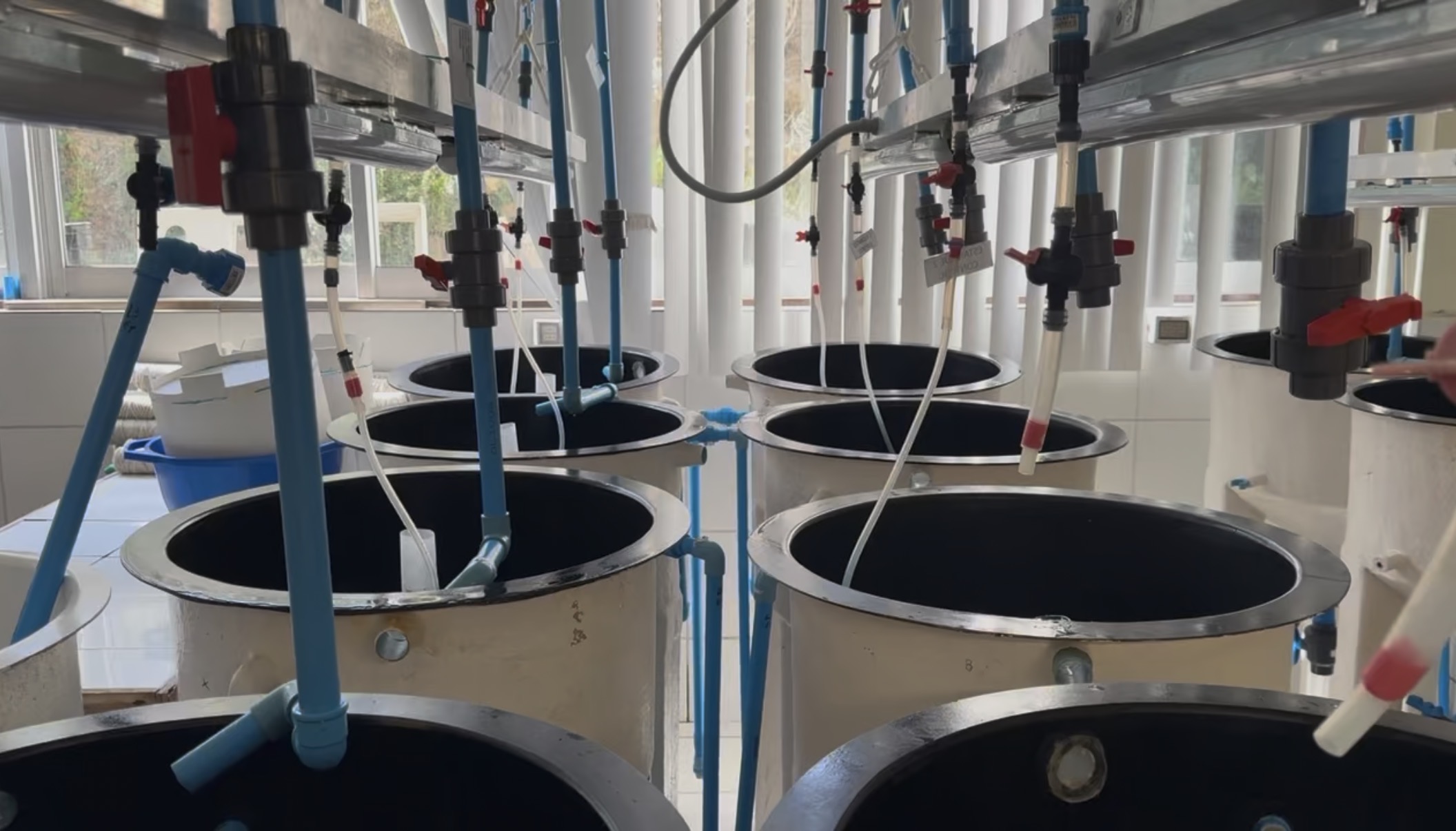
This work is part of the technical advisory service that AquaPacífico develops in the CoopeMehuín cooperative of the school establishment, whose objective is to produce Choro Zapato seeds in a controlled environment to recover the natural banks of the Huellelhue river, in the Los Lagos Region.
This intervention is part of the project Incentives for the Conservation of Biodiversity, carried out by the Ministry of the Environment, implemented by the United Nations Development Programme (UNDP) and funded by the Global Environment Facility (GEF). For this, the initiative has the technical support of AquaPacífico and the Sustainable Fisheries Centre.
The process: transfer and spawning
Daniel Arriagada, Business and Technology Transfer Coordinator at AquaPacífico, explained that the first stage consisted of carrying out a diagnosis of the infrastructure and preparing the hatchery to receive the mature breeders from the Huellelhue river. The work also included advice on the cultivation of microalgae, essential as food for the larvae.
Subsequently, the transfer of 100 breeders to the hatchery was carried out following strict protocols, which allowed progress towards the breeding process. For this, two methods were applied: (1) natural induction using thermal shocks and valve cleanings with half of the specimens; and (2) stripping, a faster and more controlled technique that consists of collecting the gametes from the breeders in a controlled environment.
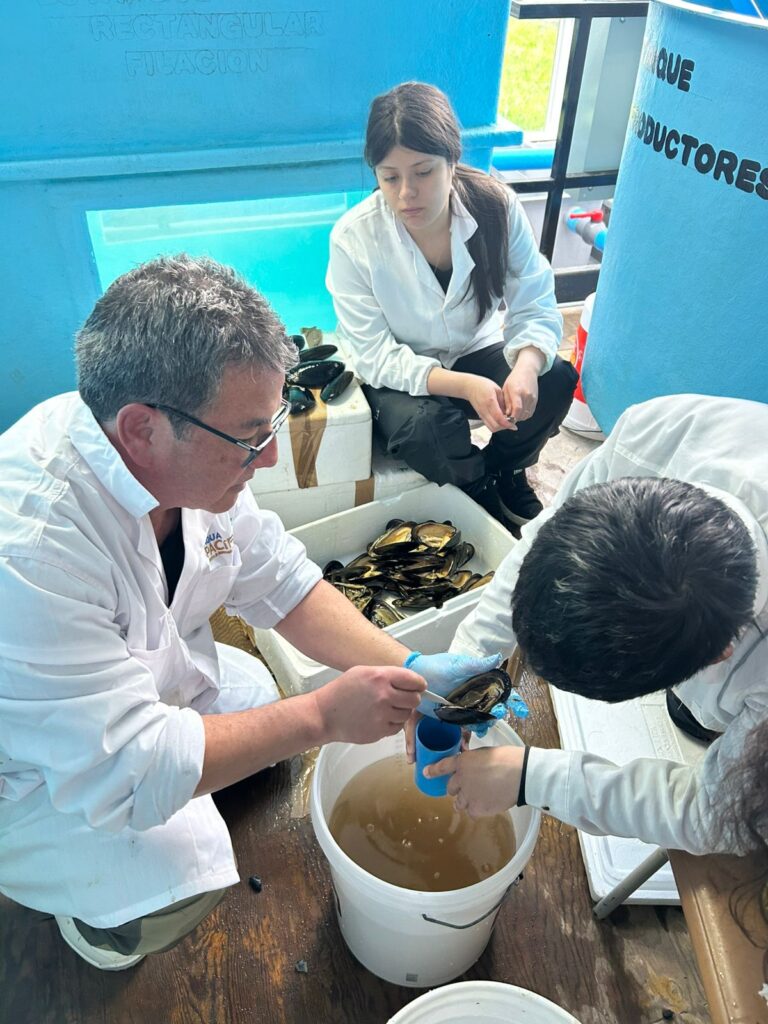
"The best result was in the stripping, which allowed a cleaner and more controlled development, achieving 150 million D larvae of Choro Zapato in just 48 hours, from 50 breeders," explained Arriagada. "This is a productive and important scale quantity, which is carried out for the first time at the school at these levels."
The experience was guided and actively supported by AquaPacífico's commercial advisor, Carlos González, a professional with extensive experience in aquaculture, who traveled to the area to ensure the process was carried out successfully.
Practical education and student motivation
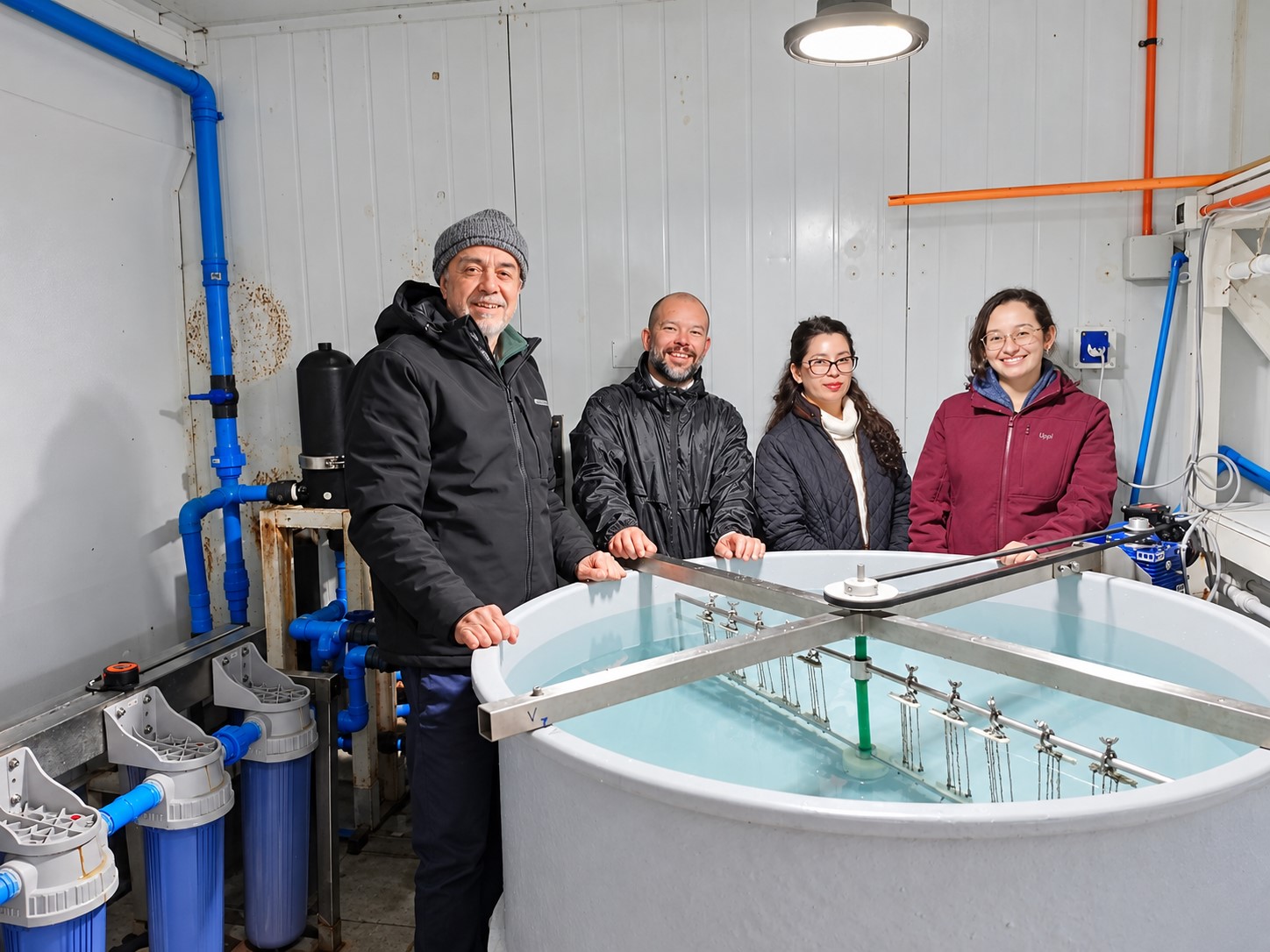
The experience counted on the participation of the students in practice Antonia Toro and Yeison Matías, from the 3rd and 4th courses of the specialty of aquaculture. The process was accompanied by the teachers Marcela Curiqueo and Fabiola Chomalí, with the support of the lyceum management team.
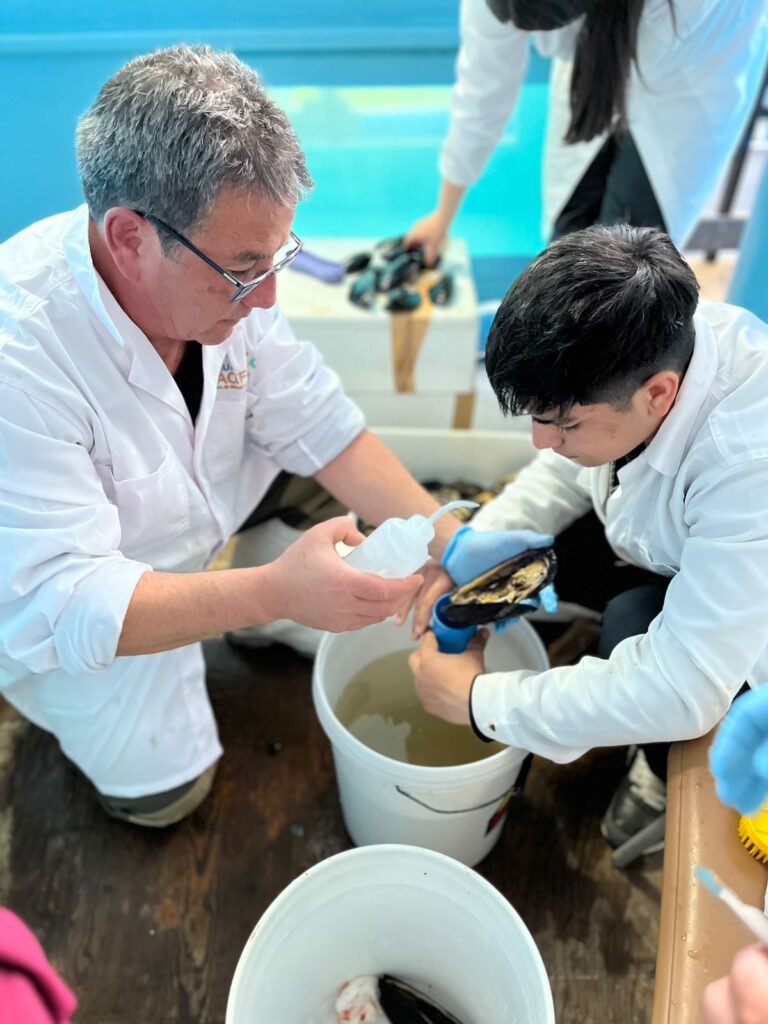
Marcela Curiqueo highlighted the relevance of the experience for the students. “The last few hours have been fascinating, we are very much looking forward to everything that happens, Carlos (AquaPacific aquaculture advisor) is explaining each step and from that we know what to expect. This type of learning is tremendously valuable because it is done in a practical way, from doing. That attracts the student differently, much more eye-catching, invites them to learn without pressure.”
What's coming
Of the 150 million larvae obtained, the best 50 million will be selected, which will start the cultivation process. In approximately 25 days the fixation in collectors will be reached, decisive step that will allow to obtain at least one million seeds of Choro Zapato, goal committed in the consultancy.
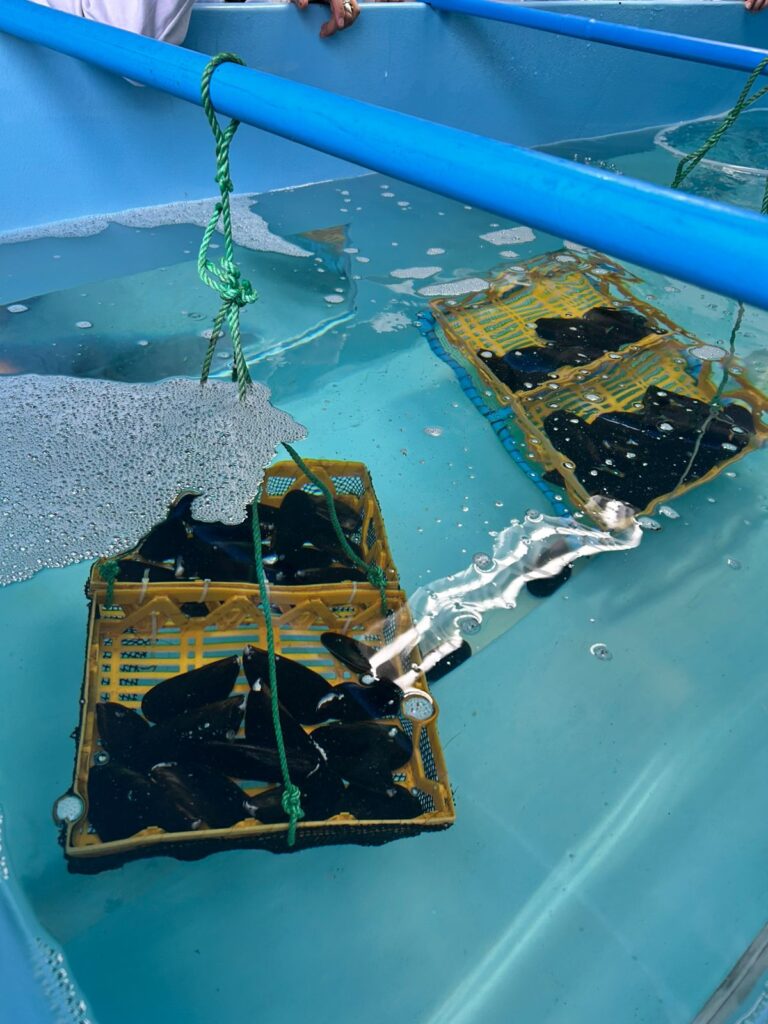
The teacher said that the lyceum already thinks of new possibilities. “This work is the basis of what we expect in the future. We are all learning and we are confident that we will reach the goal of a million seeds. In addition, it opens the door for us to think big and project initiatives related to the reproduction of bivalve molluscs.”
With this advance, the educational community of Mehuín strengthens its technical capacities, while actively contributing to the conservation of biodiversity and the sustainable management of marine resources in the region.