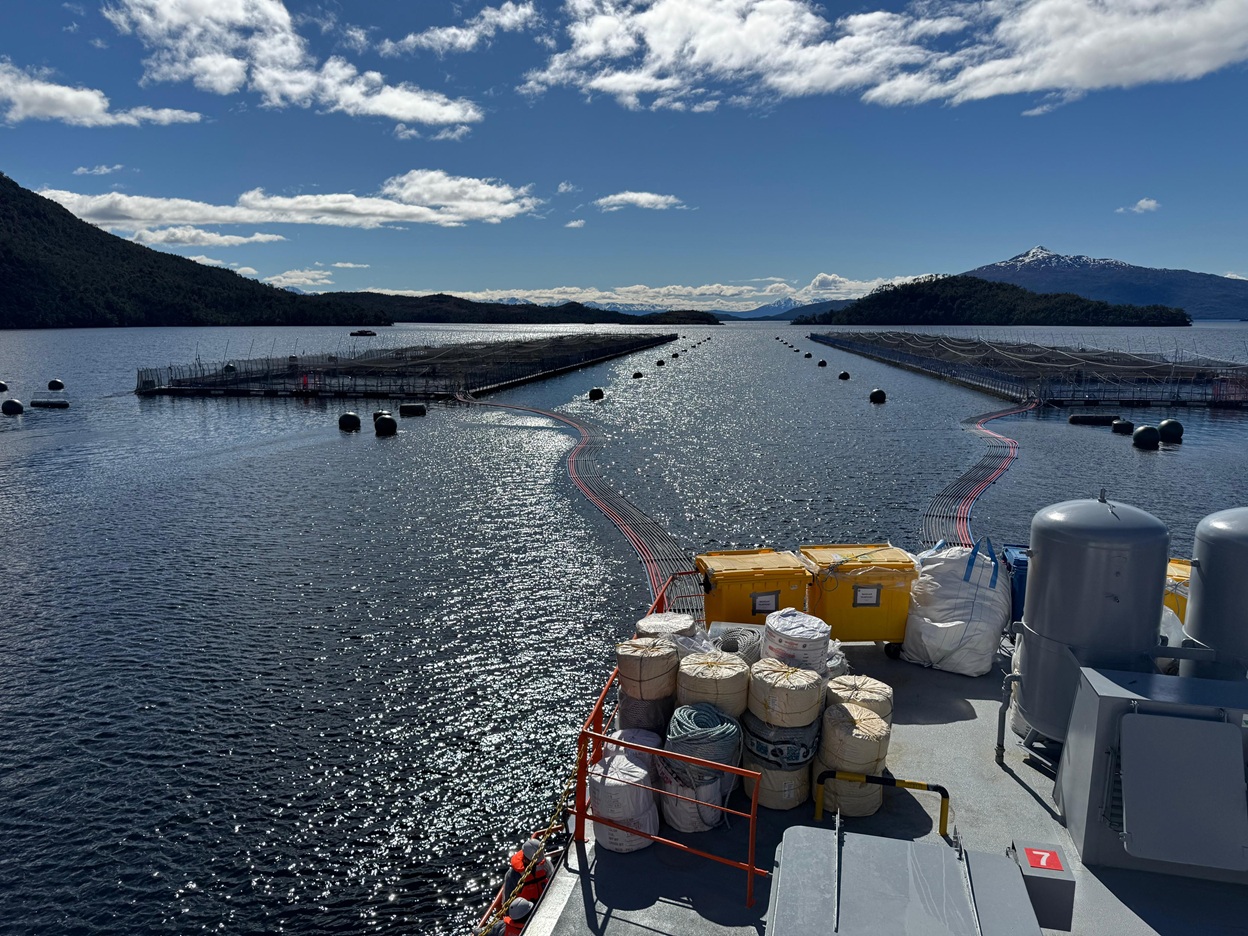
University of Chile together with Sernapesca and the Universities of O'Higgins and Concepción will develop the new Surveillance, Alert and Response System aiming to reduce the use of antimicrobials in national salmon farming with a target of 25% over a four-year period.
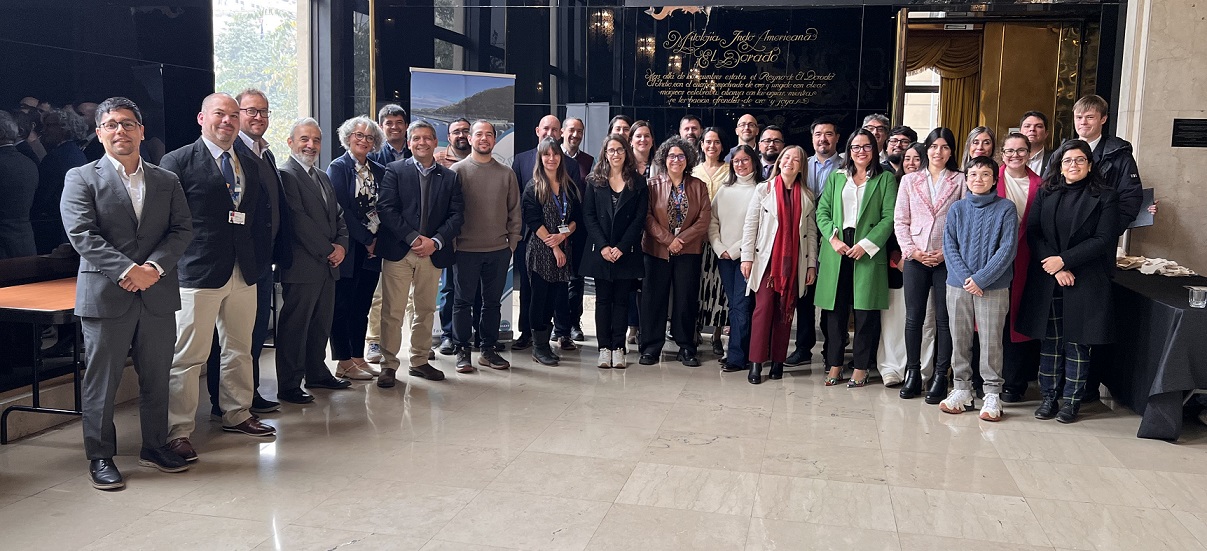
This Tuesday the official launch of the Surveillance, Alert and Response System (SVAR) took place, a project focused on the prevention of antimicrobial resistance (RAM), a public health issue that requires multi-sectoral and transdisciplinary efforts to address. It is in this context that this initiative is generated, which aims to reduce the use of antimicrobials in national salmon farming by 25% in the next four years.
The project is led by the National Service of Fisheries and Aquaculture (Sernapesca) and the Faculty of Veterinary and Animal Sciences (Favet) of the University of Chile and involves the Ministry of Health, Subsecretariat of Fisheries and Aquaculture, University of Concepcion, University of O'Higgins and the International Centre for Antimicrobial Resistance Solutions (ICARS), prestigious independent Danish institution that is recognized worldwide for its work in the search for scientific and collaborative solutions to address antimicrobial resistance.
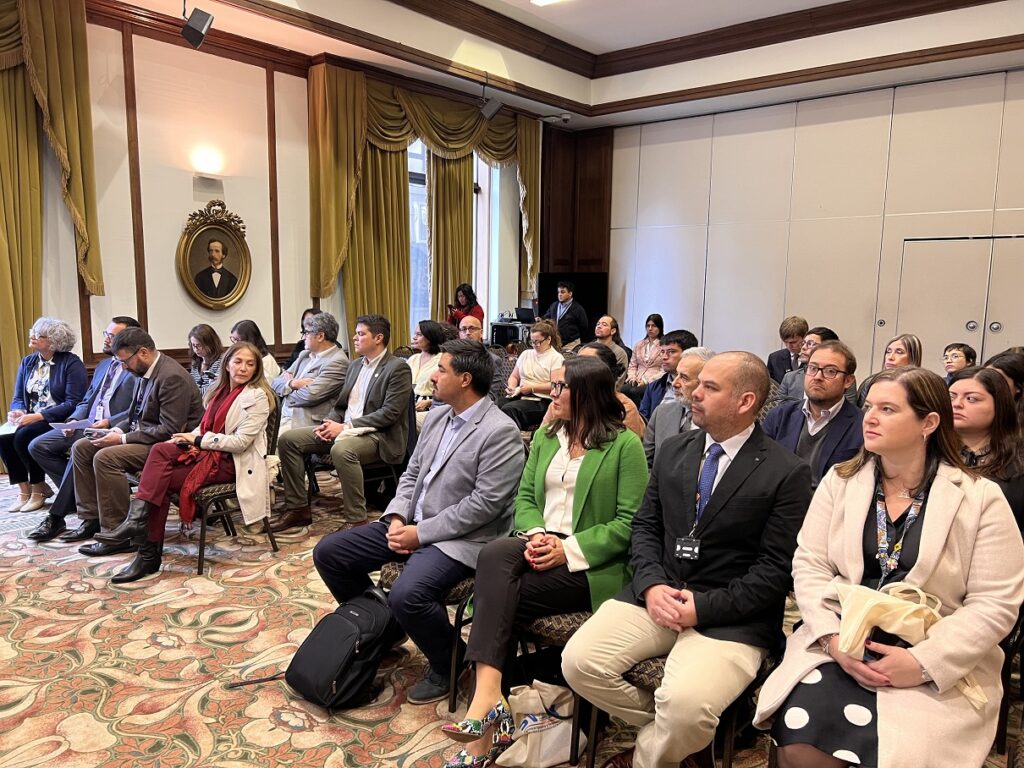
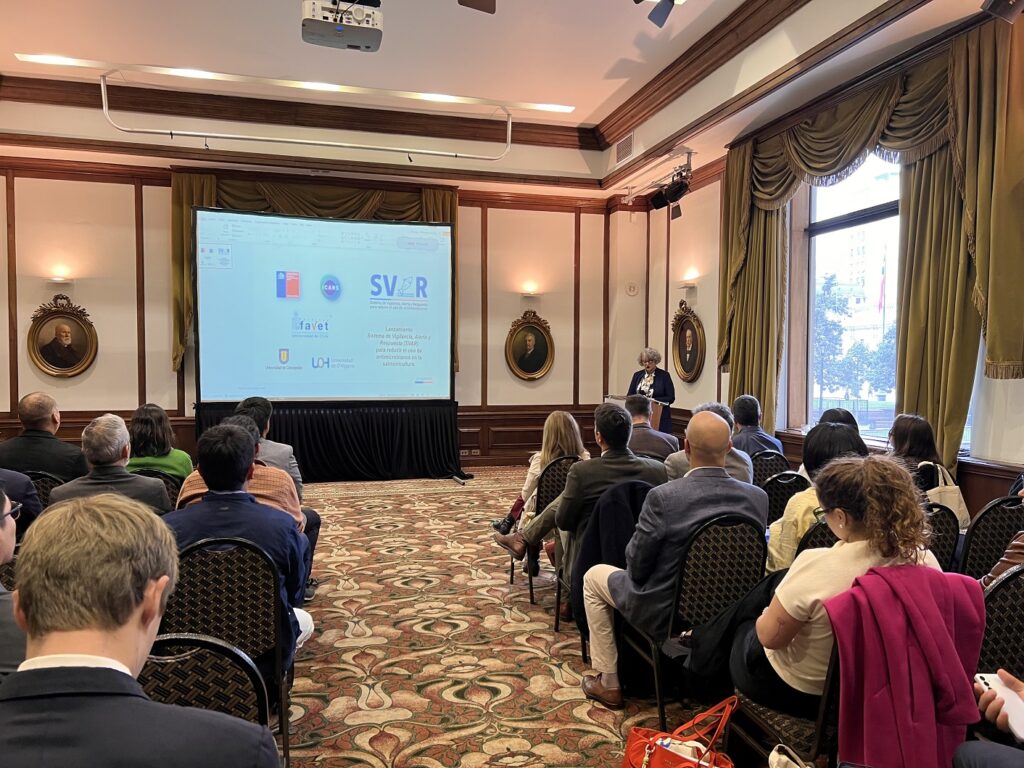
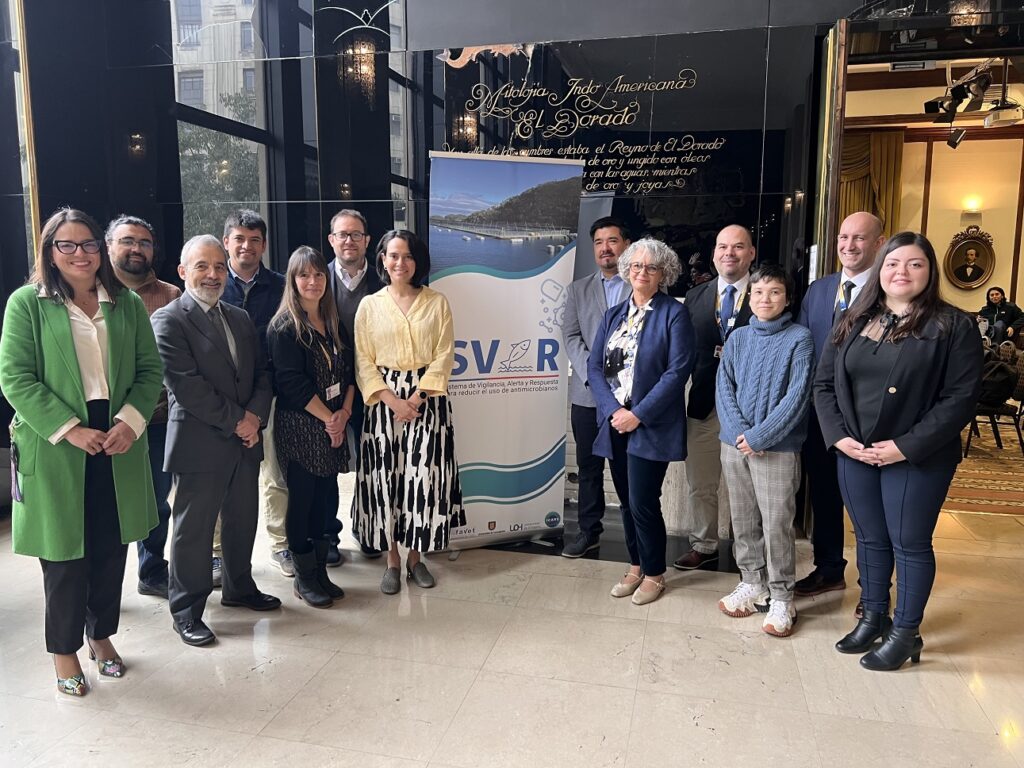
The Director of Aquaculture at Sernapesca, Mónica Rojas, highlighted that "this initiative is part of the National Antimicrobial Resistance Strategy and is aligned with the principles of the global One Health strategy, which recognises that human health, animal health and environmental health cannot be separated, therefore the use of antimicrobials is addressed in an integrated way to reduce resistance to them and that they do not lose its efficiency in treating diseases for the health and well-being of the fish.
Through the SVAR, a system will be designed and implemented that allows for an integrated analysis and weighting of the variables associated with the use of antimicrobials, in order to anticipate and identify those centers tending to high use, to establish voluntary and regulatory measures that will be lifted within the framework of the project to prevent their use.
Dr. José Manuel Yáñez López, Dean of Favet, stated that "it is very important the recognition that Sernapesca is giving by delegating part of the execution of this project to our capabilities and we are very pleased to be able to support this new initiative. One of the most important points has to do with involving different sectors, the academia, public institutions and involving the industry, and we consider this to be" the path we must take to solve the great problems that affect our national aquaculture industry, under the One Health approach.”
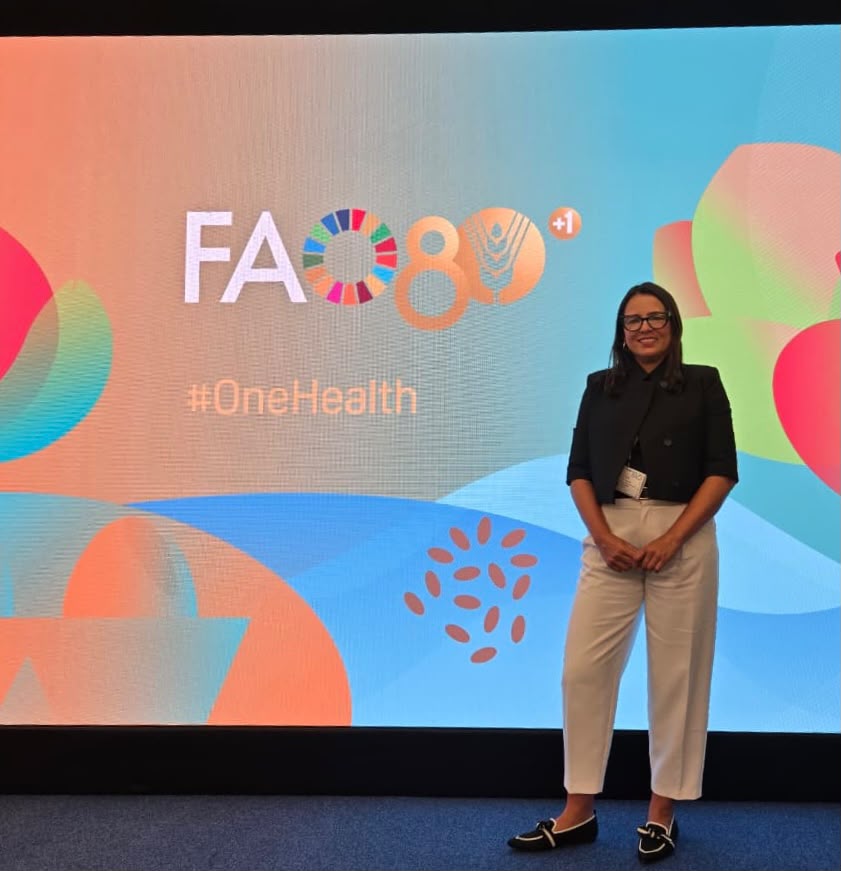
The participation of ICARS is key, as they have an experience of more than 40 projects developed in 20 countries and have an advanced platform to generate, evaluate and use evidence to support the development and implementation of science-based solutions to mitigate antimicrobial resistance. Claudia Cobo, senior advisor of the international organization, travelled from Denmark to participate in the activities associated with the submission of SVAR.
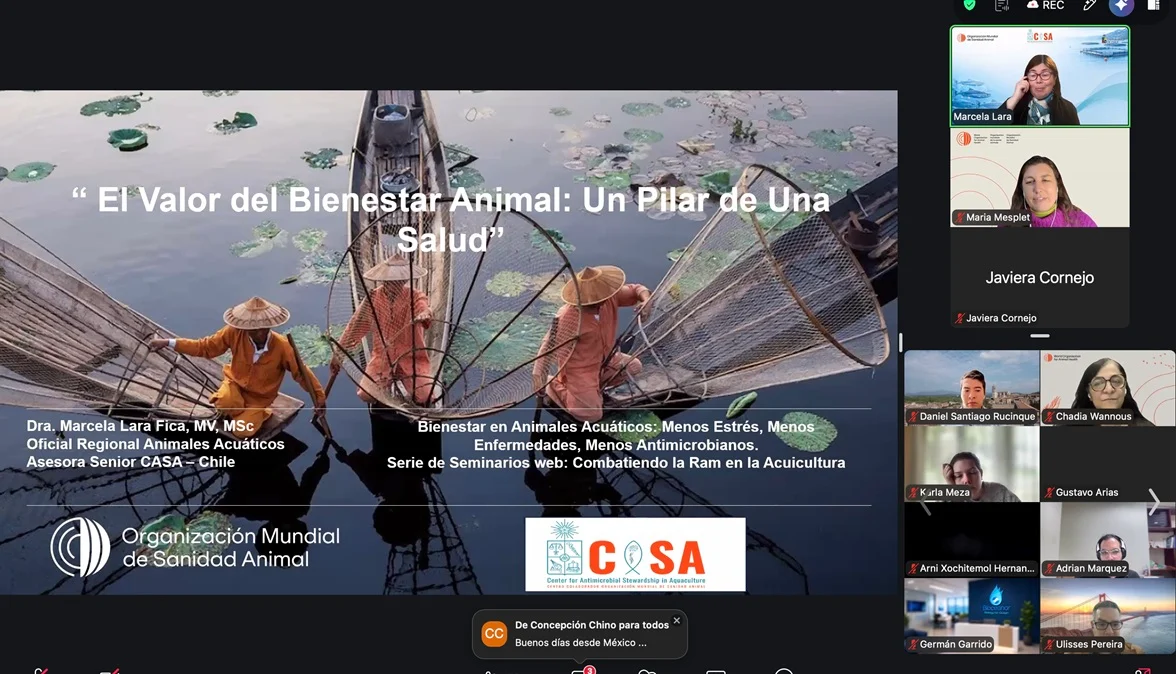
“Following the launch, we have had intensive face-to-face working sessions with the very useful technical, strategic and financial steering committees. The working methodology of this project is divided into packages and stages; each institution must carry out certain tasks that are concatenated for its progress. As it is a national initiative and we come from different regions, we had to seize the opportunity of meet, especially with ICARS’ counterpart Claudia Cobo, who traveled to Chile for this occasion,” Dr. Javiera Cornejo, academic coordinator of SVAR and executive director of the CASA Collaborating Center of the World Organisation for Animal Health.
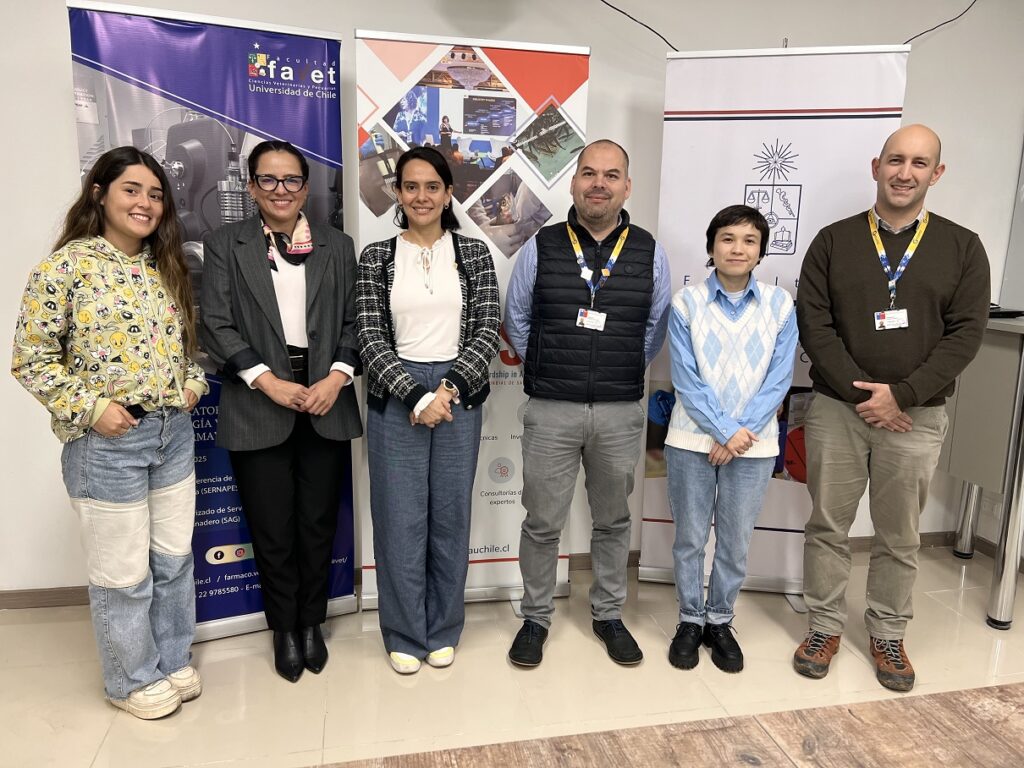
An official visit of ICARS to laboratories units of Favet, as the main scientific institution, was also carried out within the agenda of activities. Claudia Cobo, along with Osvaldo Sandoval and Francisco Vásquez, head and professional of Sernapesca Animal Health Department, respectively.
Farmavet, a leading university laboratory in the analysis of residues of drugs and contaminants in products of animal origin, especially hydrobiological products; Inouivet, specialized in the detection of pathogenic microorganisms in aquaculture products; and Microvet, dedicated to antimicrobial resistance in pathogenic bacteria of animal origin.