The present and future of Chilean aquaculture are converging on the integration of knowledge genetic, nutritional and agricultural to produce more efficient, healthy and sustainable fish.
In the current scenario of global aquaculture, the major challenges are no longer limited to improving productive efficiency, but rather to transform the bases how Atlantic salmon species feed and develop (Atlantic salmon), coho or Pacific salmon (Coho salmon) and rainbow trout (Rainbow trout).
In Chile, the Technological Program for the Local Production of Plant Nutritional Insumes for Aquaculture (PTEC-INVA) – an initiative promoted by the Production Development Corporation (Corfo), led by Antarctic Salmon and whose co-executing entities are the Institute of Agricultural Research (INIA), the Food Technology Innovation Center (CeTA), Agrotop Companies, Veterinary Histopathology Center (VeHiCe) and the universities of Chile (University of Chile) and Catholic University of Temuco (UCT)– is advancing precisely in that horizon: to unite agriculture and aquaculture to create a third industry based on plant inputs and genetically adapted fish.
From sea to land: the new agricultural paradigm
During the International Seminar: “Creating a Third Industry” organized by PTEC-INVA at the Regional Research Centre INIA Carillanca, the Dr. Jurij Wacyk Gonzálezthe representative of the UChile for the PTEC-INVA, and the Dr. Kenneth Overturf, geneticist senior de Riverence Provisions LLC (Idaho, United States) discussed how the link between nutrition and genetics redefines the future of salmon farming.
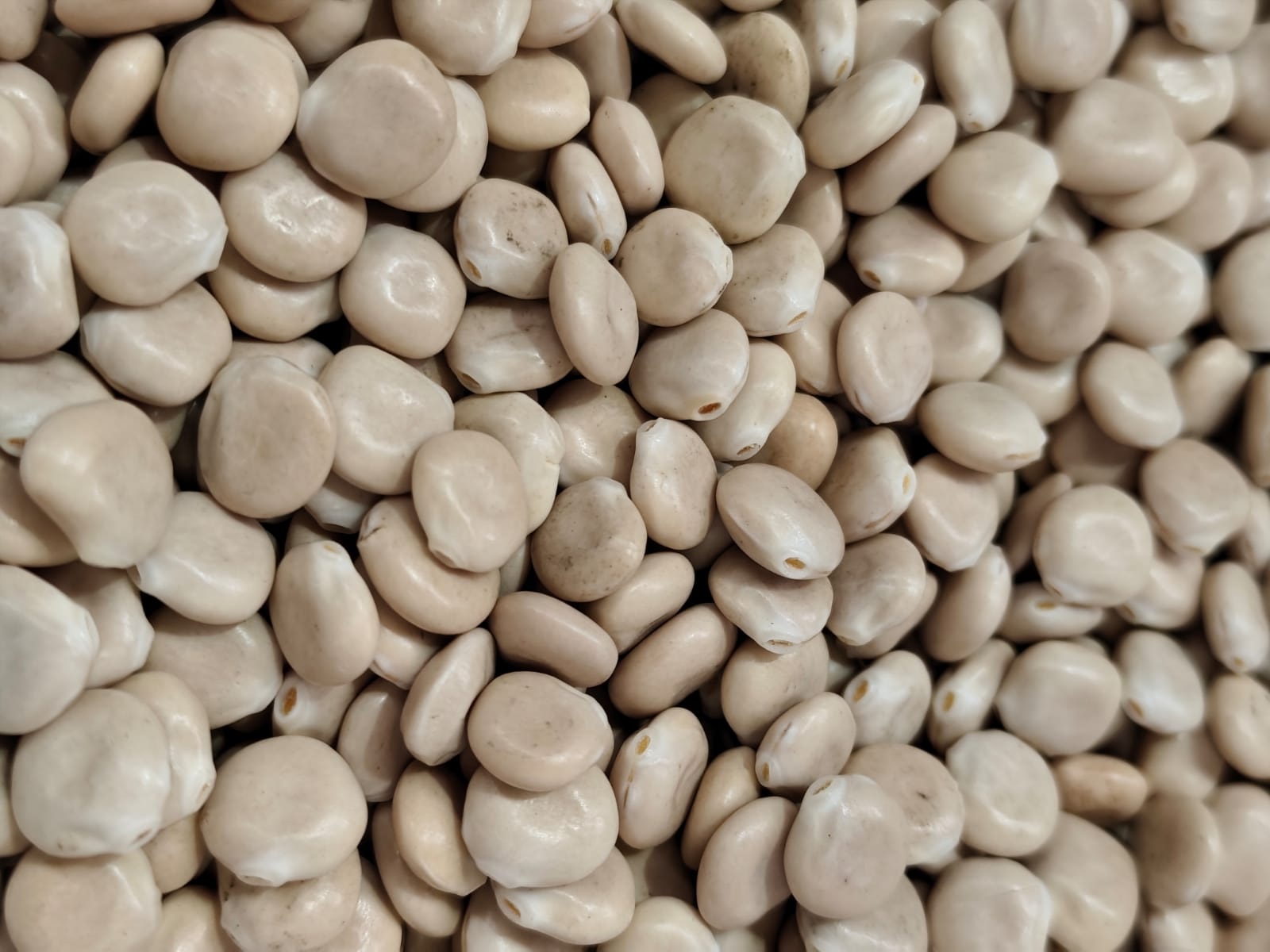
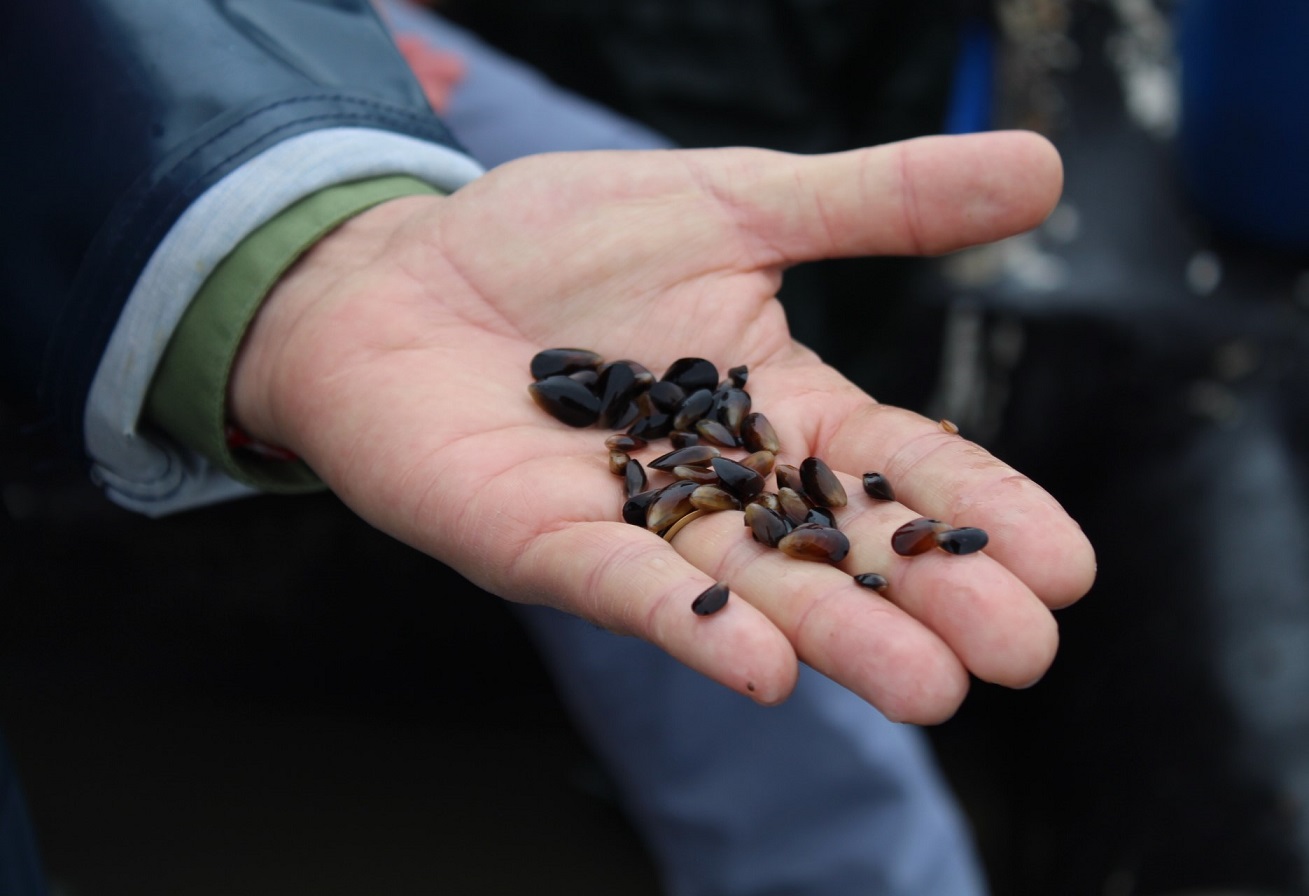
Dr. Wacyk presented the progress of PTEC-INVA in the incorporation of protein and lipid sources of plant origin – such as canola, peas, lupine, bean, flaxseed, alfalfa, soya and camelina– in diets for Atlantic salmon and Rainbow trout, highlighting the tests of digestibility and productive performance.
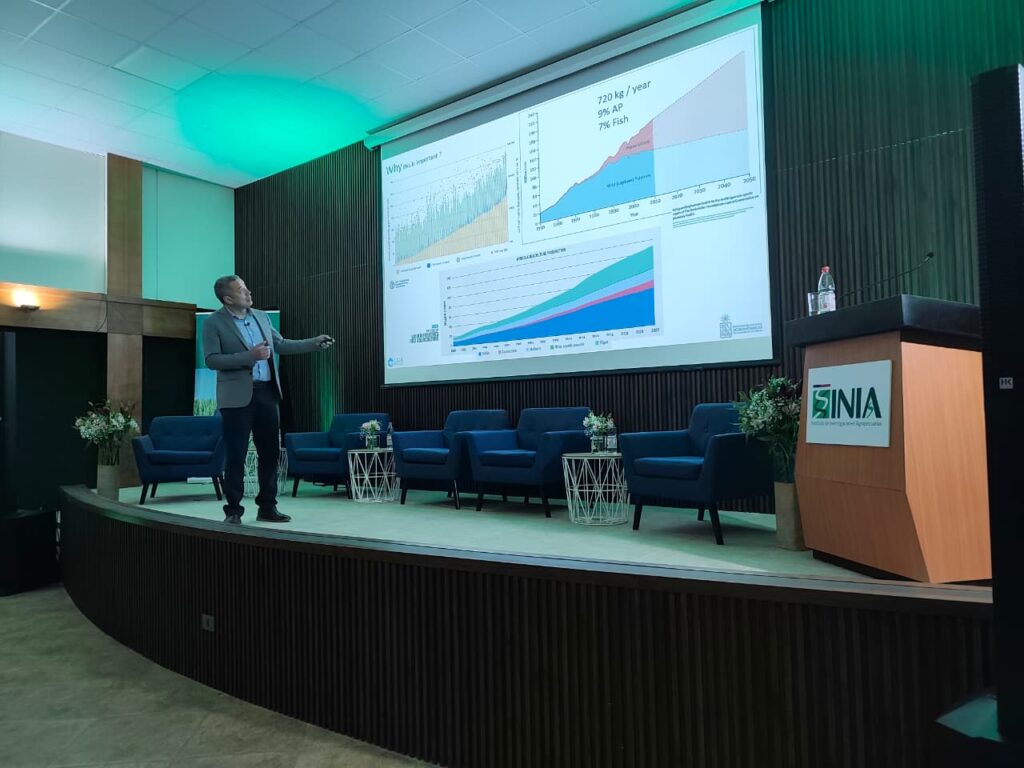
“We are feeding the present and the future with local vegetable ingredients,” Dr. Wacyk, emphasizing that the great challenge of the sector is not to replace by replacing, but to understand how domestic agricultural ingredients can be efficiently and sustainably integrated into the Chilean aquaculture system.
Genetics as a key to new efficiency
From Idaho, Dr. Kenneth Overturf presented a complementary vision: if food changes, the fish can evolve to improve the use of diets formulated with plant materials.
In his previous position as one of the leading scientists of the Agricultural Research Service (ARSby the United States Department of Agriculture) (USDA)where he directed a genetic improvement program, Dr. Overturf and his team developed rainbow trout lines capable of digest efficiently plant-based diets, reduce soya-induced enteritis and biosynthesizing omega-3 fatty acids (EPA and DHA) from vegetable oils.
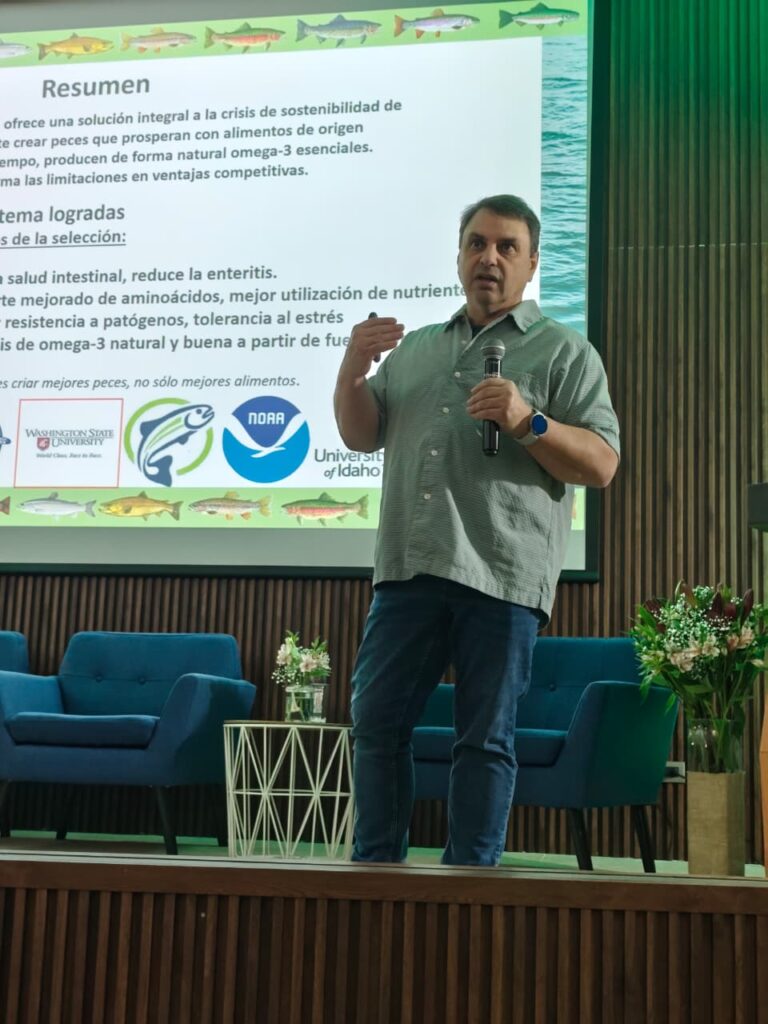
With 0.78 hereditary estimates for DHA and 0.61 for EPA, its results show that genetics can transform nutritional limitations of plants in advantages productive.
“Selecting fish that efficiently use sustainable diets makes a limitation an advantage competitive. The future is not only in developing better foods, but in growing better fish,” Dr. Overturf.
Technical visits
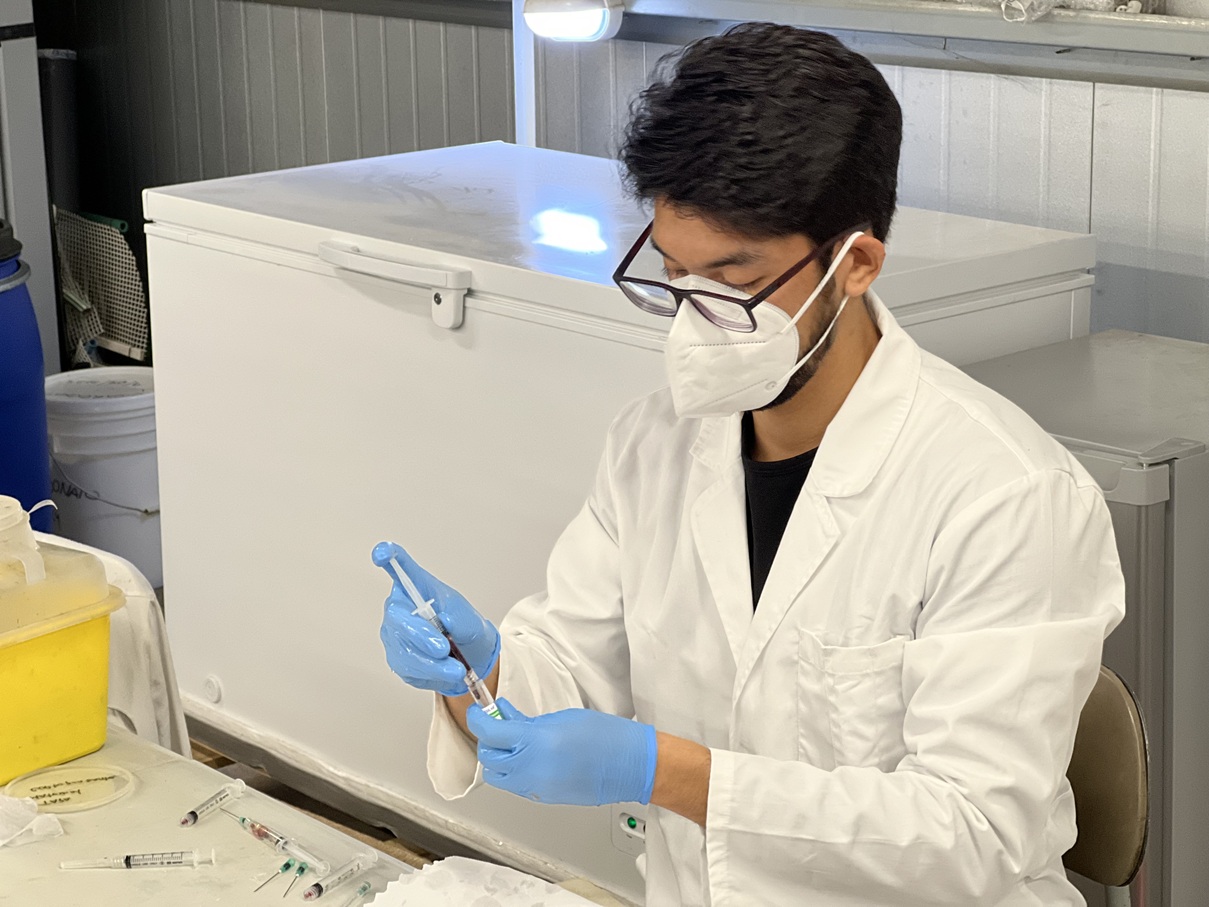
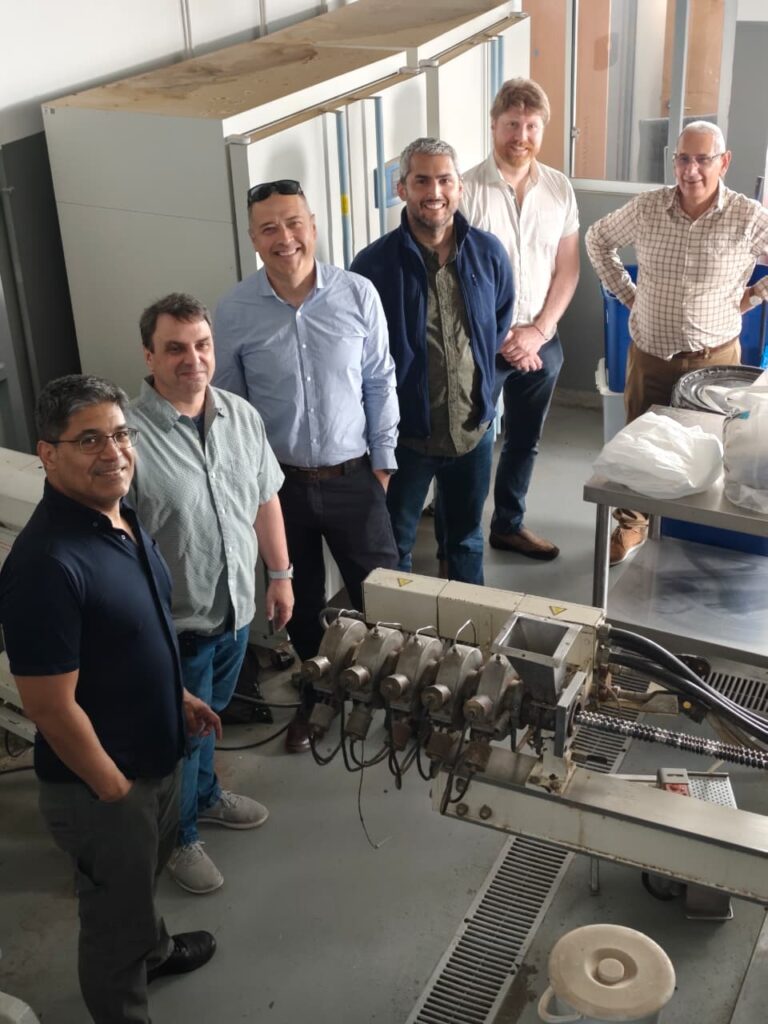
As part of the linking activities of PTEC-INVA within the framework of the International Seminar: “Creating a Third Industry”, its governance team, along with representatives of the University of Chile, Dr. Jurij Wacyk and Dr. Mario Caruffo Madrid, in addition to Dr. Kenneth Overturf, visited the Fish Nutrition and Physiology Laboratory ofDepartment of Agricultural and Aquaculture Sciences of the Catholic University of Temuco (UCT), led by the Dr. Patricio Dantagnan, who also integrates PTEC-INVA as a representative of the UCT.
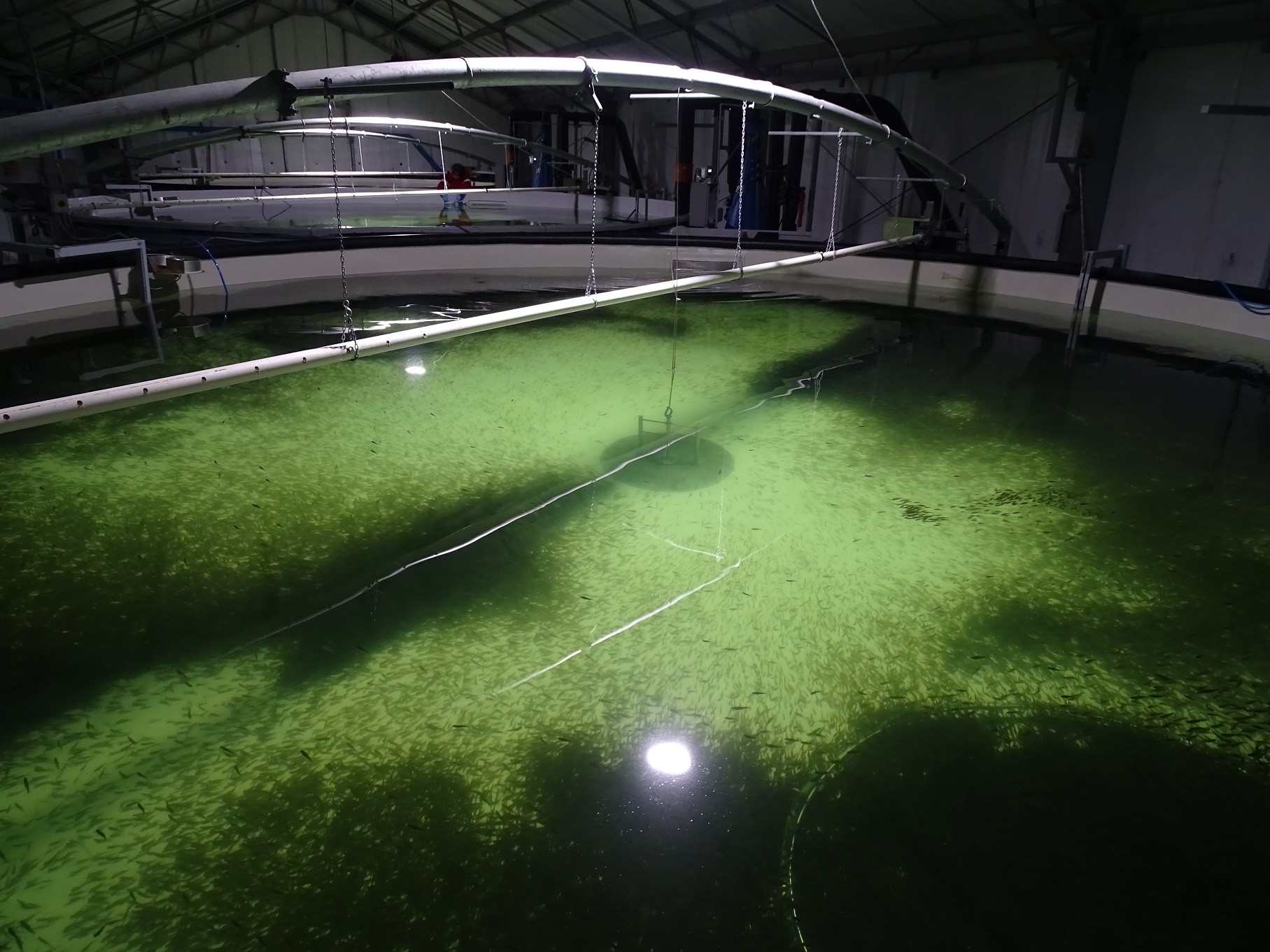
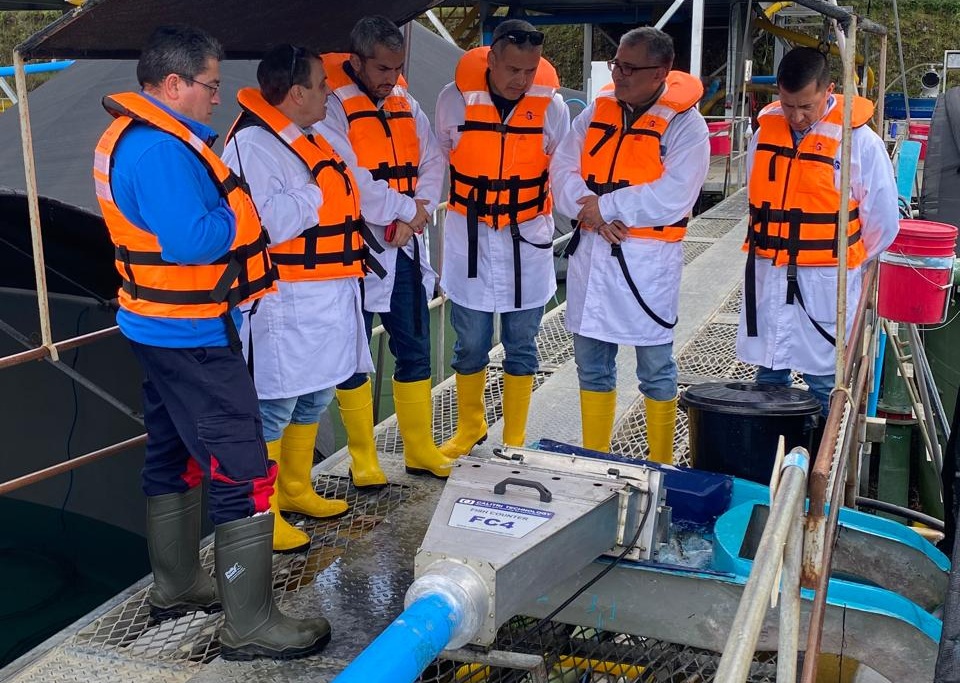
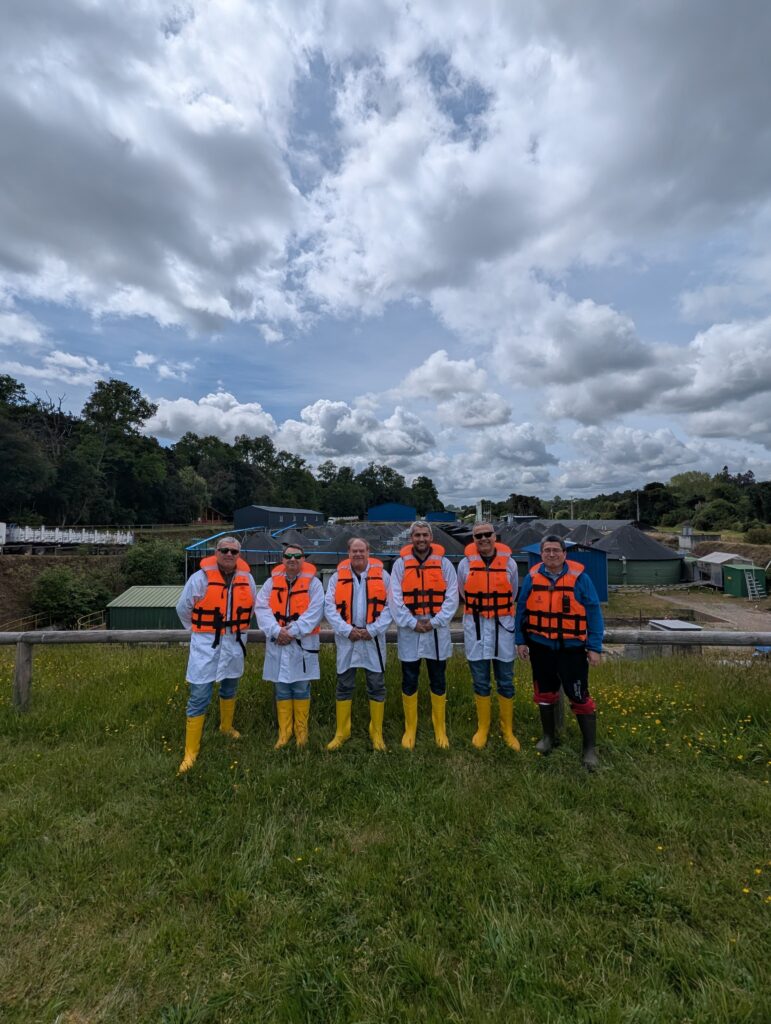
Later, with the articulation of the manager of the PTEC-INVA, Dr Daniel Nieto Díaz-Muñoz, the motorcade toured the Fish farming The Anthartic Salmon Drums, located in the municipality of La Unión (Los Ríos region). There they were received by the deputy manager of Freshwater, Gustavo Araya; the head of Area for Los Ríos, Rodrigo Domínguez; and the first assistant, Guido Barril.
“Collaborative work between universities, companies and technological programs is essential to connect research with the actual production. In Los Tambores, this connection is already seen: fish fed with functional diets, evaluated under commercial conditions, closing the cycle between genetics, nutrition and sustainability,” said Dr. Grandson.
A third industry: the bridge between countryside and sea
Both the nutritional tests of the University of Chile team and the genetic lines developed by the USDA point to the same destination: a sustainable aquaculture based on the agro-acuculture knowledge.
The model that drives the PTEC-INVA not only seeks to reduce dependence on imported inputs, but activate regional agricultural value chains produce ingredients for the cultivation of salmon and trout.
According to Dr. Wacyk, only 1% inclusion of local vegetable ingredients in national diets could mean more than 10,000 tonnes annual agricultural demand equivalent to 4,800 hectares Of a kind used for growing peas, or more than 15,000 lupine in the case of 2 per cent inclusion, strengthening economy rural area of the entire southern-eastern macrozone of the country.
Conclusion: a sustainable revolution under way
The present and future of Chilean aquaculture are converging on a single idea: integration of knowledge genetic, nutritional and agricultural to produce more efficient, healthy and sustainable fish.
This new agro-acuculture era not only redefines the relationship between land and sea, but also positions Chile as a natural laboratory where applied science can give rise to a third industry that feeds the world with intelligence and sustainability.