
A study of national researchers identified that focal melanosis in Atlantic salmon is linked to oxidative stress, chronic inflammation, and cell apoptosis. Findazgo explains the origin of these lesions that affect up to 22% of steaks in Chile and opens the door to new prevention strategies.
The spots on salmon, known as focal melanosis, generate a significant economic impact both in the Chilean industry and worldwide, as they cause a decrease in the commercial quality of the product. This requires selling fillets at lower prices or subjecting them to additional processes such as cutting, which reduces performance and increases production costs. In Chile, it has been observed that approximately 19 per cent and 22% of steaks present this problem, which shows its high prevalence and relevance to the industry.
In this sense, a group of Chilean researchers discovered that the dark spots that appear in the Atlantic salmon muscle—a growing problem in aquaculture—are not mere aesthetic defects, but the result of complex biological processes and are related to oxidative stress, chronic inflammation and programmed cell death (apoptosis). The study developed by researchers of the Pontifical Catholic University from Chile, from the University of Chile, from San Sebastián University, from Andrés Bello University and from the INCAR Center showed that certain molecules (such as TNF-α) trigger the production of reactive oxygen species, damaging muscle cells and favoring the accumulation of pigments. This not only affects the quality of the product that reaches the consumer, but also generates economic losses for the salmon industry.
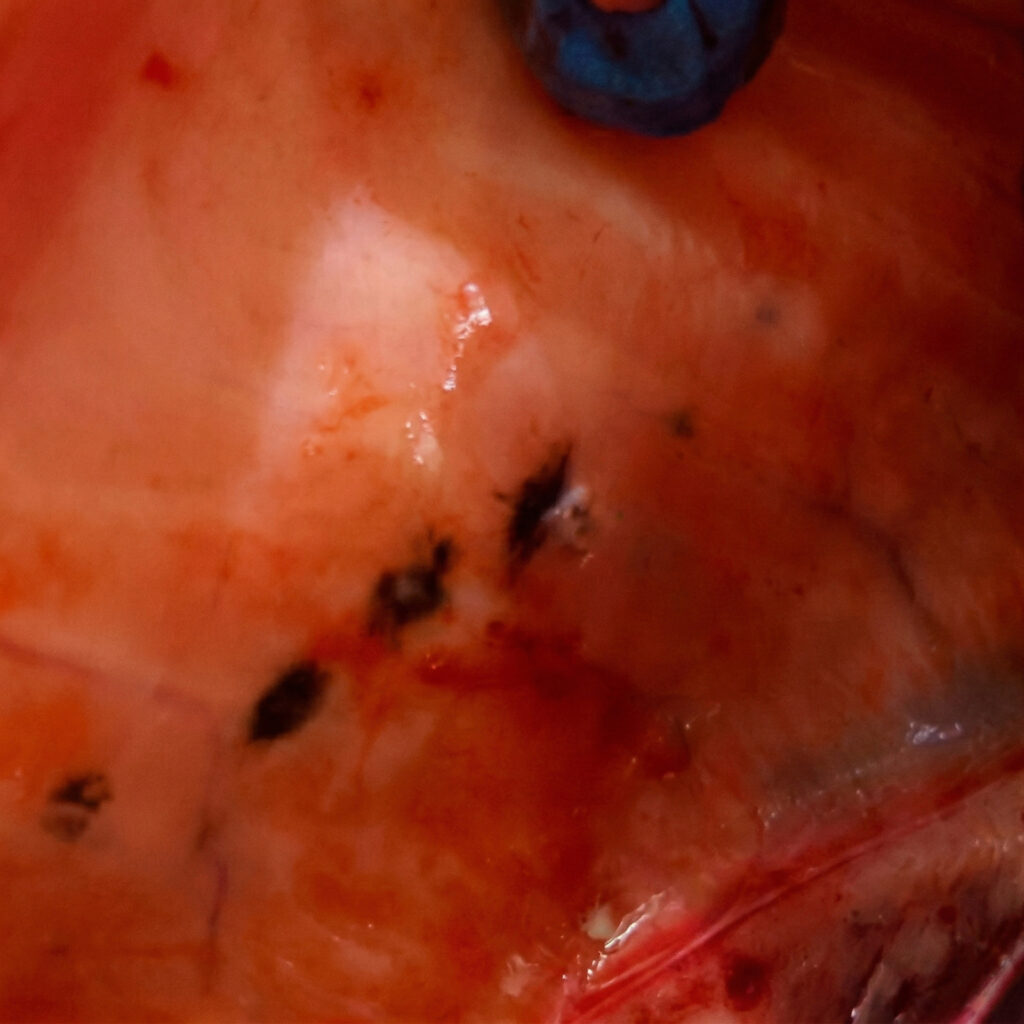
“Factors such as oxidative stress and inflammation play a central role in fish health. Melanosis is associated with a process of chronic inflammation in the muscle, accompanied by an increase in oxidative stress that causes cell damage, activation of the immune system and accumulation of melanin. These events lead to the degradation of muscle tissue and the visible appearance of stains,” said the University Academician. Andrés Bello and Principal Investigator of INCAR², Dr. Juan Antonio Valdés.
The research opens the door to designing mitigation strategies to reduce the appearance of these lesions and improve the health of fish, with benefits for both producers and consumers. “To prevent or reduce the appearance of these stains, it is essential to implement strategies aimed at improving the conditions of cultivation, such as reducing the stress of fish through proper management, optimizing nutrition to avoid deficiencies, and to control inflammatory processes associated with sanitary conditions. Also, the evidence suggests that early stages of development are critical, so intervening at that time could be key to preventing melanosis. In this context, the development of molecular tools could also make it possible to identify fish with a higher risk of developing these lesions,” said Dr. Valdés.
The findings contribute significantly to the development of more sustainable practices in salmon production, as they improve animal welfare, reduce productive losses and optimize the use of resources. “By decreasing the incidence of melanosis, product waste is reduced and the efficiency of the production system is improved, which favours more economically sustainable aquaculture and environmental,” said Dr. Juan Antonio Valdés.
Review the study “Molecular characterization of melanised focal changes in Atlantic salmon (Salmo salar) skeletal muscle reforms involvement of oxidative stress, inflammation, and apoptosis”, by Raúl Cortés, Rodrigo Zuloaga, Camila Godoy-Diaz, Luis Urdaneta, José Luis Galaz, Liane Bassini, Sebastián Escobar-Aguirre and Juan Antonio Valdés Here.