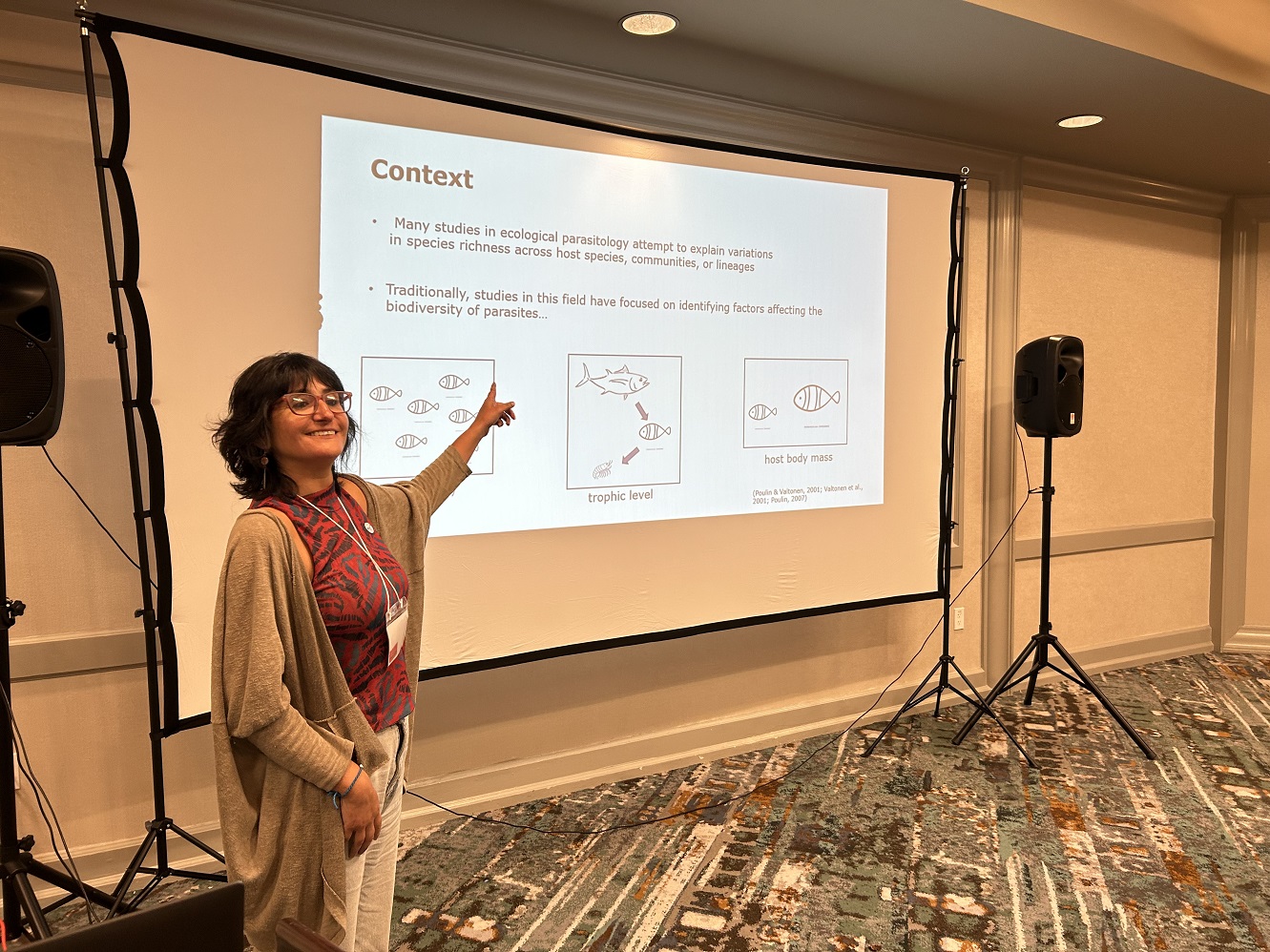
Academics and recent graduates of Marine Biology from the Catholic University of the Holy Conception (UCSC) provided important findings on the richness patterns of parasites and fish from different sectors of the coast of Chile.
From April 1st to 4th, the N°53 version of the Benthic Ecology Meeting, organized by the American Society of Bentonic Ecology, took place. This meeting took place in Mobile, Alabama, United States.
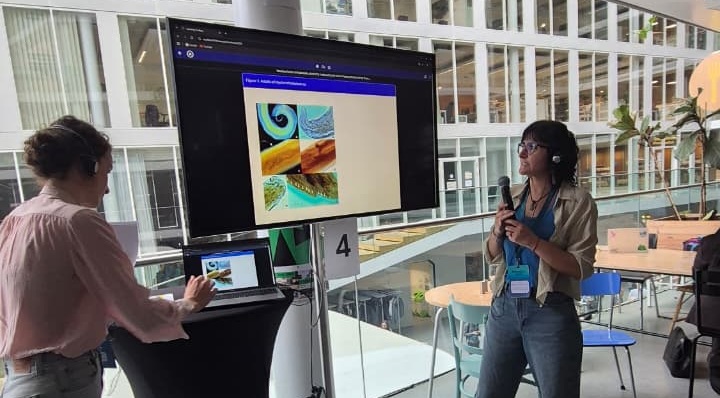
In this context, Dr. Sara M. Rodríguez presented at a symposium the details of the chapter of the book entitled “The ecology and evolution of marine parasites and diseases”, which is part of the Oxford University Publishing House. In this publication, together with Dr. Mario George-Nascimento and the recent graduate of Marine Biology UCSC Valentina Martínez, wrote and analyzed patterns of fish and parasites in Chile. This publication is part of the SIA85220111 project led by Dr. Rodriguez.
Radiography on the Chilean coasts
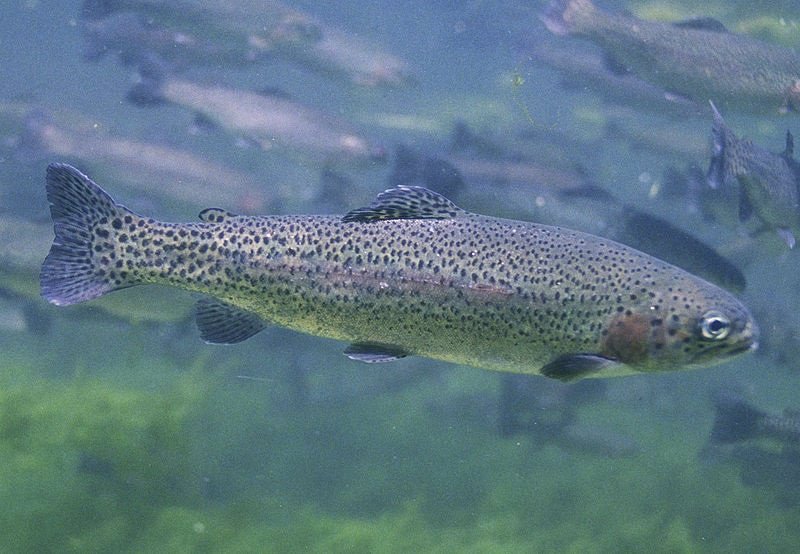
Part of the contents written in the chapter entitled “Community patterns in trophically-transmitted health parasites of marine fish assemblages in Chile, SE Pacific Ocean“ it was related to the presence and absence of parasites that inhabit fish from different habitats. The study considered 34 different species of fish and 17 species of endoparasites. “We analyze groups of fish in the intertidal area, on the coast, in the estuary, in the pelagic area and in the abyssal area or at the bottom of the ocean. We wanted to see if there is any pattern on the distribution of parasites in this type of hosts,” said the academic.
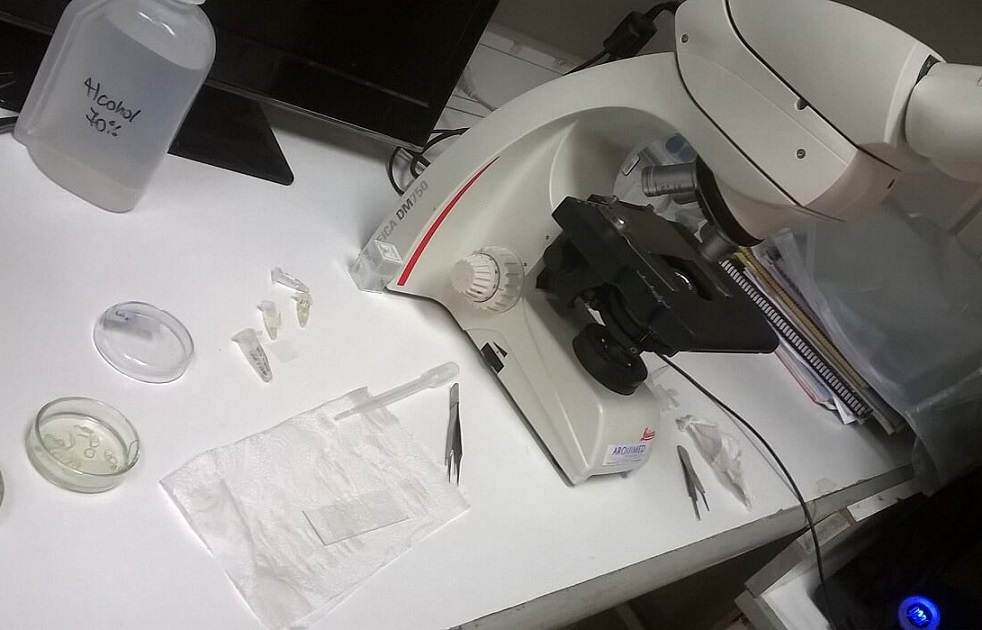
In addition, it was analyzed on fish that live in intertidal water pools on five beaches in the Biobío region. Parasite ensambles grouped in fish ensambles by well and by site were studied. “We also wanted to study whether a pattern was generated with the type of parasite in the different pools of the beaches studied,” he added.
It was also discussed the volumetric relationships of parasite densities in fish weight densities.
Main findings
As for the results, parasites tend to group according to the place in which they live, mainly because of the similarity in the diet they possess. Most fish are faithful to the habitat, especially in parasites that are generalists, that is, they can parasitize different hosts, but always related to the sector of origin since they share a similar diet.
Another aspect highlighted by the study is that there are differences between parasite ensambles between hosts from the intertidal pools. “This means that every intertidal well, regardless of whether it is in the same region, has its own fish that shelter its parasites,” added the academic.
Finally, on volumetric relationships, no pattern was found regarding the size of parasites and the weight of fish. “Regardless of the volume of the fish, it can contain large or small parasites,” he concluded.
It should be noted that this group of researchers are the only representatives of Latin America to contribute contents on parasites patterns in this book. “With this chapter we are showing patterns of parasites and fish that can be extrapolated to different countries to see if the same pattern is generated. This is both in the behaviors of parasites and fish in the same habitat and in the same wells and volumetric relationships,” he said.
In this way, possible collaborations were generated in the future with academics from other important US institutions, with the idea of strengthening and comparing these dynamics.