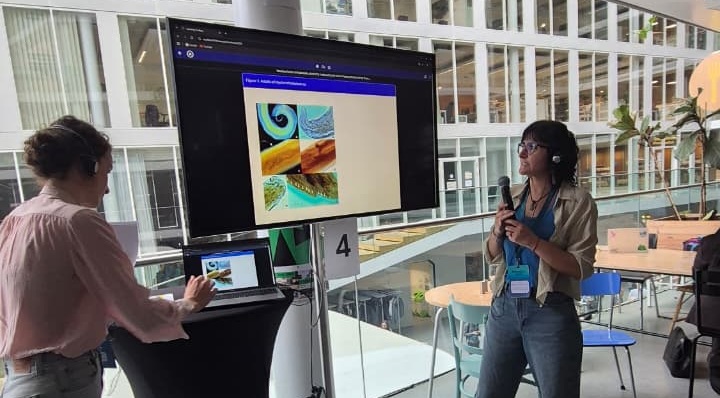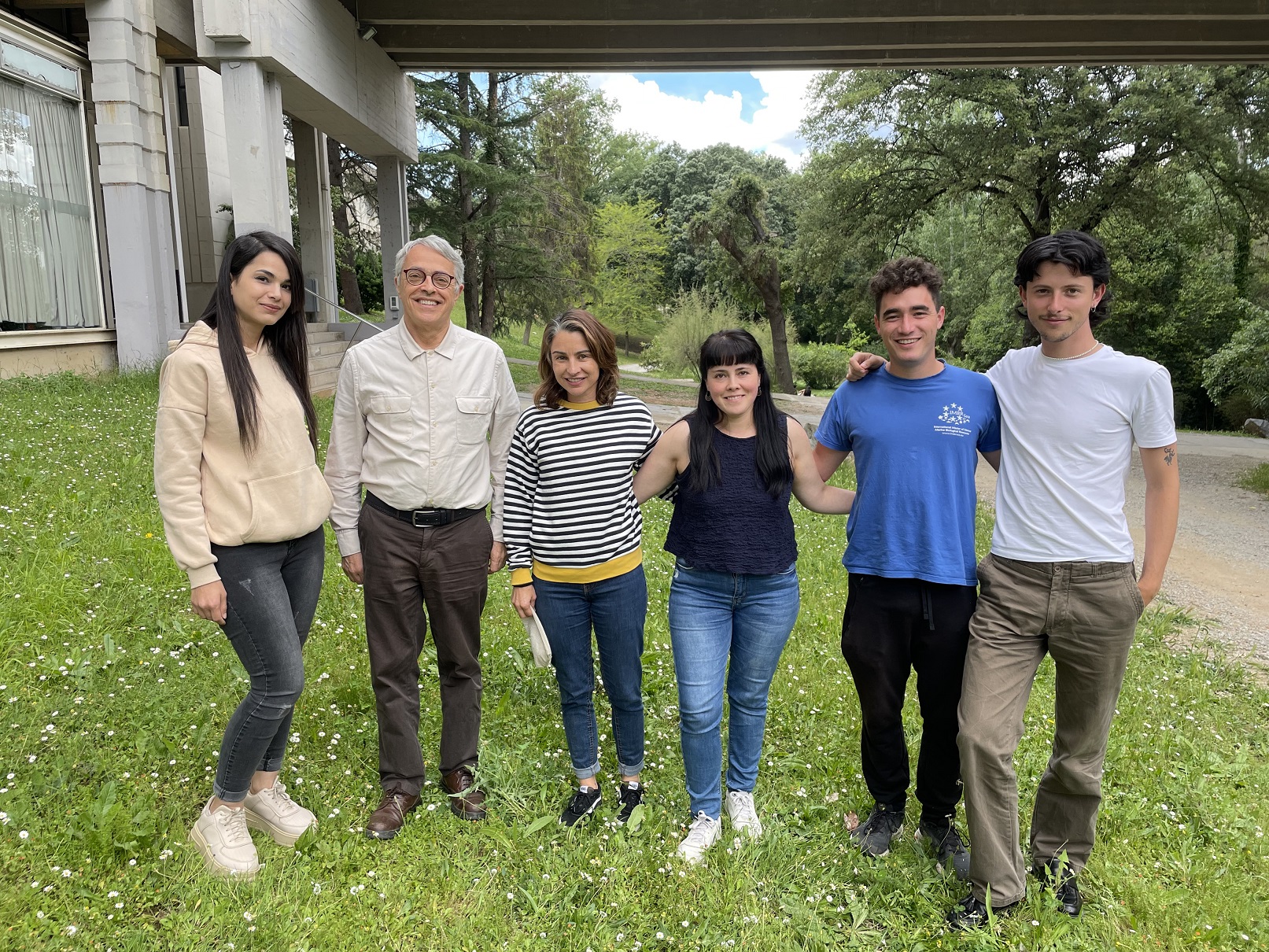
Camila Barría CárdenasWho's a marine biologist, Master's Degree in Aquaculture and student of Doctorate in Aquaculture Sciences of the Universidad Austral de Chile (UACh) Sede Puerto Montt, is performing a successful internship in the Autonomous University of Barcelona (UAB).
The young researcher, returned to the study house where she made her Master's Degree in Aquaculture to develop the specific objectives of his doctoral thesis, including:
- Evaluate molecular and histological response in adults with Chilean mussel, to the exposure of harmful microalgae Alexandrium catenella and Protoceratium reticulatum.
- Evaluate molecular and histological response in adults with Chilean mussel nanoplastics (NPs) exposure.
As he indicated from Barcelona, in order to meet the proposed objectives, in May and June of last year he conducted experiments with choritos (M. chilensis) on the Texas Island Campus of the Universidad Austral de Chile.
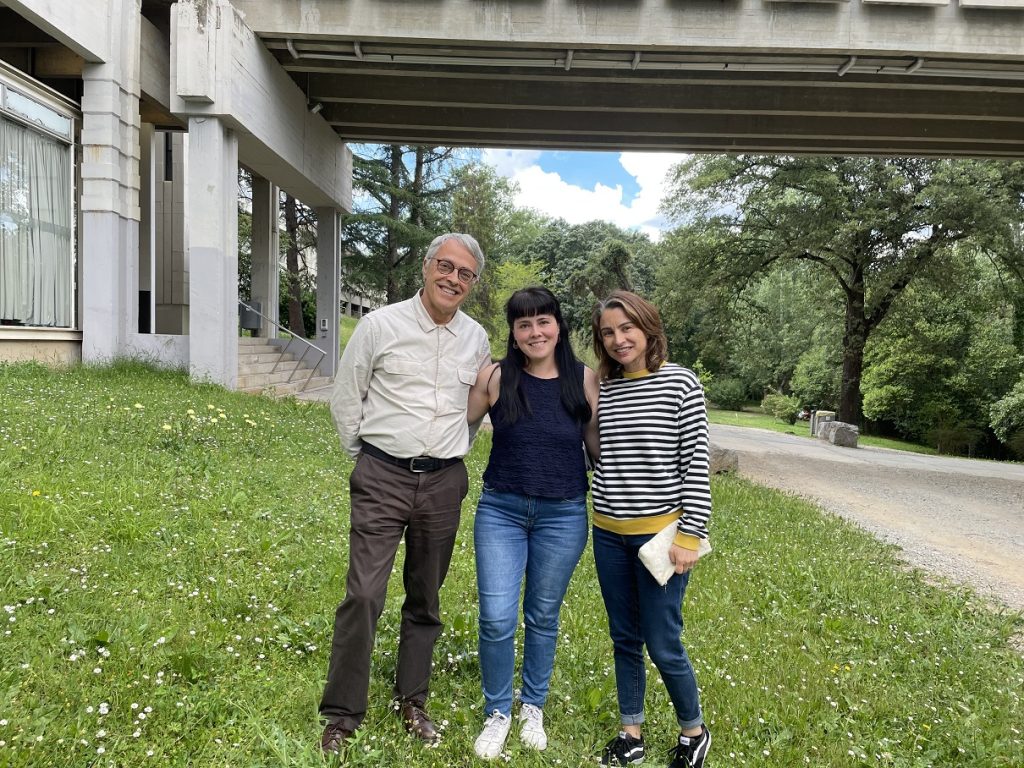
In these experiments he obtained samples of gills and hepatopancreas from organisms exposed to toxic microalgae and nanoplastics, which were transferred to the city of Barcelona for gene analysis in collaboration with the thesis co-tutora, Dr. Mariana Teles.
“Dr. Mariana Teles (Co-sponsor of the doctoral thesis) has extensive experience in the study of micro and nanoplastics in marine species, and within the research led by her is the study on the effect of nanoplastics on the mussel Mytilus galloprovincialis, so her experience with this species is relevant to the development of this doctoral thesis.”“Hail,” Camila said.
The marine biologist noted that analysis of transcriptional levels of target genes is relevant, as it reports on the gene regulatory network affected by exposure to contaminants, allowing early warning signs of damage to be detected.
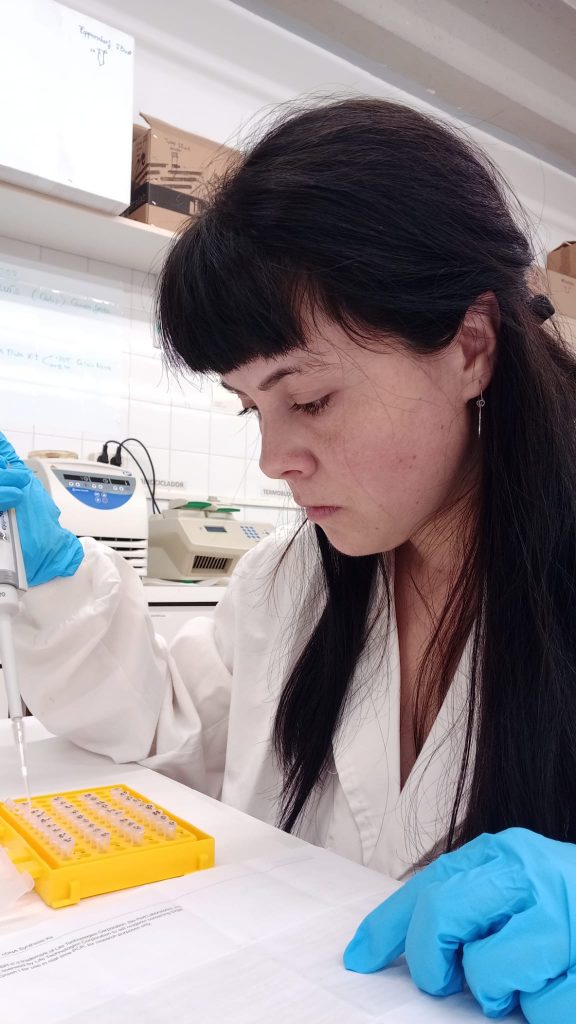
The micro/nanoplastic study was conducted in the UAB Physiology and Immunology laboratory, which is led by Dr. Lluis Tort, who are pioneers in research regarding the effects that these emerging pollutants may have on the health and/or well-being of aquaculture species.
When consulted on the internship, Camila Barría indicated that she was managed in conjunction with her co-tutor of thesis Dr. Mariana Teles, whom she has known since 2019, when she made her master's thesis in Barcelona, under her tutelage.
"In order to carry out the doctoral internship, they applied for the complementary benefits of the National Doctoral Scholarship ANID, which awarded me the doctoral internship of the competition on 2023. Moreover, for the transfer of samples it was necessary to finance the IDEAL Center, managed by my thesis tutor, Dr. José Luis Iriarte”He said.
“The sample analysis was funded by the UAB’s Laboratory of Physiology and Immunology, resources that were managed by Mariana Teles.” added.
The development of this internship is relevant for the advancement of his Doctoral Thesis in order to qualify for the Doctoral Degree in Aquaculture Sciences of the Universidad Austral de Chile, since, once the analysis of samples has been completed, the results of specific objectives 1 and 2 will be obtained.
In addition, this project is ambitious in that it would be the first work to evaluate the effect of toxic microalgae at the molecular level. P. reticulatum and nanoplastics (NPs) in the main bivalve species nationwide as is the Chilean mussel M. chilensis, by bioassays in this species.