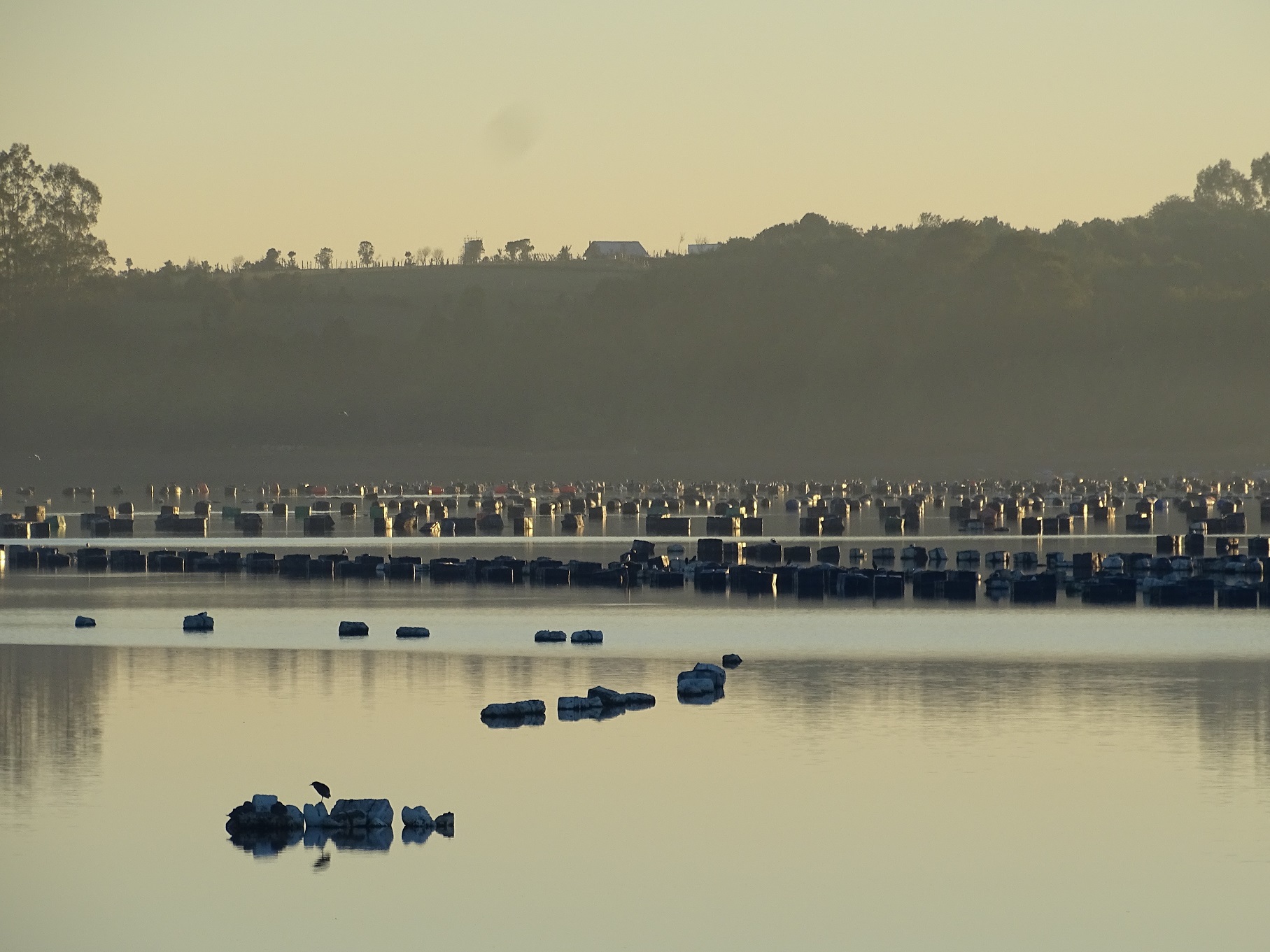
The study includes the Universidad Santo Tomás, Universidad Católica del Norte, Universidad de Santiago de Chile, the Instituto Tecnológico de la Cultura de musselones and the Asociación Gremial de producadores de musselones Estuario de Reloncaví Sur.
The consequences of climate change are increasingly present in all ecosystems. One of them is the acidification of marine waters, which in turn affects the generation of calcium carbonate and thereby interferes with the production of molluscs, because for them to have their shell they must absorb CO2, and acquire it from carbonate in the sea.
This situation could create an imbalance in ecosystems with all the consequences that this entails, both problems in ecosystems and in the economy that is based on these products.
In this context the Catholic University of the North (UCN) leads the project “Development of artificial reefs using mussel crop residues as a nature-based solution for marine restoration”, financed by the Fund for the Promotion of Scientific and Technological Development, FONDEF.
The study goes hand in hand with the UN sustainable development goals, and is led by Dr. Begoña Peceño Capilla, academic of the School of Risk Prevention and Environment of the Faculty of Marine Sciences of the UCN.
To develop the project, the Los Lagos Region was chosen, as due to its physical and biological characteristics it is highly vulnerable to the acidification phenomenon, which is constantly increasing.
In addition, the research involves the Universidad Santo Tomás and the University of Santiago de Chile, the Institute of Mussel Farming and the Gremial Association of Mussel Producers South Reloncaví Estuary, and through it is sought to build with the residues of shells, artificial reefs to contribute to the marine restoration.
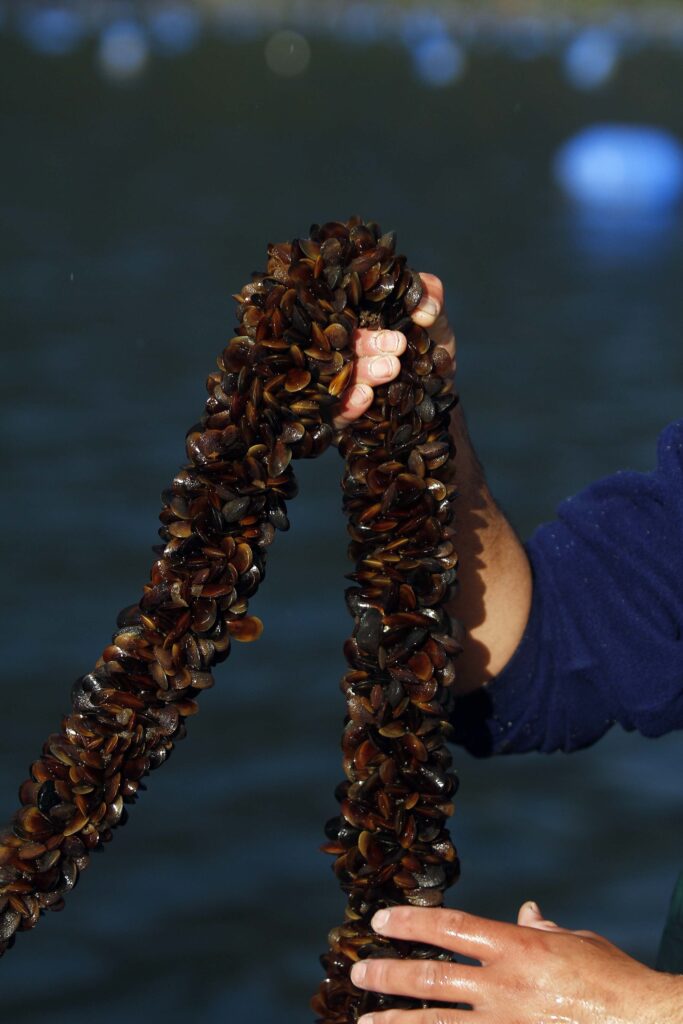
“When extracting the mollusk, what we do is remove part of the calcium carbonate that the sea has at its disposal for self-regulation. We basically want to reinstate that calcium carbonate that has been removed from the environment. Our idea is to make a reef construction material with shell residues, which are a sign to increase marine restoration, since for the growth of molluscs they need calcium carbonate,” he explained. Begoña Peceño.
Through the project, the reefs will be built with porous material, which will allow them to be a shelter of the organized to make a settlement.
Stages of study
In order to develop the reefs, the first procedure is to do a laboratory scale work, so that with small samples mechanical resistance tests are carried out, to determine if the material is able to withstand the time for organisms to generate the reef and transform into a natural settlement.
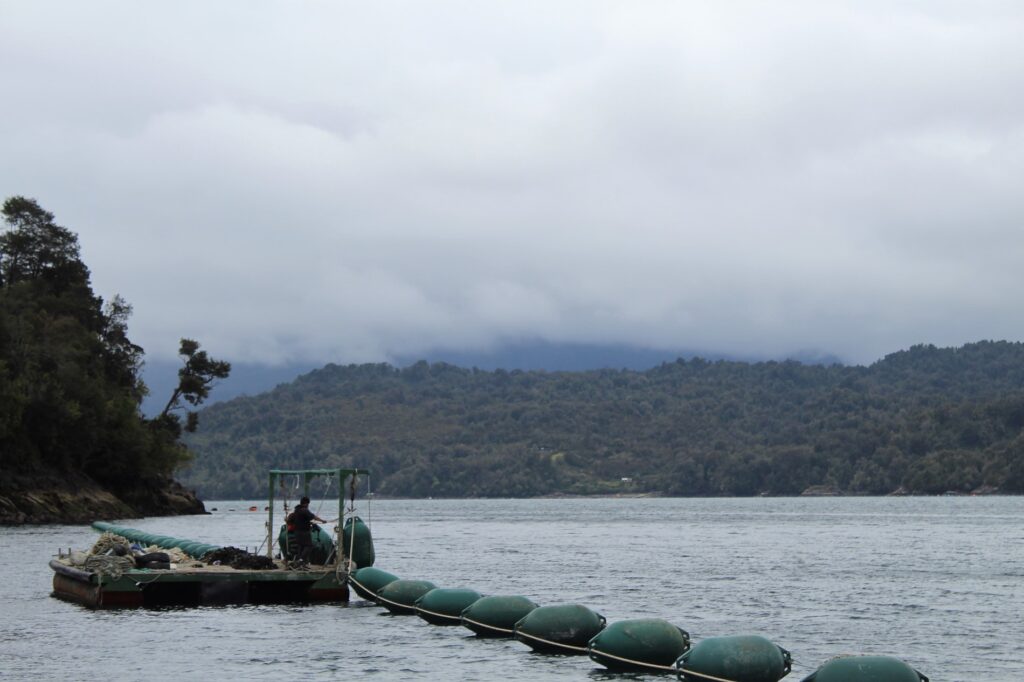
The biological attack that the material may receive will then have to be analyzed, since one of the things that is analyzed in the construction materials is how it affects the environment, the settlement of organisms is measured, because it is necessary to determine the size of the reef, for this to be done a tomography of the material before and after it is installed in the sea, to see if there are settlements, which will allow to establish which is the pore, the diameter and the characteristics of that material.
It should be noted that, by taking advantage of the residues of mussel cultivation, material that has been discarded so far will be recycled, thus contributing to the reduction of waste, and therefore to the care of the environment.