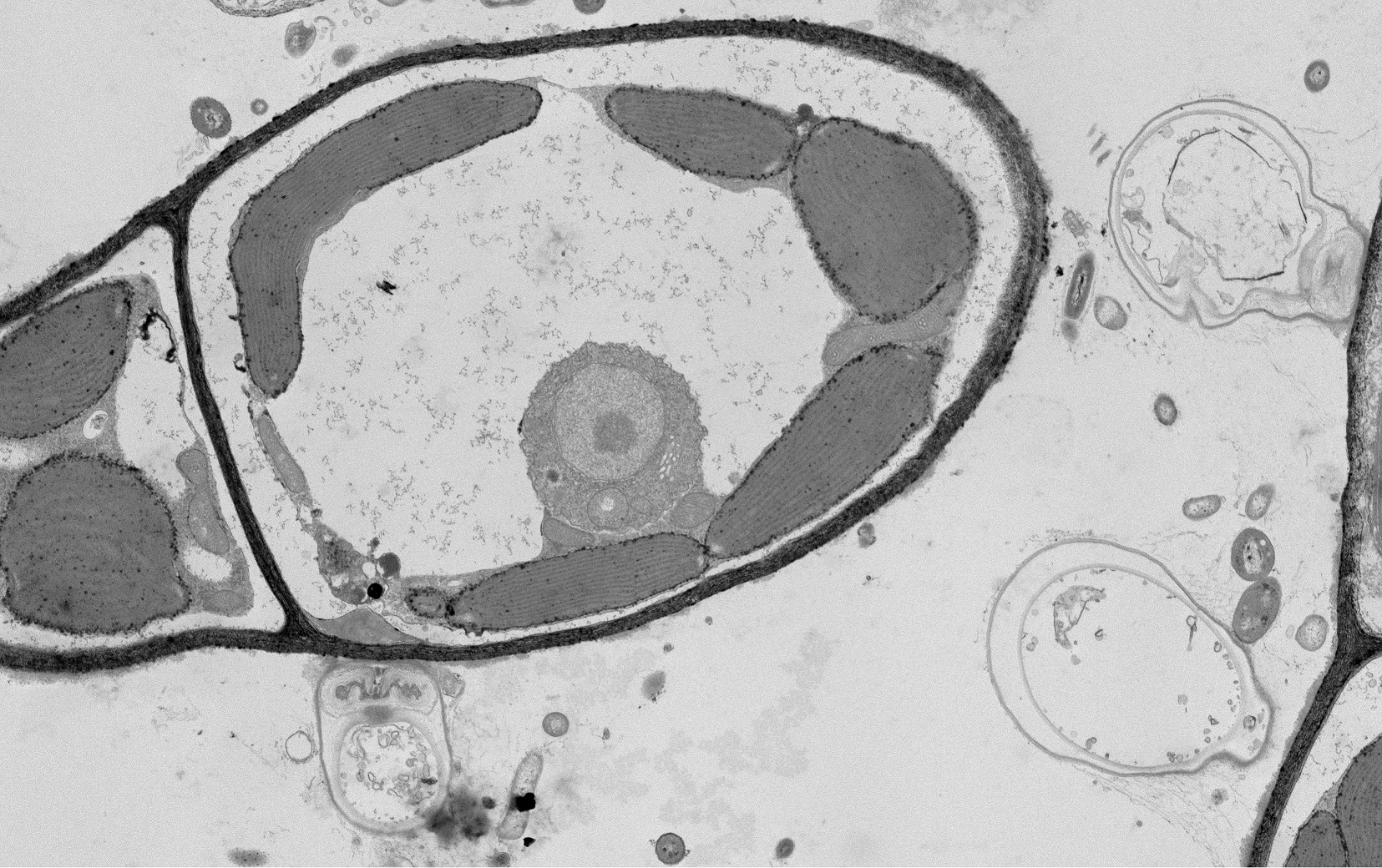
Diseases are an increasingly important issue due to the growth of macroalgae aquaculture in different parts of the world and the importance these species have for coastal ecosystems.
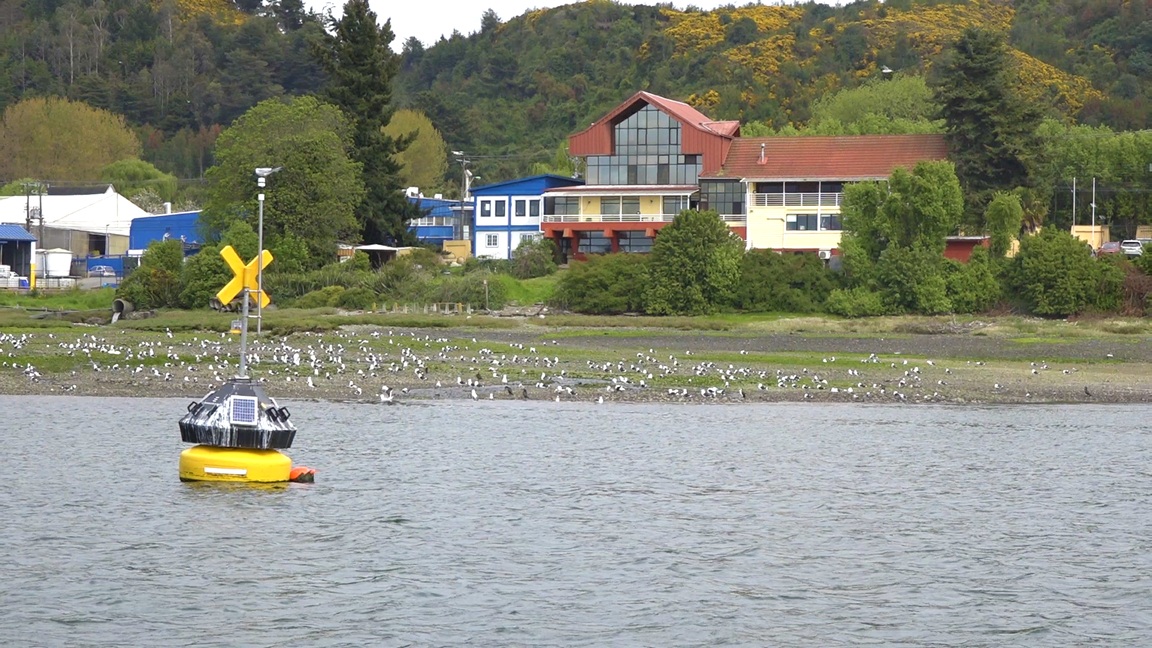
Understanding how seaweed naturally face diseases is one of the growing scientific challenges to understanding the resilience of coastal ecosystems to current environmental pressures. In this context, Dr. Pedro Murúa, academic of the Institute of Aquaculture and Environment of the Universidad Austral de Chile, Headquarters Puerto Montt, and director of the Master in Environment and Biosafety in Aquaculture (MABA), participated in an international team that managed to advance the knowledge of the mechanisms of defense of brown algae against pathogens.
The results were recently published in the European Journal of Physiology and provide new evidence on the immune response of these species. The research showed that brown algae reinforce their cell walls and activate natural phenolic compounds, known as florotanins, to limit infection caused by the intracellular parasite Eurychasma dicksonii, one of the most widely studied pathogens in this group of organisms.
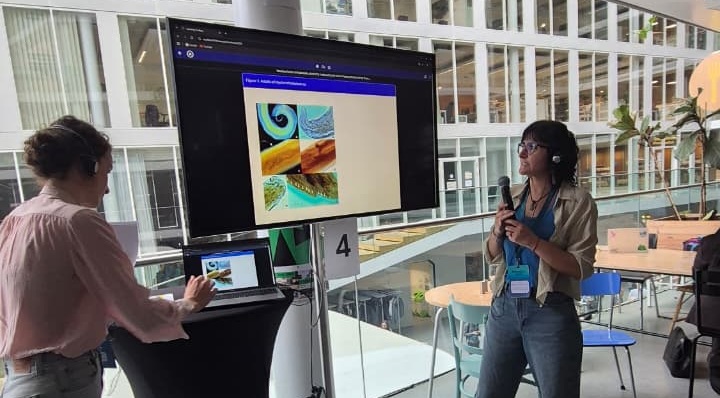
The study brought together researchers from the UK, France, Belgium, Austria and Chile. From the Universidad Austral de Chile, Dr. Murúa contributed to the analysis of cell biology processes involved in the interaction between the host and the pathogen, contributing to a better understanding of how algae recognize and respond to infections.
"Diseases are an increasingly important issue due to the growth of macroalgae aquaculture in different parts of the world and the importance these species have for coastal ecosystems", the researcher pointed out. “That these diseases manifest depend on a thin line between susceptibility and resistance, the latter as a product of many defense mechanisms, including modifications at the cell wall level during an infection".
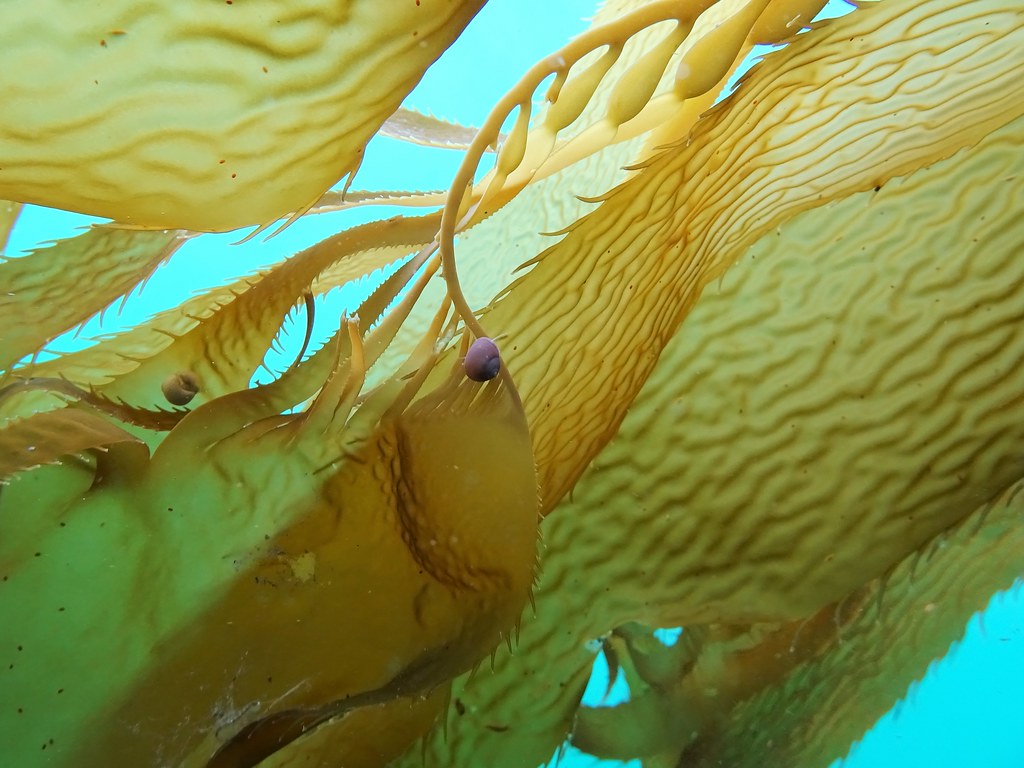
Murúa explained that knowing the mechanisms of algae defense not only allows us to understand how they respond to pathogens, but also how they face multiple stress factors that act simultaneously in the environment. "Understanding these responses is essential to interpret how natural populations can respond to the combined effects of climate change, the intensification of diseases and the pressures resulting from the exploitation of these resources, both from fishing and aquaculture. Diseases are part of the natural ecology of species and knowing these processes allows us to better understand their ability to adaptation and resilience’, he stressed.
For the director of MABA, this type of research also reflects the importance of training professionals with a solid scientific base and an interdisciplinary vision. "Our Master seeks to train specialists capable of understanding the biological and environmental processes affecting aquatic systems, integrating border research to contribute to the knowledge and sustainable management of aquatic resources"He emphasized.
The results of this work broaden knowledge about the immunity of seaweed and provide new conceptual tools to understand how these organisms interact with their environment. This knowledge is particularly relevant in a context of global change, where disease, ocean warming and increased pressure on marine resources could change the dynamics and stability of the marine environment. coastal ecosystems.