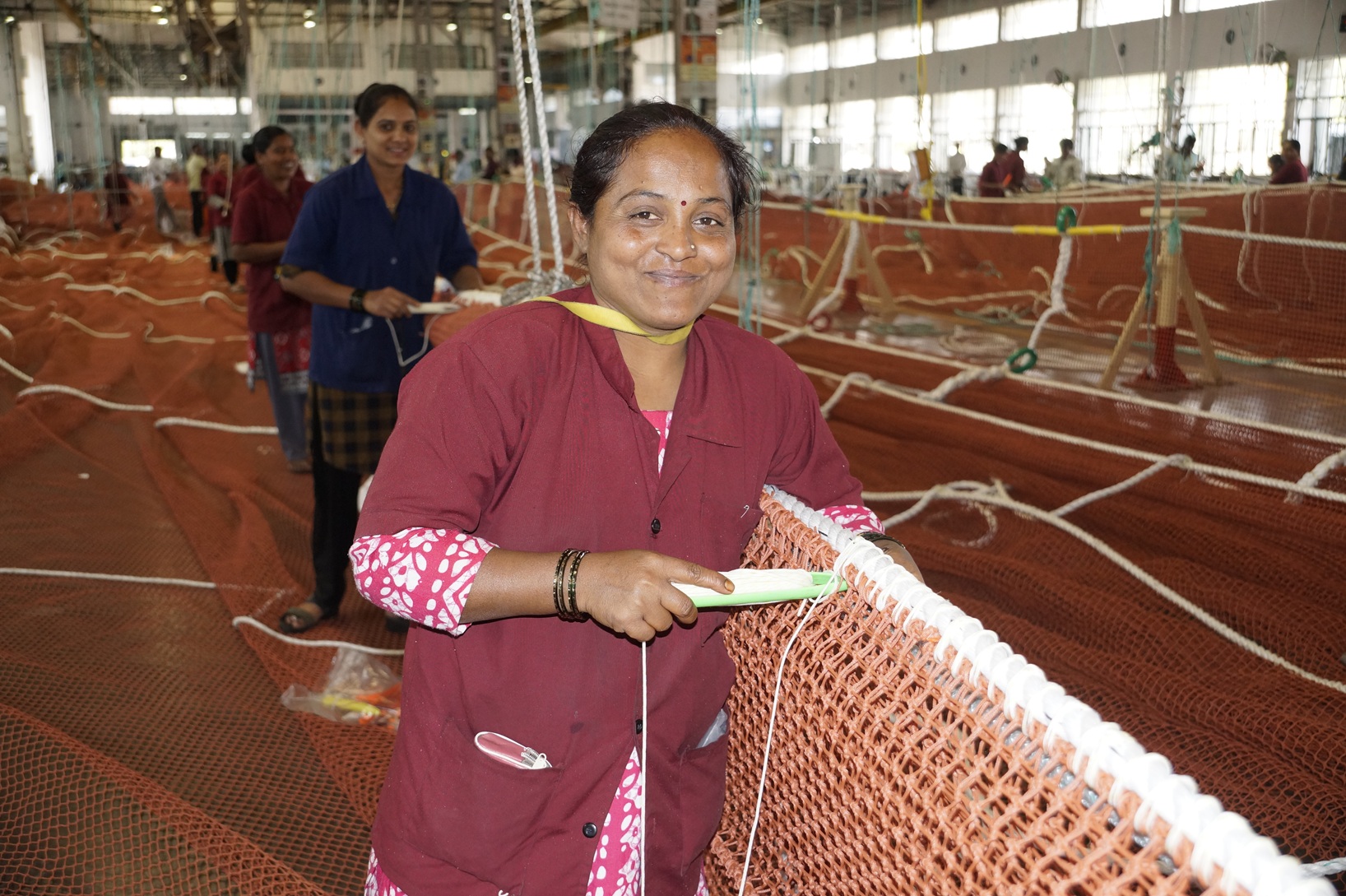
60% of the energy used in its operations comes from renewable sources. It has managed to reduce its water consumption by 20%, recycle 60% of the waste generated in its production processes and reduce greenhouse gas (GHG) emissions and fossil fuel consumption by 20% each. In addition, in Chile it has become part of the Clean Production Agreement (APL) organized by SalmonChile AG and the Agency of Sustainability and Climate Change.
Garware Technical Fibres Limited is at the forefront of innovation and performance in the technical textiles sector and is committed to a sustainability roadmap. Currently, the company is actively reducing its environmental footprint and offers high-quality solutions in various markets.
With a determined transition towards clean energy - between 60% and 65% of the energy it uses in its operations comes from renewable sources (solar and wind) -, the company is advancing in its efforts to reduce dependence on fossil fuels and cut carbon emissions.
In parallel, it has reduced fossil fuel consumption between 20% and 25%. "This advancement constitutes a step in our transition towards a low carbon dependency economy. By adopting electric and hybrid alternatives where possible, and by continuously improving energy management systems, we are moving away from the most polluting energy sources. This reflects our understanding of environmental responsibility and" the link with long-term business sustainability. Our sustainability strategy is not limited to regulatory compliance, it is integrated into our operations. As environmental concerns become more urgent worldwide, we contribute where we can and improve where necessary," comments Ramkrushna Borse, technical manager Garware Technical Fibres Chile.
Greenhouse gas (GHG) emissions remain one of the main concerns in industrial sustainability and a 20% reduction is the result of a combination of energy efficient technologies, cleaner fuel alternatives and operational improvements in their production units. Likewise, water conservation plays a crucial role in sustainable manufacturing and has achieved a a 20% to 25% reduction in water consumption.
Waste management is another area where Garware has achieved significant advances. Currently, between 60% and 65% of all waste generated in its operations is recycled. This includes production waste as well as packaging and process waste. In addition, between 30% and 35% of the total waste is sold to other recycling companies, creating a circular economy model that adds value to the entire supply chain supply.
Thus, the sustainability roadmap of GTFL is designed as a journey in stages, starting with operational discipline and data preparation, then scaling improvements through the energy transition, resource efficiency and circularity, and strengthening practices with people and governance systems that allow sustained progress.
Clean Production Agreement Certification (APL)
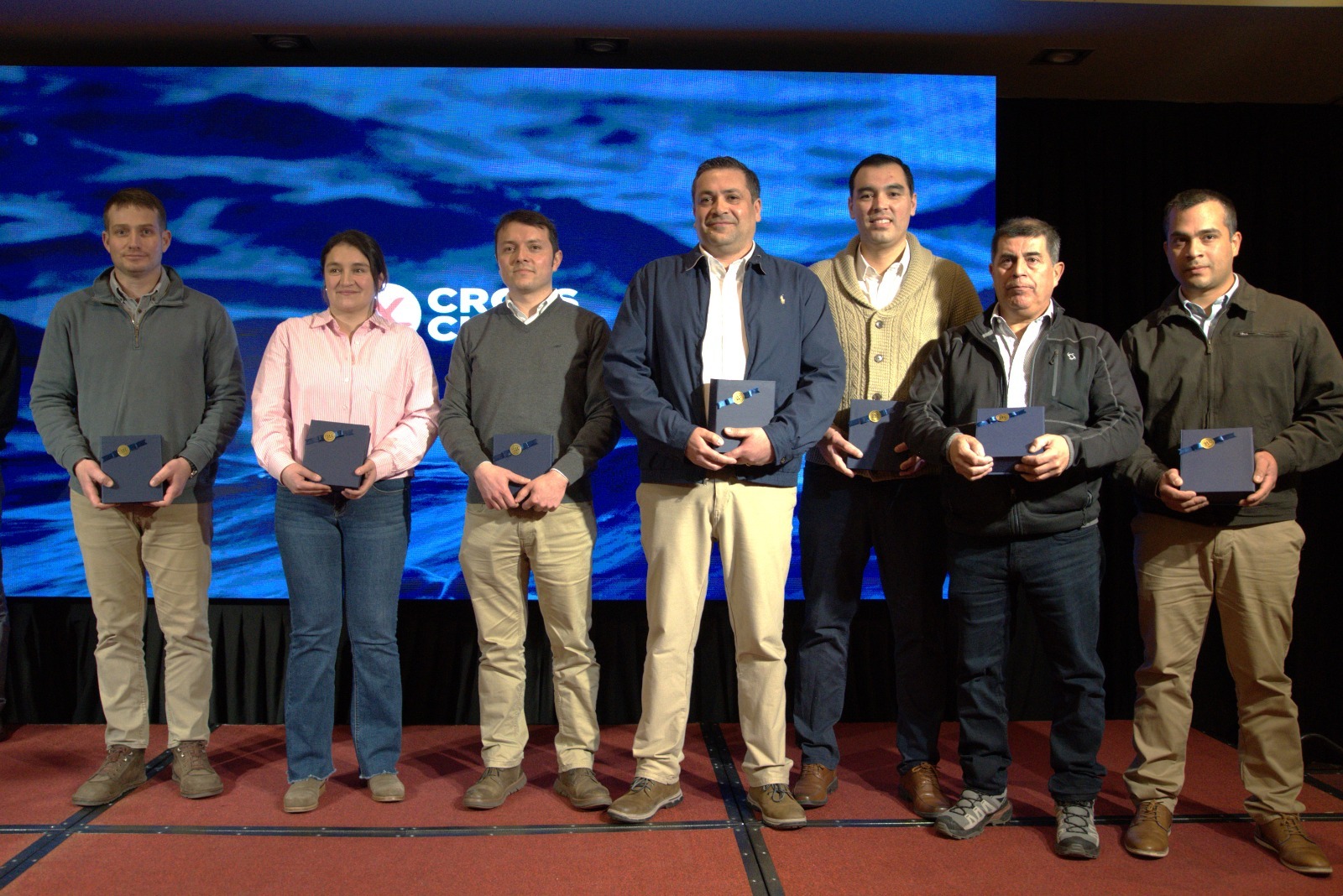
Garware Technical Fibres Chile is part of Clean Production Agreement (APA) "Climate Change Strategy and Circular Economy for the Salmon Farming Sector" signed by SalmonChile AG - on behalf of 10 producer companies and 11 supplier companies in the sector - and whose objective is to strengthen the sustainability practices of salmon farming and its value chain, promoting concrete actions in the area of circular economy and climate change management, whose certification ceremony for the affiliated companies will be next Thursday 25 June at the University of Chile, in Santiago.
The event will feature the participation of the Executive Vice President of Corfo, José Mujica; the Executive Director of the Corfo Agency for Sustainability and Climate Change, Ximena Ruz; and the President of SalmonChile, Patricio Malero. During the ceremony, 21 companies and 80 facilities will be recognized for achieving 100% of the actions and targets committed under this Clean Production Agreement, reflecting the commitment of the sector to a more sustainable production and aligned with current environmental challenges. www.garwarefibres.cl