The areas with higher exposure increase animal welfare for fish, as it increases water exchange and the presence of oxygen, among other positive factors for salmon farming and its pursuit of environmental and productive sustainability.
During August, the final year of implementation of the Strategic Technology Program for the Development of Ocean Aquaculture (17PTECAO-84017), a public-private initiative launched in 2019 under the umbrella of the Strategic Mesoregional Salmon More Sustainable Program of Corfo, began. Its objective is to advance towards fish farming in exposed areas or also known as high energy areas.
In this context, Gabriel Pérez González, who in May took up the position of regional director of Corfo Los Lagos, and Macarena Aljaro Inostroza together with Fernando Hentzschel Martínez, director of Consortia and Technological Programs of Corfo and manager of Technological Capacities of Corfo, respectively, visited the "Quillaipe" and "Pirén" centers of Granja Marina Tornagaleones (GMT - Marine Farm), where various technologies are being validated that are part of PTECAO (abbreviated as 17PTECAO-84017). These are developed by the supplier companies Walbusch (manufactures the rafts and mooring engineering), Aquarov (manufactures the ROVs, an acronym for Remotely Operated Vehicle) and AST Networks (generates the smart home system).
To the delegation was added Dr. Daniel Nieto Díaz-Muñoz, director of PTECAO; Gonzalo Romero Muñoz, manager of the Strategic Mesoregional Salmon More Sustainable Program; as well as Claudio Andrade and Walter Buschmann Schirmer, manager of Marine Water Production at GMT and founder of Walbusch, respectively.
Similar conditions to those offshore
The "Quillaipe" and "Pirén" centers are located in both homonymous localities of the Los Lagos region. The first is located 28 kilometers (km) south of Puerto Montt, on one side of the Carretera Austral (Ruta 7), and moored 2.4 km offshore in front of the Quillaipe area. The "Quillaipe" center is composed of two modules (100 and 200), where module 100 consists of ten cages of 40 x 40 meters (m). Of these ten cages of 40 x 40 m, four of them correspond to one of 80 x 80 m modified. Module 200, on the other hand, consists of a single cage of 80 x 80 m with a passage running through the center of the cage and with four feeding dispensers.
Regarding the "Pirén" cultivation center, it is located 35 km south of Puerto Montt, also on one side of the Austral Highway, and moored 5.8 km offshore in front of the La Arena area. Unlike "Quillaipe", "Pirén" is a center composed of a module of eight square cages of 50 x 50 m, each of which has a feeding dispenser.
The director of PTECAO, Dr. Daniel Nieto Díaz-Muñoz, explained that due to their wave heights of 4 to 6 metres, currents of 3 knots and winds that can exceed 60 kilometres per hour, both centres are considered high energy and represent conditions similar to those found in oceanic areas u offshore, as it is known by its English name.
"That is, they are two ideal concessions to test new technologies that allow farming in deeper marine areas, with a greater water exchange, oxygen, among other positive characteristics for salmon farming and its search for environmental and productive sustainability," emphasized Dr. Nieto.
According to Claudio Andrade and Walter Buschmann, the interest generated by this initiative has been such that other salmon farming companies have also acquired these new technologies. Even, several of the rafts developed by Walbusch are already operating in concessions that, due to their characteristics mentioned, were not given much use, thus demonstrating the technology transfer and commercial scalability of the components of the Programme, which also includes underwater robotics for the inspection of cages and sea floors and the cleaning of nets, along with home automation and continuous data transmission.
Long term vision
The technology programmes and consortia driven by Corfo aim to increase the innovation rate in products and processes of industries in strategic sectors. This, through the coordinated implementation of portfolios of applied research and development projects with a long-term vision, which allow closing the detected gaps, improving the productivity of the sectors and contributing to diversify and sophisticate the industrial fabric. from the country.
In this context, Fernando Hentzschel stated during the tour of the "Quillaipe" and "Pirén" centres that "one of the advantages of this type of technological development is that it is exposed to high energy. And this means generating a different type of structure, which is where we are now –the walkways of the raft are manufactured by Walbusch–; as well as different types of technologies that are not only able to contain this" increase energy, but also increase productivity; along with use of a more innovative form of feeding.”
Similarly, Corfo's Technology Capabilities Manager valued that PETECAO generates "a more sustainable economic activity every day, chaining suppliers from the region (Los Lagos). And of course, we can also export all this to other regions and other countries.”
In line with Fernando Hentzschel's words, Macarena Aljaro said that this program stands out because it is made up of leading suppliers in its different business segments. “Therefore, they have all been working together, through their different specialties, in each of the components that has a growing center. And today, being able to be here allows us to see that integration; an integration that is still in the process to keep growing.” He added: “The State – through Corfo – is contributing public resources to the private sector’s effort to be able to direct this important sector for the entire macrozone (south) towards sustainable production.”
The regional director of Corfo Los Lagos, Gabriel Pérez González, for his part, said that “it has been a pleasant surprise to see how new technologies of sensorization, home automation and robotics, as well as innovative engineering of structures and anchors, are being applied for the salmon industry. This, with the aim of improving your performanceboth in terms of production and in mitigating its environmental impact.”
At the end of the day, Gabriel Pérez said that they are “very happy to have made this visit; and we invite the whole industry to join, to follow these steps that are significant to make salmon farming a sustainable and inclusive activity for both the Los Lagos region and for all Chile.”
Meanwhile, the manager of the More Sustainable Salmón Program, Gonzalo Romero Muñoz, stressed that the PETEAO is uniting the capabilities of a group of supplier companies with the capabilities of a producer company to make the leap and validate a structural and operational model that is effective cost. “In this sense,” concluded Gonzalo Romero, “we are very happy to lead this initiative that aims at the sustainability of the sector and see how it has evolved despite the complexity of the issues it addresses. In the same way, we highly appreciate that directors of Corfo Nacional, and our regional director of Los Lagos, have been able to join our visit and see on the ground the fruits of this work of public-private articulation that could not have begun without the important and determined participation of Corfo.”
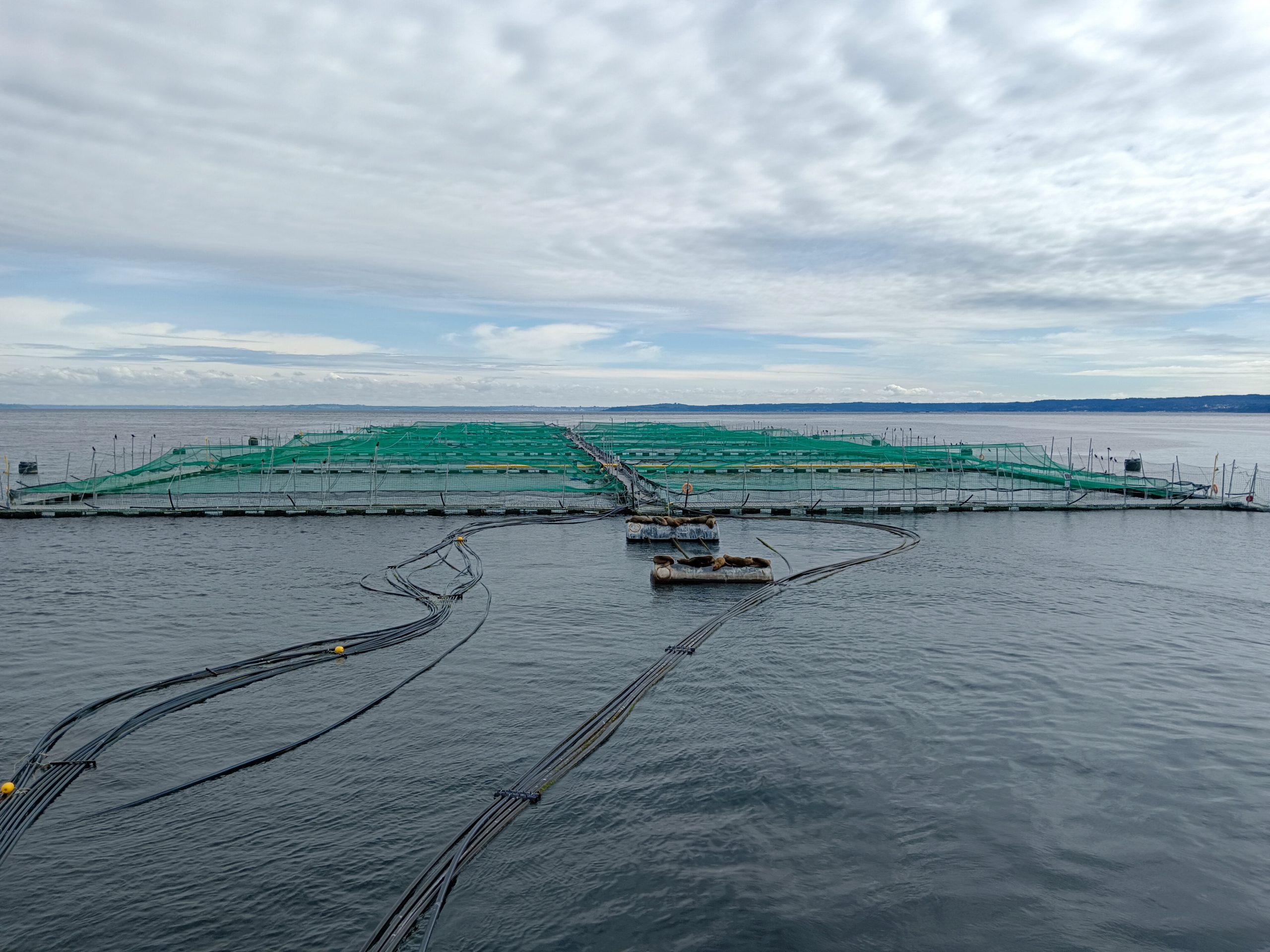
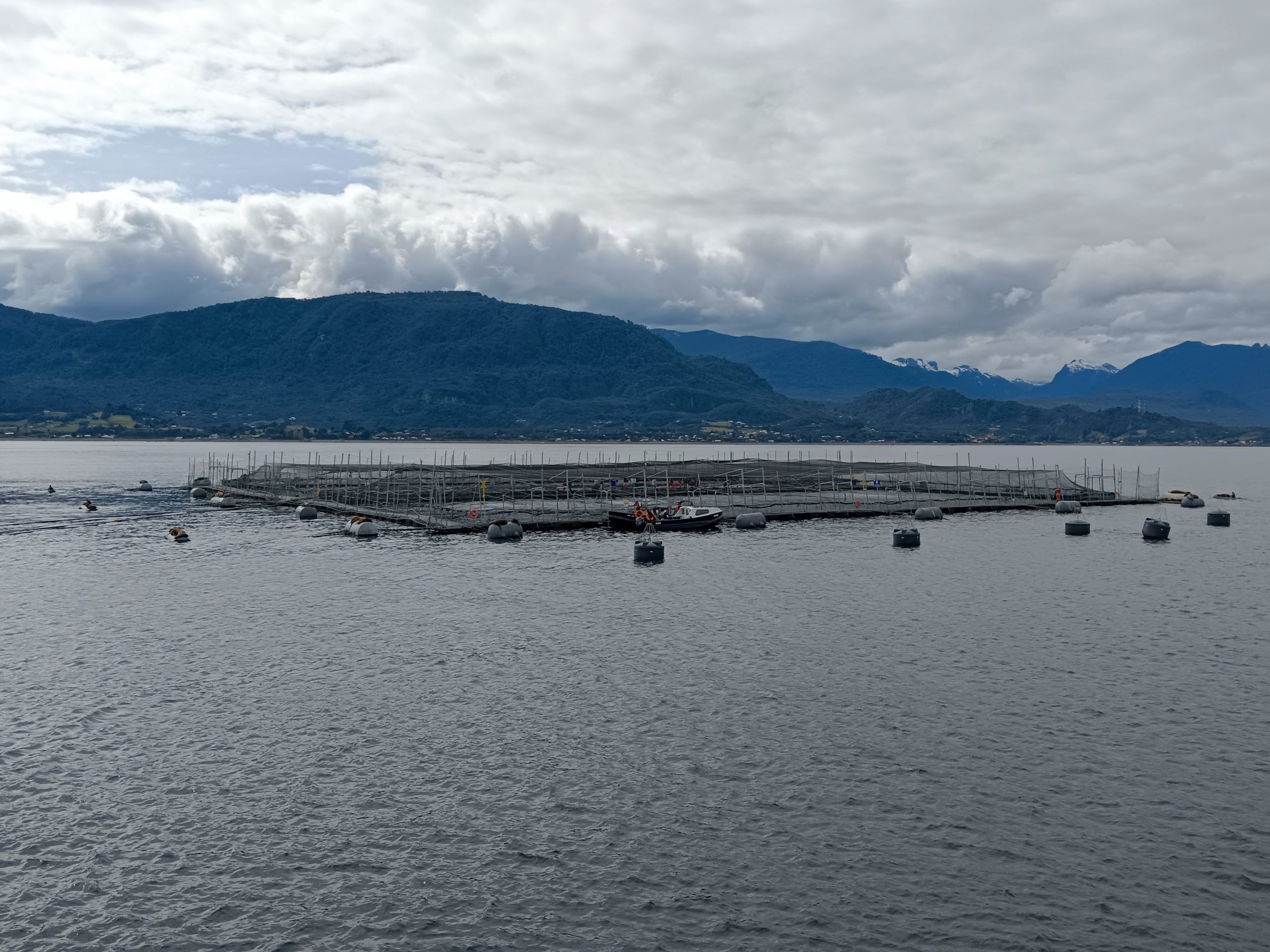
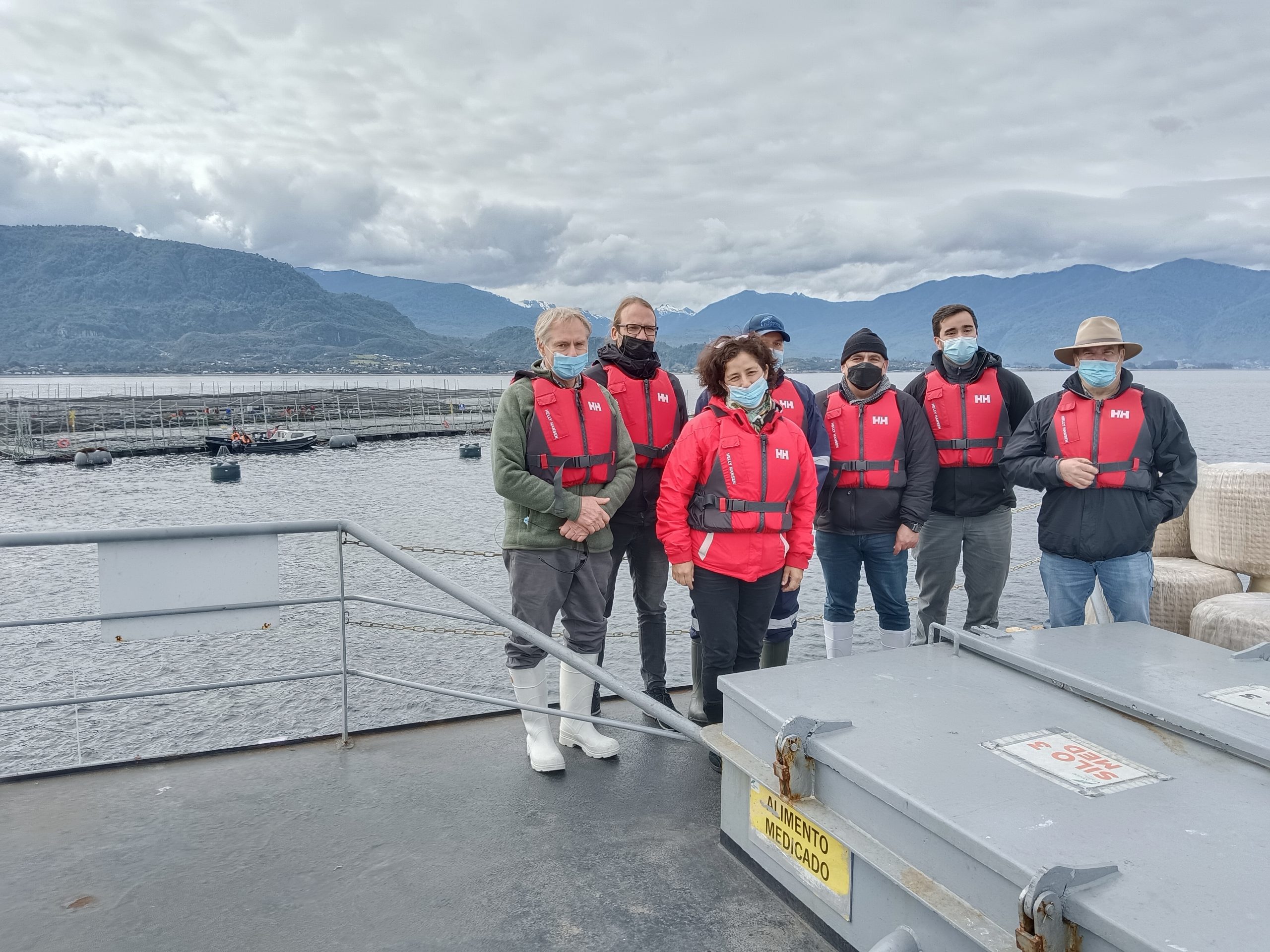
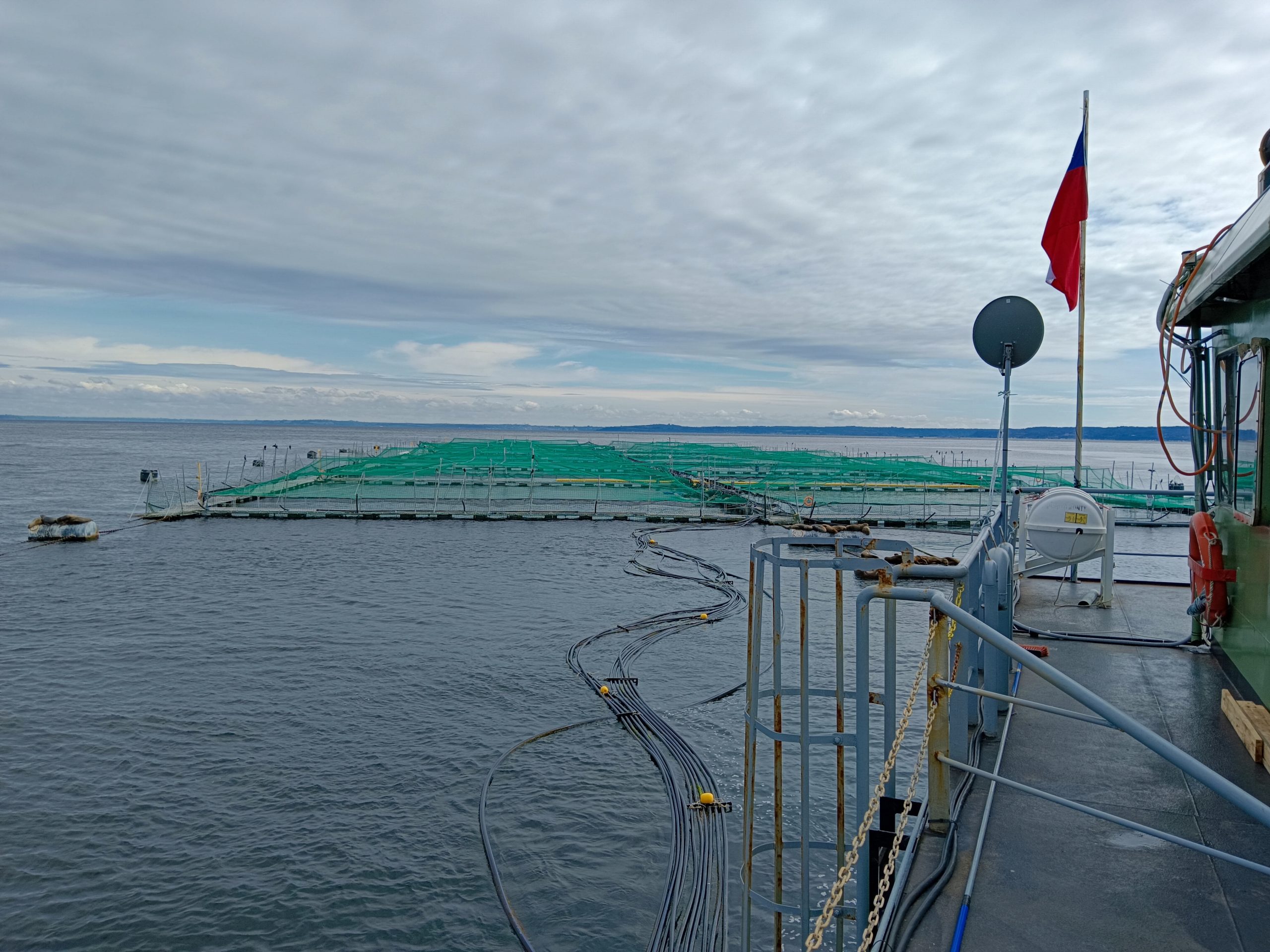
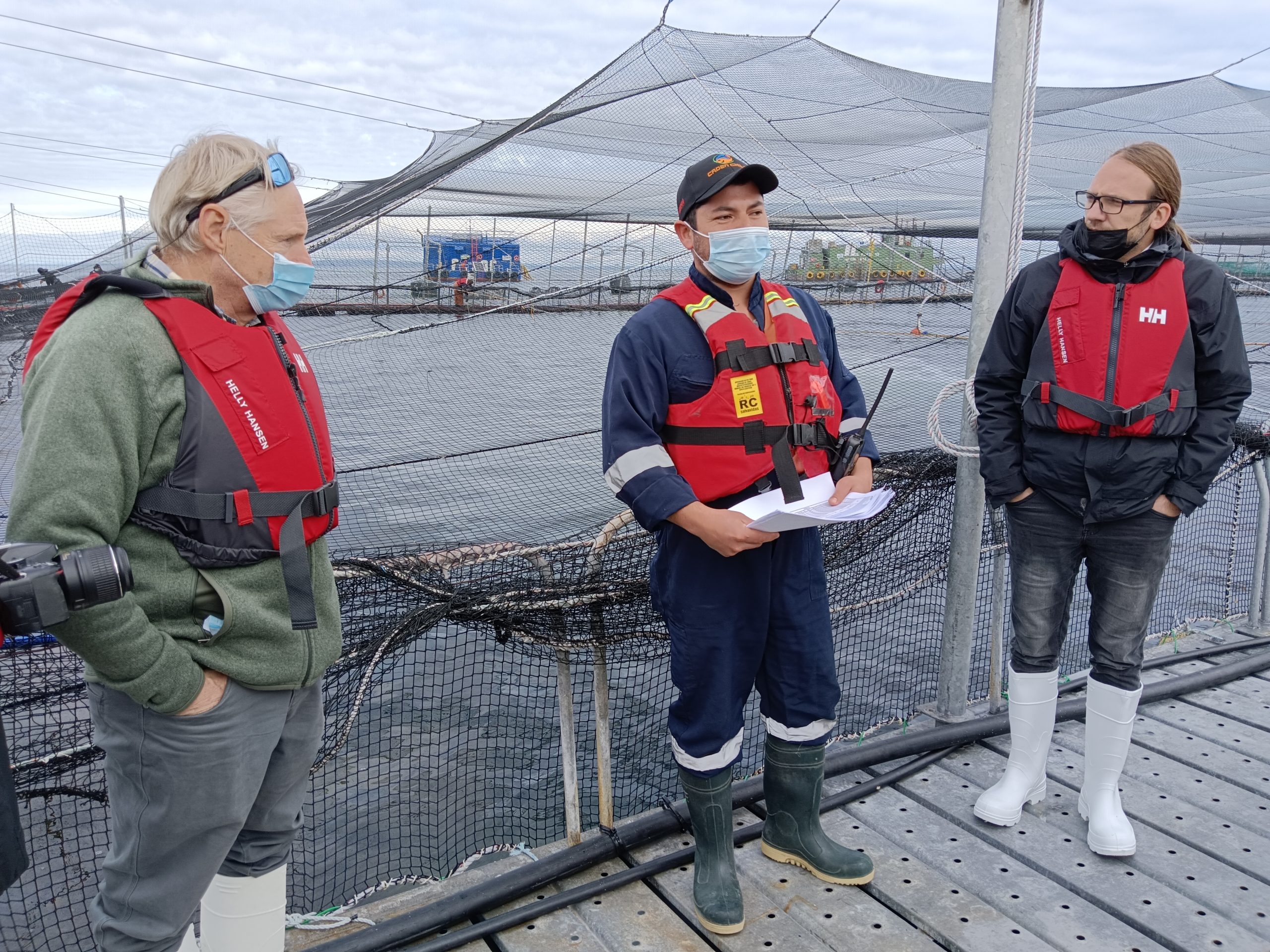
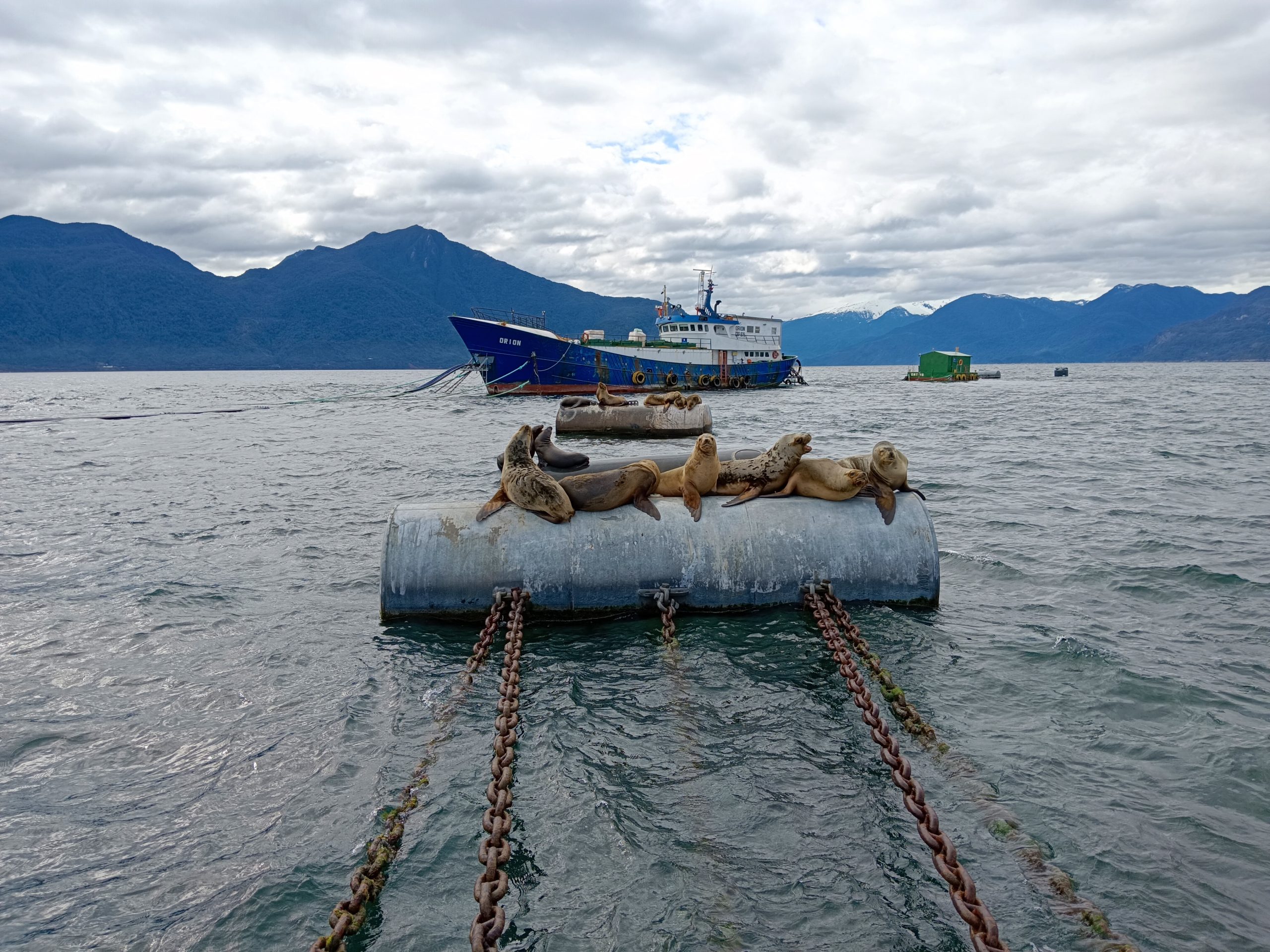
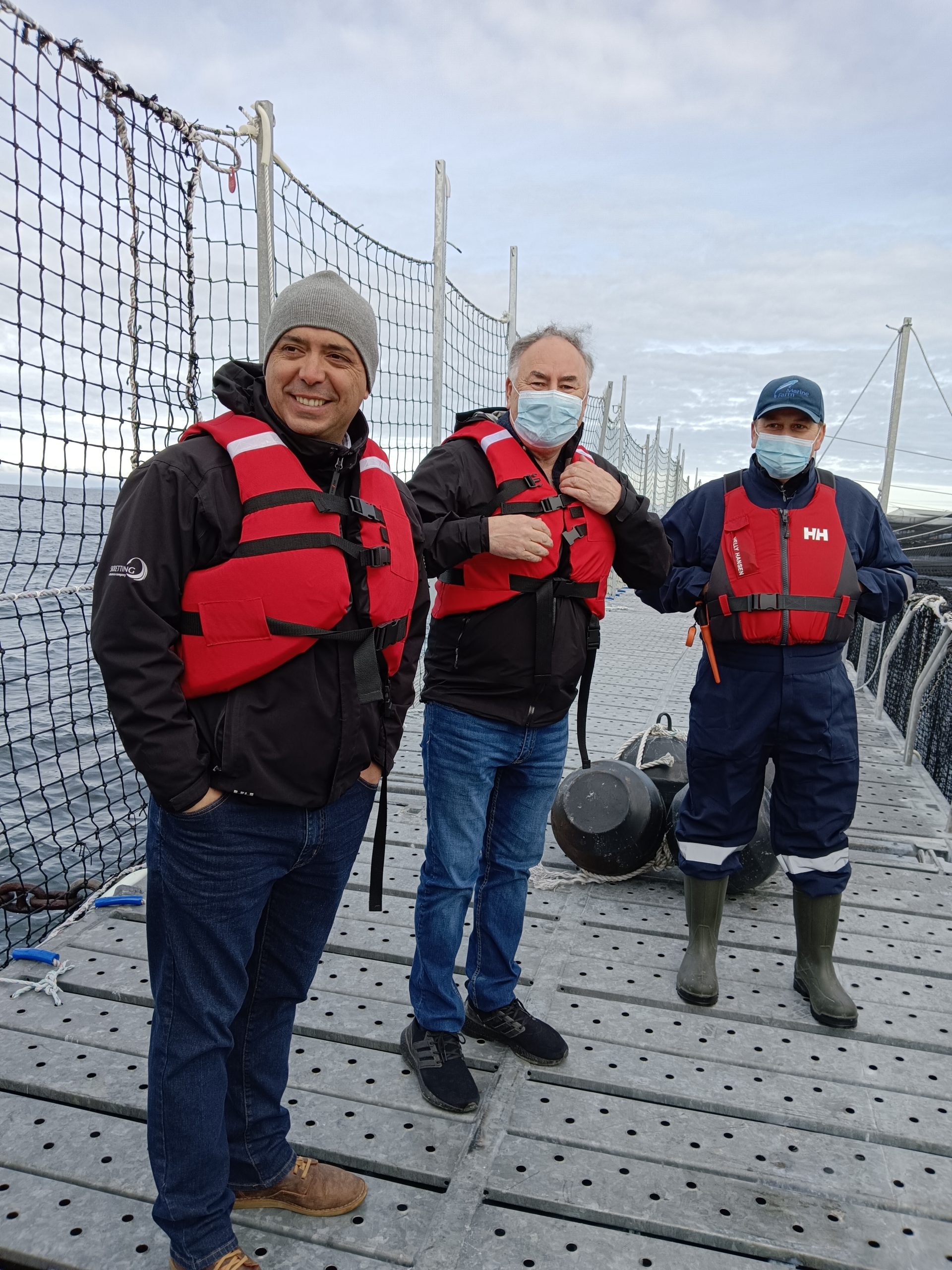
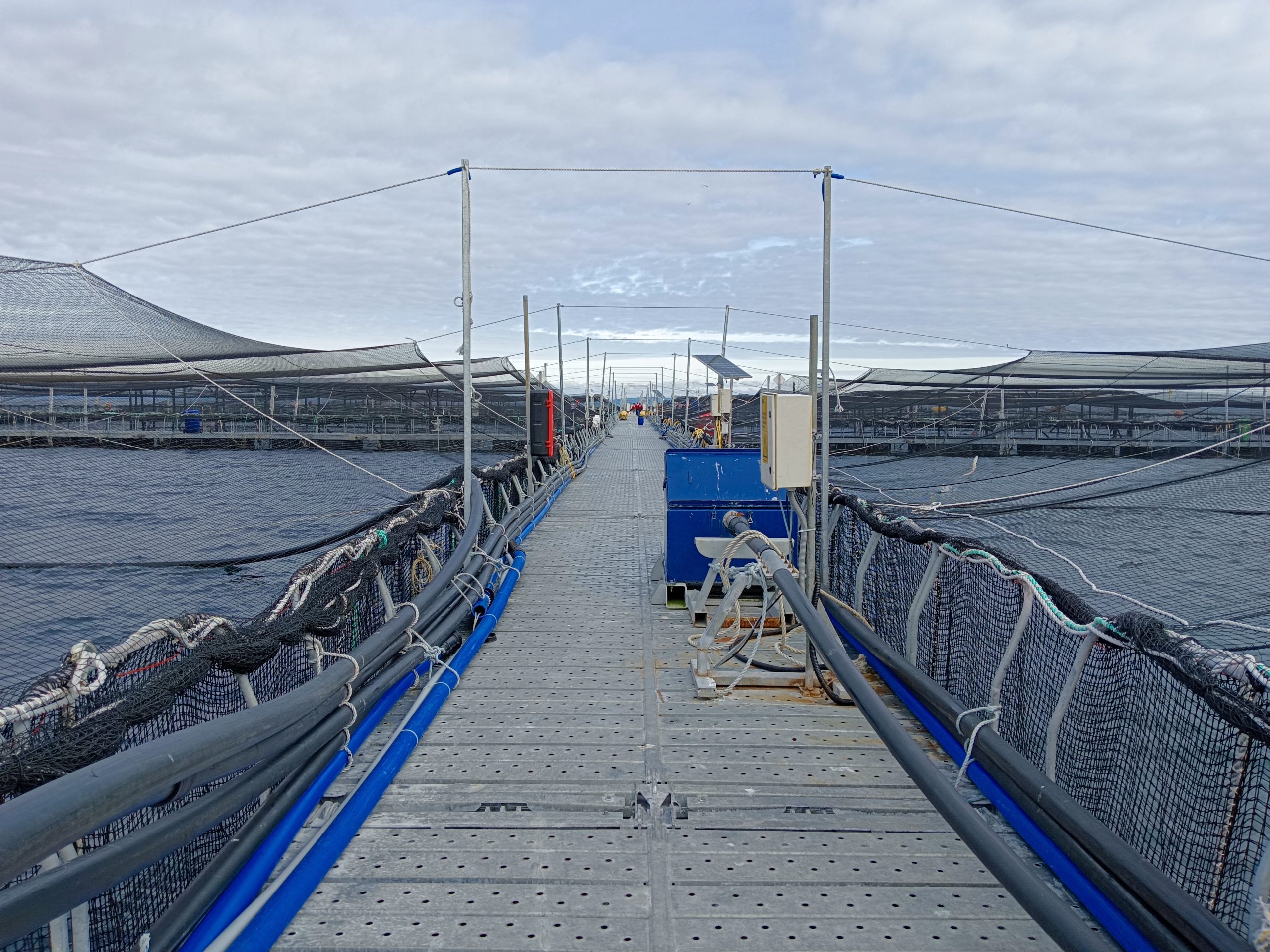
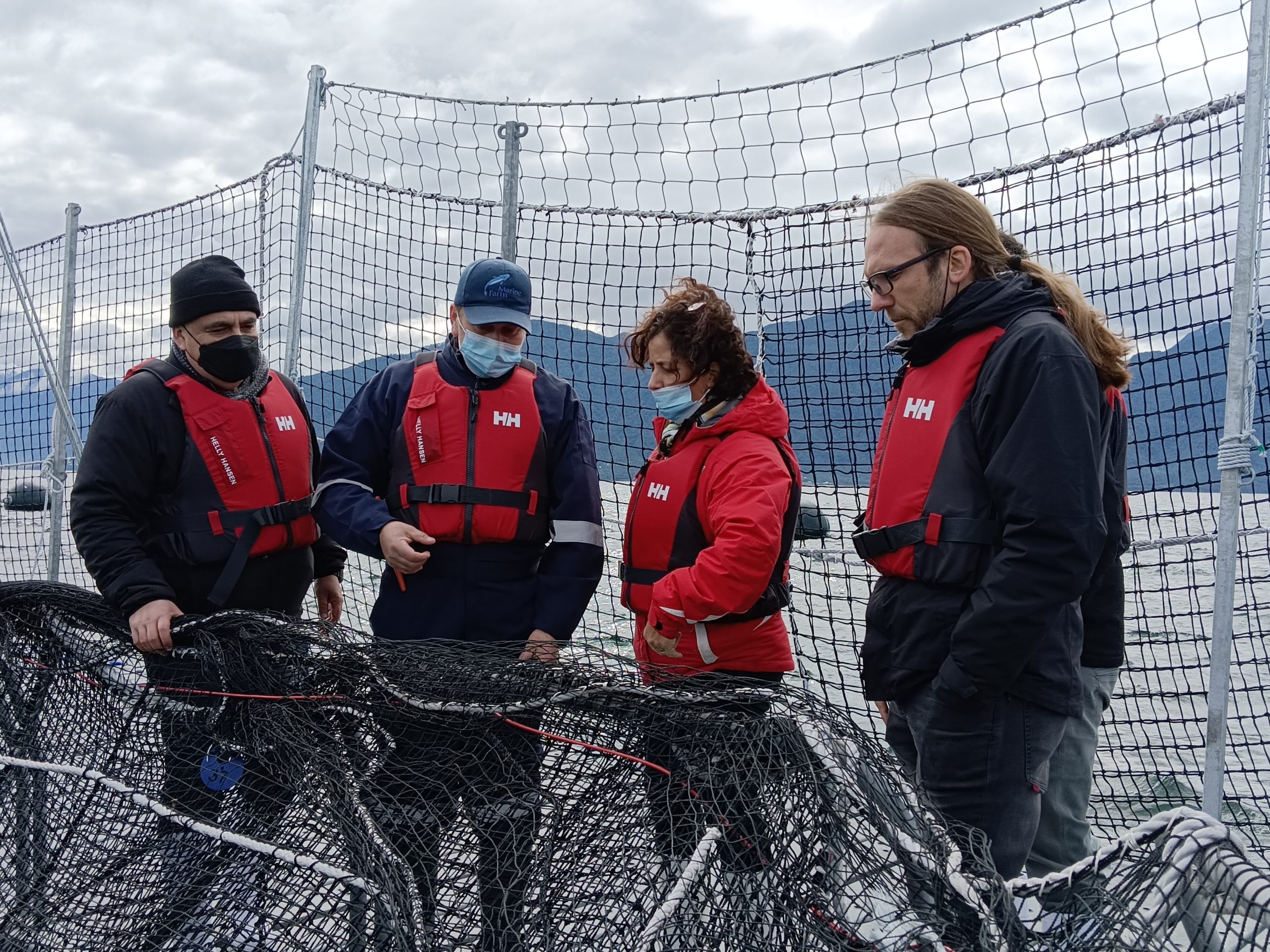
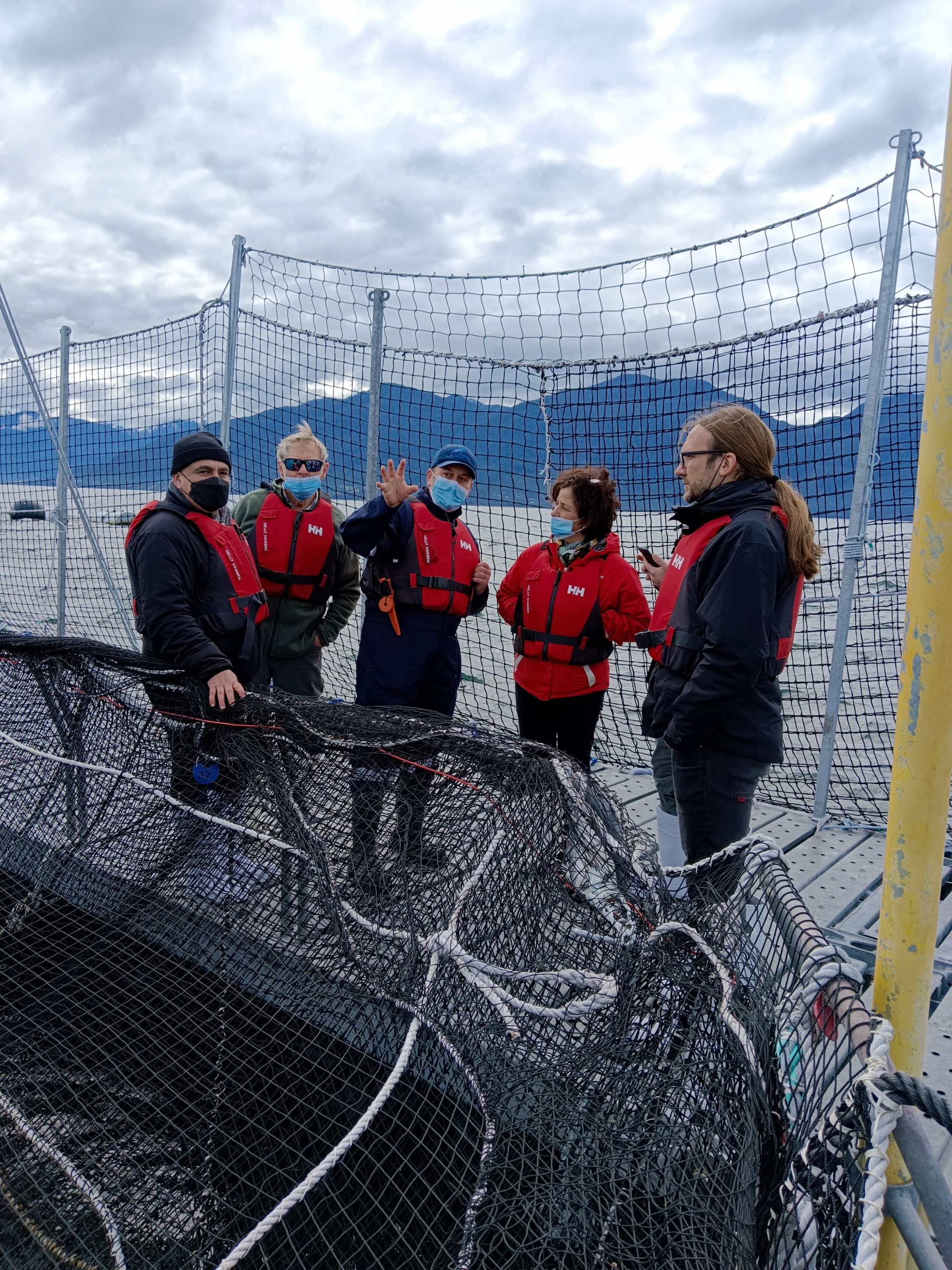
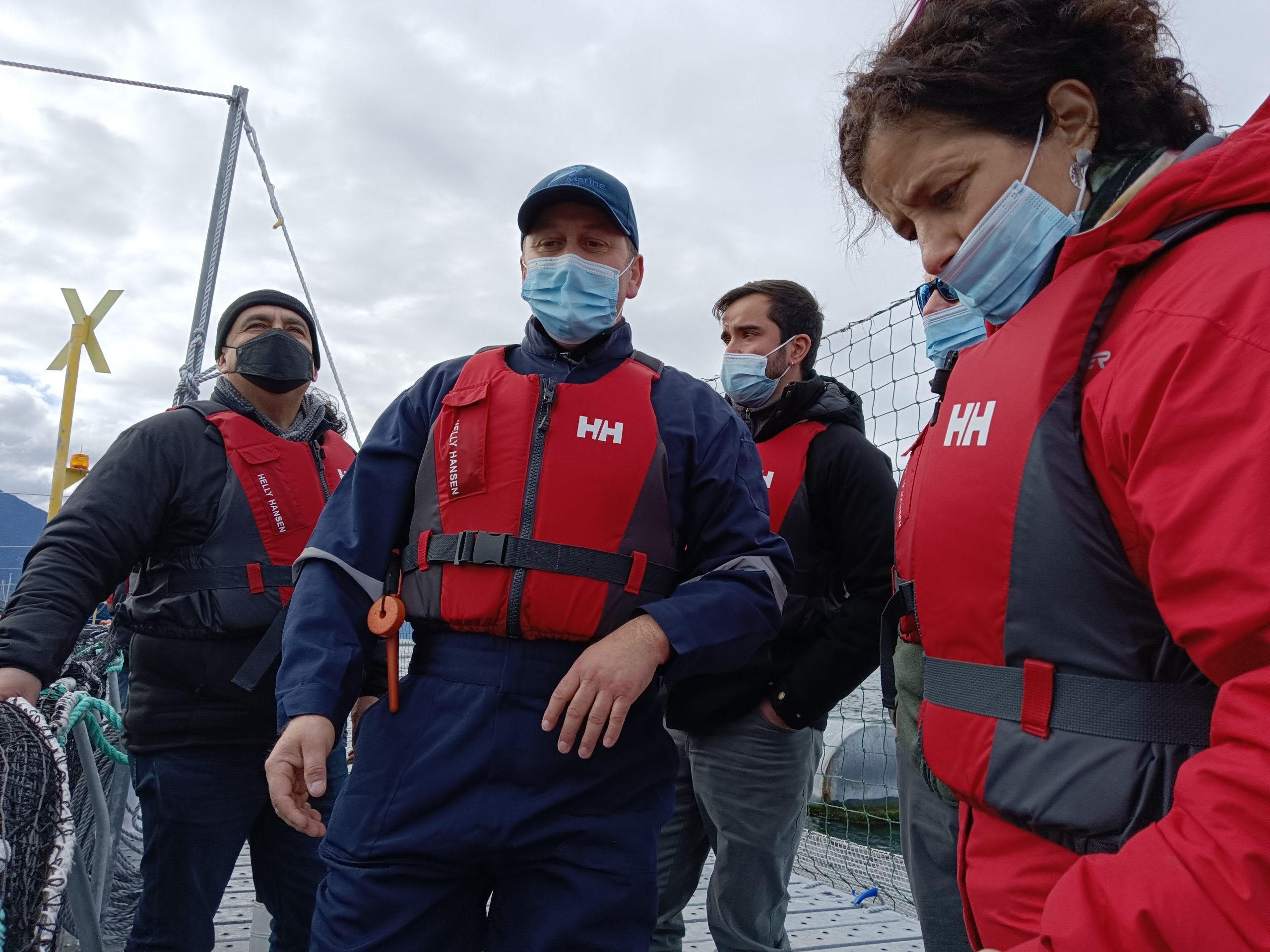
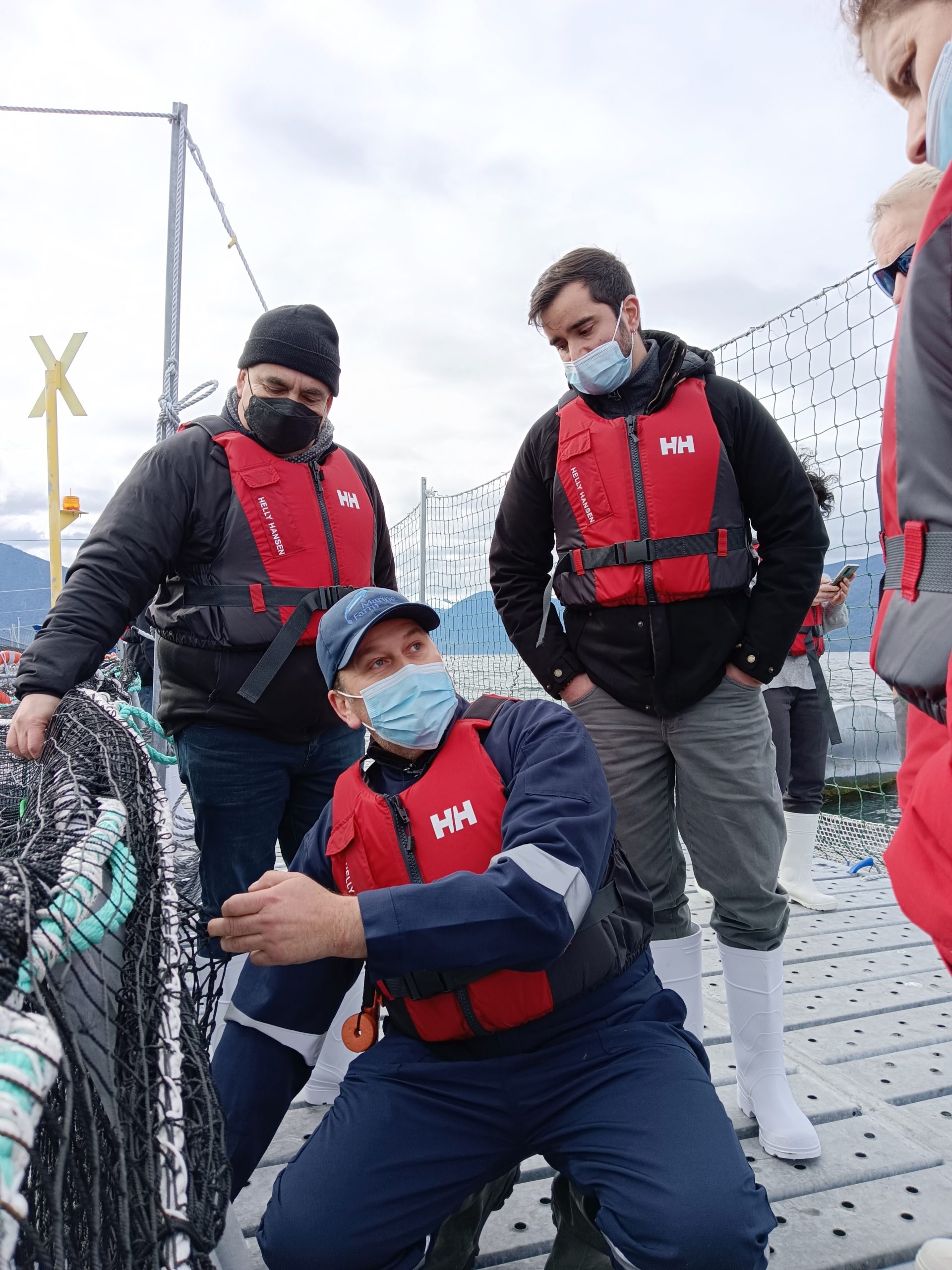
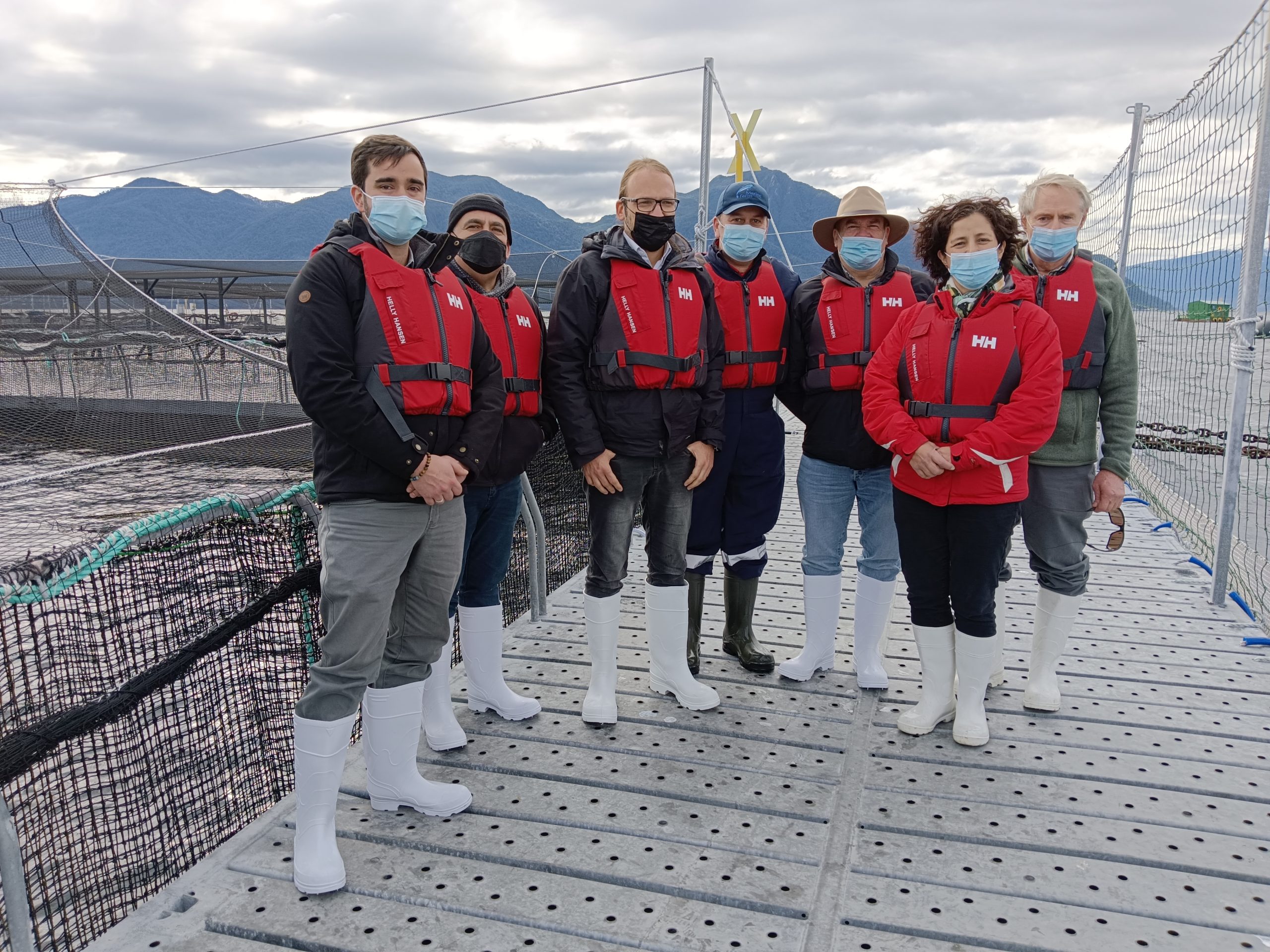
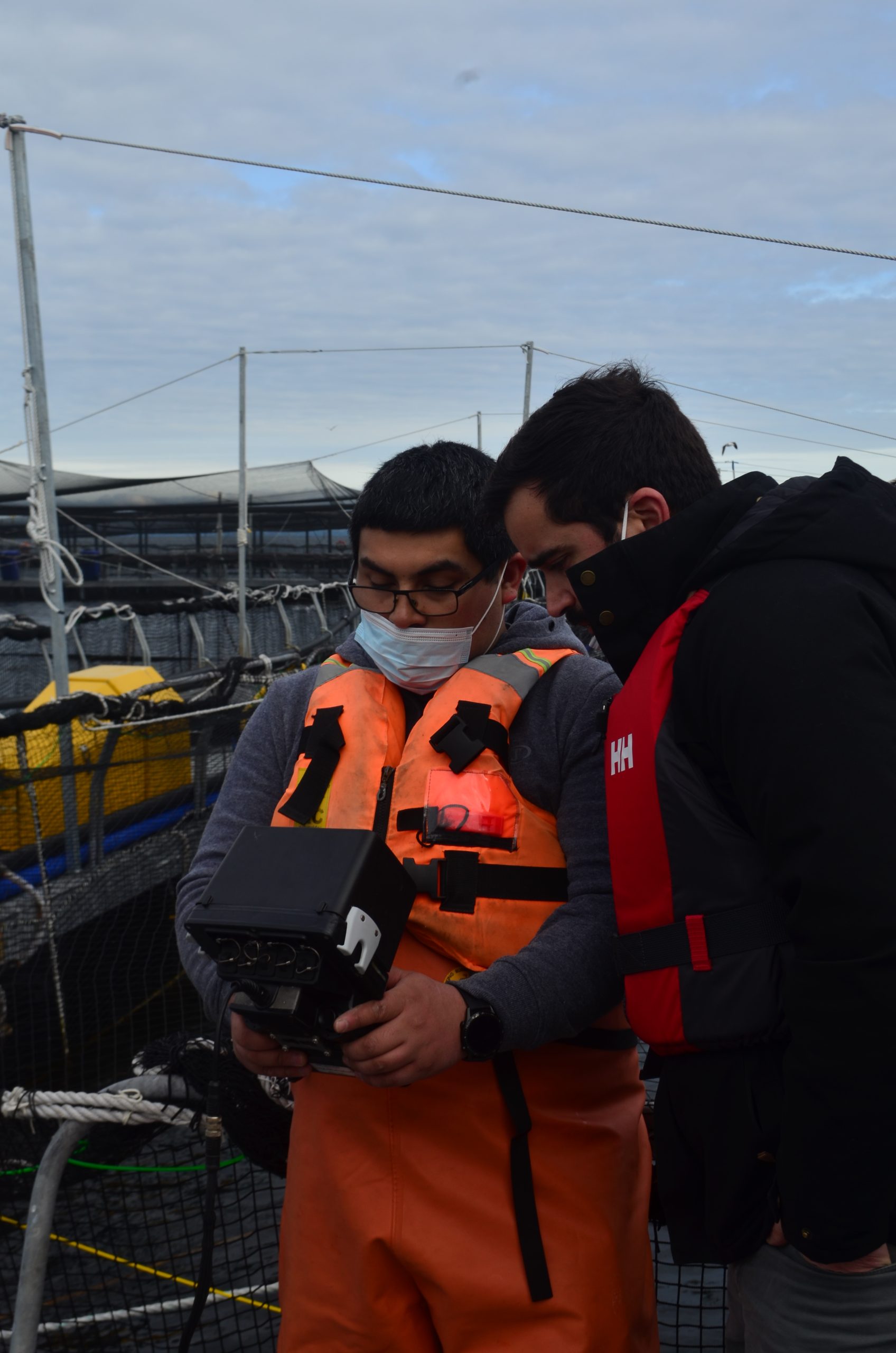
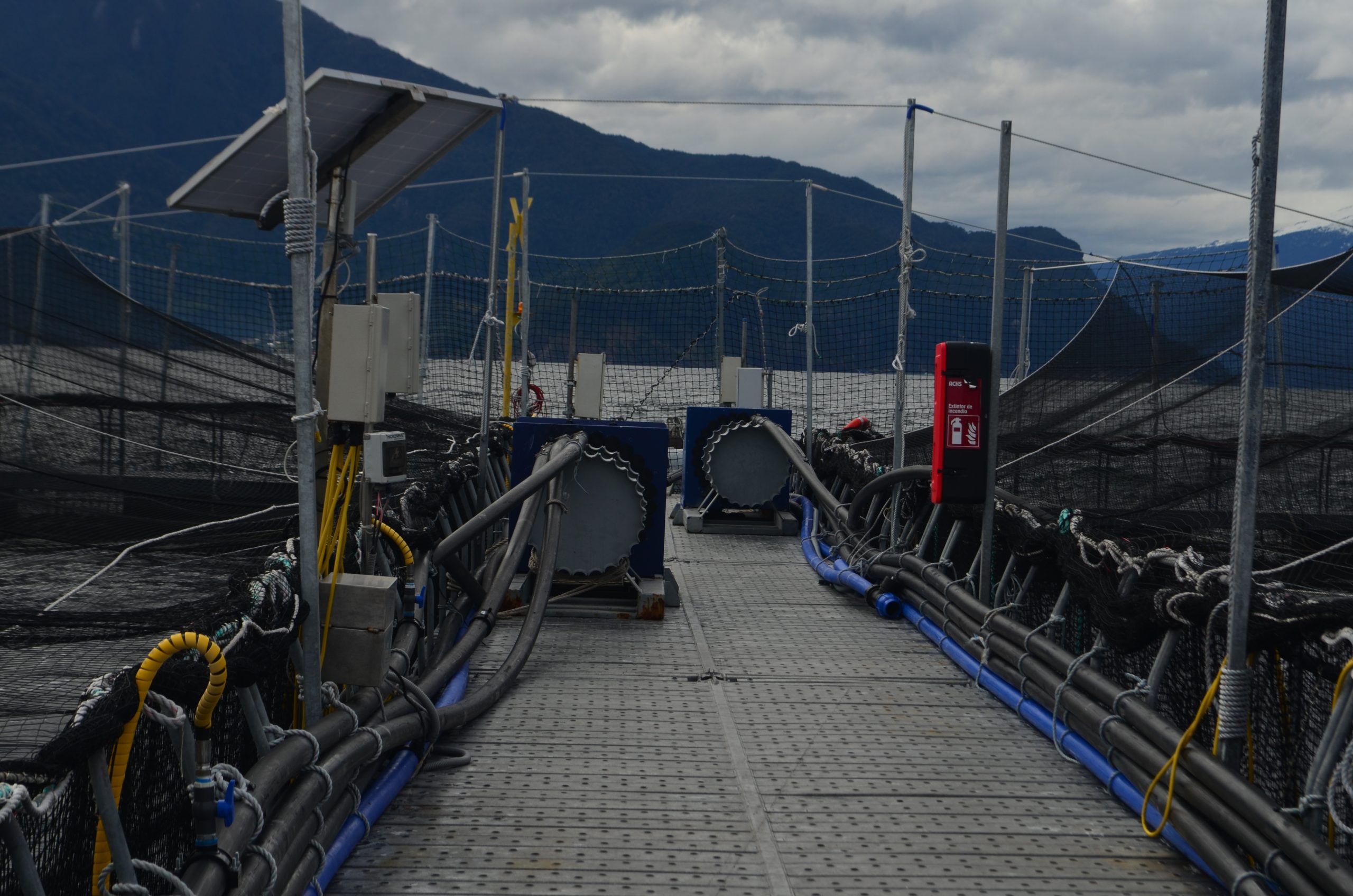
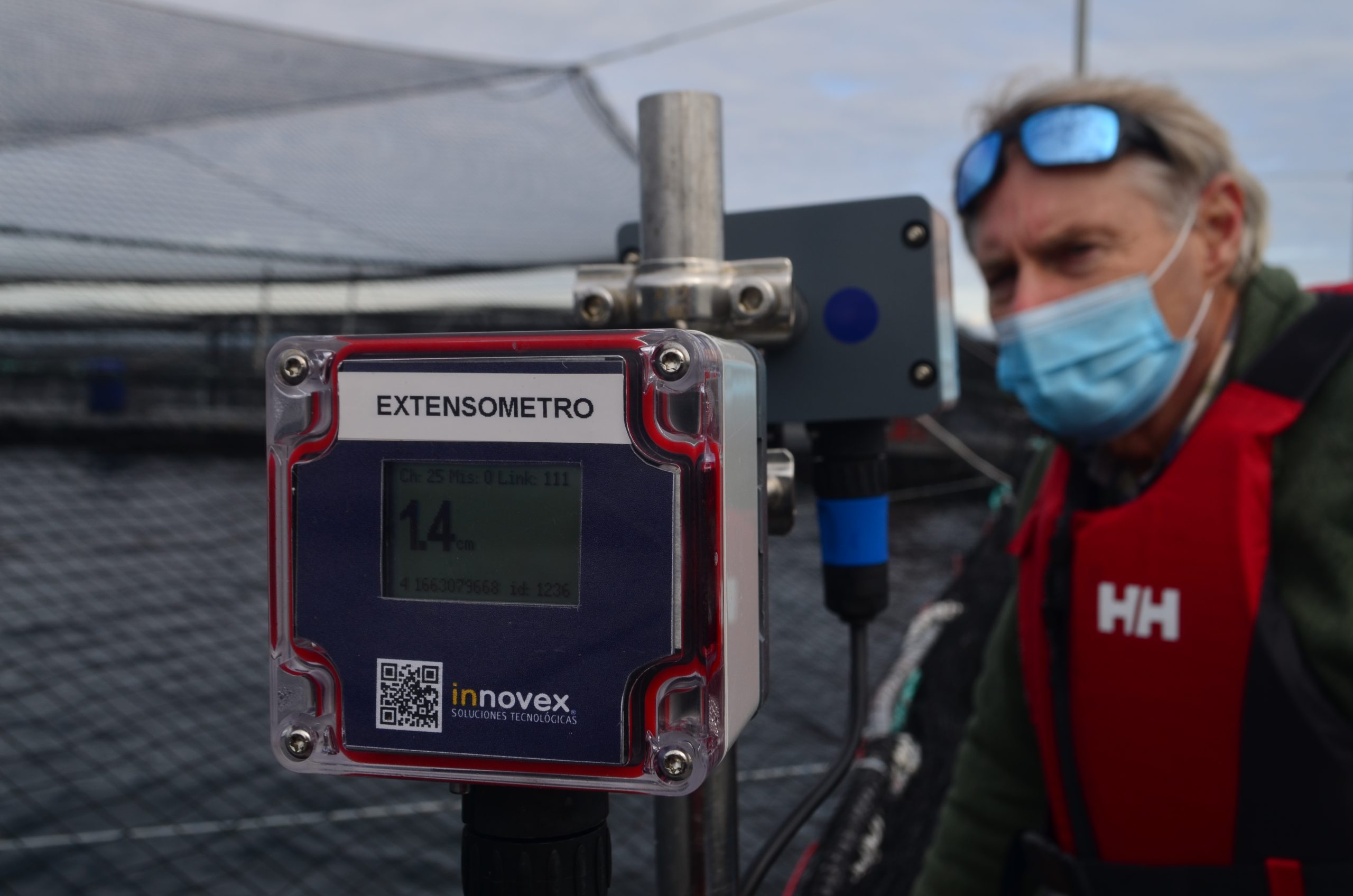
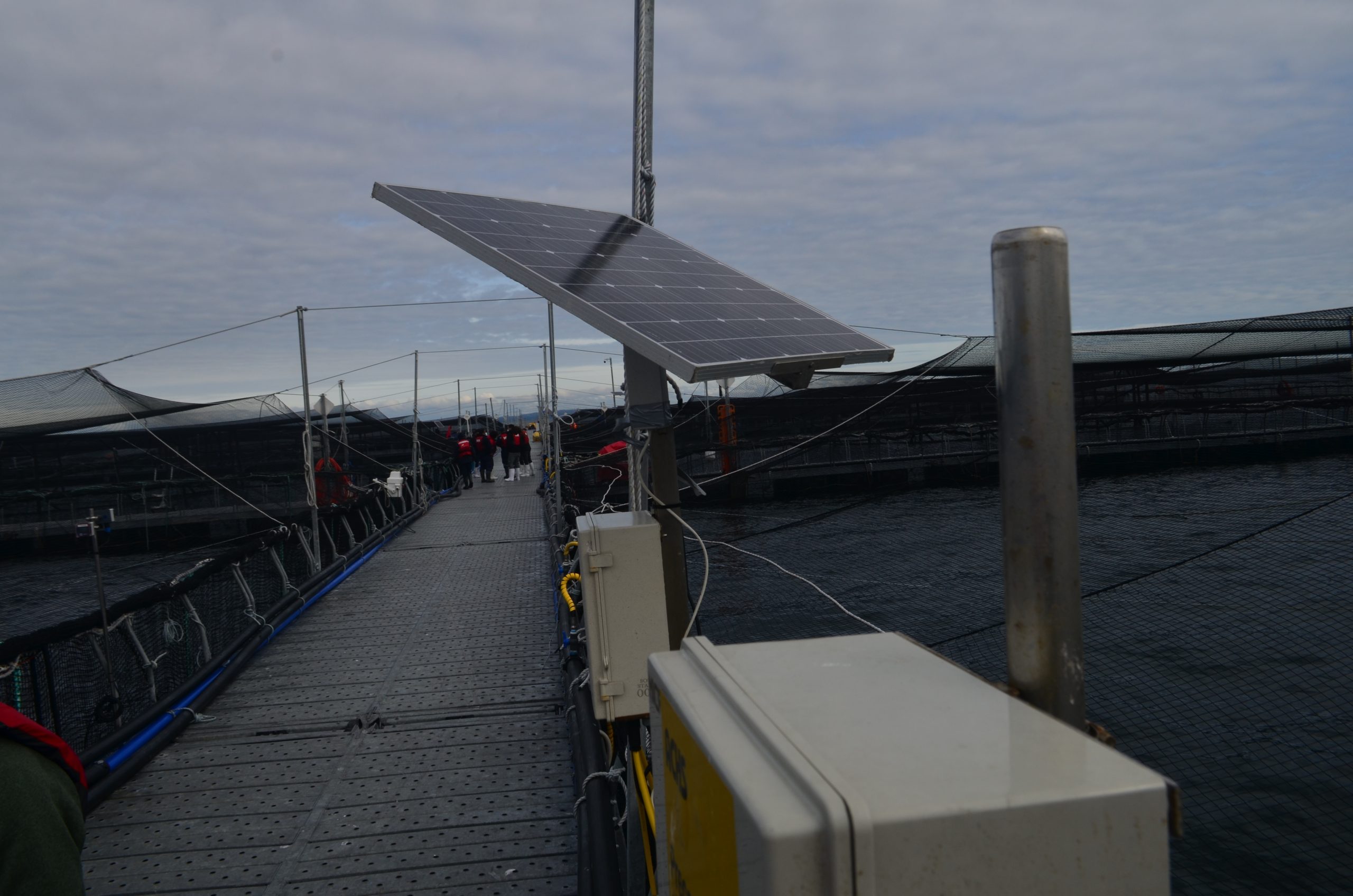
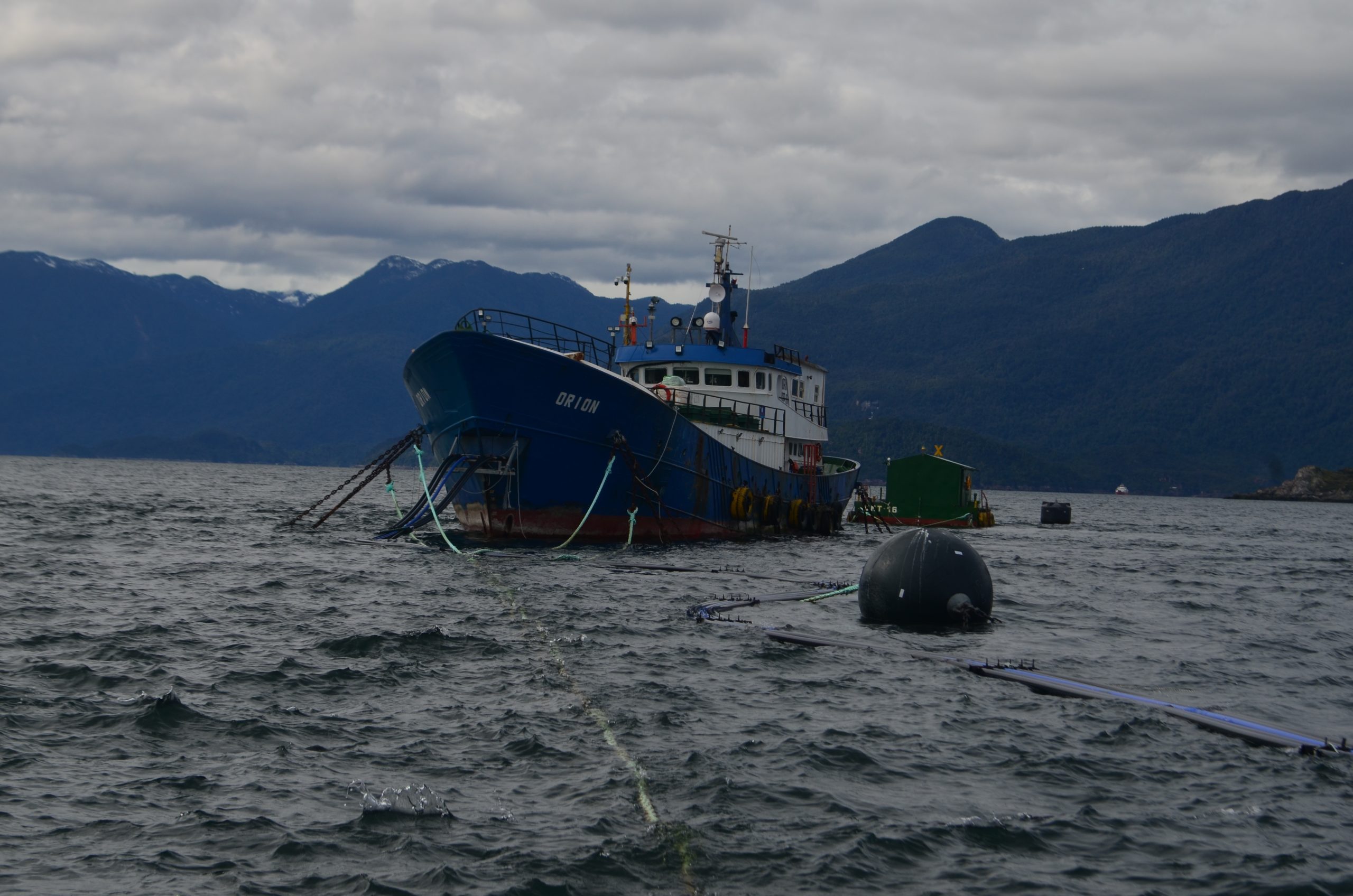
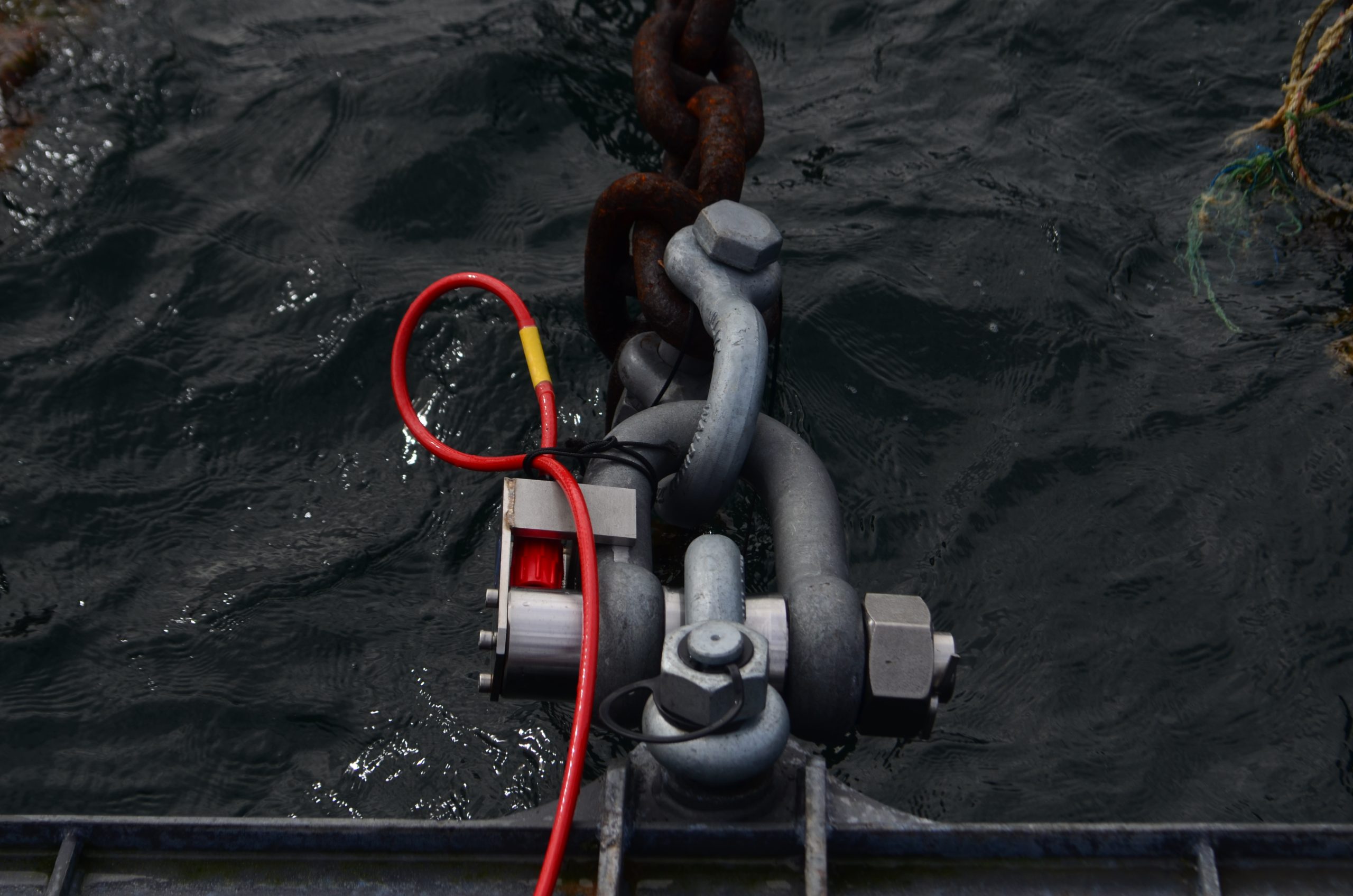
*Photo source: courtesy of Corfo.