Within the framework of a specialized seminar, analyses of a historical mortality database corresponding to the period 2012–2026 were presented, covering more than 40,000 fish cages that link smolt quality with health performance and survival in the grow-out phase at sea.
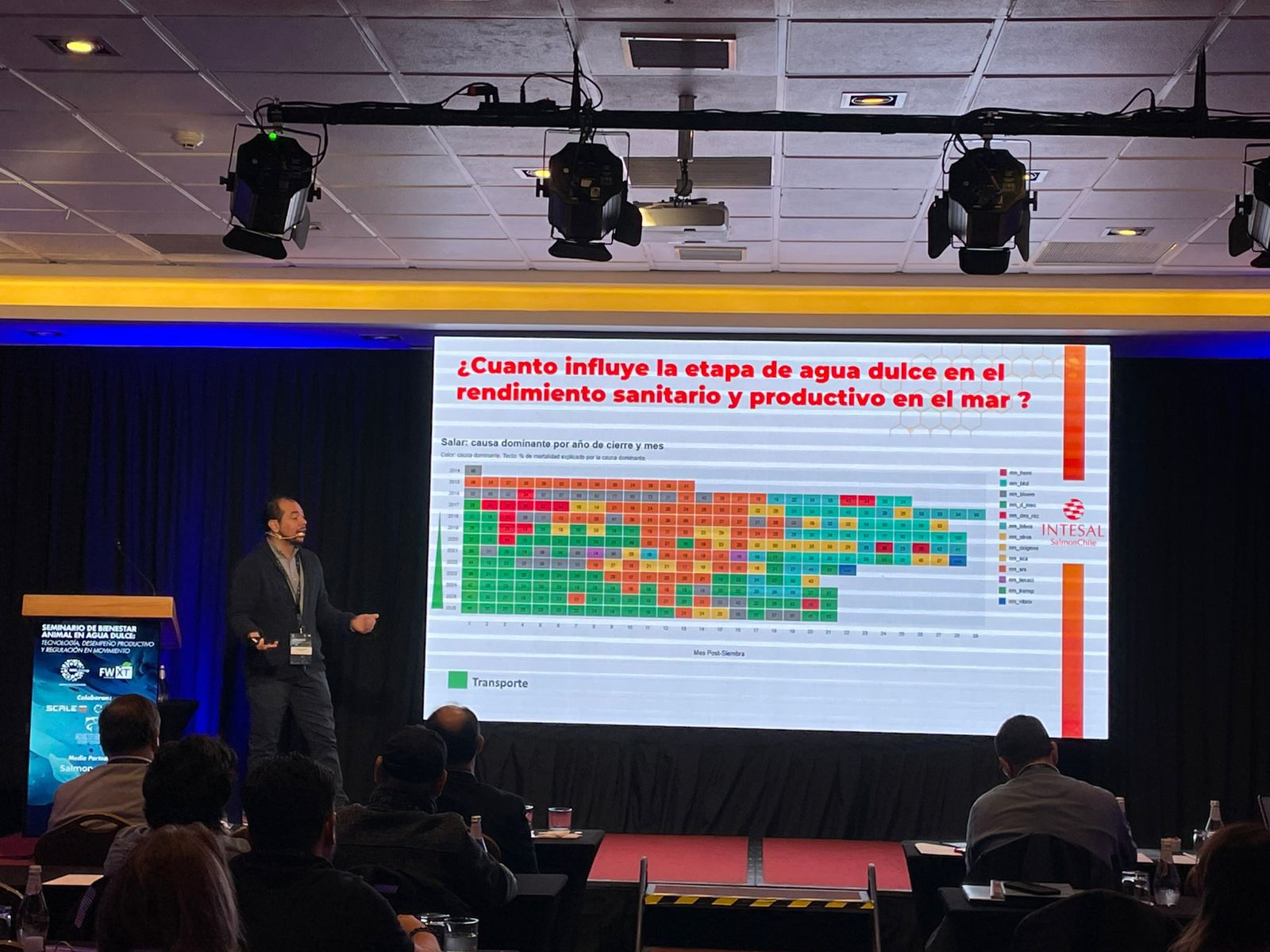
With the aim of deepening the strategic challenges of the productive sector, the Salmon Technology Institute (Intesal) actively participated in the seminar "Animal Welfare in Freshwater: Technology, Productive Performance and Moving Regulation". In the event, Alexander Jaramillo, on behalf of Intesal, gave the talk "The freshwater stage: a strategic issue for Chilean salmon farming", where he presented the close relationship between the initial handling of the fish and their subsequent success in the production cycle.
During the presentation, the current health situation was analyzed and technical evidence was provided that demonstrates how freshwater conditions significantly determine the results observed in the fattening phase. One of the most relevant data presented was the analysis of information from more than 40,000 salmon farming cages between 2012 and 2026, which reveals that a significant proportion of the mortality at sea occurs during the first weeks after stocking, which suggests a direct link with the quality of the smolt produced in previous stages.
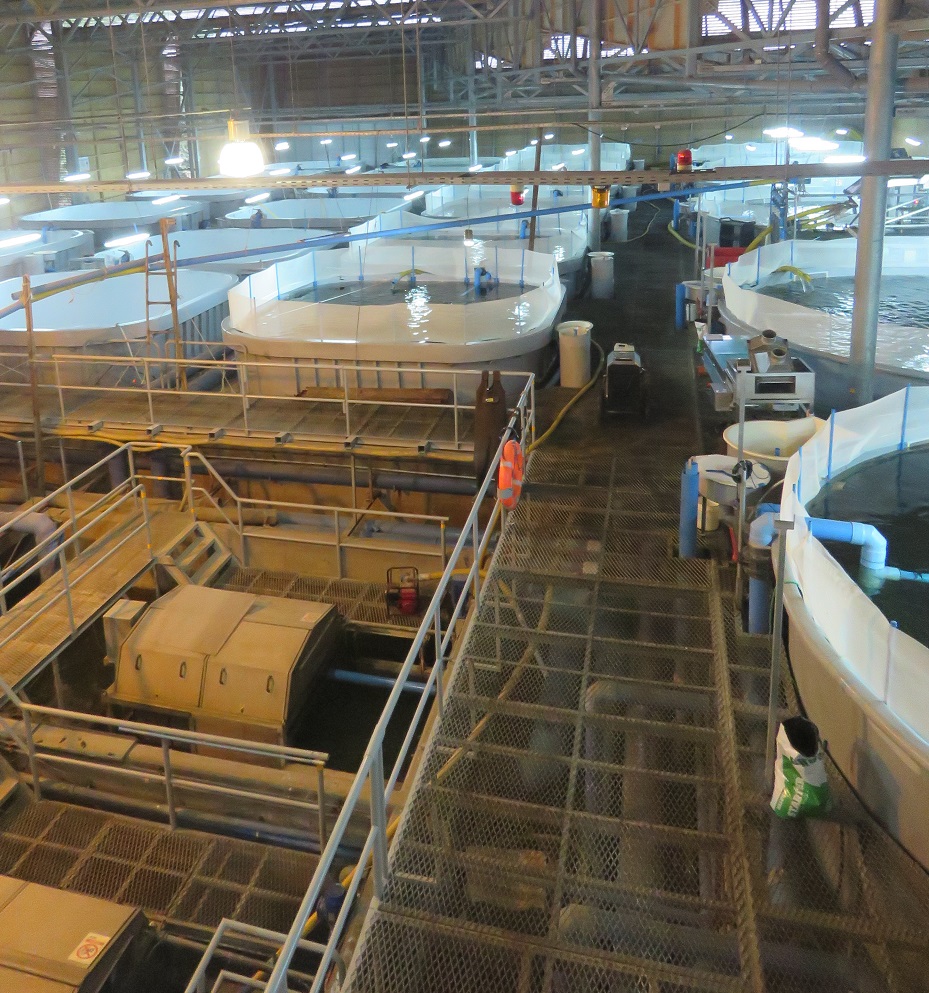
The exhibition highlighted that the impact of proper freshwater management is not temporary, but is manifested throughout much of the fish's life. Therefore, it was emphasized the need to better understand the environmental, sanitary and management factors that define the quality of the specimens before their transfer to the marine environment.
Regarding this, Alexander Jaramillo, coordinator of Health and Safety at Intesal, stated that "current salmon farming has a large amount of information and monitoring tools. However, the challenge is no longer just generating more data, but integrating them effectively to quantify and understand how freshwater conditions influence the subsequent performance of the fish. Animal welfare must be seen as a strategic tool to strengthen the monitoring of smolt quality.
The meeting, which brought together professionals from production companies and technology solution providers, served as a platform for the exchange of knowledge and sectoral collaboration. From Intesal it was highlighted that these instances facilitate the exchange of knowledge between producers, suppliers and specialists, and are essential to address complex challenges through data analysis and scientific evidence, allowing for more accurate decision-making in matters of animal health and welfare.