This Wednesday, Blue Week Los Lagos 2025 featured well-known national and international exhibitors, as well as interesting conversation panels, where various projects around the blue economy and circular economy were addressed.
With prestigious international exhibitors who shared their experiences with the local ecosystem around the critical role of science and innovation in ocean health and sustainable development, this May 14 continued to develop Blue Week Los Lagos 2025, meeting powered by Patagonia Ocean Hub and managed by Këtrawa and Fundación Chile España.
The third day of the activity – which is taking place in the Centro de Vinculación Ciudad Puerto de Empormontt, in Puerto Montt, and which will extend until Friday, May 16 – was focused on Ocean, Science and Innovation and brought together representatives of the public and private sectors, researchers, academics and students.
The CORFO Innovation Manager, Jocelyn Olivari, inaugurated the day, highlighting that the blue economy represents a strategic opportunity to boost sustainable economic growth in Chile, integrating culture, territorial development, technology, biodiversity and coastal communities.
“This tremendous region of Los Lagos has a leading role, with more than 80,000 square kilometers of marine territory, is responsible for 45% of national aquaculture production and is one of the main productive centers of innovation in the country. In fact, last year, it was the second region to have had more certification projects in the Research and Development Act. Today, new knowledge is being generated that can impact different productive sectors,” he said.
He reaffirmed that the ocean plays a key role in the fight against climate change by absorbing much of the CO2 and excess heat generated by human activity, but faces threats such as acidification and loss of biodiversity that affect food security and the development of coastal communities. It is therefore urgent to move towards sustainable and regenerative ocean economic models that require innovation, science, investment and commitment.
On the occasion, the executive highlighted examples of initiatives that include acoustic monitoring systems to protect whales, electric vessels for aquaculture and technologies based on artificial intelligence to improve salmon production. "The blue economy is not just a story," he said, "but a road map to build a productive and sustainable future."
International partnerships
One of the main speakers of the day was Iñigo Doria, member of the Spanish delegation and president of the Blue Point Foundation. The expert on the environmental reality of the Basque coasts said Blue Point emerged as an innovative and collaborative response to the alarming accumulation of marine litter, especially plastic, that threatens the ecosystems and the economy of the oceans. The institution focuses on articulating and connecting the various agents involved in the cleaning and recovery of marine debris, from researchers and universities to companies, fishermen and civil society.
Blue Point has boosted the creation of a new value chain based on the blue circular economy, where collected garbage becomes a raw material for new products and businesses, generating employment and economic opportunities. Its approach goes beyond volunteering, aiming to transform the environmental problem into an opportunity for sustainable and cost-effective development, encouraging demand for recycled products and promoting the development of community involvement.
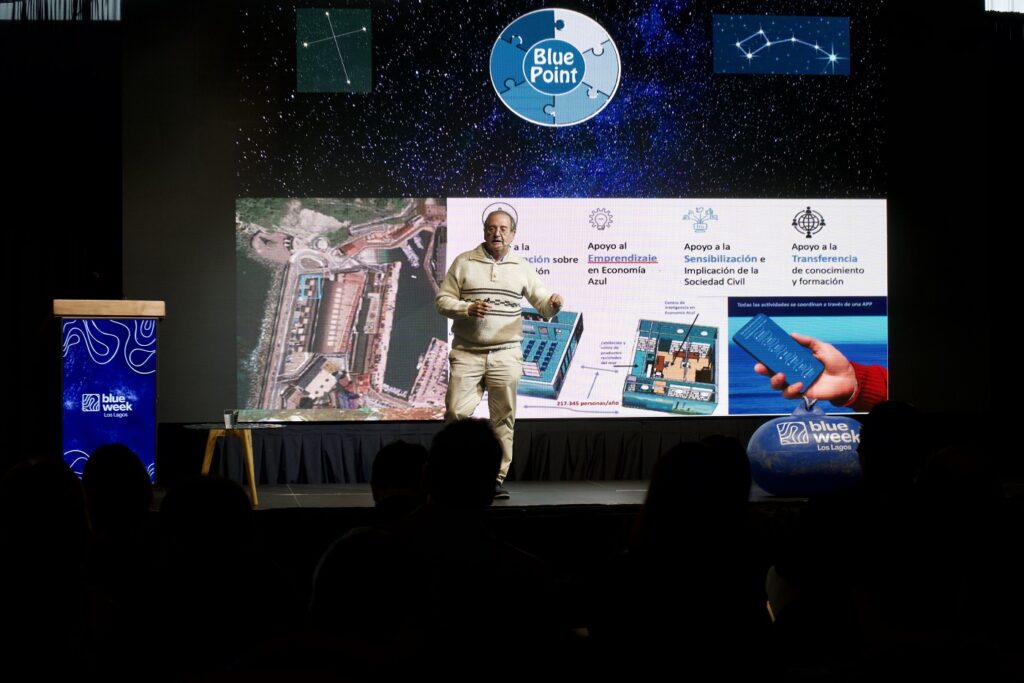
In its 13 years of life, the project has developed centres of experimentation and collaboration in ports, such as Getaria, in the Basque Country, where research activities, talent training, support to startups and knowledge transfer.
Thanks to its collaborative and transferable model, Blue Point has been able to expand internationally and attract European funds, consolidating itself as a benchmark in circular economy applied to the sea.
Also interesting was the exhibition of the Dr. Emanuele di Lorenzo, founder of Ocean Visions, an entity dedicated to developing innovative and durable solutions to the complex challenges facing the ocean, such as climate change. The expert indicated that the increase in carbon dioxide (CO2) in the atmosphere has led to significant global warming. The ocean absorbs most of this heat, but this generates negative consequences, such as rising sea levels, lower oxygenation, and changes in ecosystems Marines. In addition, dissolved CO2 in the ocean increases its acidity, seriously affecting marine life.
Despite global efforts, most energy still comes from fossil fuels and investments in this sector remain high, making the transition to clean energy difficult. For this reason, initiatives such as Ocean Visions, which promotes ocean-based solutions to reduce and eliminate CO2, restore ecosystems and encourage innovation, have been promoted.
Dr. Emanuel di Lorenzo stressed the potential of the ocean to store carbon and mentioned different strategies to increase its absorption capacity, such as growing marine plants or adding antacids. However, these solutions require further research to assess their viability and potential ecological impacts. Finally, he stressed the importance of international collaboration, mentioning Patagonia Ocean Hub as a opportunity for Chile to lead in this field, connecting with a global innovation network for ocean solutions.
Attractive panels
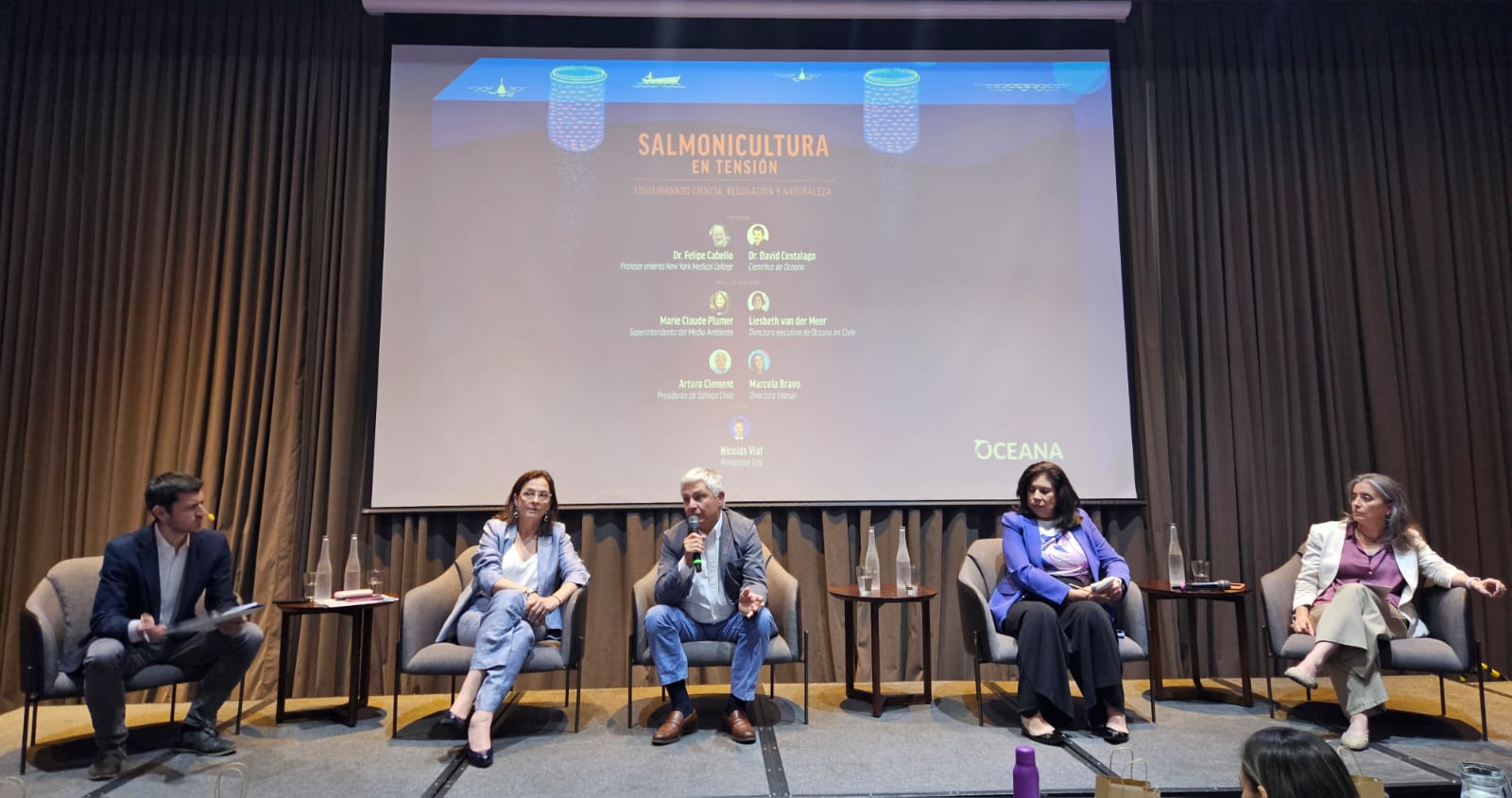
This Wednesday's day also included panels specializing in key issues for strengthening the blue economy, such as “Potential of Algae in Chile”, moderated by Leonardo Valenzuela, Director of International Alliances of Ocean Visions, where representatives of Fundación Chile, Universidad de Los Lagos and Algas Atacama participated.
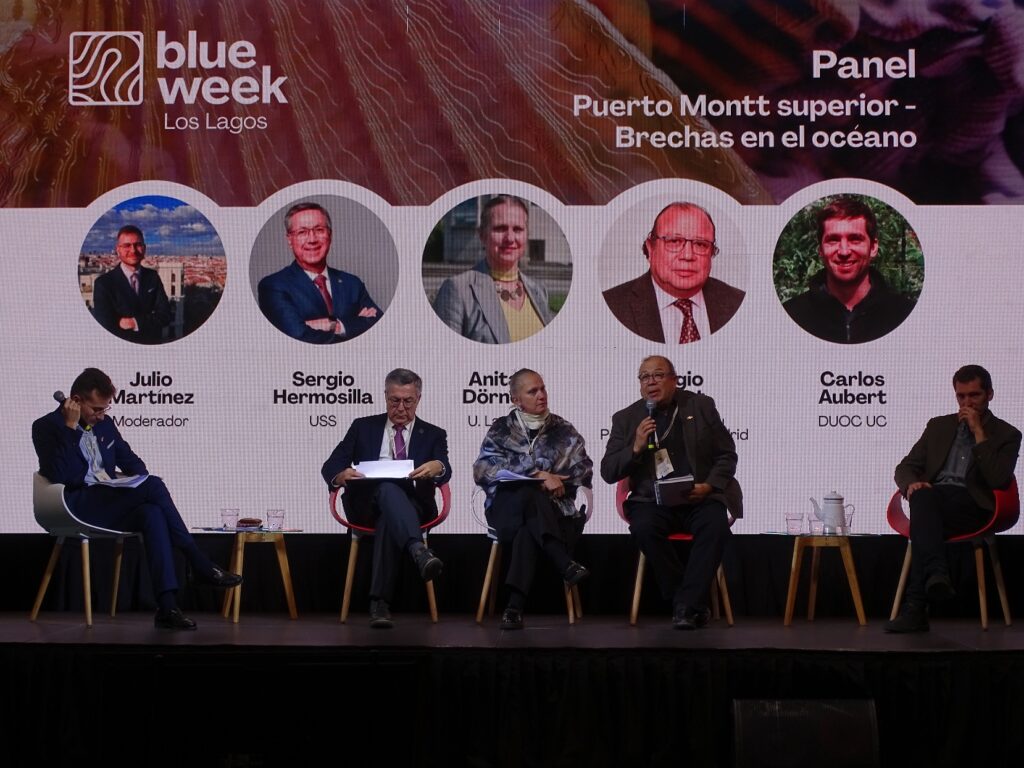
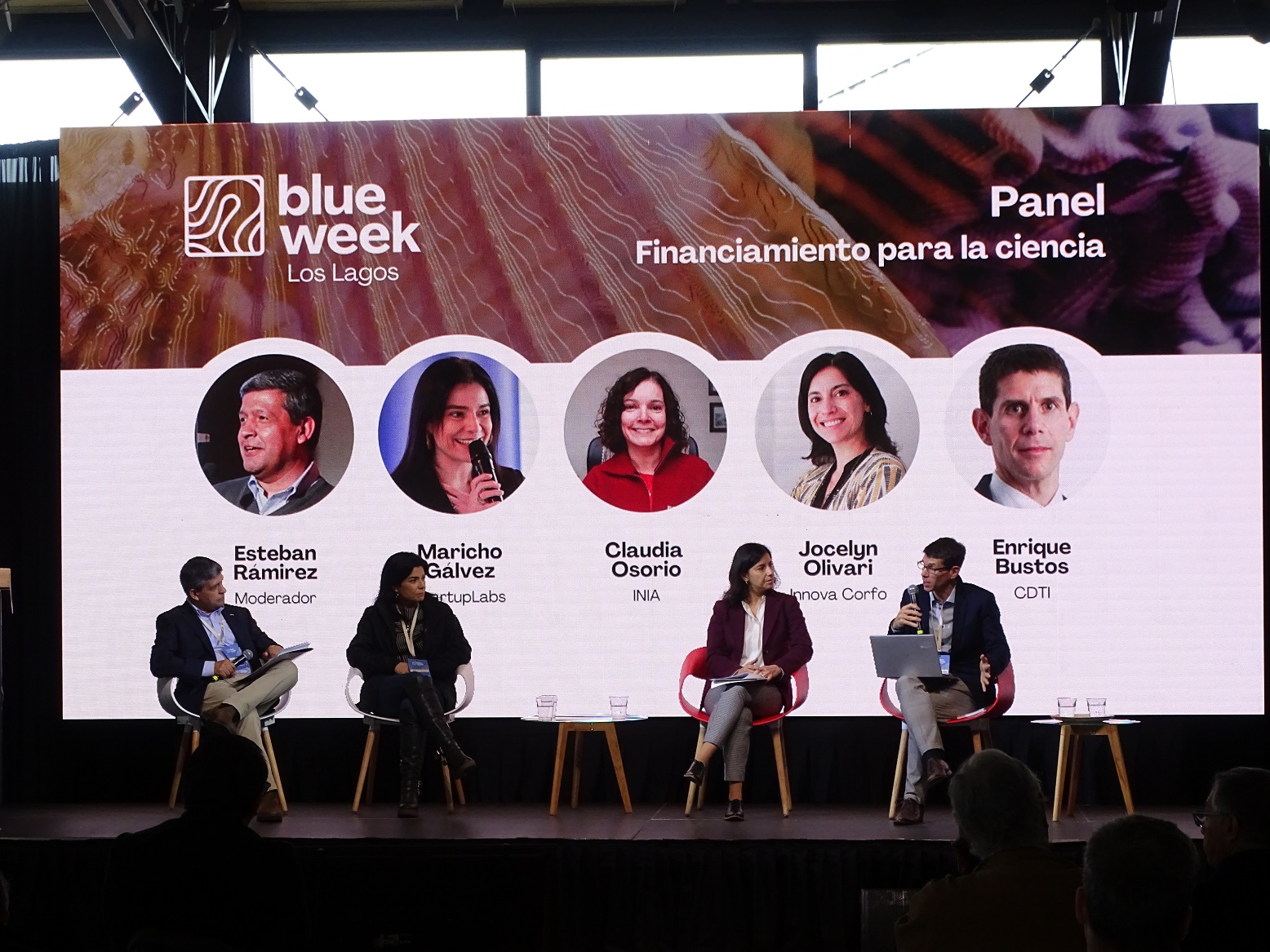
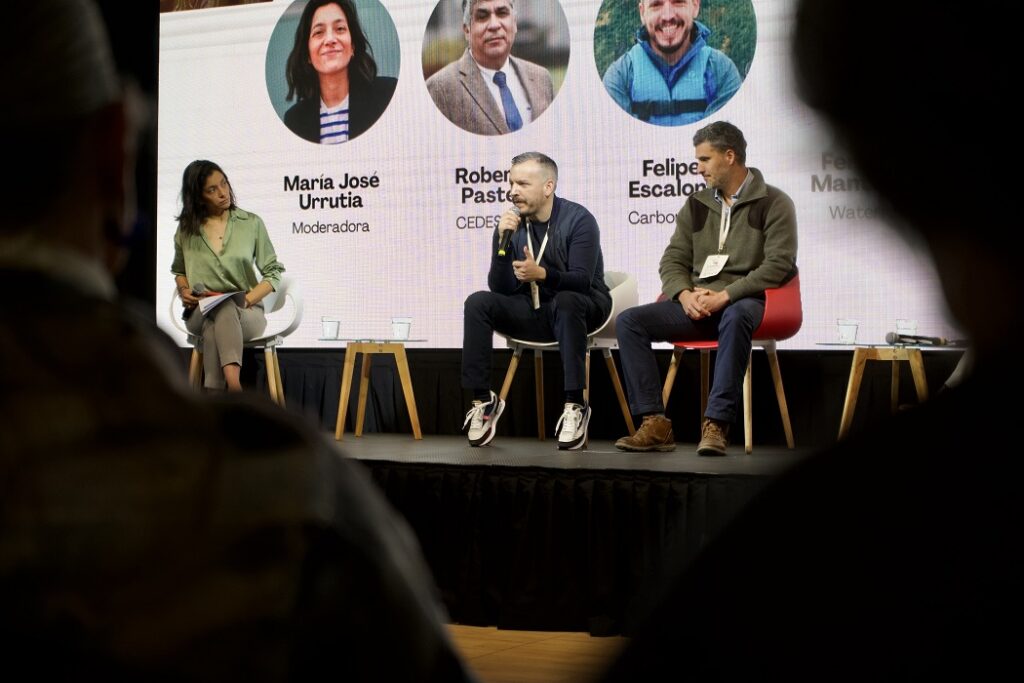
To this one were added the panels “Financing for Science”, moderated by the General Manager of Intestesal of SalmonChile, Esteban Ramírez, with the participation of representatives of CORFO, INIA and CDTI (Centre for Technological Development and Innovation) of Spain; and “Natural Capital and its Ecosystem Benefit”, by Maria José Urrutia, general manager of Këtrawa, who brought together experts from CEDES USS, Carbon Real, Watermind and BioMar.
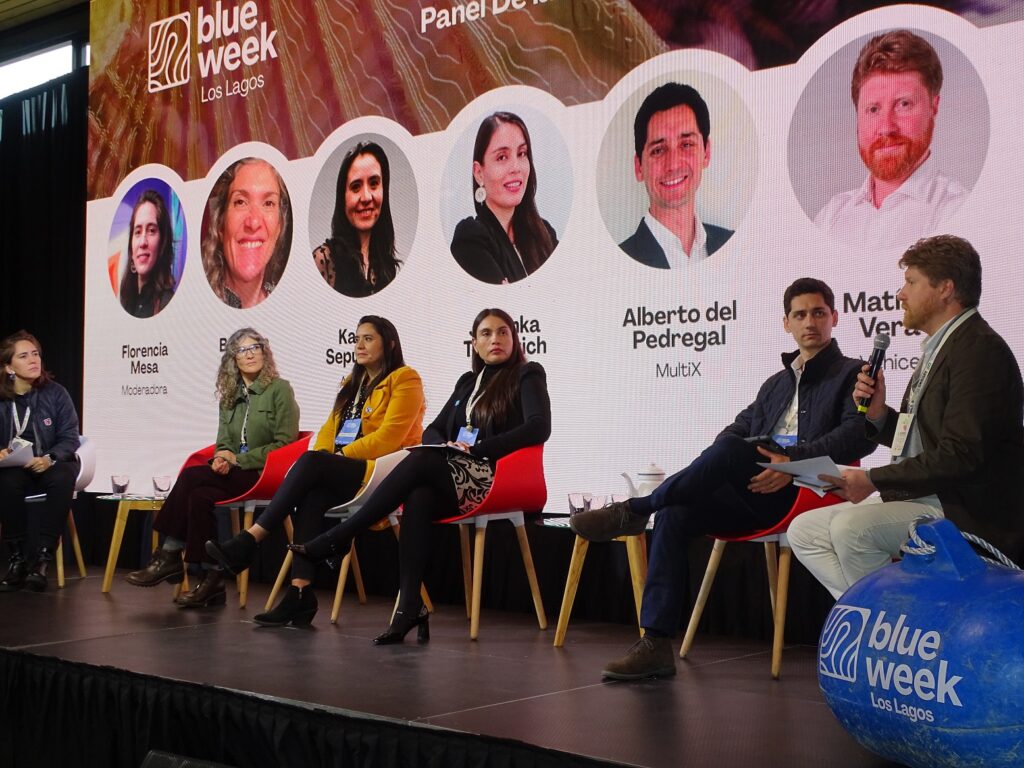
Moderated by Florence Mesa, executive director of Climatech Chile, the panel was also held “From Science to the Market”, which had as guests representatives of the CIEP, Armasur, Multi X, VeHiCe and Know Hub Chile and, in the closing, the academy played a prominent role with “Puerto Montt Superior - Gaps in the Ocean”, session that convened vice-rectors of the Los Lagos region to analyze the challenges and gaps in the ocean from a scientific and academic perspective. Its moderator was Julio Martínez, Project Director of Fundación Chile España.
For more information, check out the schedule and sign up for Blue Week Los Lagos, visit: www.ketrawalab.com/blueweekloslagos.