The initiative, organised by the INCAR² Centre and COPAS Coastal, explores the latest advances in the epigenomics applied to aquaculture.
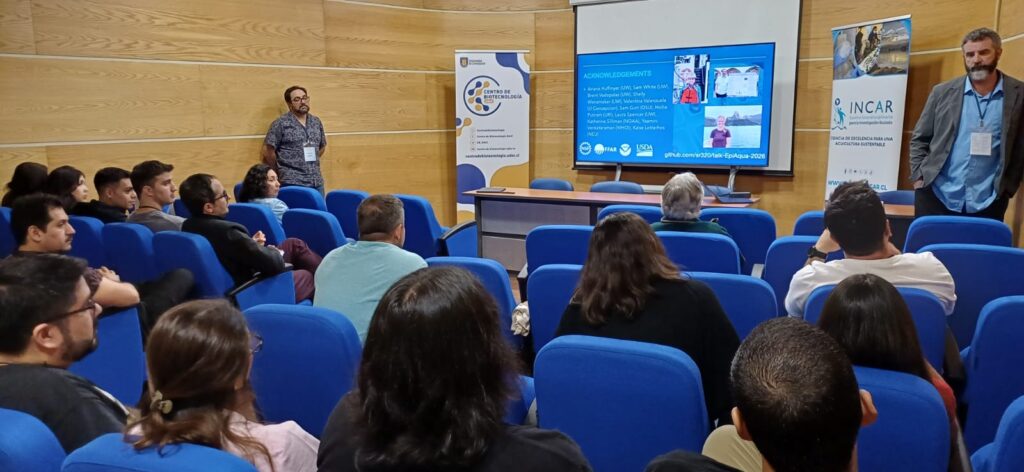
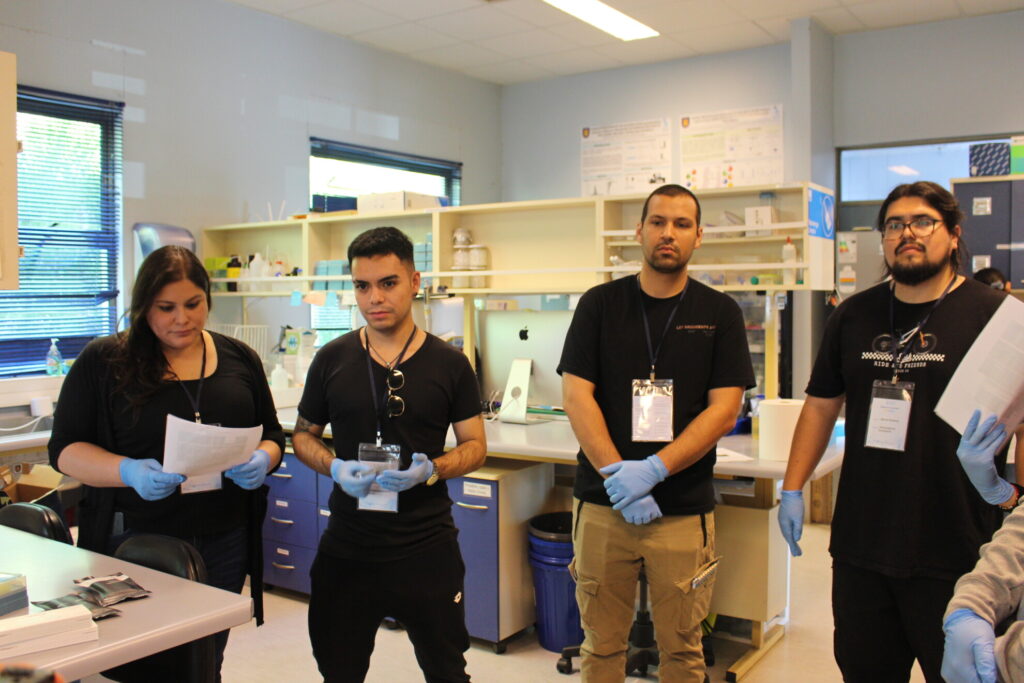
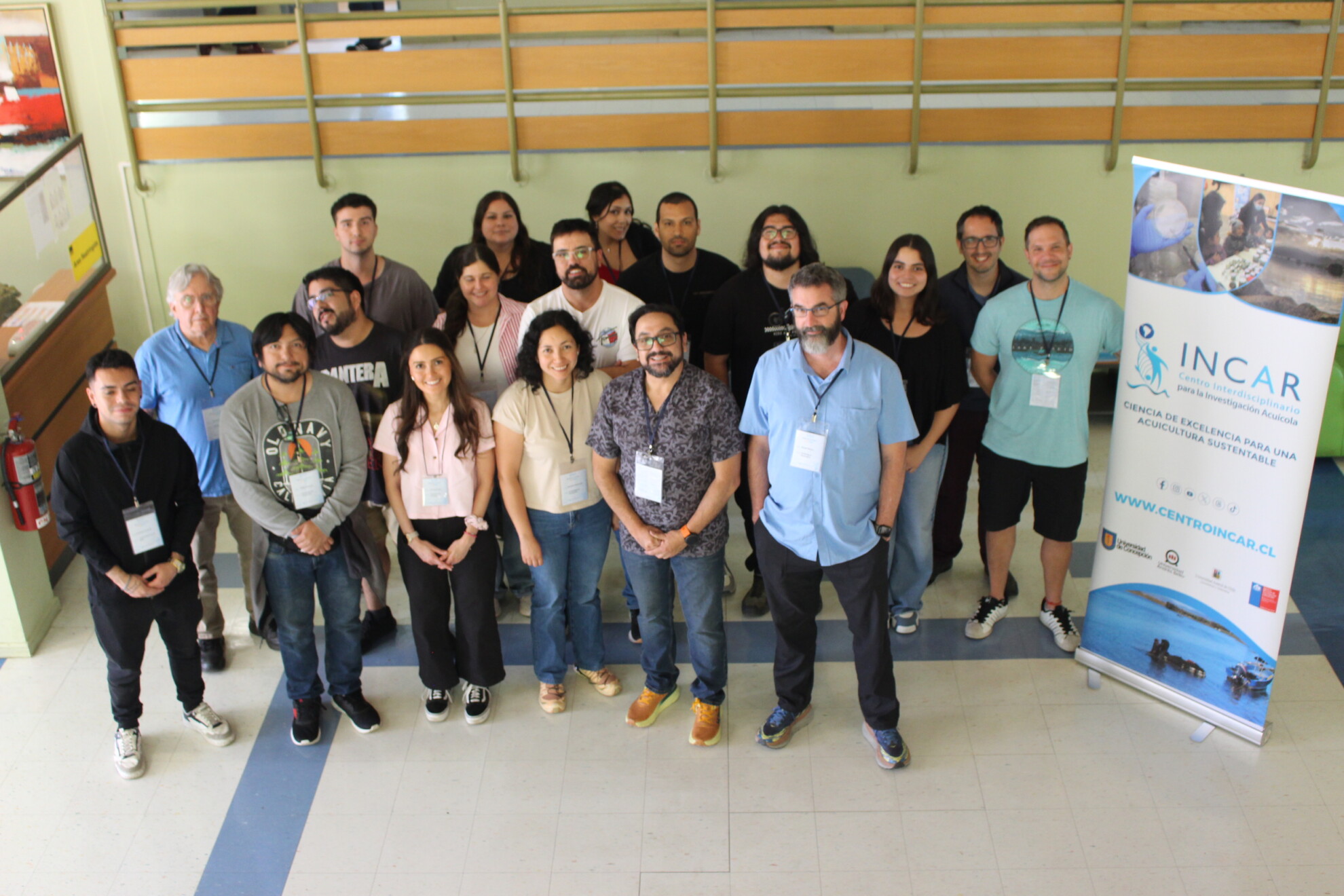
Around twenty postgraduate students and early-career researchers gathered on Monday, 26 January at the Centre for Biotechnology of the University of Concepción to participate in EpiAquacourse organized by the INCAR² Centre and COPAS Coastal.
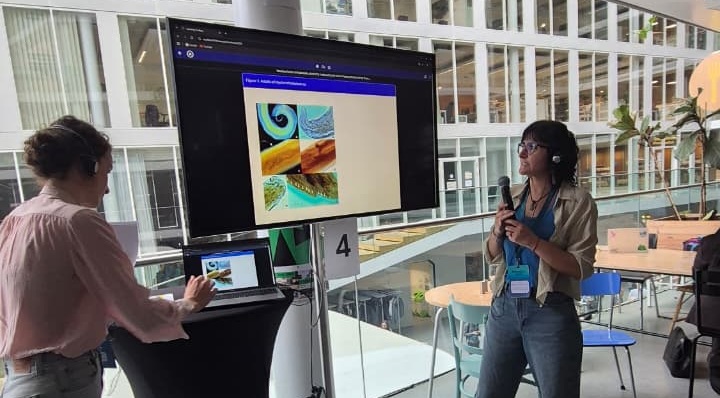
The initiative exploring the latest advances in the epigenomics applied to aquaculture began with the greeting of COPAS Coastal Deputy Director, Dr. Fabian Tapia, and the Director of INCAR², Dr. Cristian Gallardo-Escarate, and then give way to the keynote talk "Shellfish Environmental Memory Beyond Epigenetics", by the Academic of the University of Washington, Dr. Steven Roberts,
In his presentation Dr. Roberts referred to the initiative leading and seeking the restoration of native oysters in the United States. “Epigenetics is a vital tool to understand how aquatic organisms adapt, especially in climate change scenarios, thus contributing to the restoration of different organisms,” he explained.
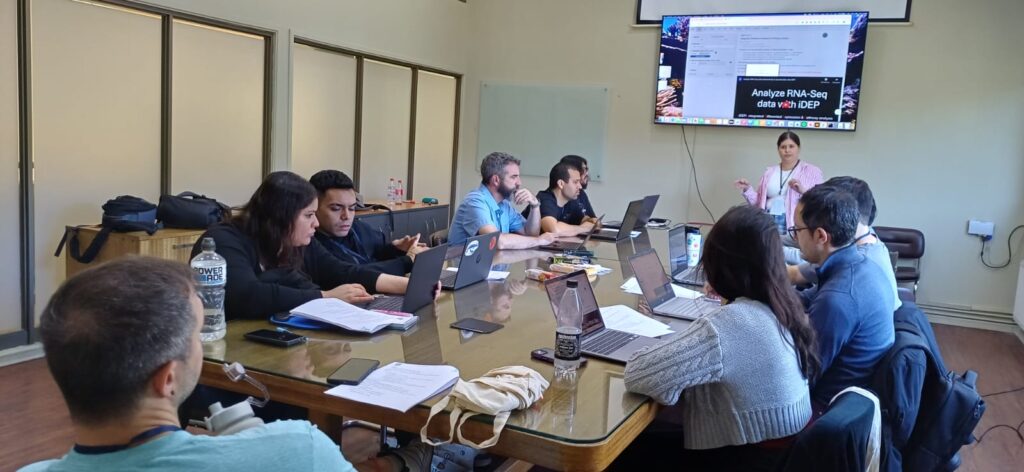
Subsequently, Dr. Yeny Leal guided the Genomic Boot Camp, "NGS Visualization Tools". The work was done using Idep (Integrated Differential Expression and Pathway Analysis), a web server that integrates quality control, statistical analysis, advanced visualization and functional analysis within the same environment. In addition ShinyGO, an interactive web platform specialized in enrichment analysis, was used functional, allowing you to explore GO ontologys, KEGG routes and functional networks from gene lists. “The complementary use of Idep and ShinyGO makes it possible to compare functional analysis strategies and strengthen the biological interpretation of transcriptomic results,” Dr. Leal.
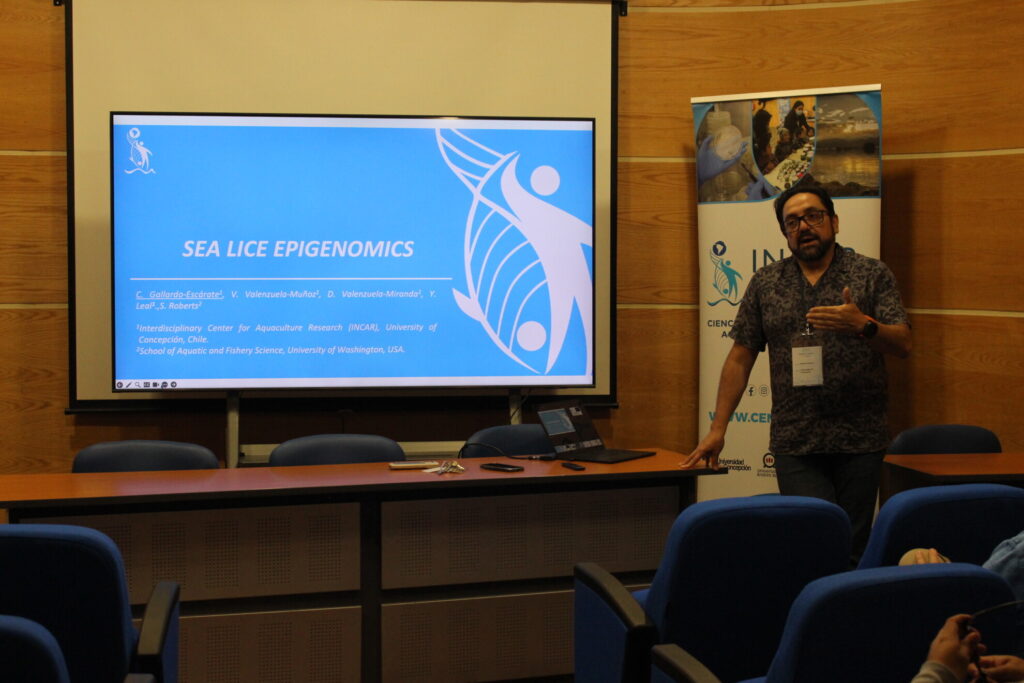
The afternoon day in EpiAqua began with the presentation "Sea Lice Epigenomics", by the Director of the INCAR² Center, Dr. Cristian Gallardo-Escarate, in which he highlighted the importance of the epigenomic tool in aquaculture in the fight against Caligus.
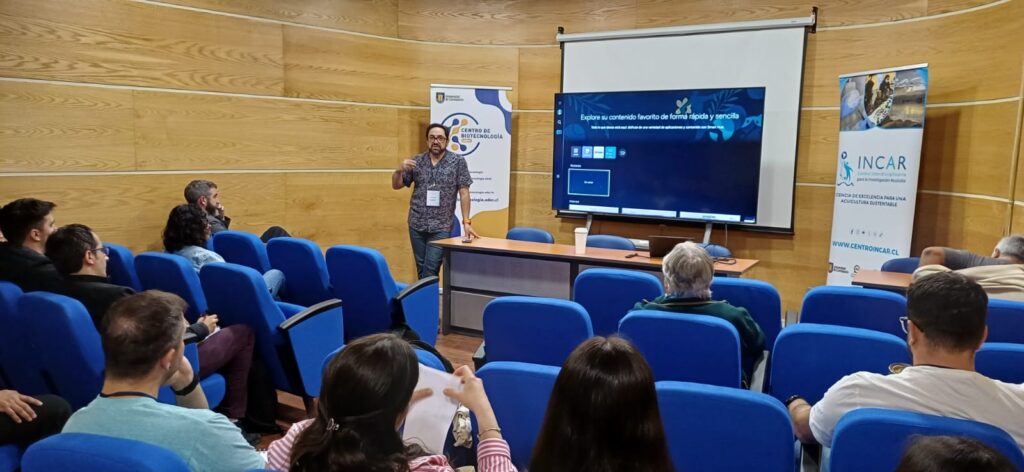
“Epigenomics is gaining in importance and today there are technologies to study and understand how genetic resources are adapted. We are currently trying to understand the mechanisms that are important for sexual determination in Caligus, an area that we want to develop from INCAR as an alternative control through experimental gene editing," added the Director of INCAR², Dr. Cristian Gallardo-Escape.
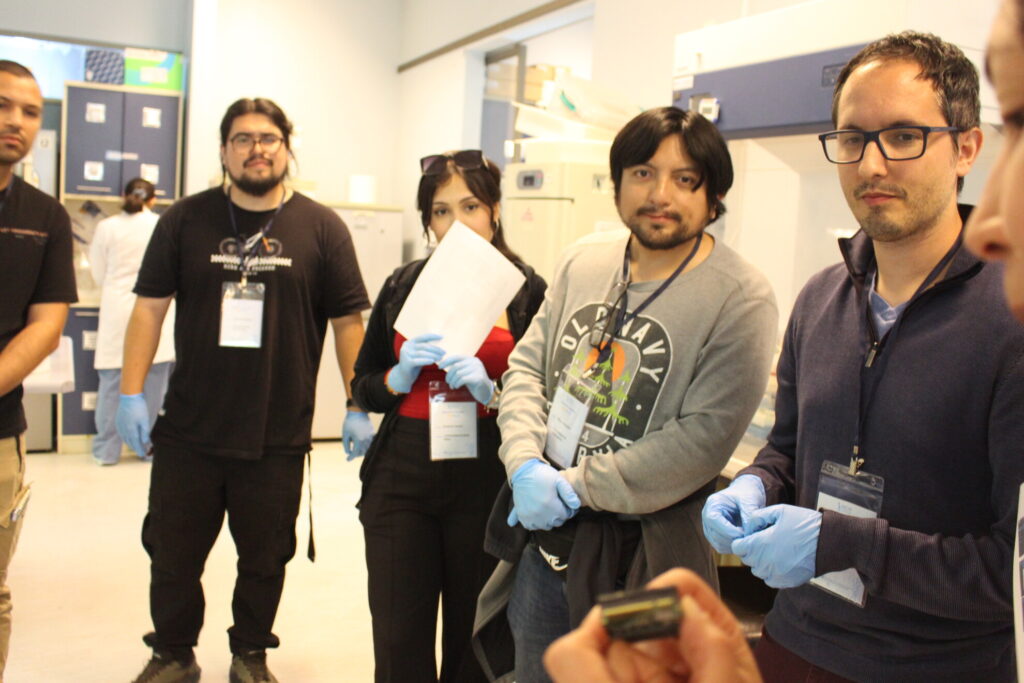
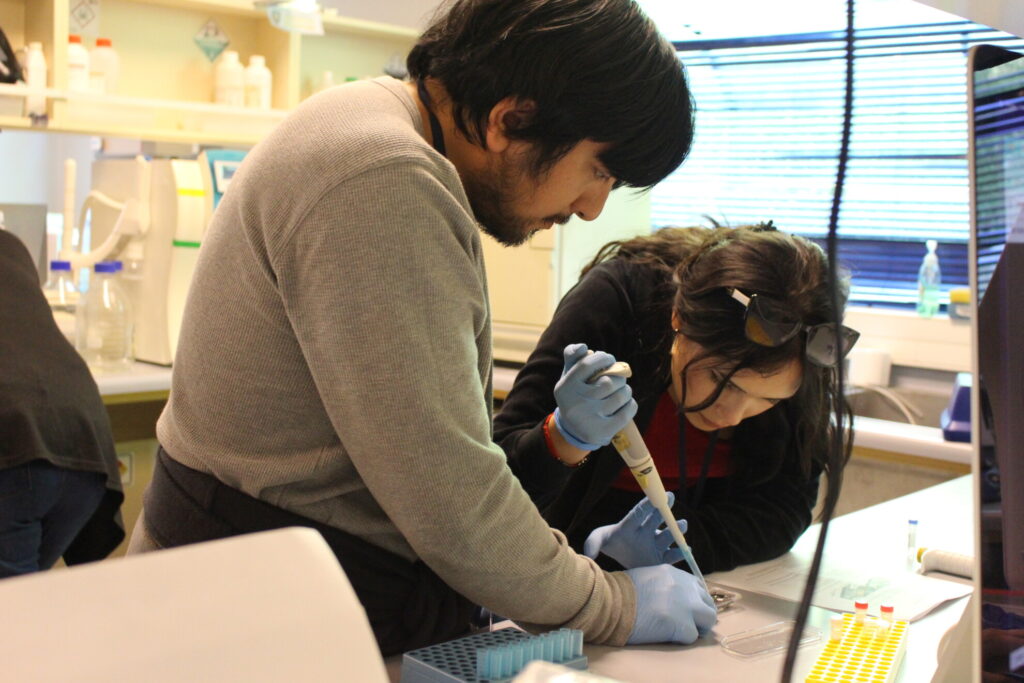
Finally, EpiAqua closed its first day with a Camp Boot on Sequencing of Nanopore, a practical activity carried out in the Laboratory of Biotechnology and Aquaculture Genomics (LBGA) of INCAR, and directed by the Principal Investigator of INCAR², Dr. Valentina Valenzuela-Muñoz. In it, students became familiar with the team and learned how to prepare and load the equipment to perform the sequencing. “Through practical work in the laboratory, we show the differences between the two platforms that we have, MinION and PromethION, so that they can know the characteristics of each team, their performance and the libraries that can be used in each one,” concluded Dr. Valenzuela.
EpiAQUA is held between 26 and 27 January at the Biotechnology Center of the University of Concepción and is organized by the COPAS Coastal Center and the Applied Research Center, INCAR², funded by ANID.