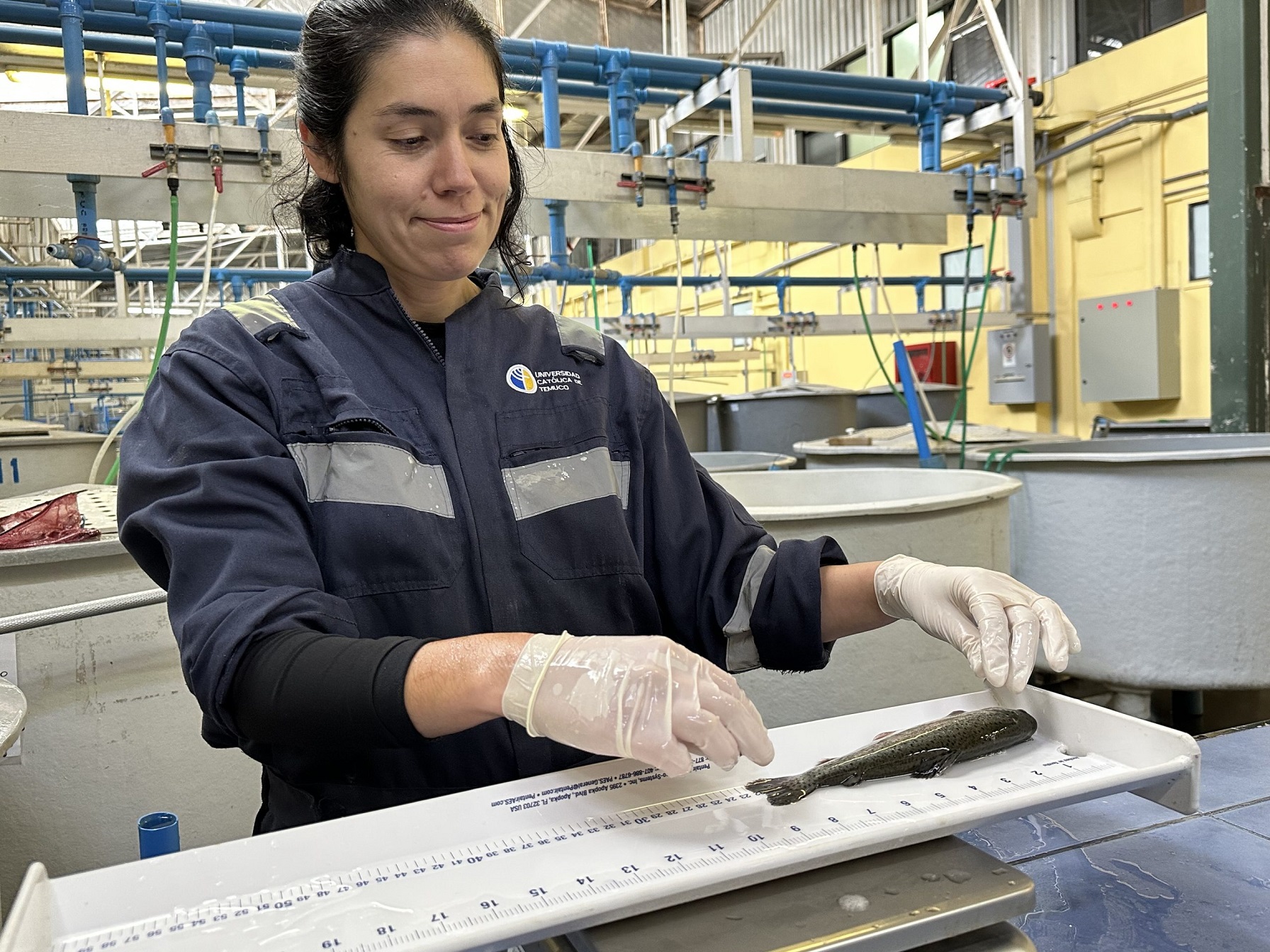
“These initiatives are part of our commitment, as a technological program and university, to specialized training for the national aquaculture industry,” said Dr. Patricio Dantagnan.
The Catholic University of Temuco (UCT), one of the co-executors of the Technological Programme for the Local Production of Nutritional Inputs for Aquaculture (PTEC-INVA) — a project promoted by the Chilean Production Development Corporation, Corfo, and led by Antarctic Salmon— hold the fourth version of the “Extrusion Technology Course in Aquaculture Food”, from Monday 20 to Wednesday 22 October 2025, at the UCT Continuing Education Center.
As a novelty, this year a new training module entitled “Extrusion Process Scale and Transfer”which will take place on Thursday 23 and Friday 24 October, in the same university campus. Both courses are aimed at aquaculture professionals, researchers and researchers, formulators, food manufacturers and advanced students interested in development and optimization of extrusion processes for fish nutrition.
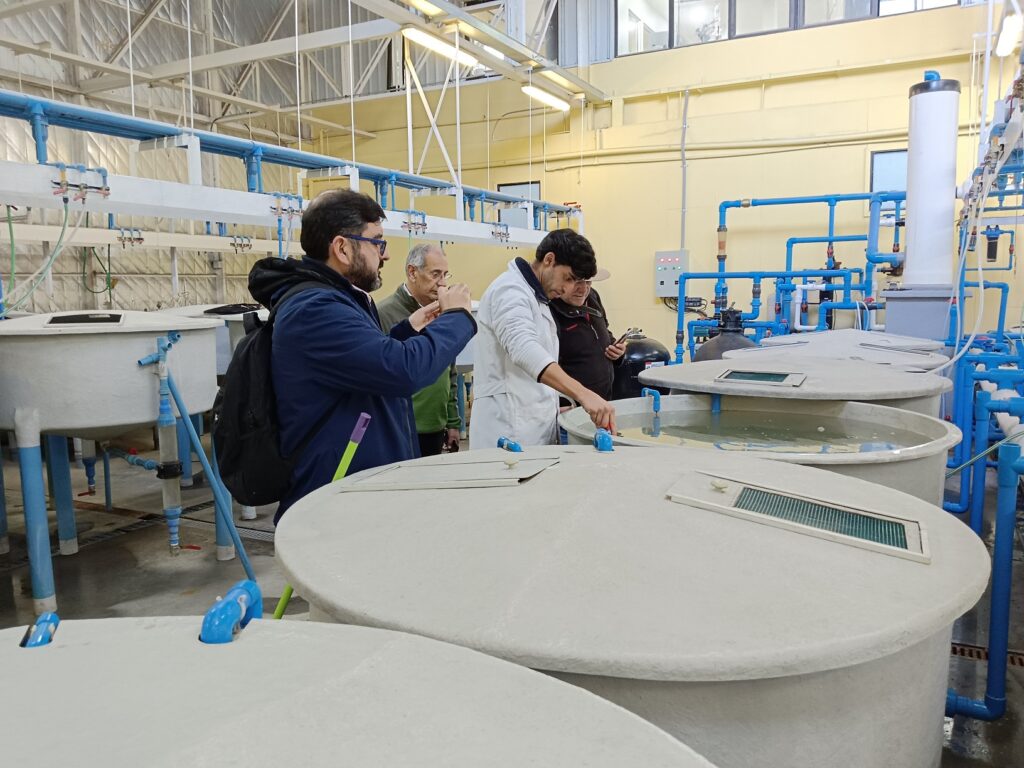
“These initiatives are part of our commitment, as a technological programme and university, with specialized training for the national aquaculture industry. Within the framework of the PTEC-INVA, we seek, among other things, to strengthen the local production of inputs through applied knowledgeparticularly in technologies that allow scaling up sustainable and quality solutions for fish nutrition,” said Dr. Patricio DantagnanProfessor of the UCT and Director of the Laboratory of Fish Nutrition and Physiology of Department of Agricultural and Aquaculture Sciences of the Faculty of Natural Resources (NRF).
“More competitive and resilient production”
The extrusion technology course will focus on the fundamentals of the process, the formulation design, influence of technical parameters and quality evaluation of pellets. For its part, the new course on scaling will address the transfer from the laboratory to a pilot and industrial productionsolving common problems of implementation in plants.
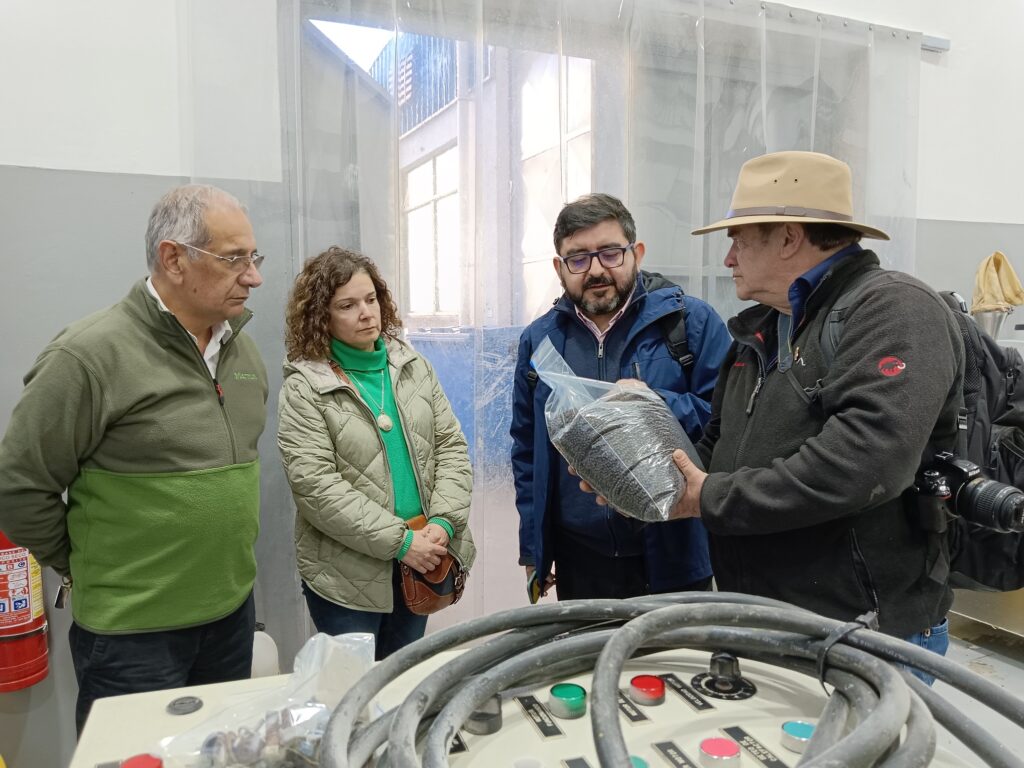
“We are convinced that innovation is not only in laboratories, but also in the ability to translate that knowledge into concrete processes that have a positive impact on aquaculture value chain. That is why this new course on scaling is key to moving towards more competitive and resilient domestic production,” added Dr. Dantagnan, who is the direct representative of the UCT for the PTEC-INVA technological programme in which the Agricultural Research Institute also participates as co-executors. (INIA), the Food Technology Innovation Center (CeTA), Veterinary Histopathology Center (VeHiCe), Agrotop Companies and the University of Chile (University of Chile).
All details of both courses are available on the following links:
- Aquaculture Food Extrusion Technology (20-22 October)
- Escalation and Transfer of Extrusion Processes (23-24 October)
Registration is done pressing here or directly contacting Dennis Forte, who will be, along with Keith Brewood, one of the central rapporteurs of the two courses. Your mail is: forte1@iinet.net.au. You can also write to Michelle Jephcott: mjephcott02@gmail.com
For further technical and academic information, interested persons may contact Dr. Adrian Hernández Arias, researcher at the PTEC-INVA and the UCT Fish Nutrition and Physiology Laboratory: ajhernandez@uct.cl | +56 45 2553905.