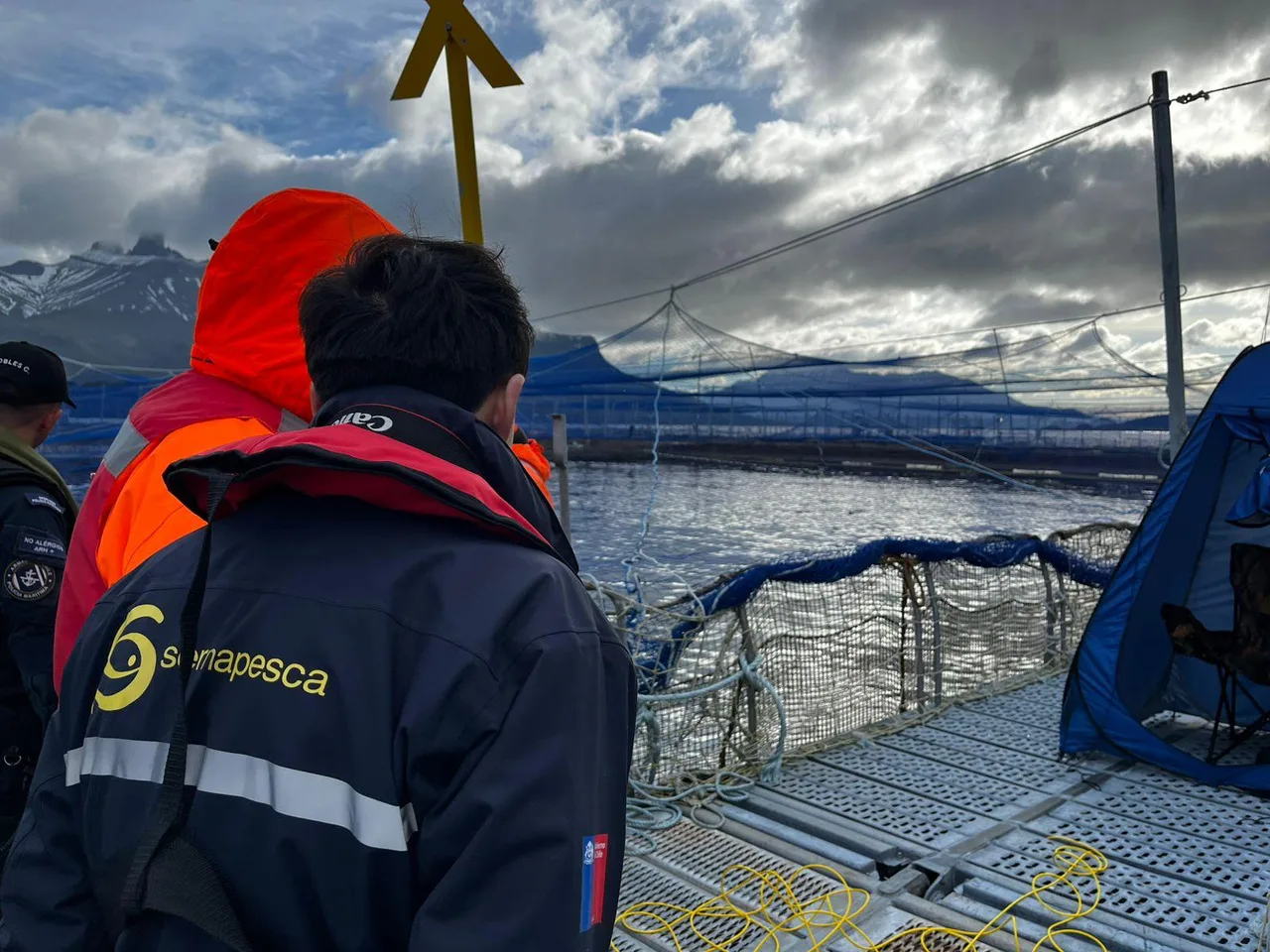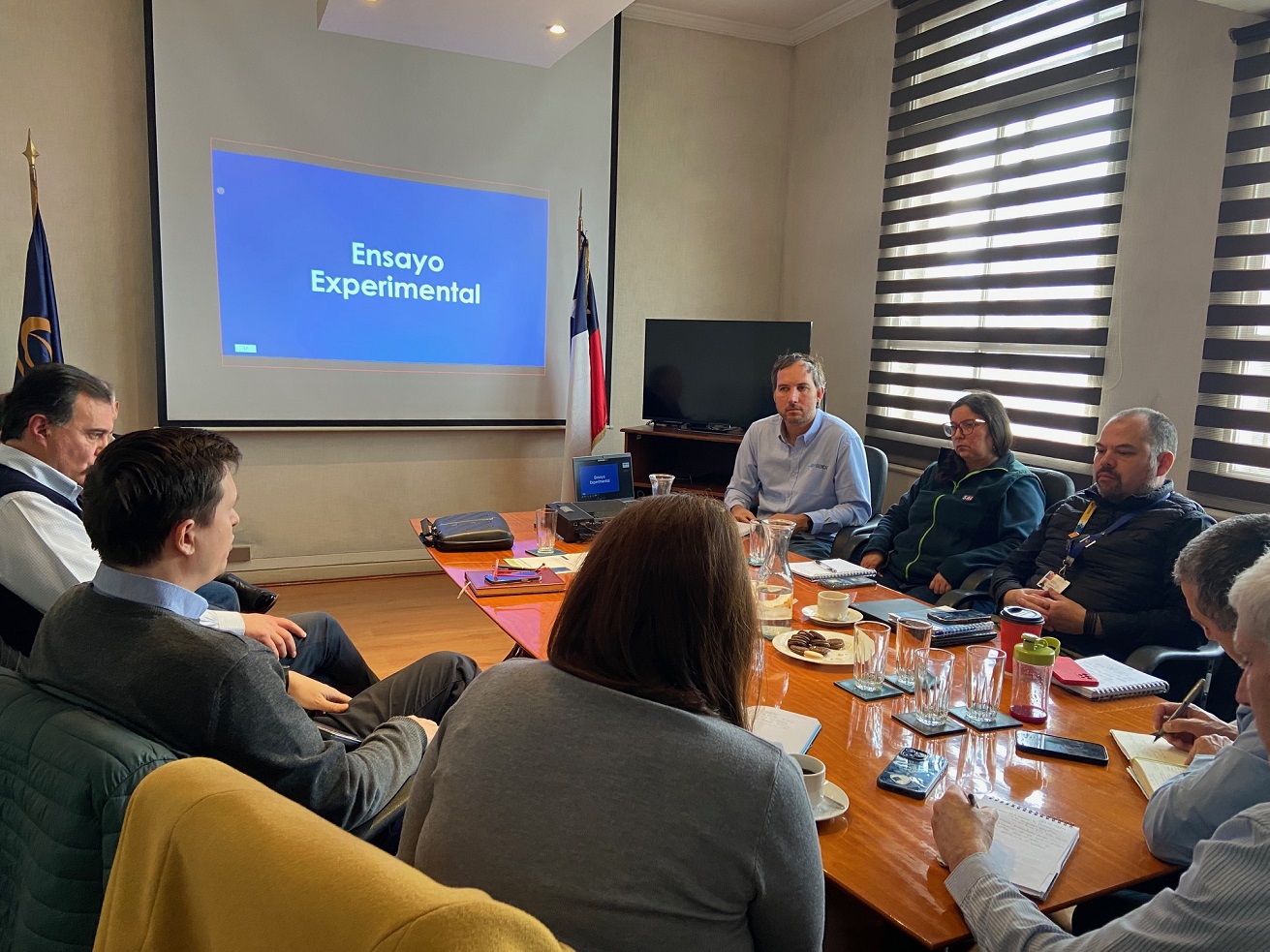
Yelcho Alliance decided to strengthen its approach with pharmaceutical companies and research centers to seek new technologies that help prevent and control SRS; advance the experimental trials and field tests scheduled and carry out a closed scientific day on this bacterial disease.
The next 1 August will depart the first experimental trial that develops the Yelcho Alliance with the aim of evaluating new health strategies for the prevention of Piscirickettsiosis (SRS) in Chilean salmon farming. The test, which marks a milestone in the search for effective solutions for the prevention of SRS, will be carried out by The Challenge Room at its study center located in the Los Lagos region. In total, 7 vaccination proposals will be evaluated, with challenges at 650 and 1800 UTAS and with both strains of Piscirickettsia: EM90 and LF89.
So it was announced by the director of Yelcho, David Farcas, during the recent session of the public-private committee, which took place on 17 June at the premises of the National Service of Fisheries and Aquaculture (SERNAPESCA) in Santiago.
The meeting brought together all members of the initiative, composed of the Agricultural and Livestock Service (SAG), SERNAPESCA, the Chilean Salmon Industry Association A.G. (SamonChile) through the Salmon Technology Institute (INTESAL), and the Salmon Council, as well as the producing companies Australis Seafoods, Blumar, Camanchaca, Cermaq Chile, Cultivos Yadrán, Mowi Chile, Multi X, Salmones Austral, Marine Farm and Ventisqueros, forerunners of the entity, which together represent 73% of the production of Atlantic salmon in Chile.
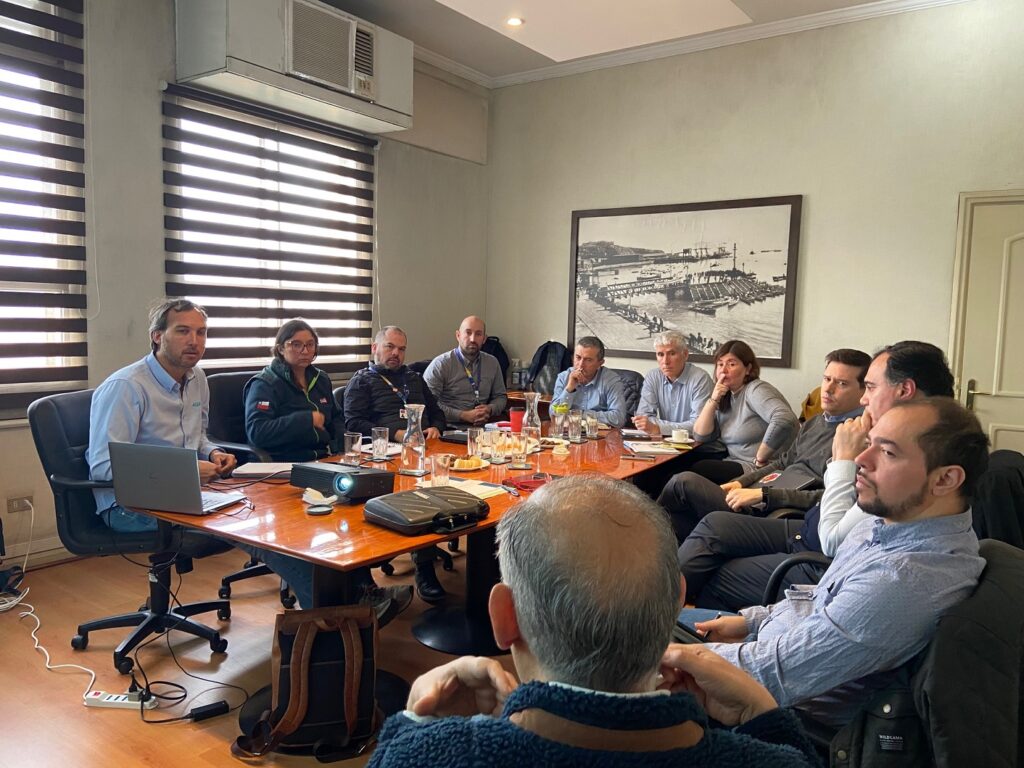
Together with reinforcing the importance of the Yelcho Alliance as a pioneering public-private collaboration model in health matters in the aquaculture industry, David Farcas thanked the permanent commitment and support of the authorities in the search for solutions to the health challenges of the national aquaculture sector, key to the country's economy. "Thanks to this collective effort we will be able to drive the industry towards a production model each more sustainable day, optimizing the use of antibiotics and moving towards effective preventive solutions," he stated.
Next steps
Daniel Woywood, Technical Manager of Aquabench, a consultancy that manages the work of the Yelcho Alliance, presented an update on the situation of SRS in Chile. He explained that the disease continues to be highly challenging, with focus on some specific areas, where it is being detected earlier in the salmon cycle.
He added that during his participation in the "SRS Initiative 2025" - a conference held in Ireland for the first time last April - countries such as Scotland, Ireland and Australia, specifically the state of Tasmania, reported the detection of clinical cases in their farms. These findings have also raised alerts in Norway, where the main genogroups of the disease (A and B) have not yet been reported and cases of SRS, to date, have not are mandatory notifications. "SRS has become an emerging disease in the world, which not only affects our country, but the global salmon farming scenario," emphasized Daniel Woywood.
Considering the situation, the Yelcho Alliance decided to strengthen its approach with pharmaceutical companies and research centers to find new technological suppliers capable of developing solutions to prevent and control SRS, thus reducing the use of antibiotics, in line with the principles of the One Health approach promoted by the World Health Organization, which recognizes that human health, animal health and Environmental health cannot be separated. Similarly, the consortium decided to proceed with the experimental trials and field tests scheduled to date; as well as to carry out a closed scientific day on SRS with the exclusive participation of the members of the Alliance and some guests.
Similarly, at the end of the session, the attendees learned about a proposal presented by the Millennium Institute in Immunology and Immunotherapy (IMII), aimed at the creation of an R&D Consortium for SRS vaccines. IMII is a scientific group that brings together researchers from the Pontifical Catholic University of Chile, University of Chile, Andrés Bello University, Austral University of Chile, University of the Frontier and University of Antofagasta, who carry out basic research in immunology with the aim of obtaining applications in immunotherapy, such as new immunological therapies, vaccines and pharmaceutical solutions.