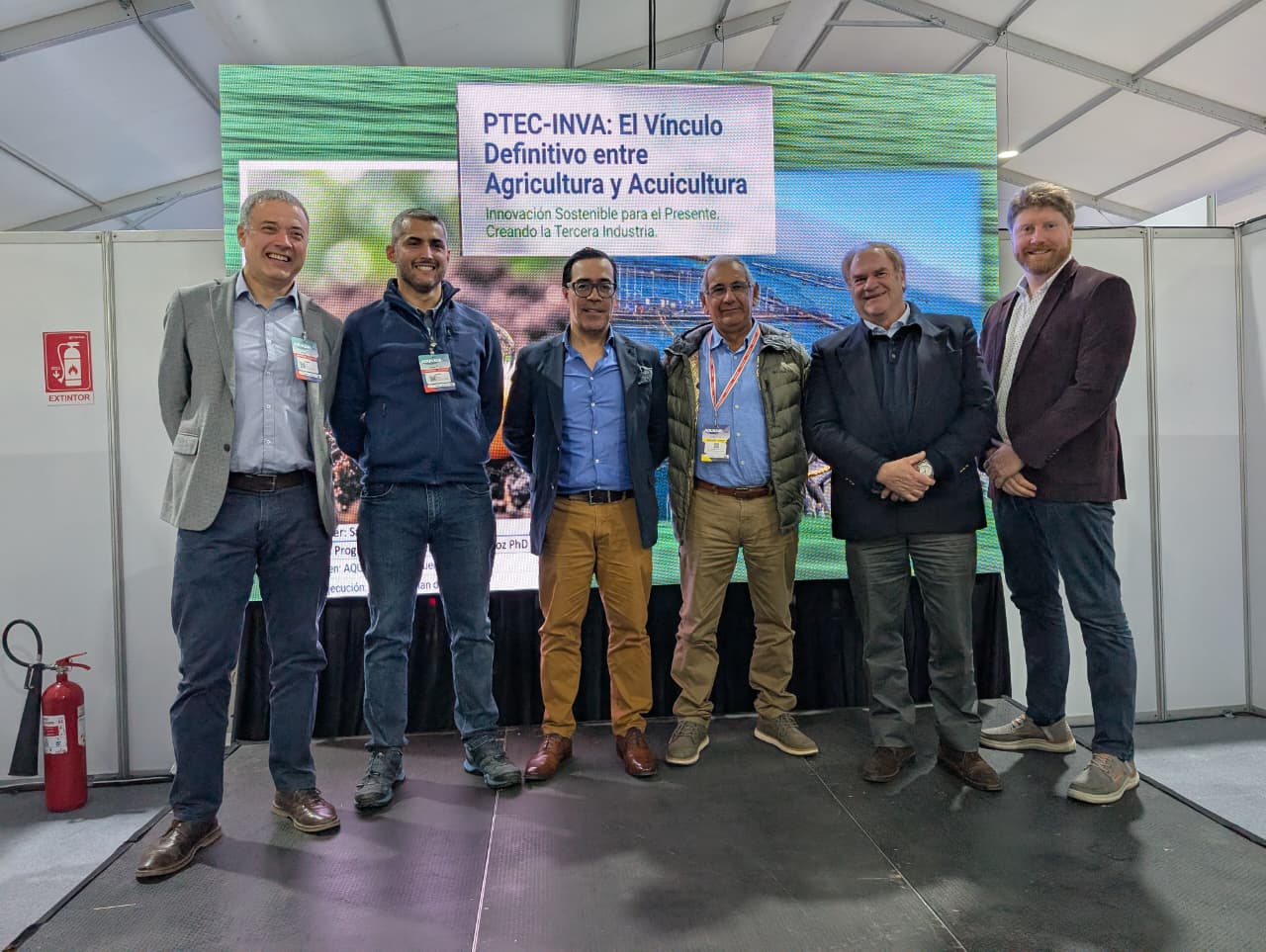
The Technology Program PTEC-INVA, driven by Corfo, led by Salmones Antártica and with recognized public-private and academic entities, is showcasing its advances at the international aquaculture industry fair taking place this week between Puerto Varas and Puerto Montt.
In the framework of AquaSur 2026, the Technological Program for the Local Production of Vegetable Nutritional Inputs for Aquaculture (PTEC-INVA) presented the results of almost five years of Research, Development and innovation (R&D+i) aimed at transforming the relationship between the agriculture of southern Chile and the national salmon farming industry.
Under the title PTEC-INVA: The Final Link between Agriculture and Aquaculture, the talk brought together representatives from the industry, academia and the public sector, and was structured in three presentation blocks led by Dr Daniel Nieto Díaz-Muñoz, manager of the Programme; the Dr. Jurij Wacyk Gonzálezwho is director of the Animal Nutrition Laboratory (Labna) from the University of Chile (University of Chile) and academic director of the Centre for Research and Innovation in Aquaculture (CRIA) –which at the same time is part of the Center for Antimicrobial Stewardship in Aquaculture (CASA), collaborating centre of the World Organisation for Animal Health, OMSA–; and César Martínez Gutiérrez, Manager of Scientific and Technical Research in Aquaculture Nutrition at Veterinary Histopathology Center (VeHiCe).
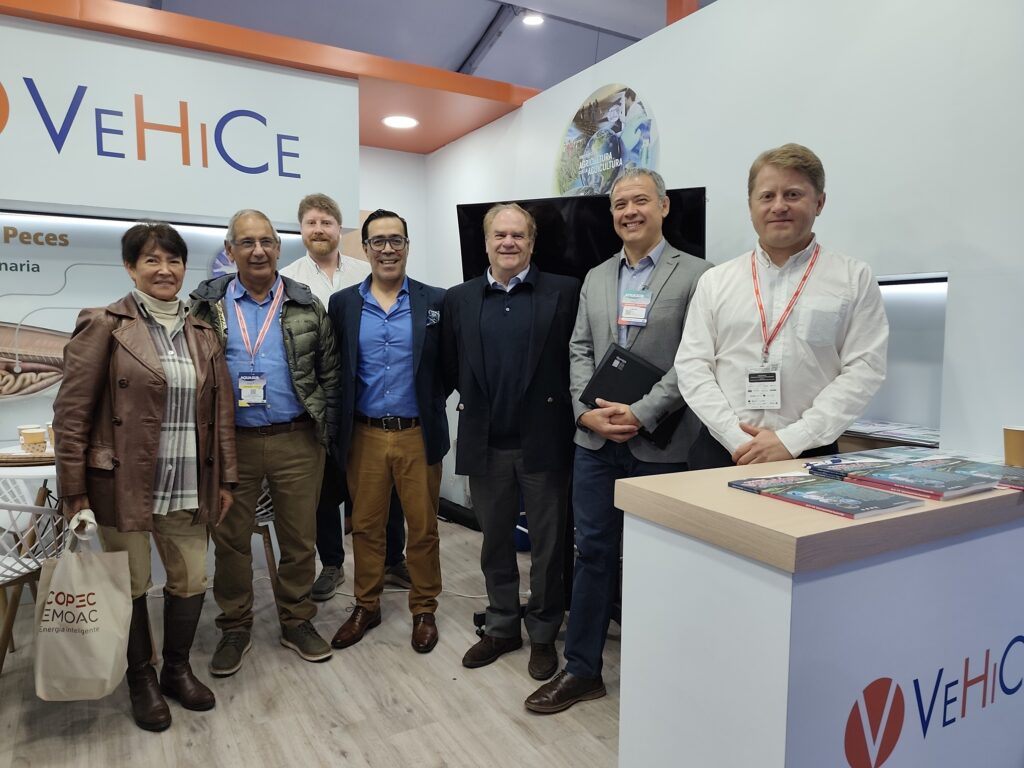
The participation of PTEC-INVA in AquaSur 2026 is not limited to the talk. The program also has a physical presence in the fair through a joint stand with its co-executor VeHiCe, located in the space E-19, where attendees can know in detail the progress of each of the projects of this Technological Programme, its results and the technical capabilities developed over these years.
The underlying problem
Dr. Nieto opened the presentation by describing the context behind the creation of PTEC-INVA: Chile imports 85% of inputs used for the production of aquaculture food, a situation that – in the view of the Programme – is financially fragile, environmentally sensitive and strategically dangerous. To this is added the end of the so-called "Pelagic paradigm", that is, the historical dependence on fish meal and oil – even sometimes from trawling – a model that the global industry is rapidly abandoning.
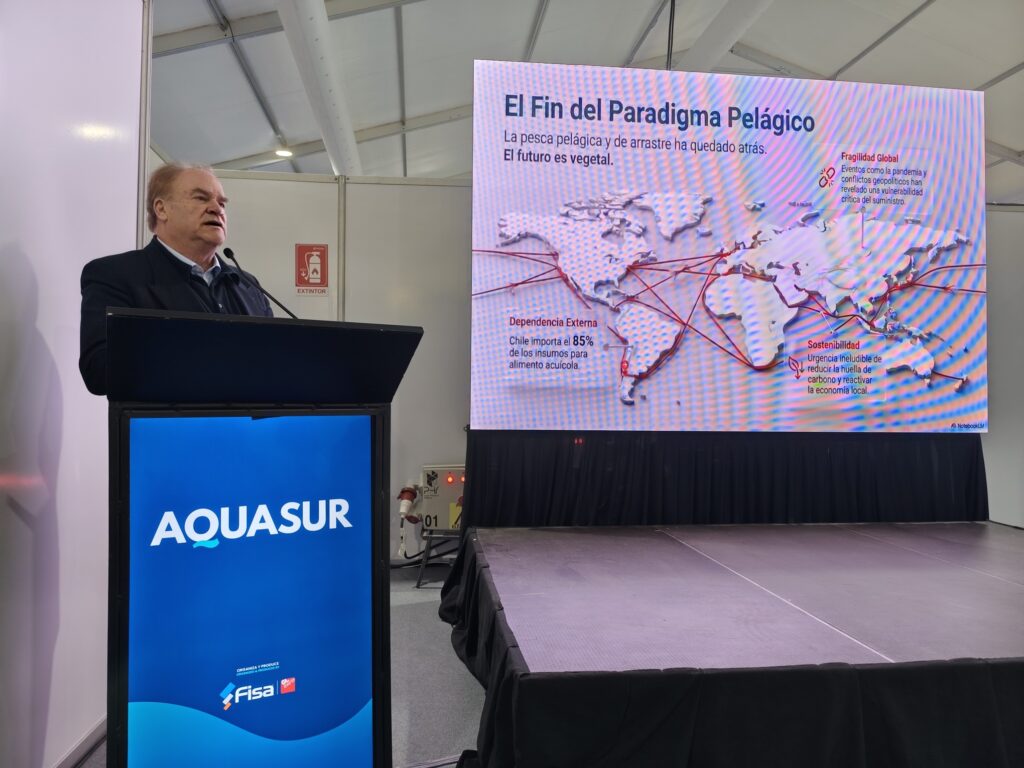
"The future is vegetable", he sentenced the introductory film of the presentation, synthesizing the central bet of the Program: replace so gradual, technical and cost-effective inputs imported by vegetable raw materials produced in the southern zone of Chile (regions of La Araucanía, Los Ríos, Los Lagos, Aysén and Magellan).
A multidisciplinary network
PTEC-INVA articulates a broad ecosystem of institutions. Antarctic Salmon acts as a leading company, while co-executors span from agronomic research (INIA, University of Chile, University of Catholic Temuco)through food innovation (CeTA), even technical specialists in seeds and physiological analysis (Agrotop/Saprosem andVeHiCe, respectively). All this under the strategic and financial support of the Production Development Corporation (Corfo) through its Enterprise Technology Programmes Initiative.
At the close of his speech, Dr. Nieto also thanked entities and companies that have been relevant to the development of the Program: Alliance Team, BioMar, Intesal de SalmonChilethe National Society of Agriculture (SNA), Nuseed, Mowi, among others.
Crops with field-tested potential
The central block of the talk was in charge of Dr. Wacyk, representative of the University of Chile for the PTEC-INVA, who presented the agronomic and nutritional results obtained by the Institute of Agricultural Research (INIA) in four of its experimental stations distributed along the south-southern macrozone: Carillanca (The Araucania), La Pampa/Remehue (Los Ríos and Los Lagos regions), Tamel Aike (Aysén region) and Kampenaike (Magellan region and Chilean Antarctic region).
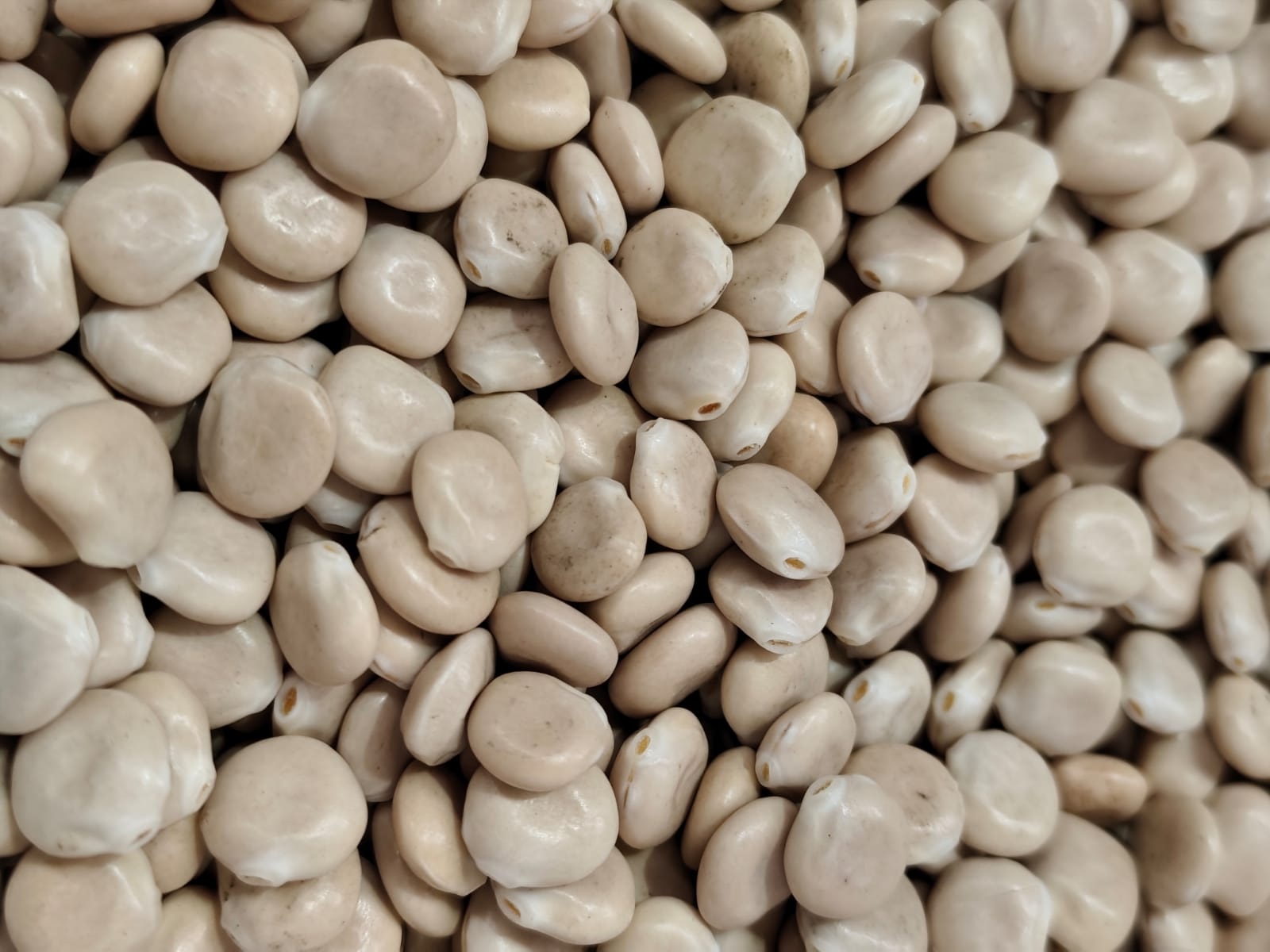
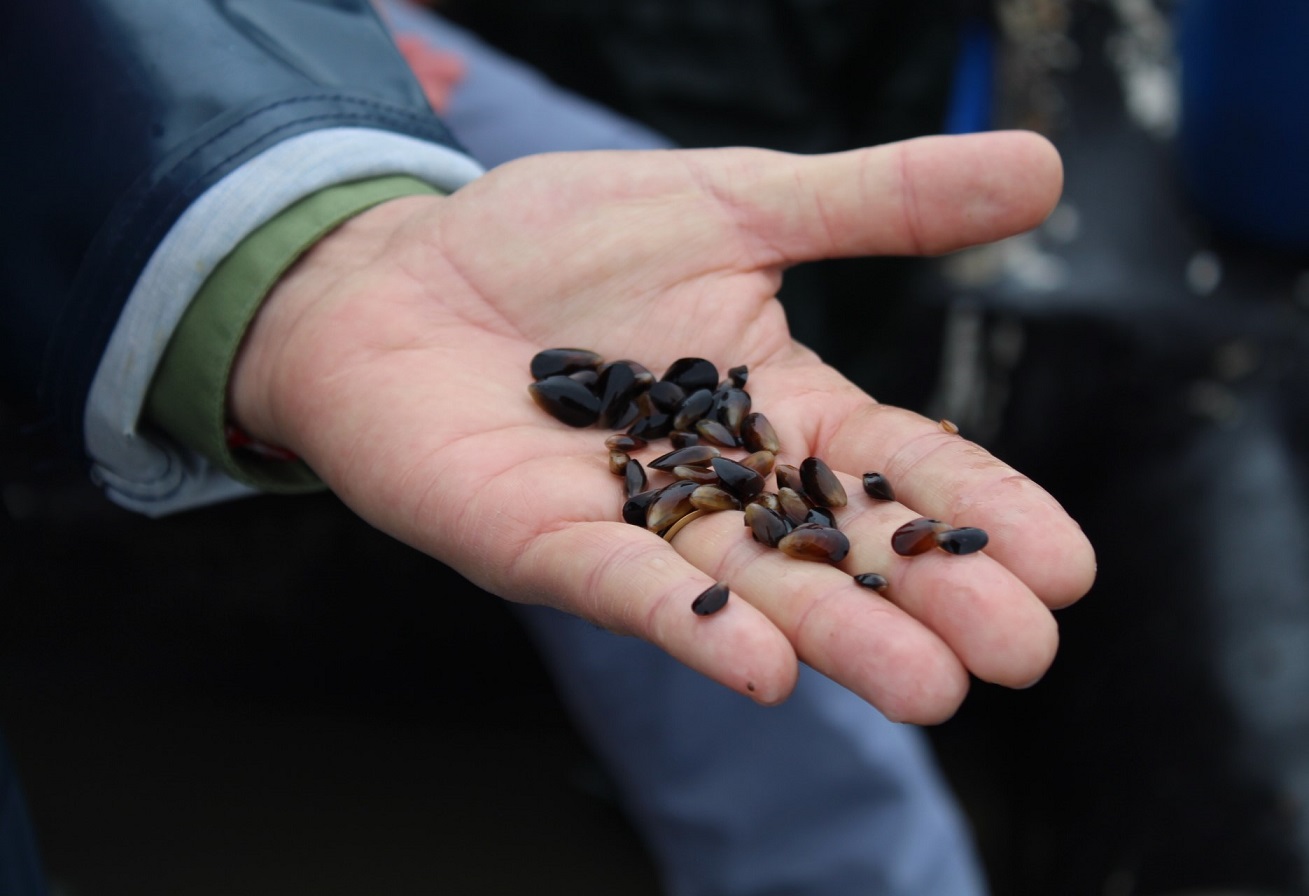
The figures are eloquent. Winter raps (canola) reached up to 10,300 kg/ha in La Pampa/Remehue, with productive ceilings of up to 12 tons per hectare under controlled conditions. The cameline – a strategic oilseed due to its lipid profile and its adaptability to extreme climates – it reached 3,500 kg/ha with less than 4% erucic acid, which makes it directly viable for salmonid diets. The white lupin showed yields of up to 8,900 kg/ha, and winter wheat exceeded 120 quintal metrics per hectare.
In addition, Dr. Wacyk explained the concrete link between nutritional testing and the necessary scale of production: with a aquaculture production of million tonnes per year (figure 2024), an inclusion of 1% peas in the diet would involve 10,000 tons of demand, equivalent to triple the currently cultivated area. At 2% inclusion of lupine, the requirement would be approximately 15,600 additional hectares.
"This is not just agronomic research. It's the the basis of a new industry", the exhibitor said.
From the economic point of view, the local production of vegetable protein is already competitive: the cost of production of concentrated lupin is estimated at USD 1,65/kg, compared to USD 1,80/kg of fish meal on the international market. A conceptual engineering plant of 16,000 tons per year turns out financially attractive and would grant independence from the external market.
Nor is the environmental impact less: the replacement of imported inputs with local crops would save approximately 1.6 million tonnes of CO2 equivalent to the year, a reduction in the carbon footprint of order of 60%, thanks to the elimination of intercontinental transport and the improvement of local agriculture.
VeHiCe: When Physiology Becomes Productive Strategy
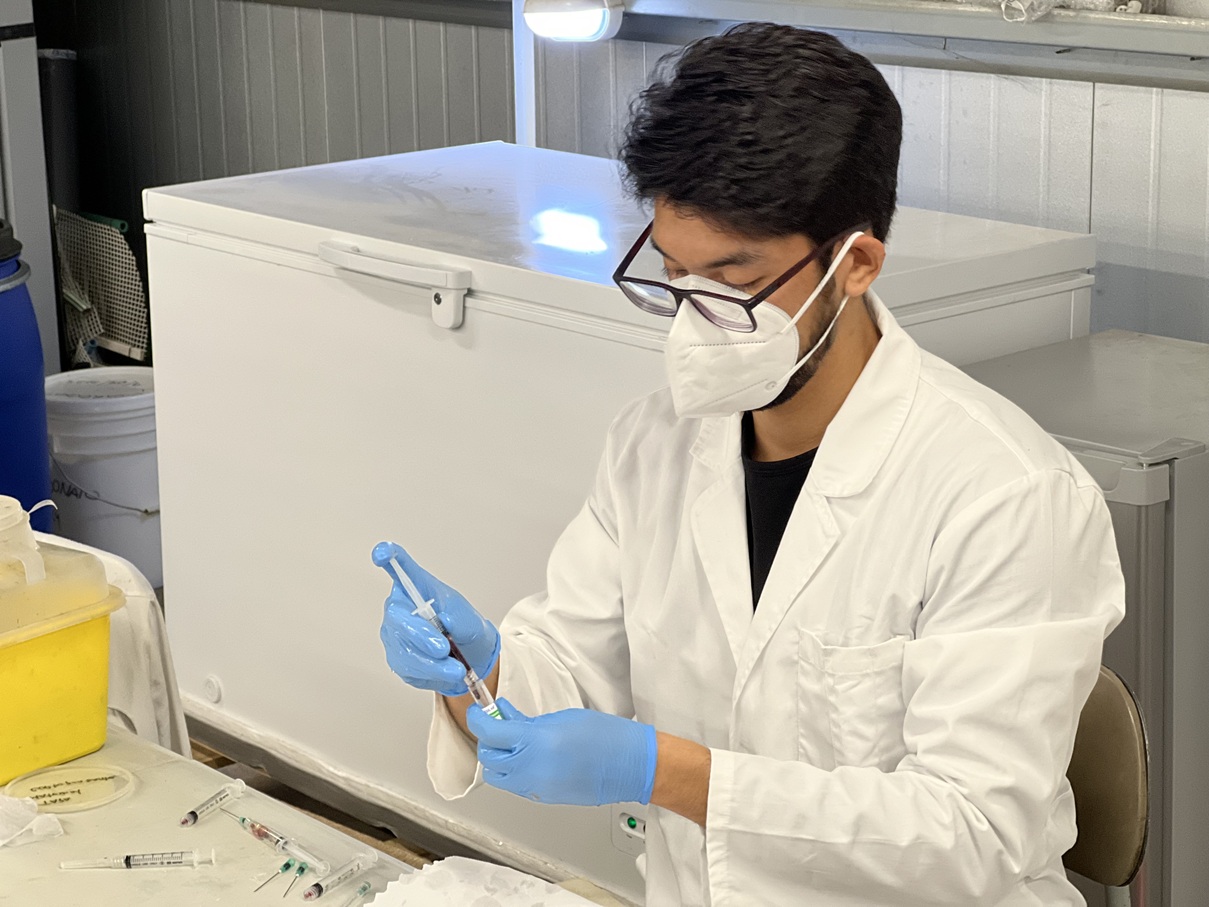
The closing of the talk was in charge of César Martínez, who presented the work of the VeHiCe Laboratory within the framework of the PTEC-INVA: the integral physiological evaluation and precision of the fish submitted to experimental diets with the plant raw materials assessed by the Programme.
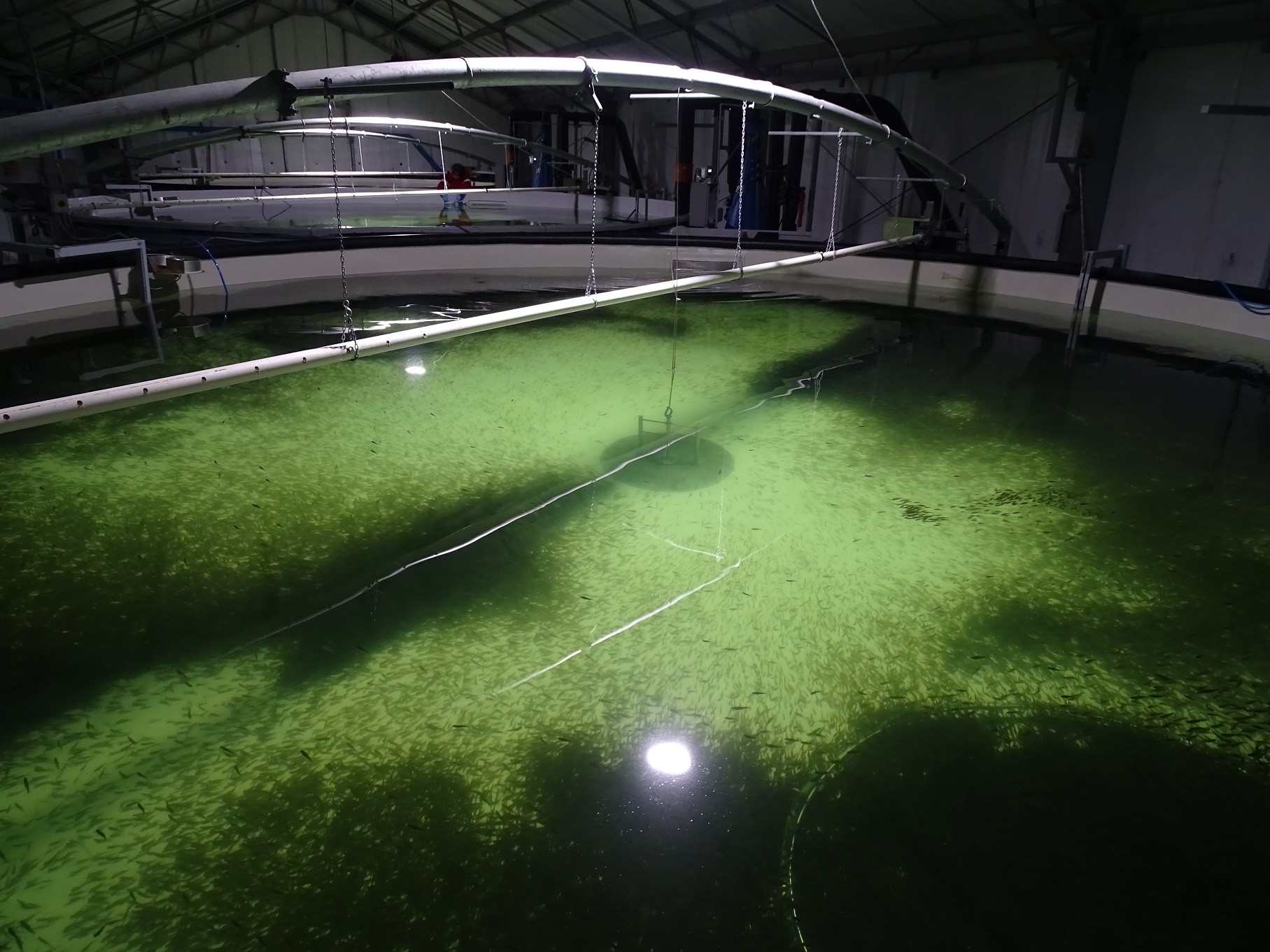
Between 2023 and 2025, VeHiCe analyzed 235 fish over 16 experimental stages, in the framework of nine different studies and using 14 different types of analysis, accumulating more than 2,800 laboratory tests. The approach combines organ histology (liver, kidney, spleen, gills, intestine), serum biochemical profile, hemogram, antioxidant enzymes, molecular biology, high definition imaging and intestinal microbiome.
The results showed that all the raw materials evaluated – lupine flour, canola granules, peas flour, blends of local oils and protein concentrates – are capable of generating positive impact in diets for salmonids without compromising the organic integrity or productive performance of fish. In particular, 5% peas proved to be the structural base more robust in fresh water (food conversion factor – FCR – 0.785), while lupine operates as a specific immunological modulator under conditions of high infectious pressure, enriching the intestinal microbiome with bacteria producing butyrate.
As regards the lipid blends, the comparative study showed that each formulation has competitive advantages according to the phase of the production cycle: the blend SASA (Antarctic Salmons) was the more efficient in technical terms, with a FCR of 0.95, an SGR (specific growth rate o specific growth rate) of 1.34% and an antiviral gene expression 1.73 times higher than the baseline; whereas the “university blend” was the most suitable for final stages oriented to Omega-3 Premium certification.
Martínez emphasized that the use of enzymes in diets with alternative flours is not an optimization, but a mandatory requirement to maintain cellular integrity. Enzymatic supplementation diets showed excellent health mucosa, high molecular stability and optimal organic integrity, in contrast to diets without enzymes.
“This technological program also allows us to generate new tools, focusing a physiological-integral look at the animal welfare“ ” said VeHiCe’s representative.
A "third industry" in construction
The presentation culminated in a long-term vision: the creation of a symbiotic, local and low carbon supply chain, which the organizers called "the Third Industry", a AgroAquaculture cluster that connects farmers from southern Chile directly with the global salmon industry.
To get there, the Programme has structured three pillars of scaling up: technical validation already made with the most potential plant species (camelina, raps, peas, lupines, wheat); technology transfer to regional producers and agricultural operators; and finally, the consolidation of a functional supply chain replacing imports with local production.