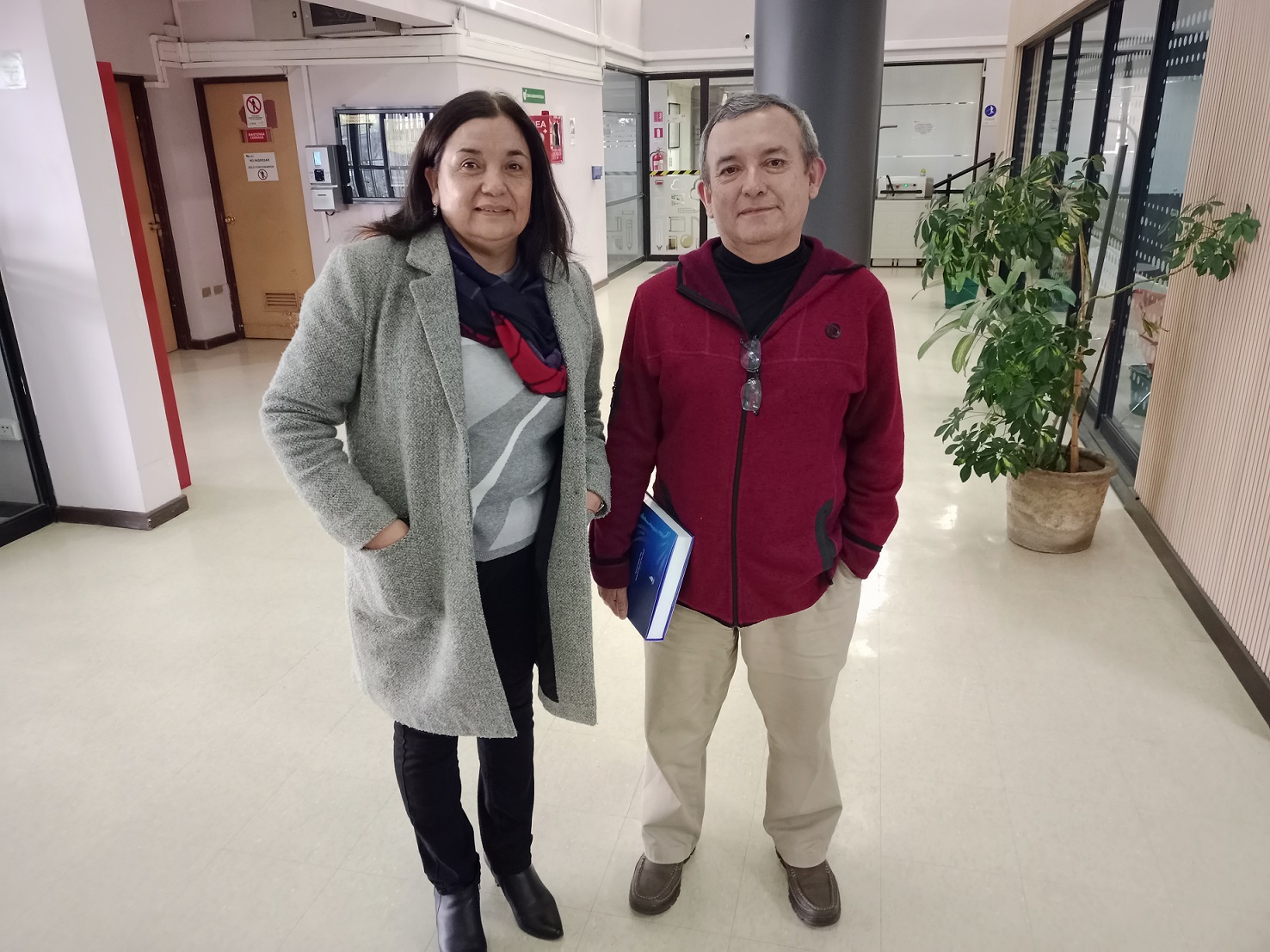
His contribution was related to the ichthyoplankton, a key stage in the life cycle of marine fish.
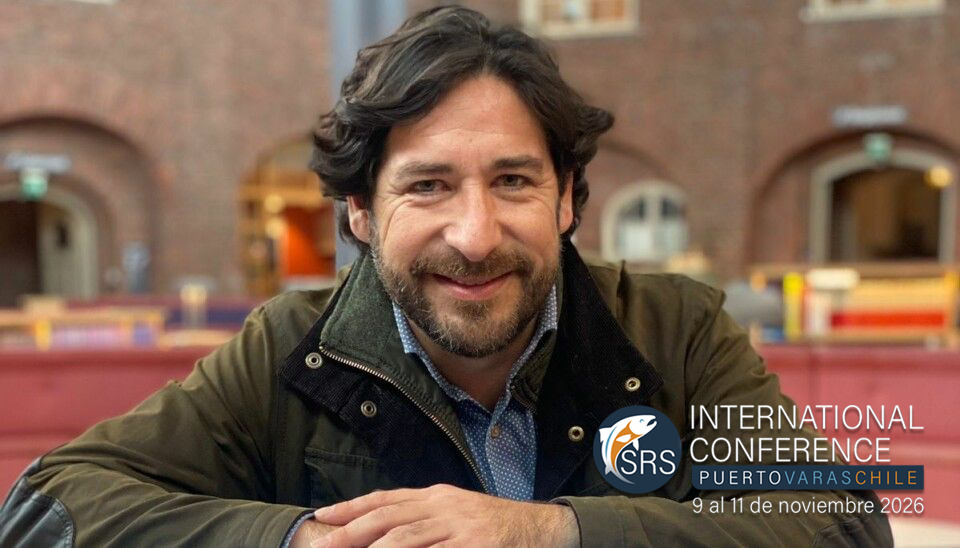
Zooplankton is the component of plankton that includes the earliest stages in the life of fish, eggs and larvae. This was the theme that Dr. Guillermo Herrera, academic from the Faculty of Sciences of the Catholic University of the Holy Concepción (UCSC), delved into. His contribution is part of the book: Plankton diversity in Chilean waters in the Humboldt Current System, published by academics Dr. Pamela Hidalgo and Dr. Margarita Marchant from the University of Concepción (UdeC).
The chapter titled "Ichthyoplankton: early stages of fish in the waters of Chile in the Humboldt Current Region," was developed by Dr. Herrera together with Dr. Mauricio Landaeta from the University of Valparaíso.
In the project, experts from different institutions of the country participated. "They invited two professors from UdeC, who called upon different specialists who work with different plankton groups, to generate a product with the state of knowledge of the plankton in the Humboldt Current region," said Professor Herrera.
The Humboldt Current has its own characteristics, being considered a cold current that moves in a northerly direction, from subantarctic areas in southern Chile, following the western coast of South America. Its waters are rich in nutrients.
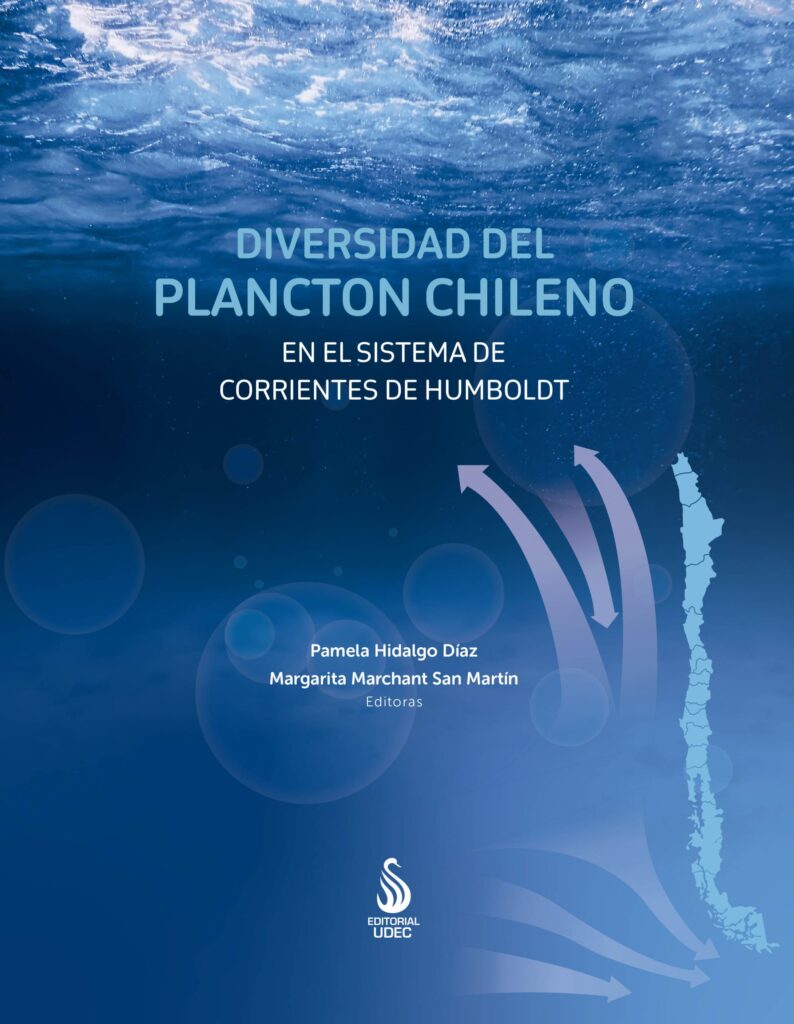
Most of the knowledge about ichthyoplankton comes from abroad, therefore, that was one of the main motivations for the UCSC academic to participate in this project. "We sought information, collected and presented a kind of ichthyoplankton atlas that are distributed throughout Chile and are part of the Humboldt Current," he added.
Relevance
ichthioplankton is defined as early living states of marine fish, including when eggs are derived in water. “It includes all the developmental states of those eggs, first larvae and even juveniles. Then, when the fish swim, they become part of the necton. We describe attributes of eggs and larval states. The idea was to gather information from the states of life and where they are. There's a lot of difficulty getting to know them, given that are very different from their adult status,” explained the academic.
The work gathered around 100 species, which constitutes only part of the quantity existing in Chile. Most of the work was carried out at the beginning of the project, more than 10 years ago, therefore, due to the progress of the topic involved constantly updating the material. “Taxonomy and regulation sometimes change, as there are several proposals. Over time, some species had to be added that left Knowing as we go. We had to constantly update and even so, we could only collect a fraction. The idea is to continue this work, using this as a basis. It will always be a work in progress,” he added.
The publication is focused on new generations of students in the area and professionals working on biodiversity and plankton ecology issues. It should be noted that the collection includes much of the work carried out in the course “History of Early Life of Marine Fish” of the UCSC Marine Biology career. “It is an Optative of Deepening, where we share with students what the larvae are like. on the coast. What we communicate in the book is also transmitted in this course, especially the ichthioplankton and its forms present in Chile. Today more people will have access to this material,” explained the academic.
Finally, Dr. Herrera valued academic collaboration as an enriching experience. “Collecting all this background and sharing it with the community concerned was the goal. We already know each other and maintaining contact with other researchers is always very valuable,” he concluded.
The book can be purchased in the link: https://editorial.udec.cl/producto/diversidad-del-plancton-chileno-en-el-sistema-de-corrientes-de-humboldt/