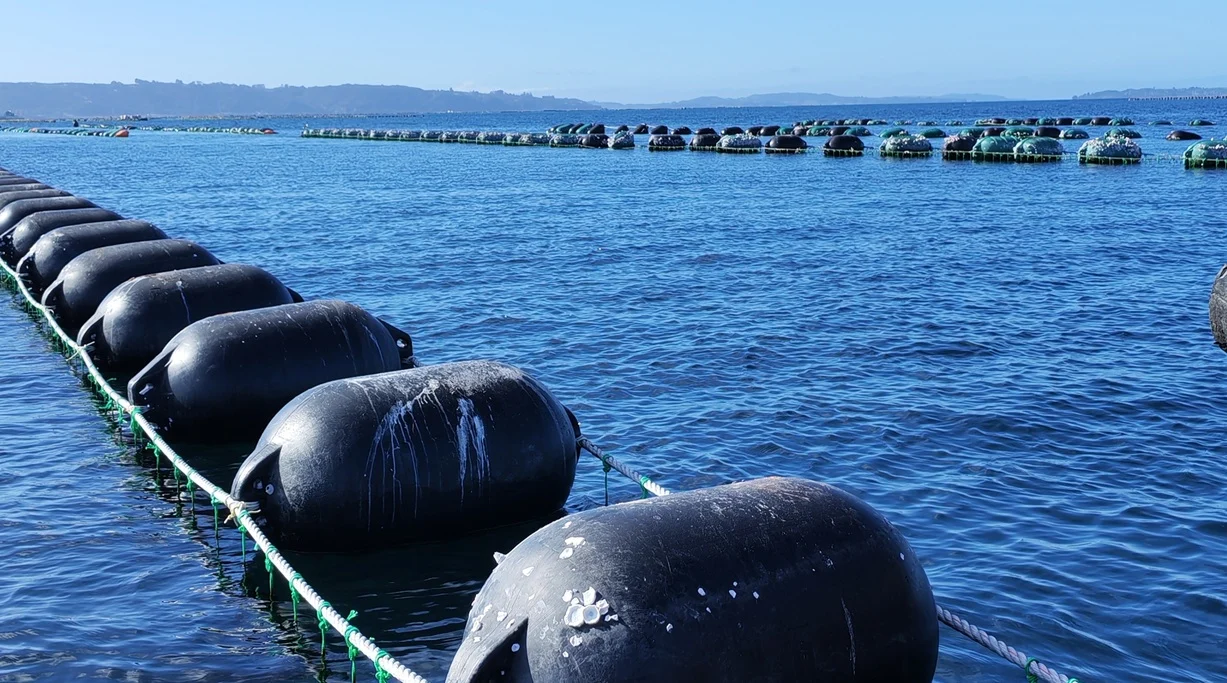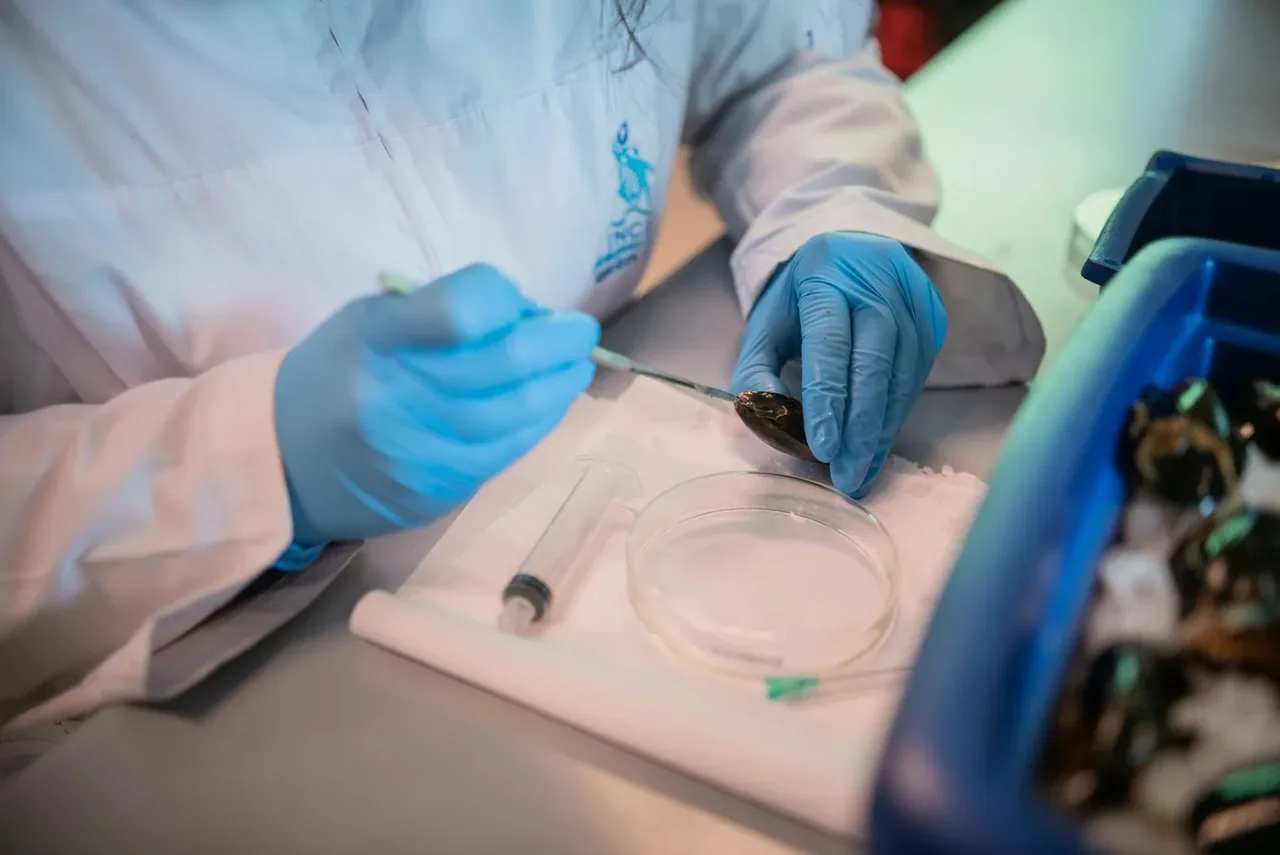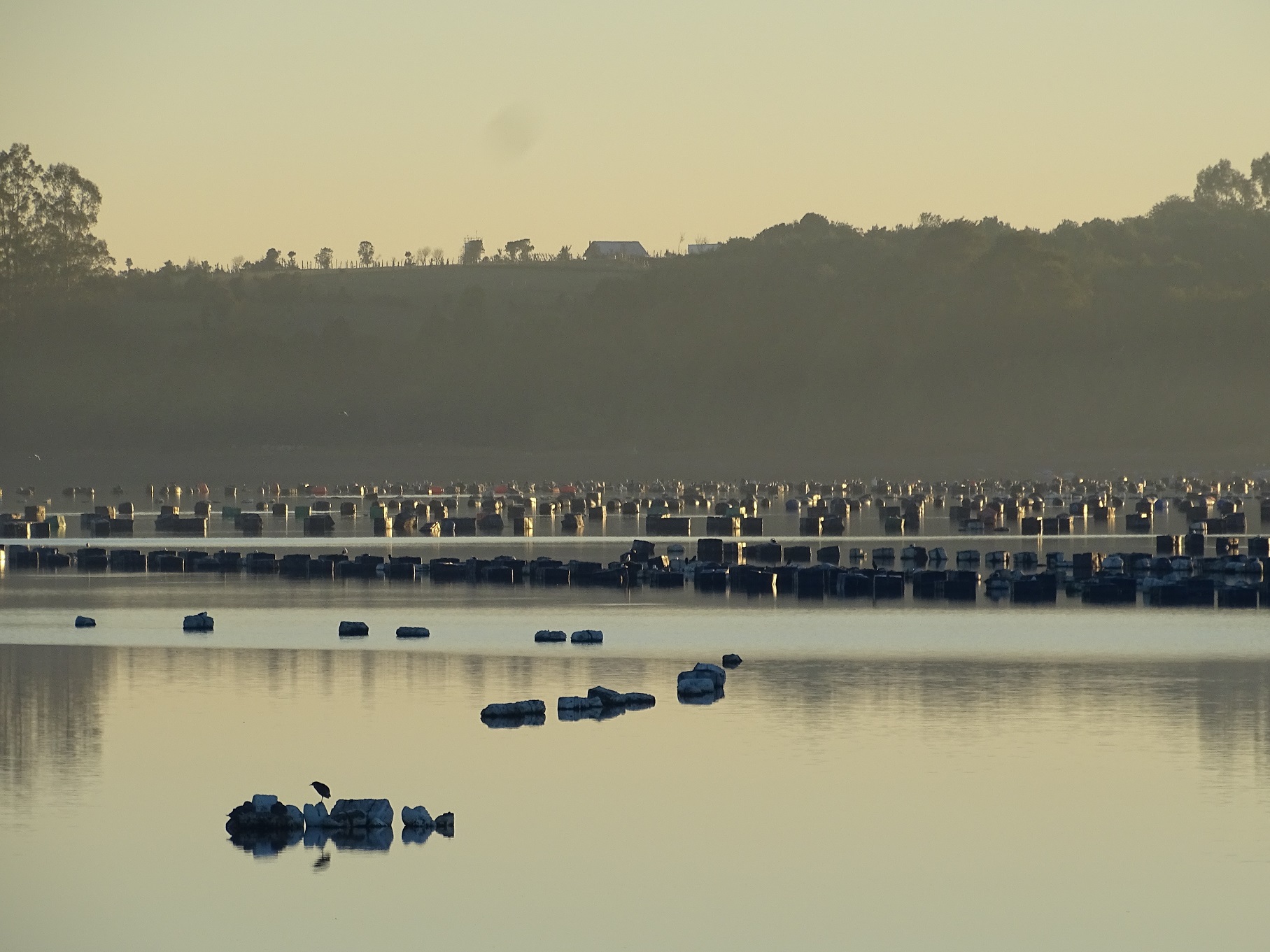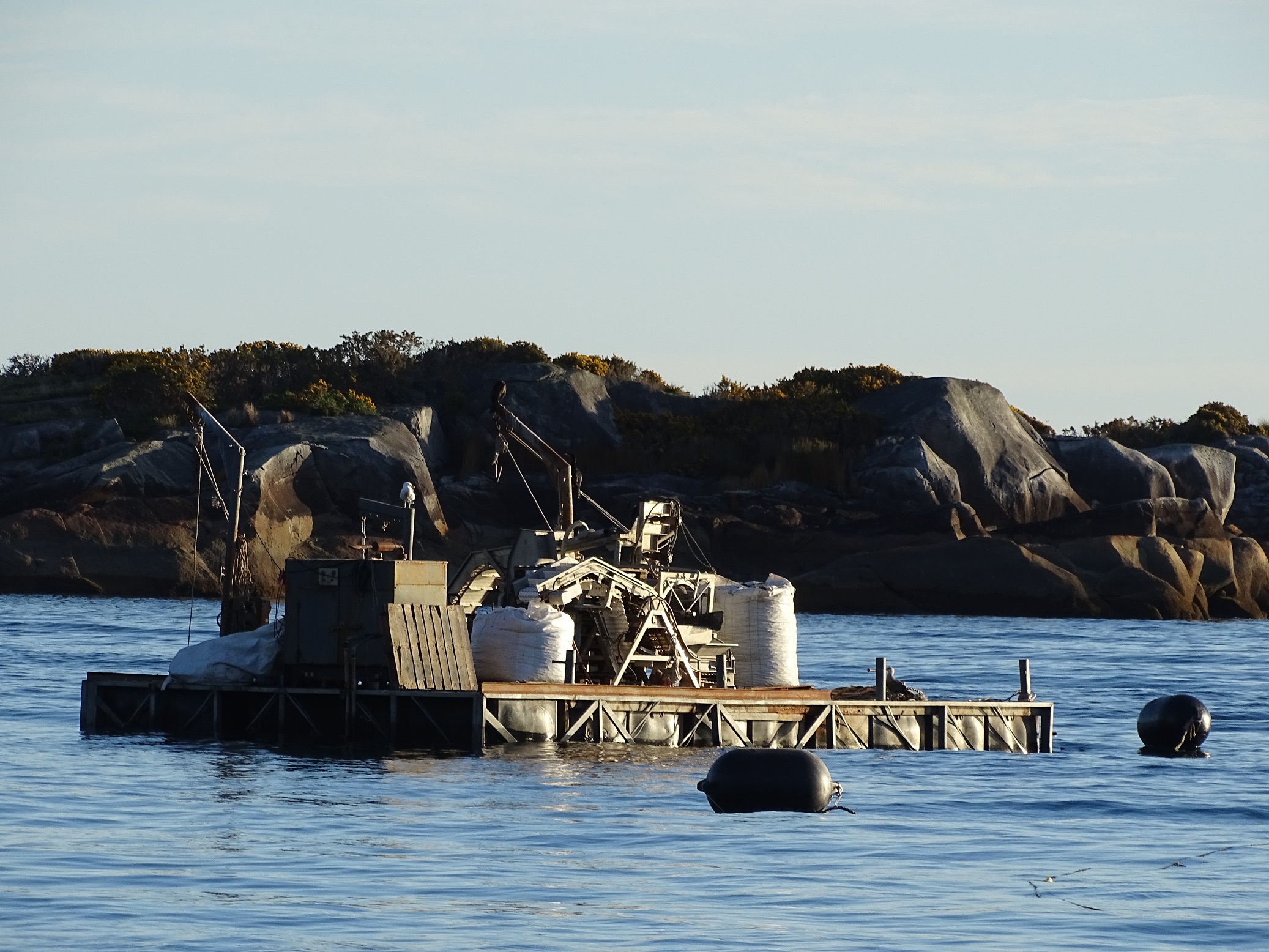
The information is available for consultation on the interactive platform "Semilla Endémica", which allows for an integrated and up-to-date view of the larval dynamics of the chorito, a key input for decision-making in the mussel farming sector.
Within the framework of the Larval Monitoring and Seed Collection Program for Mussels, carried out by the Fishing Development Institute (IFOP) - which is part of the permanent research program of the Directorate of Fisheries and Aquaculture (Subpesca) - it was reported that the 2024-2025 mussel seed collection season in the Los Lagos Region has already ended, after which a detailed analysis was submitted that accounts, among other aspects, of Historic larval peaks in Yaldad - Chiloé Sur - and early start of the harvesting season in Reloncaví fiord, in contrast with other capture areas such as Hualaihue.
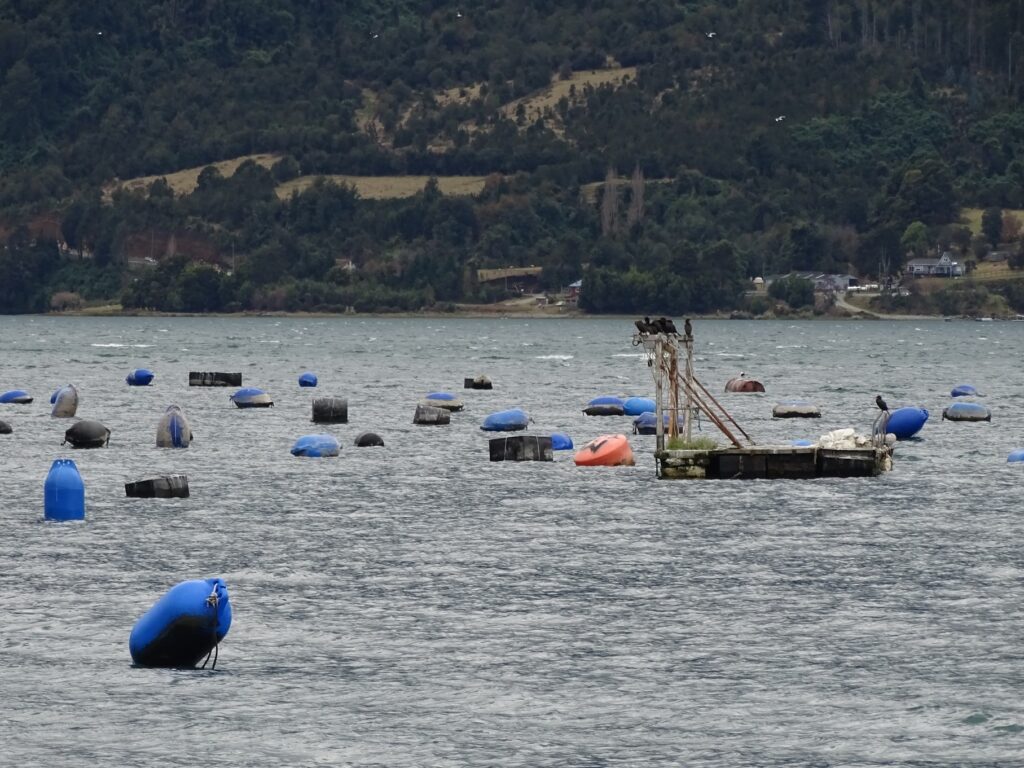
Considering that research on the development and capture of larvae is fundamental for the Chilean mussel farming industry and for Small Scale Aquaculture (APE), this important program has been carried out in the Los Lagos Region, with monitoring stations in the communes of Hualaihué, Cochamó, Puerto Montt, Calbuco, Castro and Quellón, for 13 years, to demonstrate the natural variations in the abundance of larvae of clams or mussels, in order to obtain information for decision-making regarding the collection of seed and its regulation from our Subsecretariat," explained Constanza Silva Hernández, head of the Aquaculture Division of Subpesca, who highlighted that there are also stations in the regions of Aysén and Magallanes.
From the Institute of Fisheries Development they deepened the scope of the project, through Dr. Cristián Segura Rivera, who has led this work. The professional explains that "the season between 2024 and 2025 was characterized by an early start in the capture period in the commune of Cochamó, which began on 25 September 2024. On the contrary, in the sector of Hualaihué and Pichicolo a delay in larval abundance was detected" competent, compared to previous years, which had a negative impact on the capture of seed in that sector," highlighting as one of the most important milestones of the season exactly what was produced at the Yaldad station (Chiloé Sur), where three important peaks of larval abundance were recorded.
"This behavior represents a historical record within the almost 13 years of monitoring of the program," specified the IFOP expert.
The results, which are available through the interactive platform "Native Seed, allow for an integrated and up-to-date view of the larval dynamics of the chorito. This information is key for decision-making in the mussel farming sector, which carries out the collection of seedlings from the natural environment.