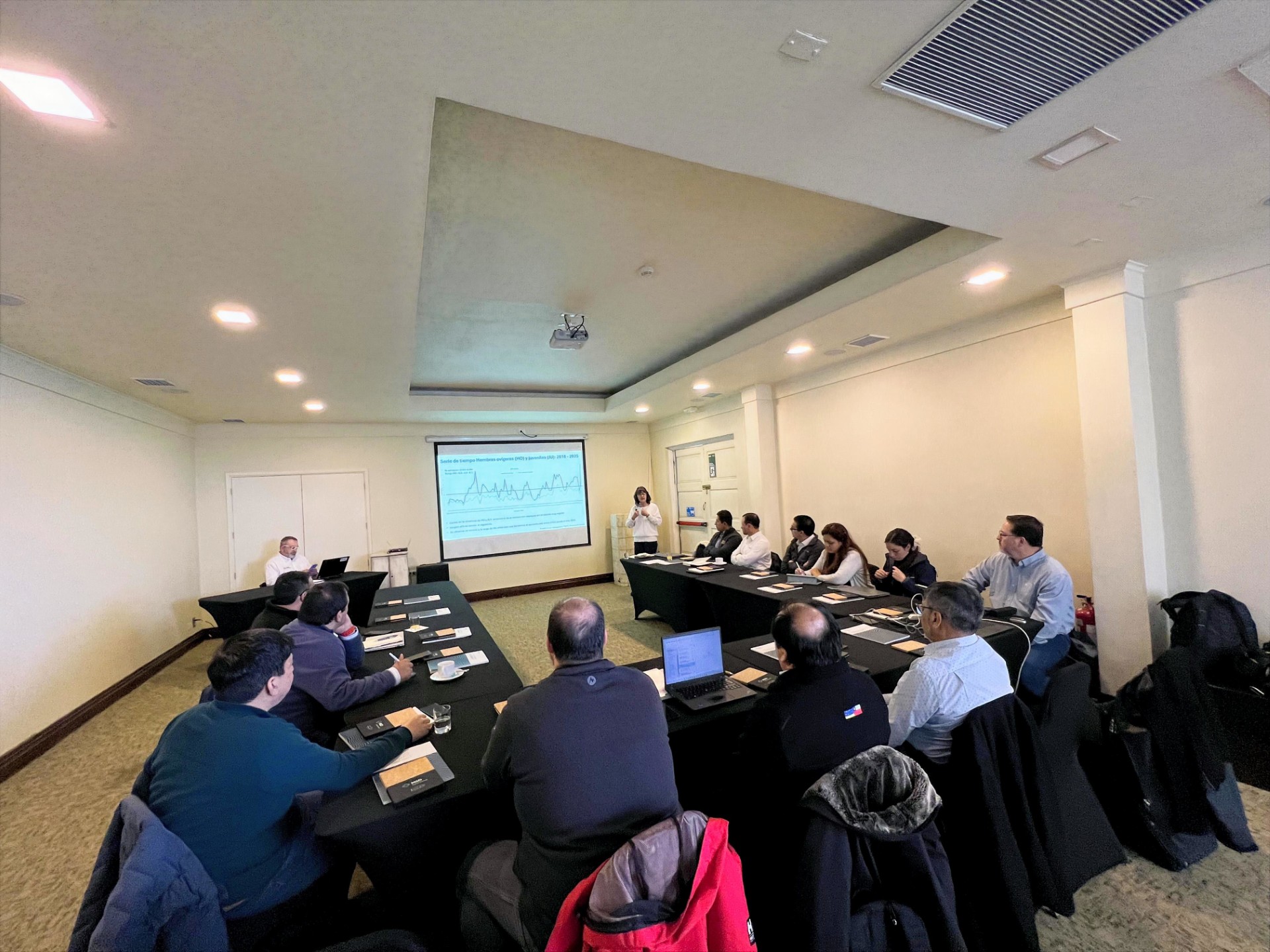
Professor MSc Sandra Marín, academic from the Austral University of Chile, was the main speaker at the event, where executives from the salmon farming companies located in the area participated, along with professionals from their respective health areas.
In its first annual session, the Magallanes Fish Health Committee met in Puerto Natales to jointly analyze the issue of Caligidosis and share anti-parasitic strategies, among other aspects.
At the meeting, held on Tuesday 6 January at the Hotel Costa Australis, the main speaker was Professor MSc. Sandra Marín, academic from the Institute of Aquaculture and Environment of the Austral University of Chile (UACh), who shared the results of interesting research on the situation of Caligus rogercresseyi in Chile, in addition to an exhaustive bibliographic review.
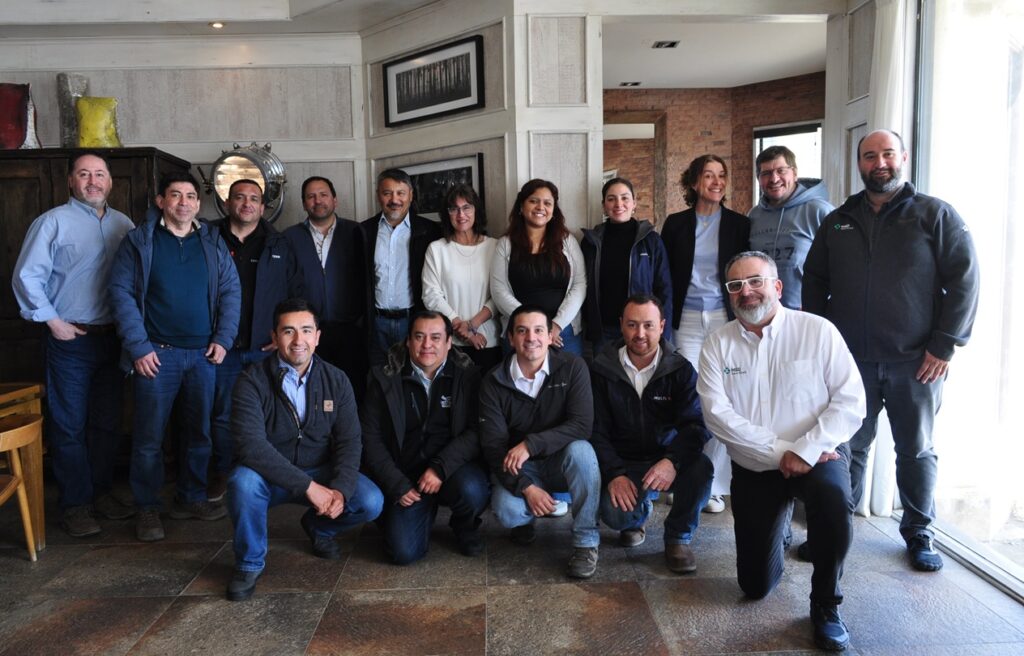
The activity, included in the Collaboration Agreement between the Magallanes Salmon Farmers Association and MSD Animal Health, was led by Francisca Rojas, manager of the aquaculture guild, and Oscar Parra, manager in Chile of the Aquaculture Unit of the biopharmaceutical and technology company. The event had high participation from executives of the salmon farming companies located in the area, along with the professionals of their respective health areas.
Recommendations
Sandra Marín explained that Magallanes has environmental advantages - mainly temperature and salinity - that make the reproduction and survival of the de Caligus rogercresseyi in relation to other regions where salmon farming takes place. "But the louse can adapt quickly to changes in its environment, so it is important that producers constantly monitor these variables and the behavior of the parasite," he said.
Among its recommendations, it suggested defining preventive strategies for the management of Caligidosis, with the aim of maintaining and ensuring the positive sanitary situation that characterizes the region, a zone now challenged by the increase in temperature due to climate change.
"As a country we have made great progress in the research of Caligidosis and we have extensive and interesting data. Meetings like those of this committee are very useful, because they allow us to provide quality information to the producers and warn them about the areas they should pay attention to," concluded the expert.
After the intervention of Professor Marín, professionals and technicians from the salmon farming companies shared their anti-parasitic strategies, emphasizing that collaborative and coordinated work in neighborhoods is key to optimizing parasite control and reducing reinfestations.
Finally, Francisca Rojas, manager of the Magallanes Salmon Farming Association, presented an update of status and status of advancement of various important projects that in the future will regulate the aquaculture activity where, together with the trade, different public institutions linked to the sector participate.